

Cable Decline Fly vs Incline Cable Flye: Complete Comparison Guide
Cable Decline Fly vs Incline Cable Flye — two cable isolation moves that both target the pectorals but hit different regions and demand different setups. If you want clear guidance, this comparison walks you through prime muscle activation, joint biomechanics, exact setup cues (bench angles, elbow bend, cable height), rep ranges (6–12 for strength/hypertrophy, 10–15 for technique work), and practical recommendations based on your goal and experience. By the end you’ll know which exercise to use for upper vs lower chest emphasis, how to perform each safely, and simple progressions to add tension without hurting your shoulders.
Exercise Comparison
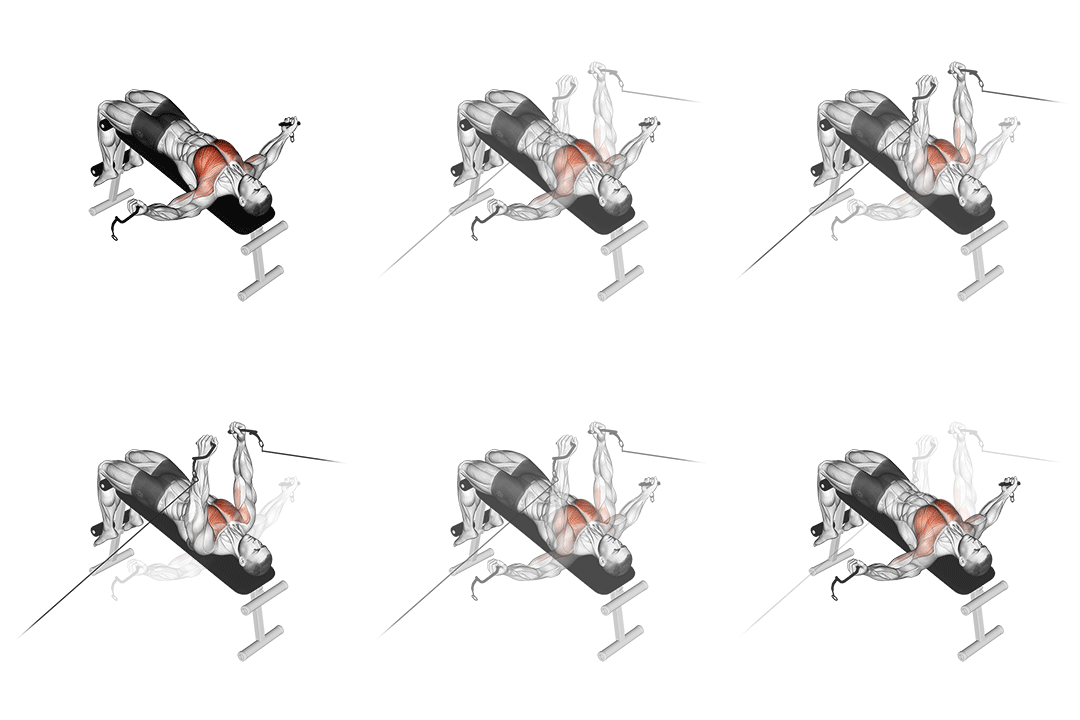
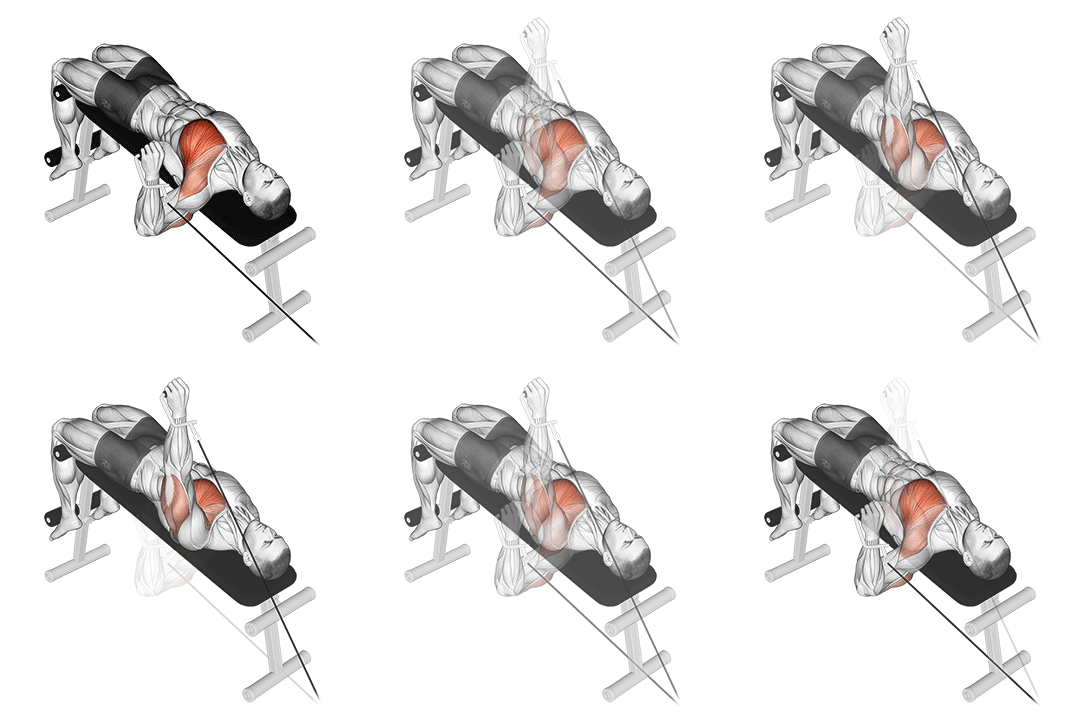
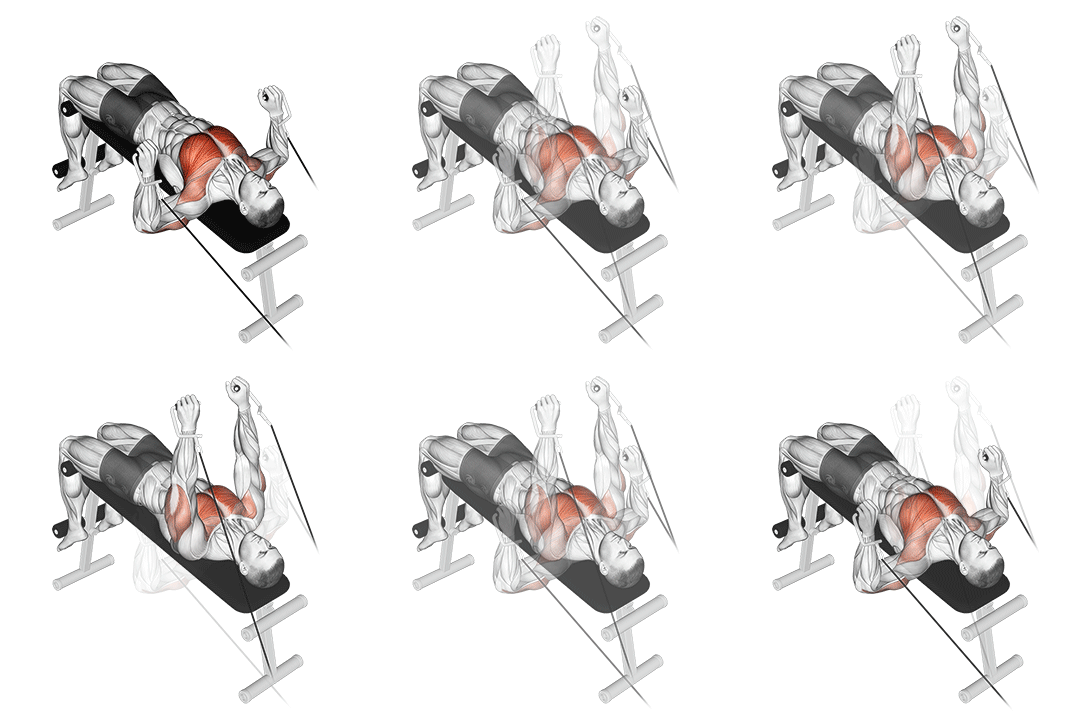
Cable Decline Fly
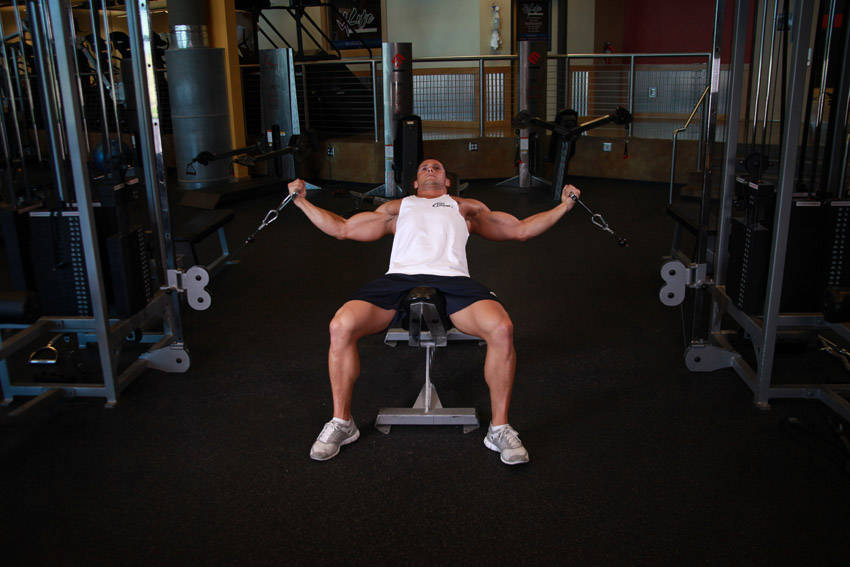
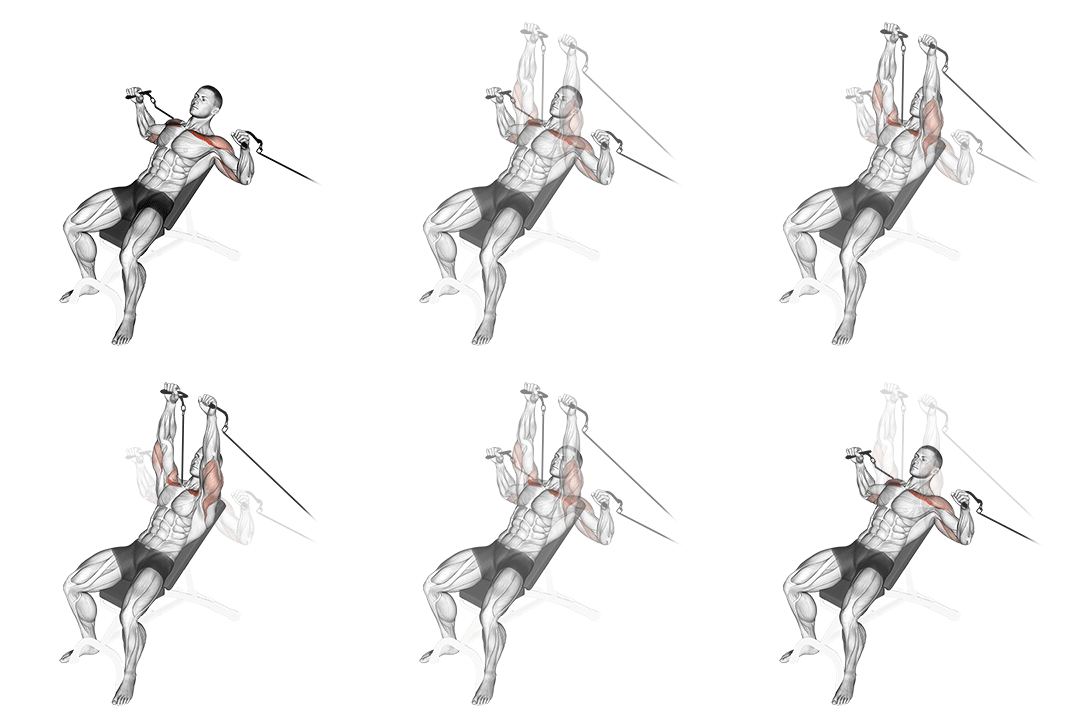
Incline Cable Flye
Head-to-Head Comparison
| Attribute | Cable Decline Fly | Incline Cable Flye |
|---|---|---|
| Target Muscle |
Pectorals
|
Pectorals
|
| Body Part |
Chest
|
Chest
|
| Equipment |
Cable
|
Cable
|
| Difficulty |
Intermediate
|
Beginner
|
| Movement Type |
Isolation
|
Isolation
|
| Secondary Muscles |
2
|
1
|
Secondary Muscles Activated
Cable Decline Fly
Incline Cable Flye
Visual Comparison
Overview
Cable Decline Fly vs Incline Cable Flye — two cable isolation moves that both target the pectorals but hit different regions and demand different setups. If you want clear guidance, this comparison walks you through prime muscle activation, joint biomechanics, exact setup cues (bench angles, elbow bend, cable height), rep ranges (6–12 for strength/hypertrophy, 10–15 for technique work), and practical recommendations based on your goal and experience. By the end you’ll know which exercise to use for upper vs lower chest emphasis, how to perform each safely, and simple progressions to add tension without hurting your shoulders.
Key Differences
- Difficulty levels differ: Cable Decline Fly is intermediate, while Incline Cable Flye is beginner.
- Both exercises target the Pectorals using Cable. The main differences are in their movement patterns and muscle activation angles.
Pros & Cons
Cable Decline Fly
+ Pros
- Strong emphasis on lower and mid-pec fibers for balanced chest development
- Better mechanical tension on sternal fibers, useful for progressive overload
- Allows a pronounced full-range stretch at the top of the eccentric
- Reduced anterior deltoid dominance compared with incline variations
− Cons
- Requires decline positioning or low cable setup that not every gym has
- Higher technical demand on scapular control and torso position
- Greater potential shoulder stress if elbows are straight or ROM is excessive
Incline Cable Flye
+ Pros
- Simpler setup and easier to teach to beginners
- Strong upper-chest (clavicular head) emphasis at 30–45°
- Less triceps involvement and lower technical demand on decline positioning
- Easier to maintain tension and tempo for higher-rep work (10–15 reps)
− Cons
- Less emphasis on lower-pectoral fibers for full chest balance
- Can recruit more anterior deltoid, reducing pure pec isolation
- Harder to achieve maximal mechanical overload compared with decline setups
When Each Exercise Wins
Cable Decline Fly produces stronger mechanical tension on the sternal/lower pec fibers and allows a pronounced stretch-shortening cycle across the chest. Use 8–12 reps with a controlled 2–3s eccentric and 1s peak squeeze to maximize time under tension.
While neither is a primary strength exercise, decline positioning enables heavier effective loads on the pecs and better leverage for progressive overload. Focus on lower-rep hypertrophy-style sets (6–8 reps) with slower eccentrics to build force capacity in the chest.
Incline Cable Flye is easier to learn and setup, with a more forgiving cable path and less demand on scapular stabilization. Start at 12–15 reps to groove the movement, keep elbows micro-bent (~10–20°), and practice controlling the eccentric for shoulder safety.
If you only have resistance bands or a limited pulley setup, the incline path is easier to replicate with bands and an adjustable bench. The angle still targets the upper chest effectively and requires less specialized cable positioning than decline setups.
Frequently Asked Questions
Can I do both Cable Decline Fly and Incline Cable Flye in the same workout?
Yes. Pairing them in the same session targets different pectoral regions: do incline sets first (8–12 reps) to target the upper chest, then decline sets (8–12 reps) for sternal focus. Keep total sets to 6–10 per session to avoid overworking the shoulders.
Which exercise is better for beginners?
Incline Cable Flye is better for beginners because the setup is simpler and the cable path is more forgiving. Start with lighter loads, 10–15 reps, a 2–3s eccentric, and focus on a slight elbow bend to protect the shoulder joint.
How do the muscle activation patterns differ?
Activation differs by line of pull: incline (30–45°) shifts the vector to recruit more clavicular fibers and anterior deltoid, while decline (-15° to -30°) shifts load onto sternocostal fibers and increases triceps stabilization. Length-tension and fiber orientation determine which fibers reach peak tension during the arc.
Can Incline Cable Flye replace Cable Decline Fly?
Incline can substitute if you lack a decline setup and want to avoid shoulder strain, but it won't match the decline’s emphasis on lower pec fibers. If your goal is balanced chest development, alternate or rotate both across training blocks rather than relying on one exclusively.
Expert Verdict
Use Cable Decline Fly when your priority is targeting the sternal and lower pectoralis with higher mechanical tension and a strong stretch at the top of each rep; it’s the choice for focused hypertrophy and progressive overload if your gym supports a decline setup. Choose Incline Cable Flye when you want an easier-to-learn press-path that biases the clavicular head and reduces triceps involvement — ideal for beginners or when upper-chest shaping is the goal. For balanced chest development, program both across a mesocycle: incline work early in a session for upper emphasis, decline or flat variations later for heavy tension on the sternal fibers.
Also Compare
More comparisons with Cable Decline Fly
Compare More Exercises
Use our free comparison tool to analyze any two exercises head-to-head.
Compare Exercises