

Cable Decline One Arm Press vs Incline Cable Flye: Complete Comparison Guide
Cable Decline One Arm Press vs Incline Cable Flye — two cable chest moves that look similar but load your pecs and shoulders very differently. You’ll get a side-by-side look at primary and secondary muscle work, equipment and setup needs, learning curves, injury considerations, and when to pick each for muscle growth or strength. I’ll give technique cues, specific angles (decline ≈ 15–30°, incline ≈ 30–45°), rep ranges, and clear recommendations so you can choose the right exercise for your program.
Exercise Comparison
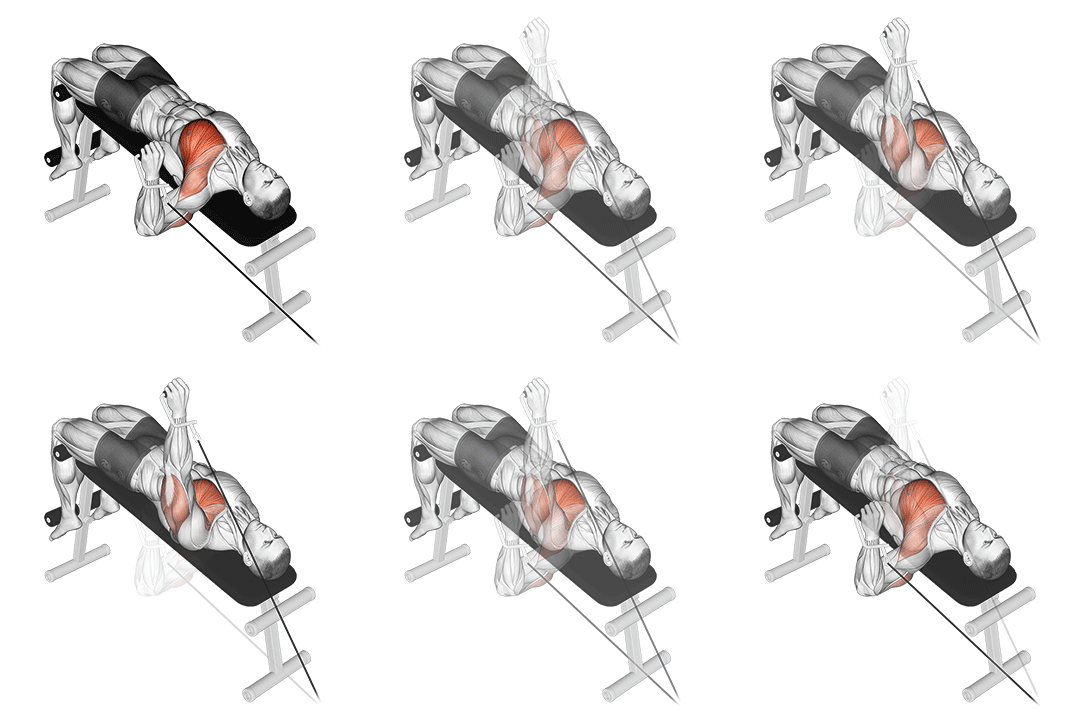
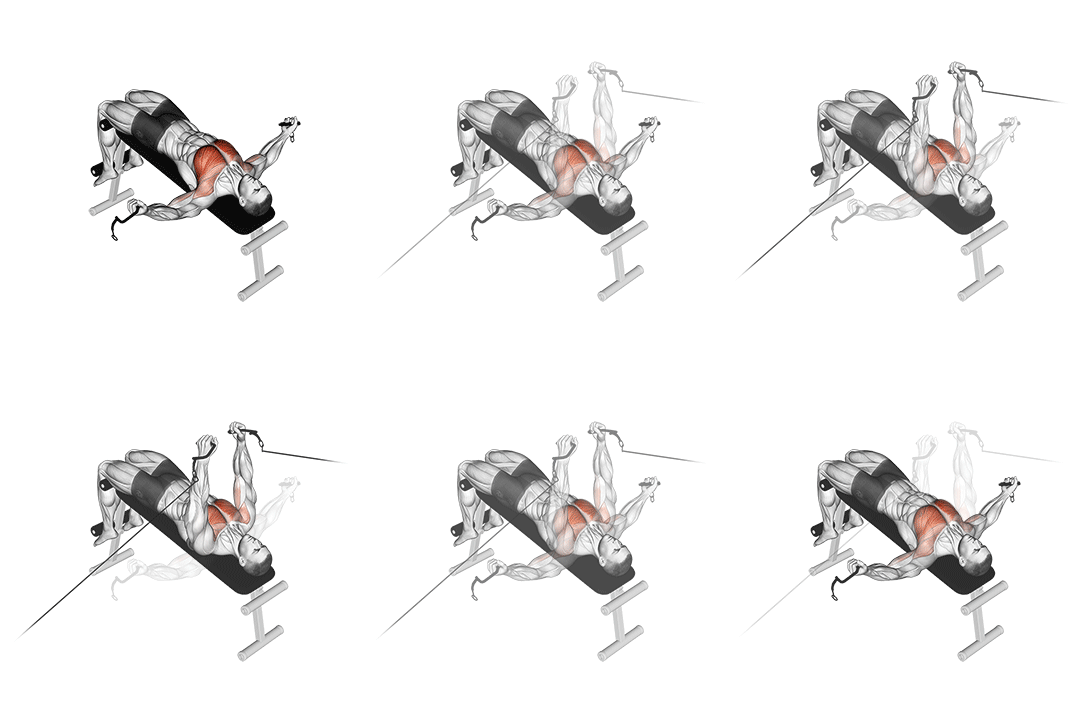
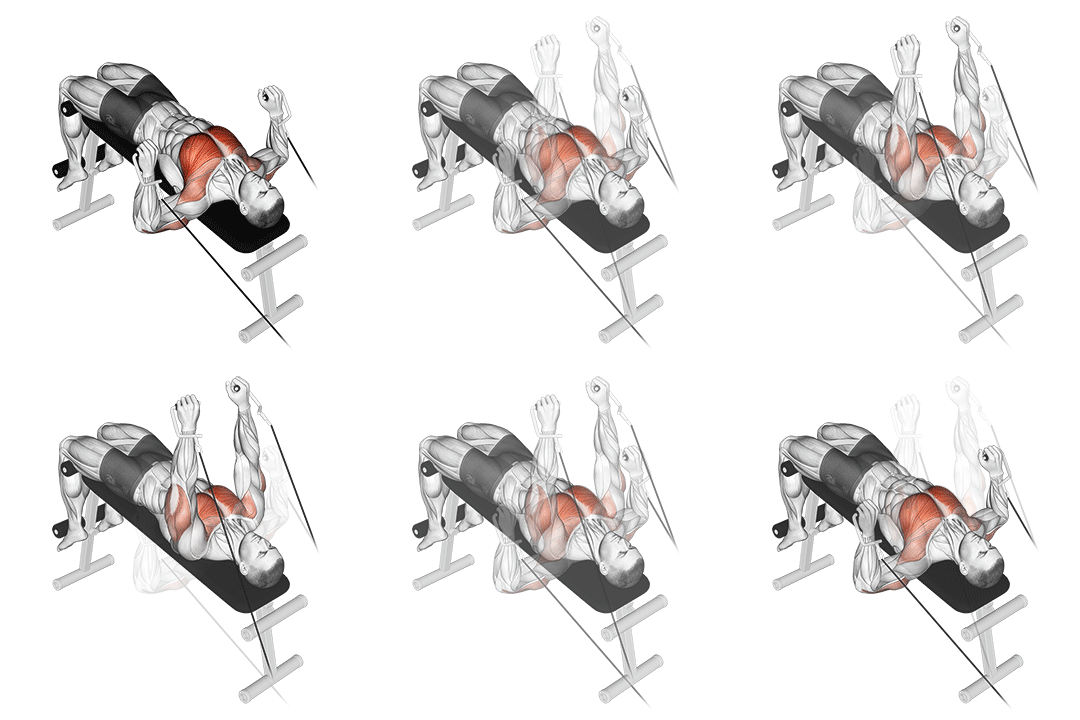
Cable Decline One Arm Press
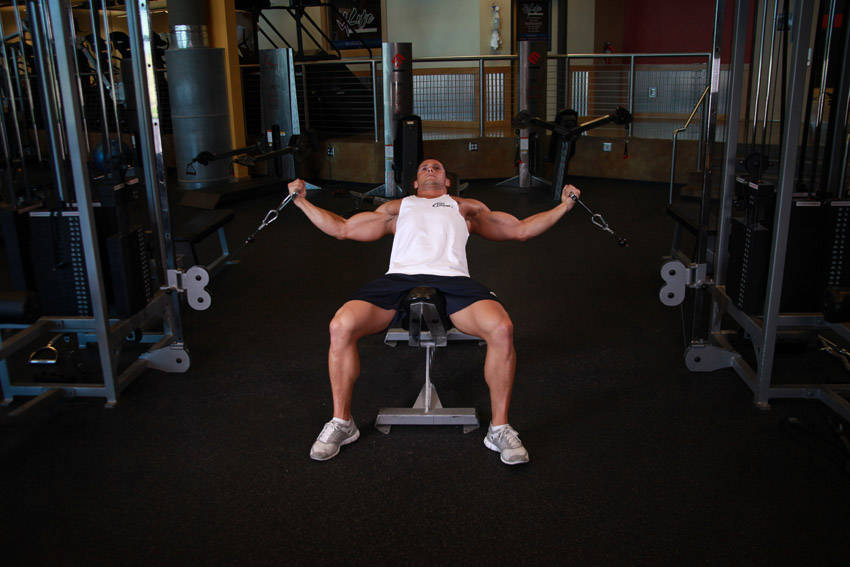
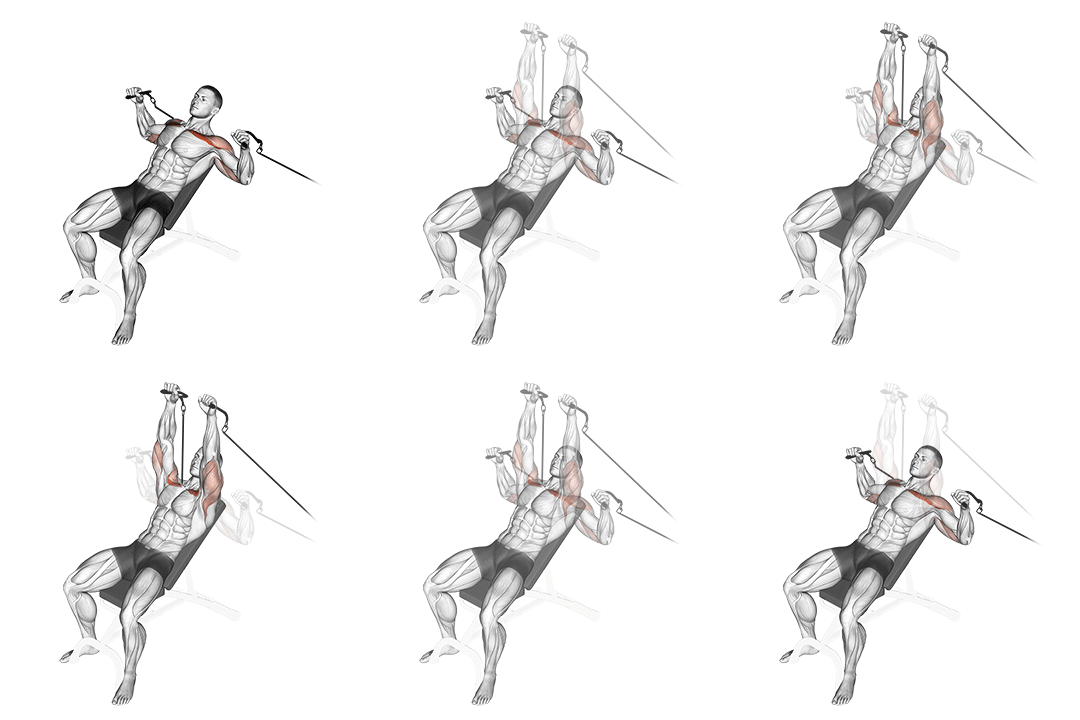
Incline Cable Flye
Head-to-Head Comparison
| Attribute | Cable Decline One Arm Press | Incline Cable Flye |
|---|---|---|
| Target Muscle |
Pectorals
|
Pectorals
|
| Body Part |
Chest
|
Chest
|
| Equipment |
Cable
|
Cable
|
| Difficulty |
Intermediate
|
Beginner
|
| Movement Type |
Compound
|
Isolation
|
| Secondary Muscles |
2
|
1
|
Secondary Muscles Activated
Cable Decline One Arm Press
Incline Cable Flye
Visual Comparison
Overview
Cable Decline One Arm Press vs Incline Cable Flye — two cable chest moves that look similar but load your pecs and shoulders very differently. You’ll get a side-by-side look at primary and secondary muscle work, equipment and setup needs, learning curves, injury considerations, and when to pick each for muscle growth or strength. I’ll give technique cues, specific angles (decline ≈ 15–30°, incline ≈ 30–45°), rep ranges, and clear recommendations so you can choose the right exercise for your program.
Key Differences
- Cable Decline One Arm Press is a compound movement, while Incline Cable Flye is an isolation exercise.
- Difficulty levels differ: Cable Decline One Arm Press is intermediate, while Incline Cable Flye is beginner.
- Both exercises target the Pectorals using Cable. The main differences are in their movement patterns and muscle activation angles.
Pros & Cons
Cable Decline One Arm Press
+ Pros
- Strong compound loading—better for building pressing strength and overall chest mass
- Unilateral work improves balance and corrects left-right strength gaps
- Loads lower pec fibers via decline angle (≈15–30°) for targeted development
- Easier to progressively overload with heavier single-arm resistance
− Cons
- Requires decline bench/setup and more gym space
- Higher coordination and core stabilization demand
- Can introduce rotational stress on the shoulder if form breaks
Incline Cable Flye
+ Pros
- Simple setup and straightforward arc make it beginner-friendly
- Excellent at isolating upper pec fibers when set at 30–45° incline
- Loads the pec at longer muscle lengths to enhance stretch stimulus
- Lower systemic fatigue per set—easy to pair with other chest moves
− Cons
- Limited progression with very heavy loads compared to compound presses
- Higher anterior shoulder strain risk at end-range if form drops
- Less triceps and overall pressing strength carryover
When Each Exercise Wins
Its compound nature allows heavier loading and greater overall mechanical tension on the pecs and triceps, which drives muscle growth. Use 6–12 reps, tempos that emphasize the eccentric, and unilateral sets to increase time under tension.
You can progressively overload with heavier single-arm resistance and train lower rep ranges (4–6) to boost pressing strength and transfer to free-weight presses. The decline vector also puts the pecs in a mechanically favorable position for force production.
It’s easier to learn and control, with lower coordination demands and safer single-plane motion. Start with 8–15 reps at a moderate load to build motor control and pec engagement before progressing to compound presses.
If you have a cable setup or resistance bands and an adjustable bench, flyes are simpler to perform. The decline one-arm press typically needs a decline setup or angled surface that’s less common in home gyms.
Frequently Asked Questions
Can I do both Cable Decline One Arm Press and Incline Cable Flye in the same workout?
Yes. Pair them intelligently: use the decline one-arm press as a heavy compound early in the session (4–8 reps) and follow with incline cable flyes for 8–15 reps to target the upper pecs and increase time under tension without extreme systemic fatigue.
Which exercise is better for beginners?
Incline Cable Flye is better for beginners because it has a simpler movement path and lower coordination demands. Start here to establish pec activation and scapular control before adding unilateral compound presses.
How do the muscle activation patterns differ?
The one-arm decline press produces higher combined activation of pecs, triceps, and anterior deltoid, peaking in mid-range where force production is efficient. The incline flye stresses the pecs at longer muscle lengths and through end-range horizontal adduction, increasing stretch stimulus but reducing triceps involvement.
Can Incline Cable Flye replace Cable Decline One Arm Press?
Not fully. If your goal is maximal compound overload and unilateral strength, the flye won’t substitute because it lacks triceps and stability demands. If your goal is isolated upper-pec shaping or rehabilitation, the flye can replace the press temporarily.
Expert Verdict
Use Cable Decline One Arm Press when you want heavy, unilateral compound loading that targets the lower chest, builds pressing strength, and corrects left-right imbalances. Set the decline to about 15–30°, keep elbows tucked ~30–45°, and work 4–12 reps depending on strength or hypertrophy focus. Choose Incline Cable Flye when you need a beginner-friendly isolation movement to emphasize the upper pecs, exploit stretch-mediated hypertrophy at long muscle lengths, or trim fatigue between heavy compound sets. Set the bench 30–45°, maintain a 10–20° elbow bend, and use 8–15+ reps for long tension. Both have roles: press for load and strength, flye for isolation and shaping.
Also Compare
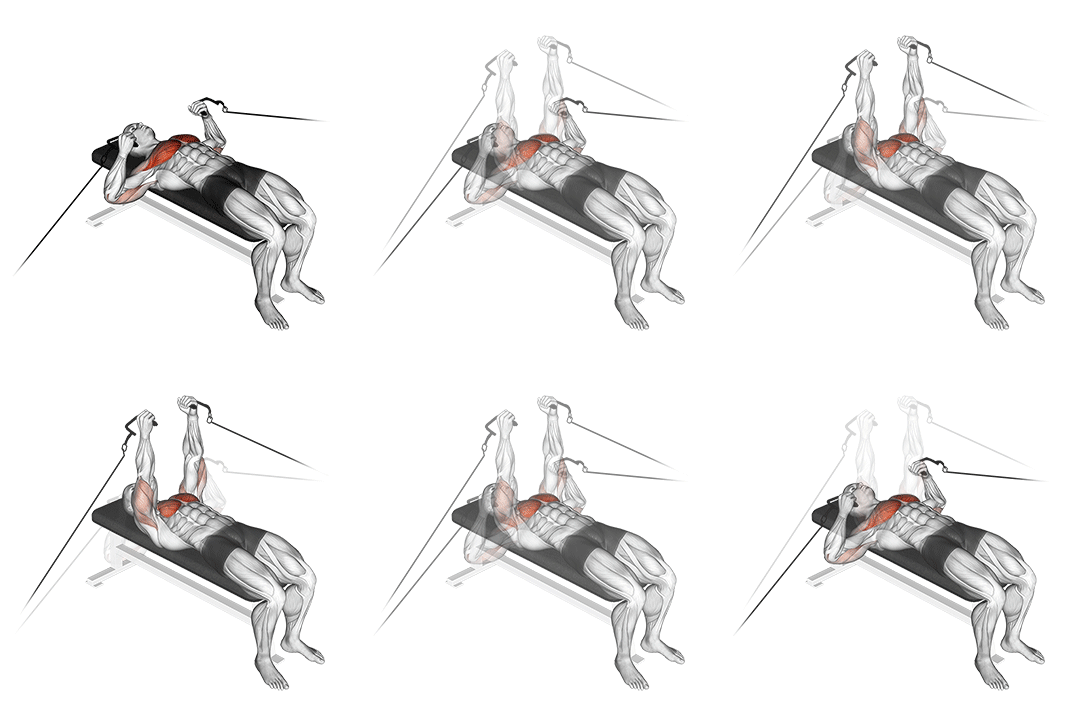
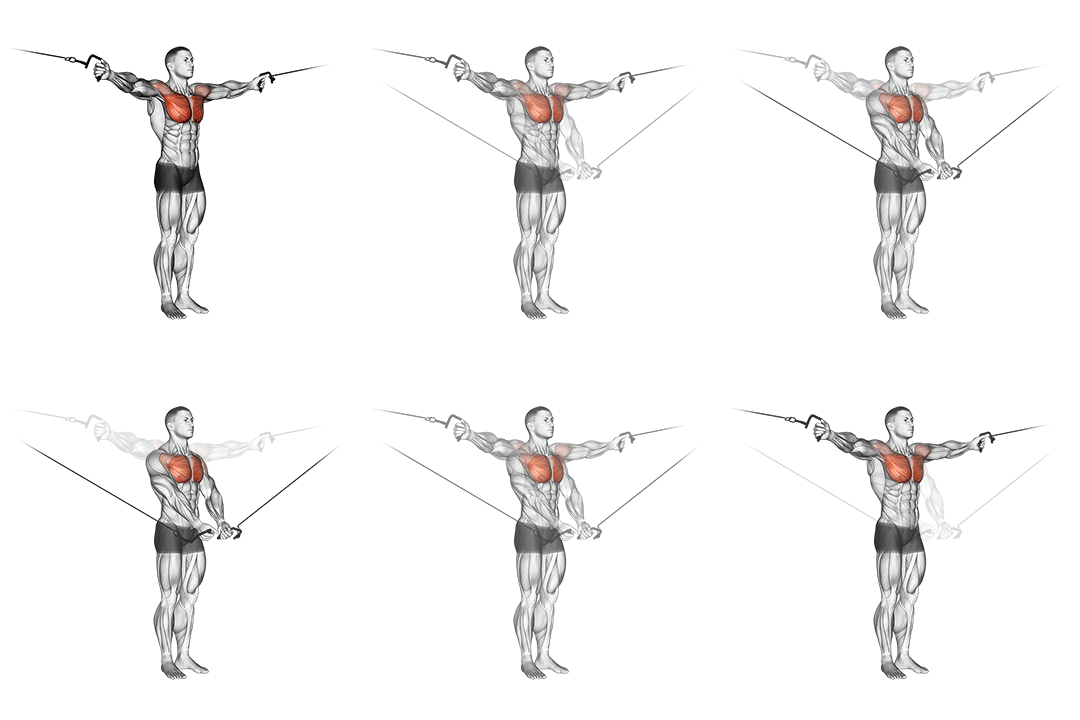
More comparisons with Cable Decline One Arm Press
Compare More Exercises
Use our free comparison tool to analyze any two exercises head-to-head.
Compare Exercises