

Cable Decline Press vs Incline Cable Flye: Complete Comparison Guide
Cable Decline Press vs Incline Cable Flye — two cable-based chest moves that pull the pecs at different angles and demand different skills. If you want clearer lower‑chest thickness or precise upper‑pectoral shaping, this comparison breaks it down for you. You’ll get biomechanics (fiber orientation, force vectors), concrete technique cues (bench angles, hand path, tempo), programming suggestions (rep ranges and progression), and clear winner scenarios so you can pick the right move for your goal.
Exercise Comparison
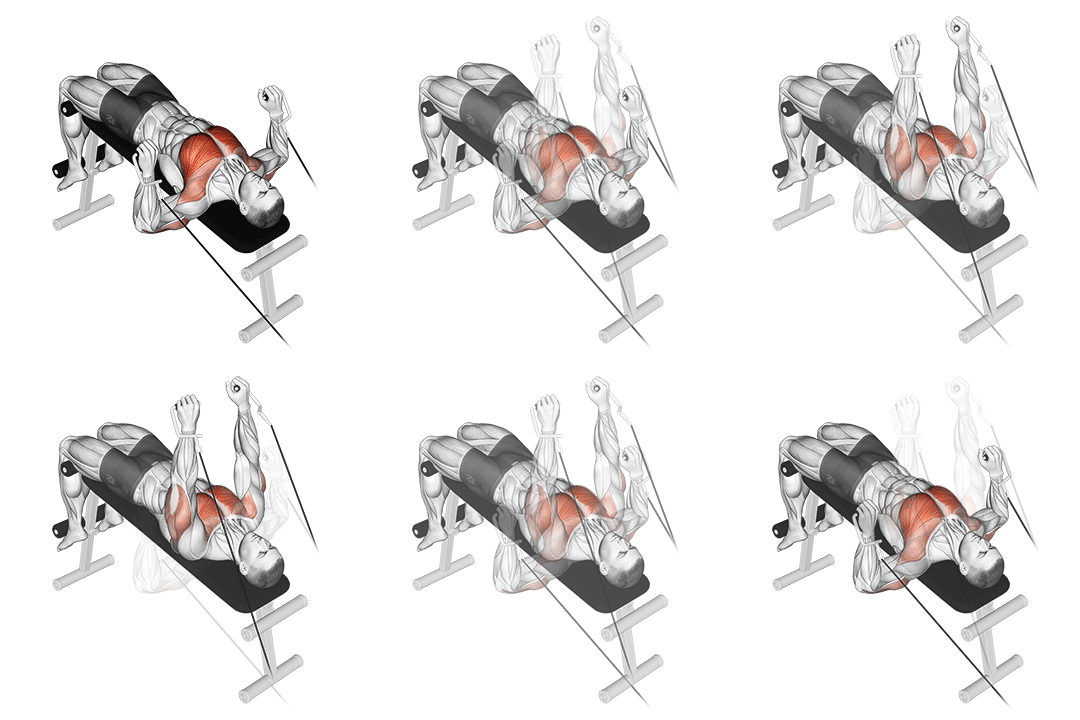
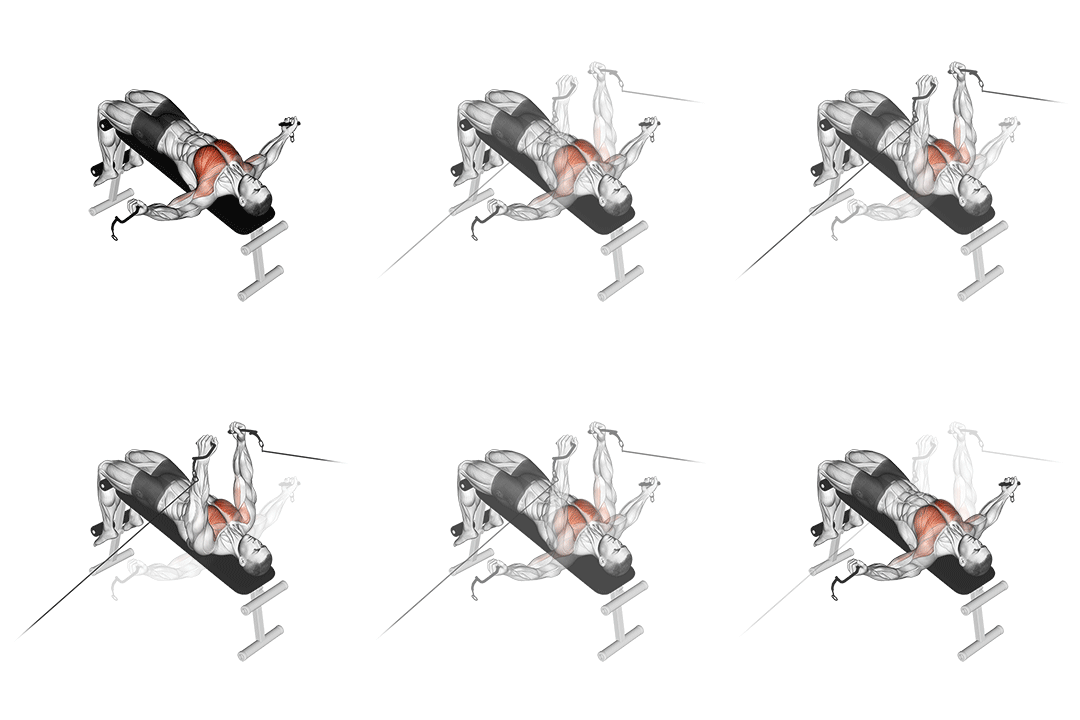
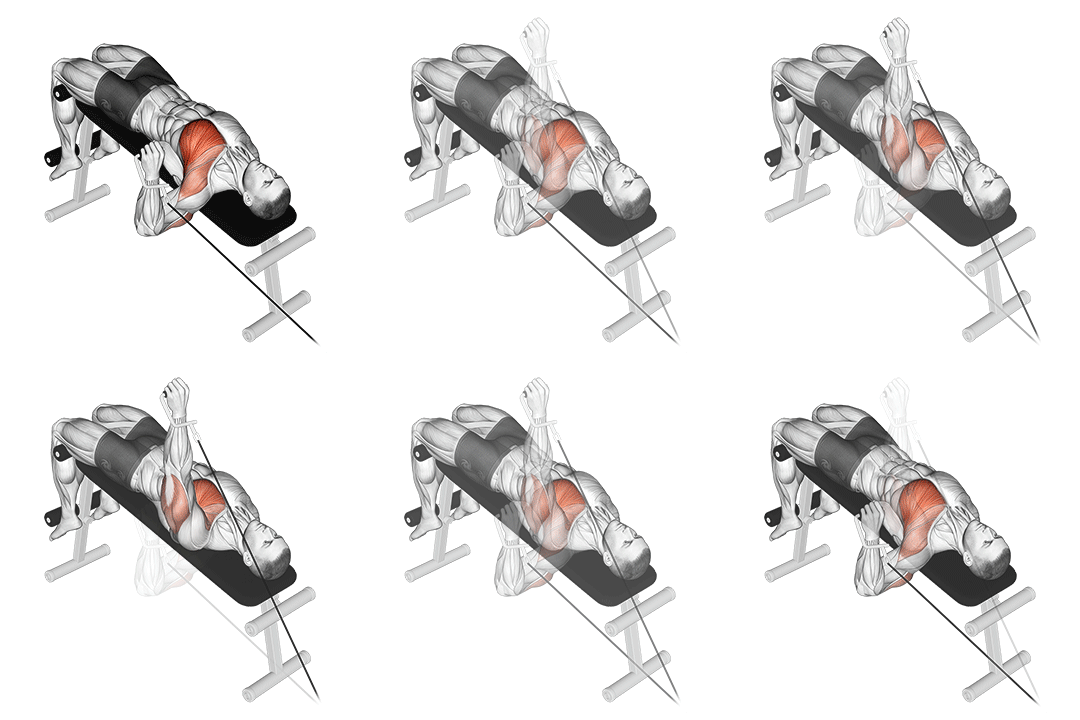
Cable Decline Press
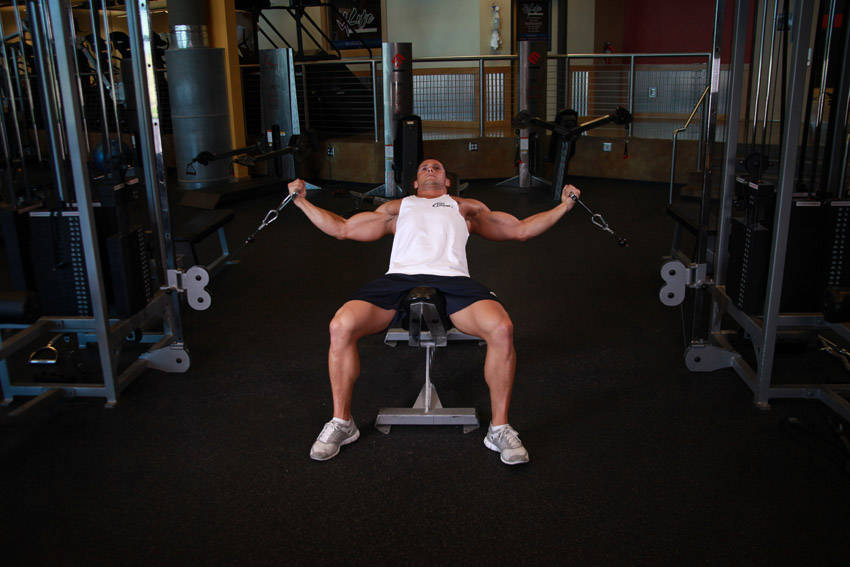
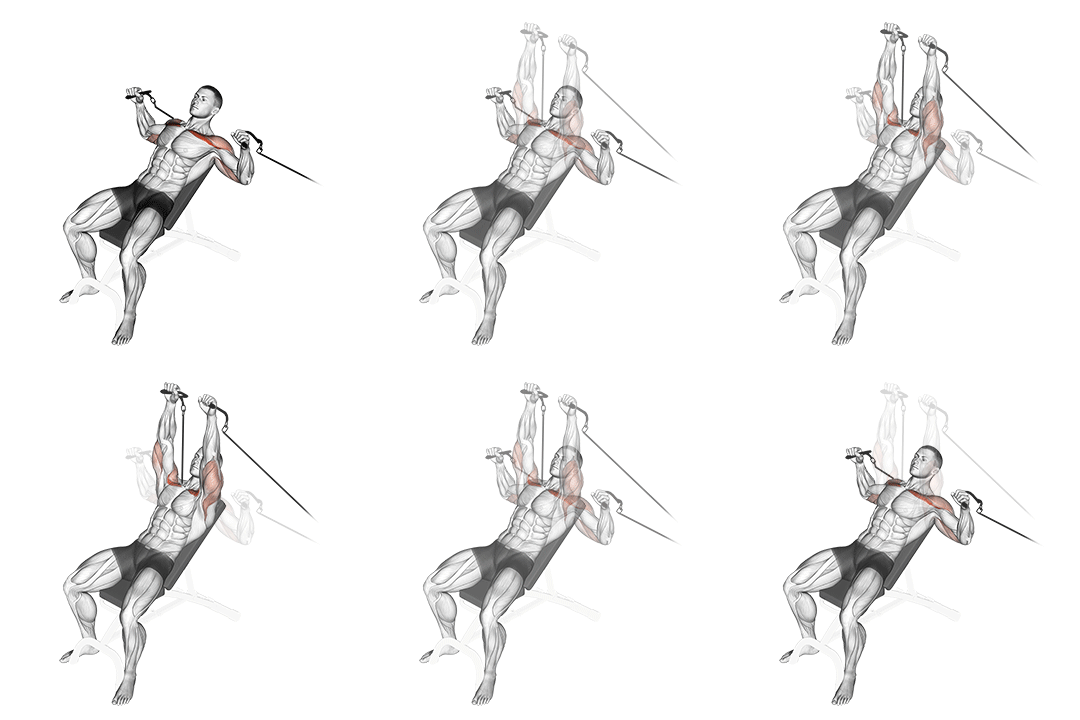
Incline Cable Flye
Head-to-Head Comparison
| Attribute | Cable Decline Press | Incline Cable Flye |
|---|---|---|
| Target Muscle |
Pectorals
|
Pectorals
|
| Body Part |
Chest
|
Chest
|
| Equipment |
Cable
|
Cable
|
| Difficulty |
Intermediate
|
Beginner
|
| Movement Type |
Compound
|
Isolation
|
| Secondary Muscles |
2
|
1
|
Secondary Muscles Activated
Cable Decline Press
Incline Cable Flye
Visual Comparison
Overview
Cable Decline Press vs Incline Cable Flye — two cable-based chest moves that pull the pecs at different angles and demand different skills. If you want clearer lower‑chest thickness or precise upper‑pectoral shaping, this comparison breaks it down for you. You’ll get biomechanics (fiber orientation, force vectors), concrete technique cues (bench angles, hand path, tempo), programming suggestions (rep ranges and progression), and clear winner scenarios so you can pick the right move for your goal.
Key Differences
- Cable Decline Press is a compound movement, while Incline Cable Flye is an isolation exercise.
- Difficulty levels differ: Cable Decline Press is intermediate, while Incline Cable Flye is beginner.
- Both exercises target the Pectorals using Cable. The main differences are in their movement patterns and muscle activation angles.
Pros & Cons
Cable Decline Press
+ Pros
- Stronger overload potential for building overall chest thickness and strength
- Greater triceps and anterior deltoid recruitment for compound development
- Shorter ROM reduces extreme stretch risk while enabling heavier loads
- Good for emphasizing lower‑pectoral fibers via a -15° to -30° decline
− Cons
- Requires decline bench setup and stable positioning
- Higher technical demand and greater shoulder compression under load
- Less isolation of upper chest or targeted clavicular head
Incline Cable Flye
+ Pros
- Excellent isolation of the pectorals and clavicular head when set 30°–45°
- Lower absolute loads make it beginner‑friendly and joint‑friendly
- Easier to replicate with bands or a single pulley for home use
- Longer time under tension for eccentric control and hypertrophy stimulus
− Cons
- Limited heavy loading for maximal strength adaptations
- Can overstretch the pec at end range if technique or load is poor
- Less triceps involvement reduces carryover to pressing strength
When Each Exercise Wins
The decline press allows heavier loading and higher mechanical tension on the chest, which drives cross‑sectional muscle growth; program 6–12 reps with controlled tempo and include flye variations for added time under tension.
As a compound press, it permits progressive overload with heavier absolute loads and trains multi‑joint force production needed for pressing strength; use 4–6 rep blocks and longer rest (2–3 minutes).
A simpler single‑joint pattern with lower loads and easier motor control helps you build mind‑muscle connection and scapular stability before progressing to compound decline presses.
You can mimic the incline flye with resistance bands and a bench or angled surface; it requires less heavy equipment and is safer for high‑rep hypertrophy work at home.
Frequently Asked Questions
Can I do both Cable Decline Press and Incline Cable Flye in the same workout?
Yes — pair them effectively by doing the decline press first as your heavy compound (3–5 sets of 4–8 or 6–12) and follow with 2–4 sets of incline cable flyes for 8–15 reps to emphasize the upper chest and increase time under tension.
Which exercise is better for beginners?
Incline Cable Flye is better for beginners because it uses lower loads, simpler single‑joint mechanics, and helps you develop shoulder stability and pec activation before moving to heavier compound presses.
How do the muscle activation patterns differ?
Decline pressing produces higher peak force with more triceps and anterior deltoid recruitment due to a pressing vector; incline flyes increase transverse adduction and eccentric stretch on the clavicular fibers, producing longer time‑under‑tension but lower peak external load.
Can Incline Cable Flye replace Cable Decline Press?
Not completely — flyes can replace decline presses when equipment or loading is limited, but for maximal strength and overall chest thickness the compound decline press is superior due to greater overload capacity and multi‑joint recruitment.
Expert Verdict
Use Cable Decline Press when you want heavy mechanical tension and lower‑pectoral emphasis — set the decline to roughly -15° to -30°, press with a controlled 2:1 tempo (2s eccentric, 1s concentric) for 4–12 reps depending on strength or hypertrophy blocks. Choose Incline Cable Flye when your goal is targeted upper‑chest shaping, safer isolation, or beginner training; set incline 30°–45°, focus on transverse adduction and a long eccentric (3s) for 8–15 reps. Combine them across a training week — press for load and progression, flyes for fiber‑specific time under tension and upper‑pec detail.
Also Compare
More comparisons with Cable Decline Press
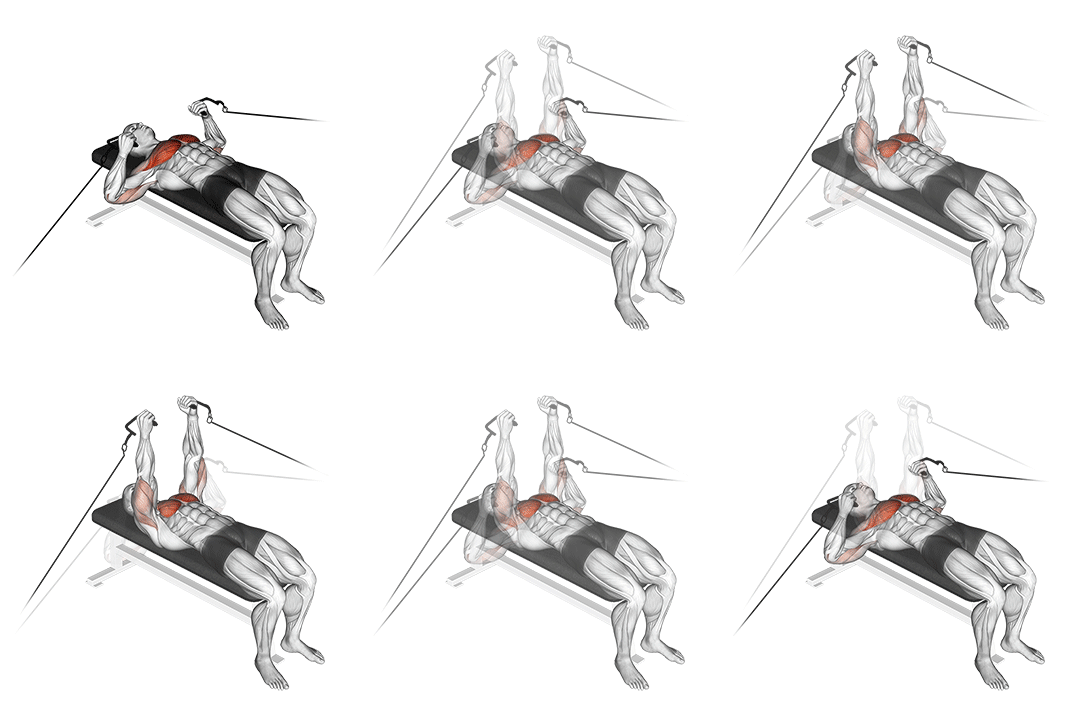
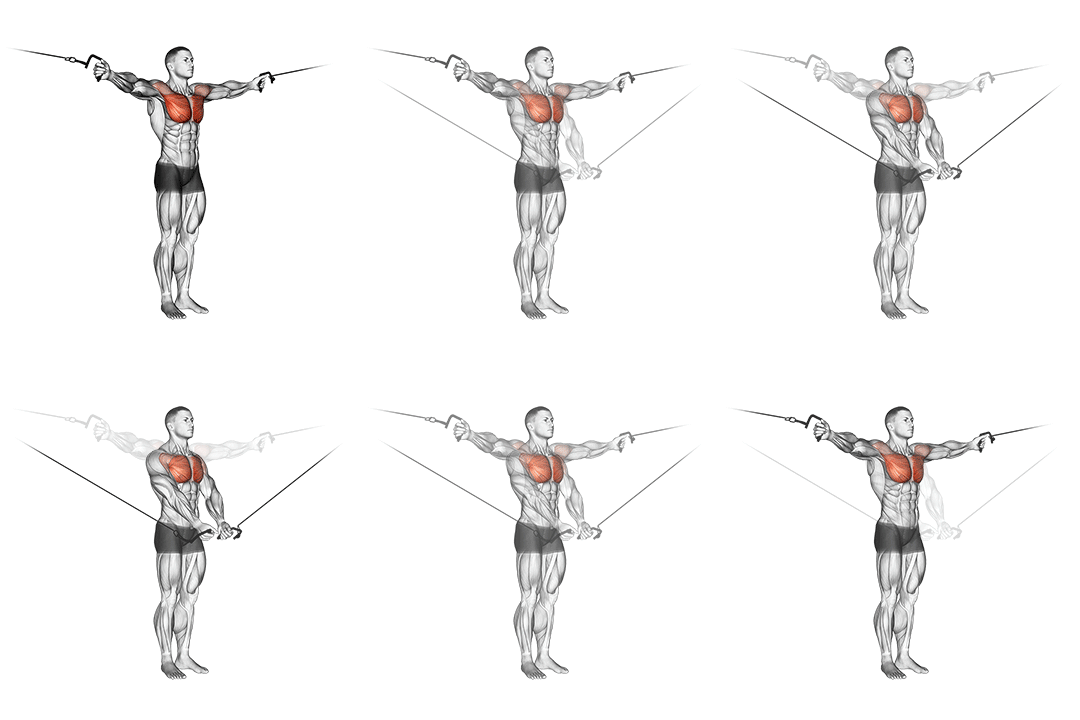
Compare More Exercises
Use our free comparison tool to analyze any two exercises head-to-head.
Compare Exercises