

Cable Decline Seated Wide-grip Row vs Close-Grip Front Lat Pulldown: Complete Comparison Guide
Cable Decline Seated Wide-grip Row vs Close-Grip Front Lat Pulldown — two staple cable moves that both target the lats but load the back differently. If you want clear guidance on which to prioritize, you’re in the right place. I’ll walk you through muscle activation, movement mechanics (force vectors and length-tension), equipment needs, progression paths, technique cues, and injury risks so you can pick the exercise that matches your goals and training setting.
Exercise Comparison
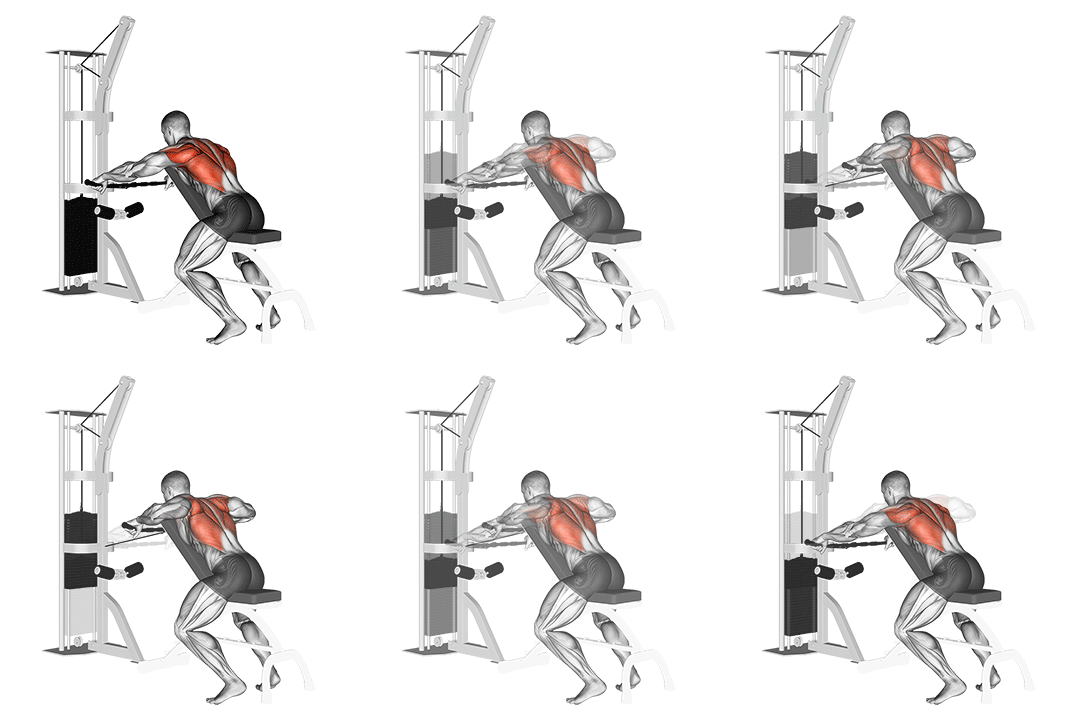
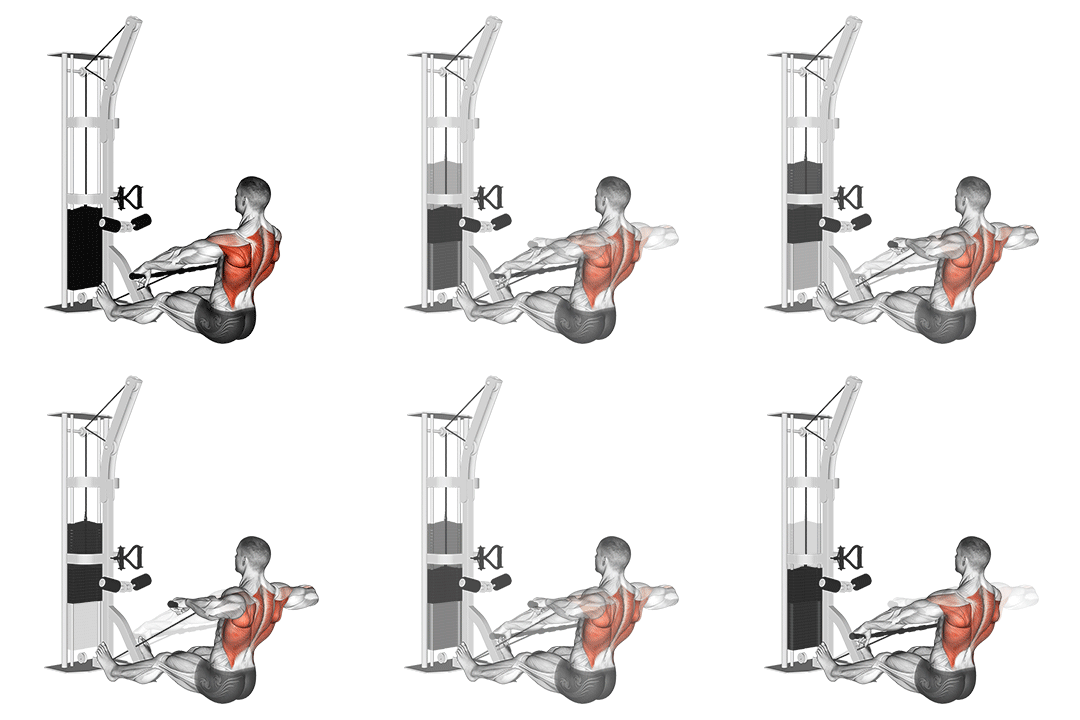
Cable Decline Seated Wide-grip Row
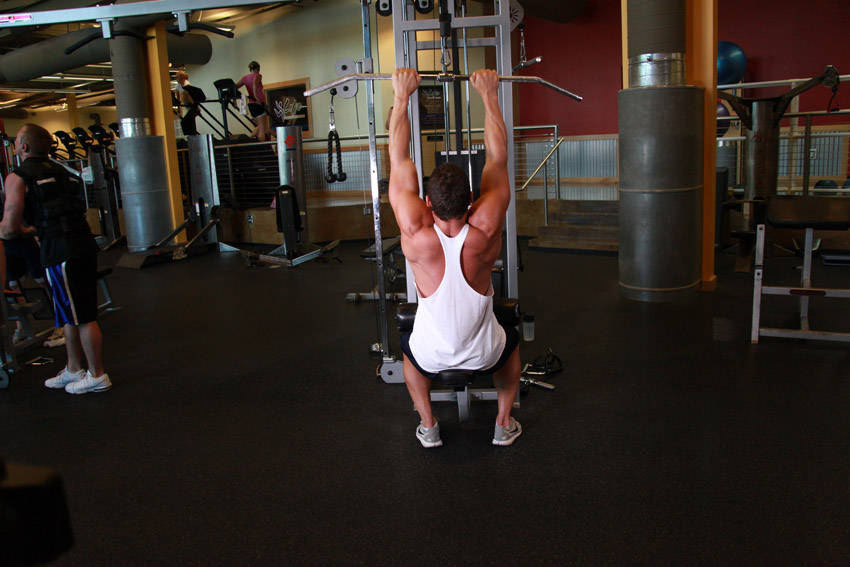
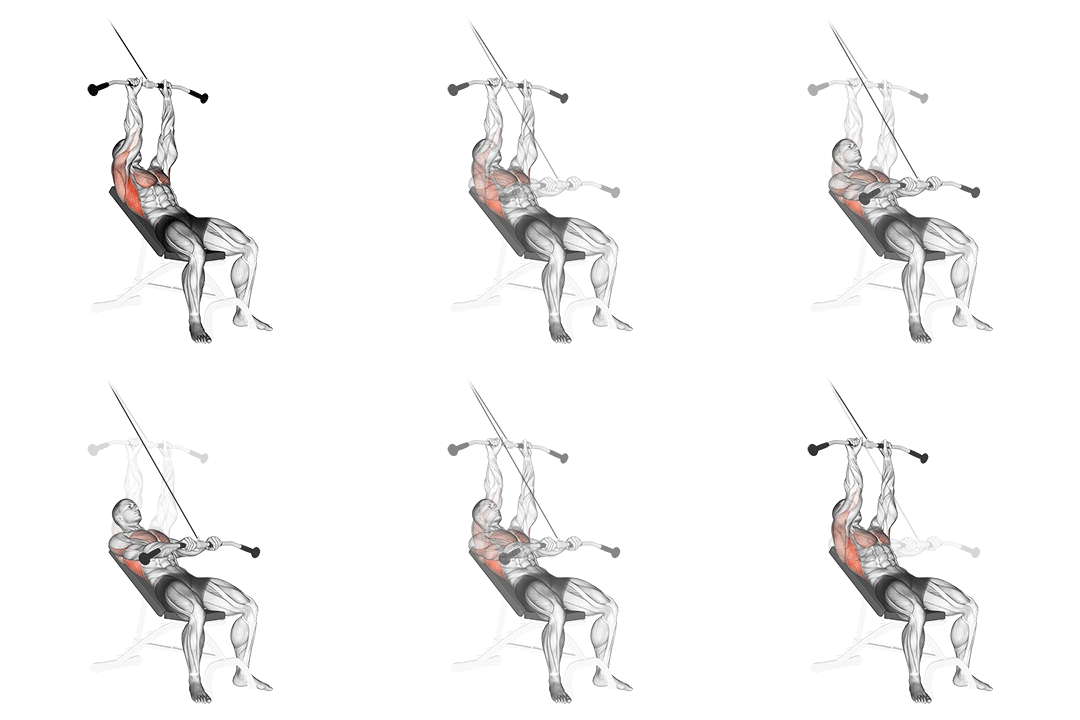
Close-grip Front Lat Pulldown
Head-to-Head Comparison
| Attribute | Cable Decline Seated Wide-grip Row | Close-grip Front Lat Pulldown |
|---|---|---|
| Target Muscle |
Lats
|
Lats
|
| Body Part |
Back
|
Back
|
| Equipment |
Cable
|
Cable
|
| Difficulty |
Intermediate
|
Intermediate
|
| Movement Type |
Compound
|
Compound
|
| Secondary Muscles |
2
|
3
|
Secondary Muscles Activated
Cable Decline Seated Wide-grip Row
Close-grip Front Lat Pulldown
Visual Comparison
Overview
Cable Decline Seated Wide-grip Row vs Close-Grip Front Lat Pulldown — two staple cable moves that both target the lats but load the back differently. If you want clear guidance on which to prioritize, you’re in the right place. I’ll walk you through muscle activation, movement mechanics (force vectors and length-tension), equipment needs, progression paths, technique cues, and injury risks so you can pick the exercise that matches your goals and training setting.
Key Differences
- Both exercises target the Lats using Cable. The main differences are in their movement patterns and muscle activation angles.
Pros & Cons
Cable Decline Seated Wide-grip Row
+ Pros
- Loads lats at longer muscle lengths for stronger stretch-mediated tension and hypertrophy.
- Easier to implement unilateral or staggered variations for asymmetry correction.
- Allows heavier horizontal force application and precise scapular retraction training.
- Multiple angle adjustments (seat/torso) to target different lat fibers.
− Cons
- Requires more setup (bench/seat angle) and cable station space.
- Higher technical demand—needs solid core stability and scapular control.
- Greater risk of lumbar rounding if you chase load without bracing.
Close-grip Front Lat Pulldown
+ Pros
- Quick, simple setup on standard lat towers — beginner friendly.
- Consistent vertical force vector that emphasizes width and lower-lat activation.
- Thigh pads provide stability so you can focus on the pull pattern.
- Lower spinal load compared with some rowing variations.
− Cons
- Less scope for unilateral variations and certain tempo manipulations.
- Can over-recruit biceps and traps if form breaks down (elbow flare or torso lean).
- Machine geometry can limit range of motion for taller or shorter lifters.
When Each Exercise Wins
The row loads the lats at longer lengths and allows stronger mechanical tension via horizontal pulling and heavier loading options; use 6–12 reps with 2–3 second negatives to exploit stretch-mediated hypertrophy.
Rows let you apply higher external loads and train force production in a horizontal plane while reinforcing scapular retraction and spinal stability—key for heavier pulling strength.
Pulldowns are simpler to teach and perform: stable seat, fixed path, and clear thigh bracing reduce compensations so you can learn lat-driven shoulder extension safely.
A similar horizontal pull is easy to recreate with resistance bands anchored low or a single cable pulley and a bench, making the row more replicable at home than a tall lat tower.
Frequently Asked Questions
Can I do both Cable Decline Seated Wide-grip Row and Close-Grip Front Lat Pulldown in the same workout?
Yes — pairing them back-to-back or in the same session provides complementary force vectors (horizontal then vertical). Keep volume sensible (total 8–12 sets for lats that day) and vary rep ranges to avoid excessive fatigue.
Which exercise is better for beginners?
Close-Grip Front Lat Pulldown is better for beginners because it stabilizes the torso with thigh pads and enforces a simpler vertical pull pattern, reducing compensations while teaching lat engagement.
How do the muscle activation patterns differ?
Rows emphasize scapular retraction and load lats at longer lengths (more stretch), while pulldowns emphasize shoulder extension and scapular depression with stronger top-range contraction; both hit lats but with different length-tension and force-vector profiles.
Can Close-Grip Front Lat Pulldown replace Cable Decline Seated Wide-grip Row?
Pulldowns can substitute when row equipment or skill is limited, but they won’t fully replicate the horizontal pull’s stretch and scapular retraction demands—use both across training cycles for balanced lat development.
Expert Verdict
Both movements deserve a spot in a well-rounded back program, but choose based on your goal and context. Prioritize Cable Decline Seated Wide-grip Row when you want thicker lats, stronger horizontal pulling mechanics, and more progression levers—train it 2–4 sets of 6–12 reps with controlled tempo and full scapular retraction. Use Close-Grip Front Lat Pulldown when you need an accessible, lower-risk option to build width and practice vertical shoulder extension—2–4 sets of 8–15 reps focusing on a tall chest and elbow drive. Rotate them across cycles to exploit different force vectors and length-tension benefits.
Also Compare
More comparisons with Cable Decline Seated Wide-grip Row
More comparisons with Close-grip Front Lat Pulldown
Compare More Exercises
Use our free comparison tool to analyze any two exercises head-to-head.
Compare Exercises