

Cable Front Shoulder Raise vs Face Pull: Complete Comparison Guide
Cable Front Shoulder Raise vs Face Pull — if you want stronger, better-shaped shoulders you should know how these two cable exercises differ. You’ll get a clear breakdown of which deltoid heads each move targets, how the force vectors and scapular mechanics change activation, and specific technique cues to maximize muscle growth and reduce injury risk. I’ll cover equipment needs, learning curve, rep ranges (8–15 for hypertrophy; 12–20 for endurance), and practical programming tips so you can pick the right move for your goals and slot it into your workouts with confidence.
Exercise Comparison
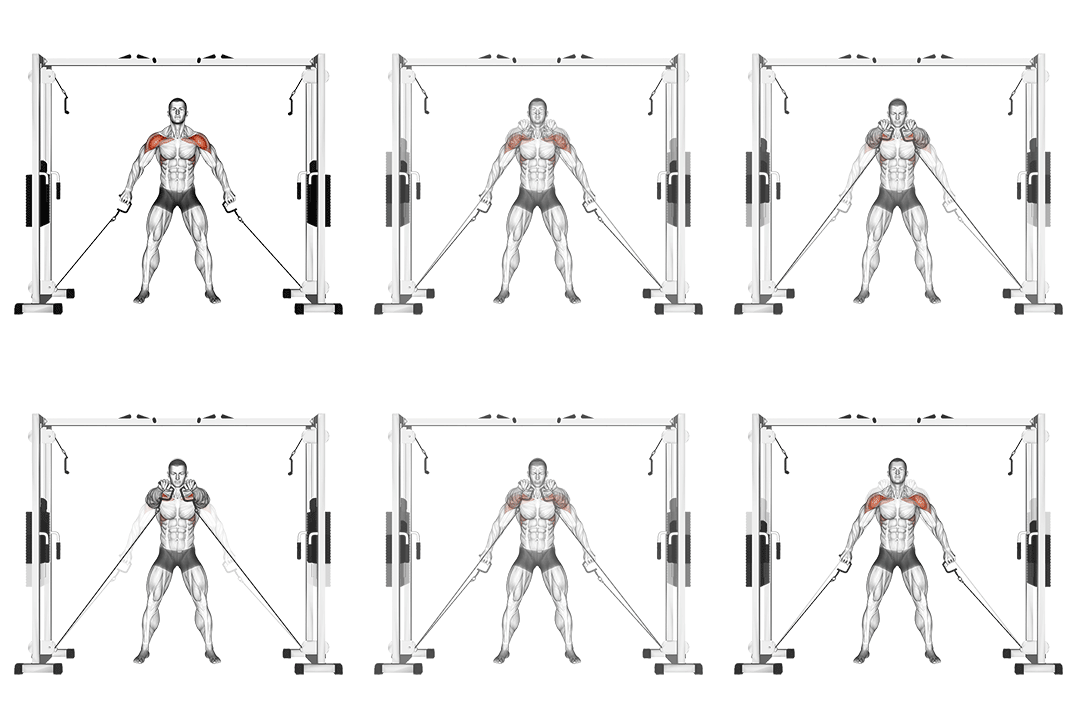
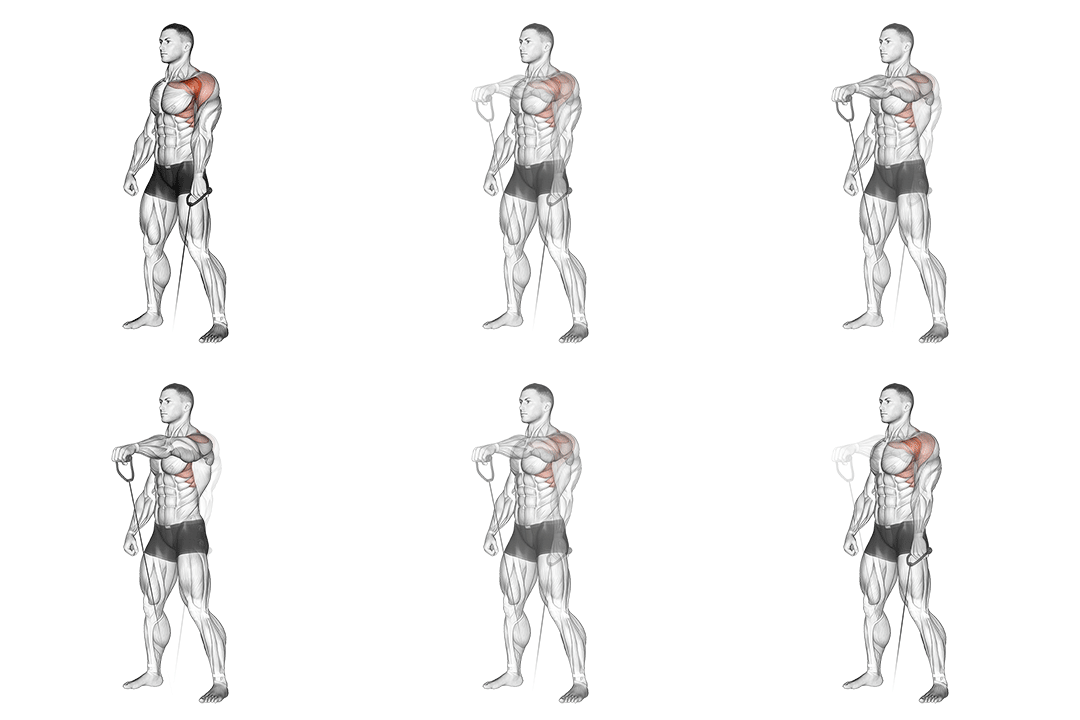
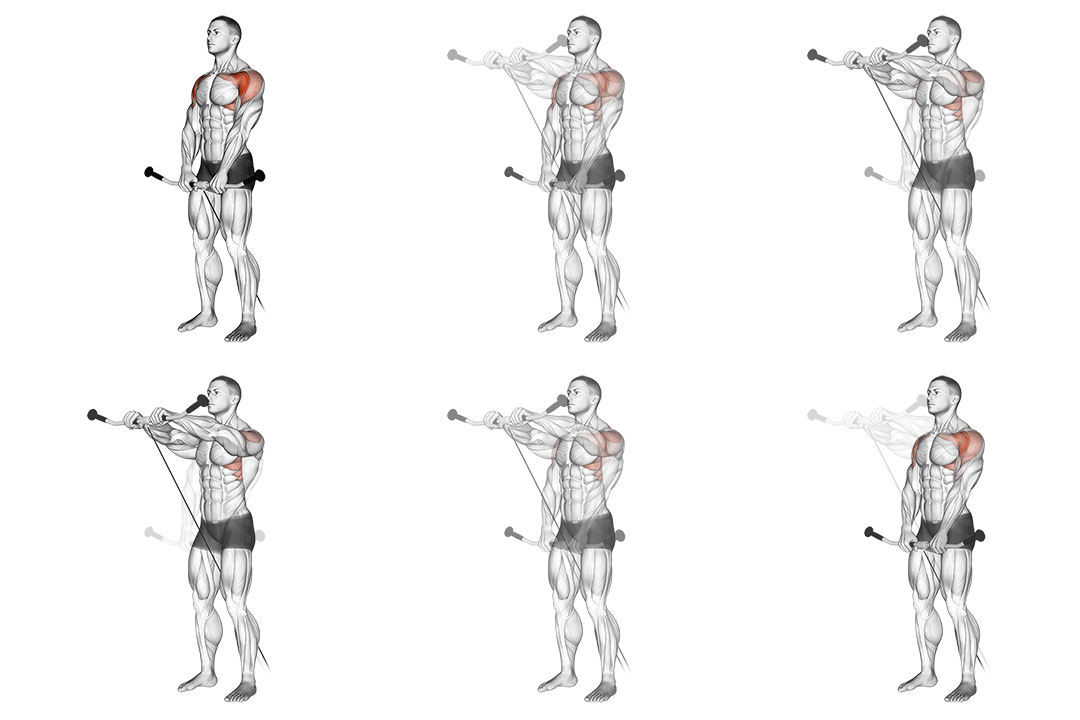
Cable Front Shoulder Raise
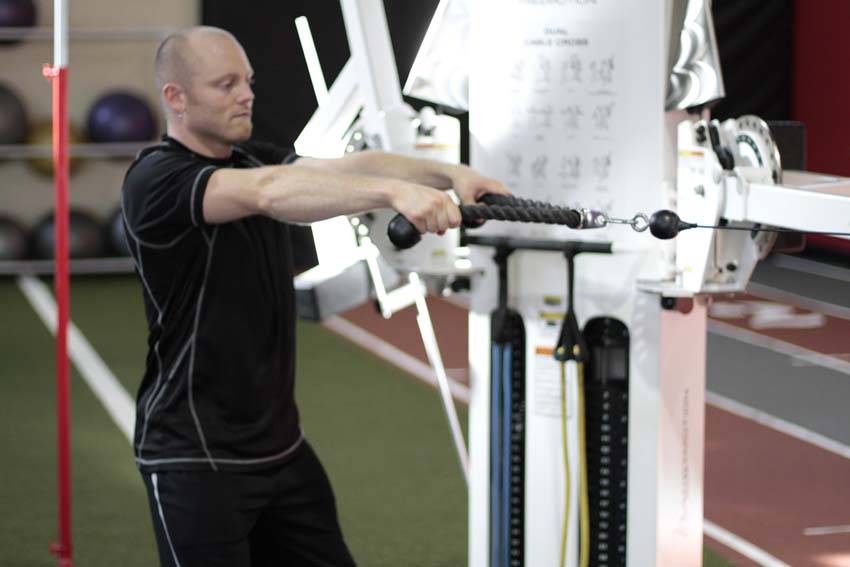
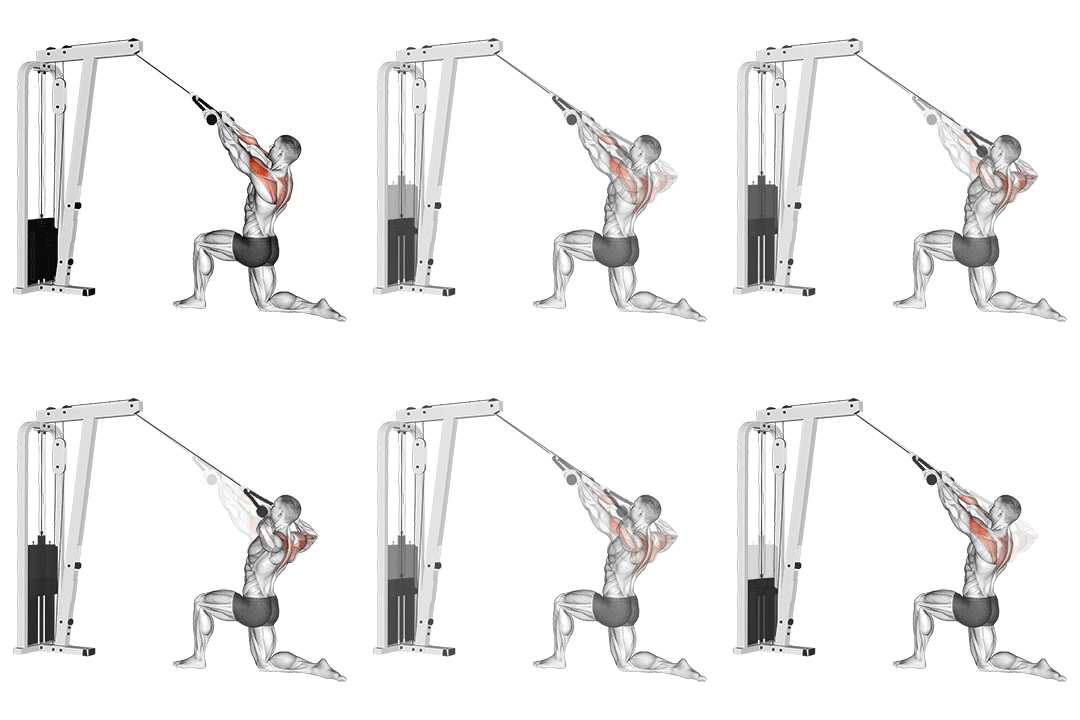
Face Pull
Head-to-Head Comparison
| Attribute | Cable Front Shoulder Raise | Face Pull |
|---|---|---|
| Target Muscle |
Delts
|
Delts
|
| Body Part |
Shoulders
|
Shoulders
|
| Equipment |
Cable
|
Cable
|
| Difficulty |
Beginner
|
Intermediate
|
| Movement Type |
Isolation
|
Compound
|
| Secondary Muscles |
2
|
1
|
Secondary Muscles Activated
Cable Front Shoulder Raise
Face Pull
Visual Comparison
Overview
Cable Front Shoulder Raise vs Face Pull — if you want stronger, better-shaped shoulders you should know how these two cable exercises differ. You’ll get a clear breakdown of which deltoid heads each move targets, how the force vectors and scapular mechanics change activation, and specific technique cues to maximize muscle growth and reduce injury risk. I’ll cover equipment needs, learning curve, rep ranges (8–15 for hypertrophy; 12–20 for endurance), and practical programming tips so you can pick the right move for your goals and slot it into your workouts with confidence.
Key Differences
- Cable Front Shoulder Raise is an isolation exercise, while Face Pull is a compound movement.
- Difficulty levels differ: Cable Front Shoulder Raise is beginner, while Face Pull is intermediate.
- Both exercises target the Delts using Cable. The main differences are in their movement patterns and muscle activation angles.
Pros & Cons
Cable Front Shoulder Raise
+ Pros
- Direct anterior deltoid isolation for targeted muscle growth
- Simple setup and easy to teach to beginners
- Clear sagittal-plane force vector—easy to feel and load
- Can be done unilaterally to fix side-to-side imbalances
− Cons
- Limited posterior chain or scapular strengthening
- Torque at 90° can load the joint and limit load increases
- Easy to cheat with momentum or shoulder shrugging
Face Pull
+ Pros
- Strong posterior deltoid and upper-back recruitment improves posture
- Builds external rotator strength and scapular control
- Versatile: tempo, pause, and band variations available
- Reduces shoulder injury risk when programmed correctly
− Cons
- Requires more technical skill and a rope/high pulley
- Harder to load very heavy without losing form
- Poor setup or too much weight shifts load to traps instead of rear delts
When Each Exercise Wins
For focused anterior deltoid hypertrophy the front raise lets you isolate the target with consistent tension in the 8–15 rep range. Use slow eccentrics (2–3 seconds) and controlled pauses to maximize time under tension on the anterior head.
Face Pulls develop the posterior deltoid, scapular retractors, and rotator cuff which transfer to stronger overhead pressing and horizontal pulling. Progress through heavier sets of 6–12 with strict scapular retraction to build functional strength.
The front raise is easier to learn—stand tall, keep a 10°–20° elbow bend, and lift to eye level. It teaches shoulder flexion mechanics without the multi-plane coordination face pulls require.
You can replicate the front raise with dumbbells or resistance bands if you lack a cable machine, whereas a true face pull needs a high anchor and rope to hit the same external rotation and transverse-plane load.
Frequently Asked Questions
Can I do both Cable Front Shoulder Raise and Face Pull in the same workout?
Yes. Pairing them in the same session balances anterior and posterior shoulder development—start with face pulls to reinforce scapular control, then finish with front raises for isolation. Keep total volume sensible (6–12 sets combined) and use lighter loads if doing both same day.
Which exercise is better for beginners?
The Cable Front Shoulder Raise is generally better for beginners because it's a single-plane isolation movement with an easy setup. Face pulls are valuable but require more motor control for safe, effective scapular retraction and external rotation.
How do the muscle activation patterns differ?
Front raises concentrate concentric work in shoulder flexion, peaking anterior deltoid tension around 60°–90° of elevation. Face pulls load horizontal abduction and external rotation, maximizing posterior deltoid, middle trapezius, and rotator cuff activation when the upper arm reaches ~90° of transverse abduction.
Can Face Pull replace Cable Front Shoulder Raise?
Face Pulls cannot fully replace front raises if your primary goal is anterior deltoid hypertrophy because their force vector targets the rear and lateral heads. For balanced shoulder development, include both or prioritize the one that matches your goal: face pulls for posture/health, front raises for targeted anterior growth.
Expert Verdict
Use Cable Front Shoulder Raises when your goal is to prioritize anterior deltoid hypertrophy, correct unilateral imbalances, or add simple isolation work at the end of a session—perform 3–4 sets of 8–15 reps with a slight elbow bend and controlled eccentrics. Use Face Pulls when you want to build posterior delts, improve scapular mechanics, and protect the shoulder joint—program 3–4 sets of 10–20 reps focusing on scapular retraction and external rotation. If you can only pick one, choose based on your weak link: pick front raises for front-dominant aesthetic work and face pulls for shoulder health and pressing performance.
Also Compare
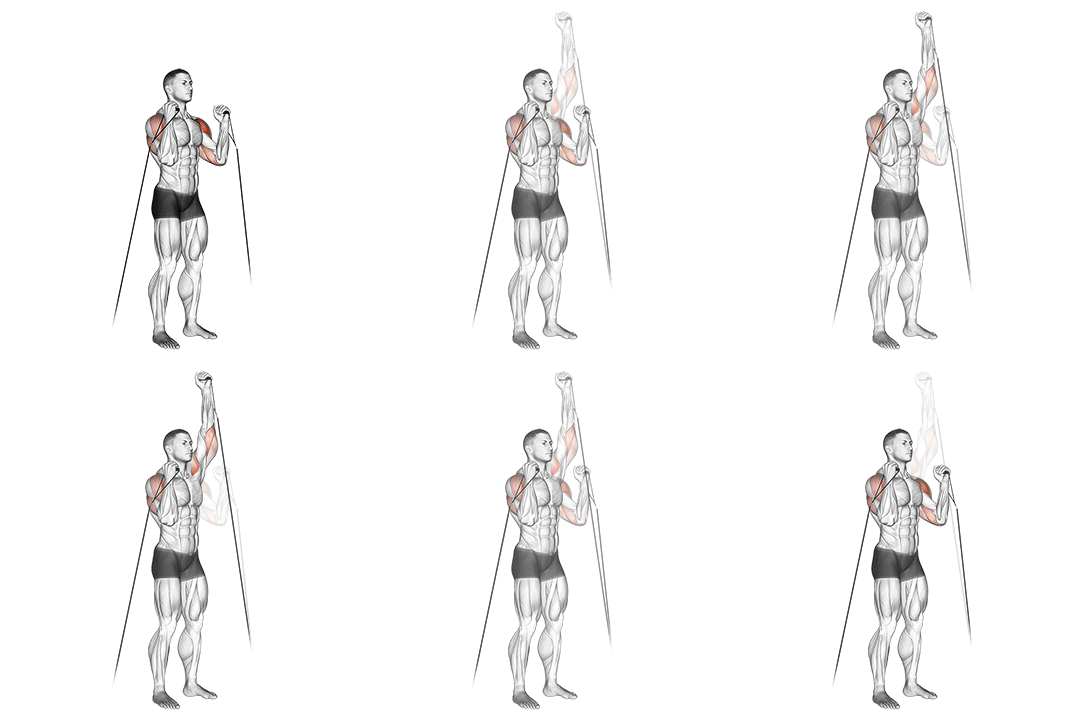
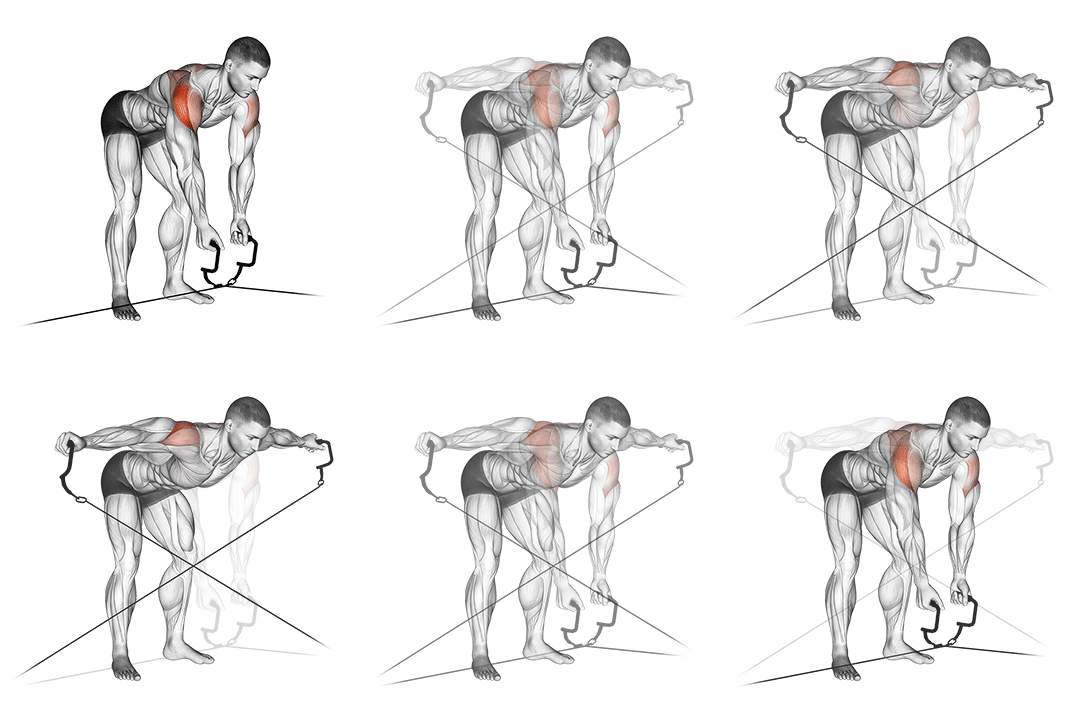
More comparisons with Cable Front Shoulder Raise
Compare More Exercises
Use our free comparison tool to analyze any two exercises head-to-head.
Compare Exercises