

Cable One Arm Fly On Exercise Ball vs Dumbbell One Arm Chest Fly On Exercise Ball: Complete Comparis
Cable One Arm Fly On Exercise Ball vs Dumbbell One Arm Chest Fly On Exercise Ball — two single-arm isolation moves that put your chest under unilateral load while demanding core stability. You’ll learn how each exercise stresses the pectorals, how cable tension vs gravity changes force vectors, what secondary muscles light up, and which is safer or more productive for your goals. Read on for technique cues, biomechanics-based recommendations, rep ranges for hypertrophy and strength, and clear scenarios showing when to pick the cable or the dumbbell variation.
Exercise Comparison
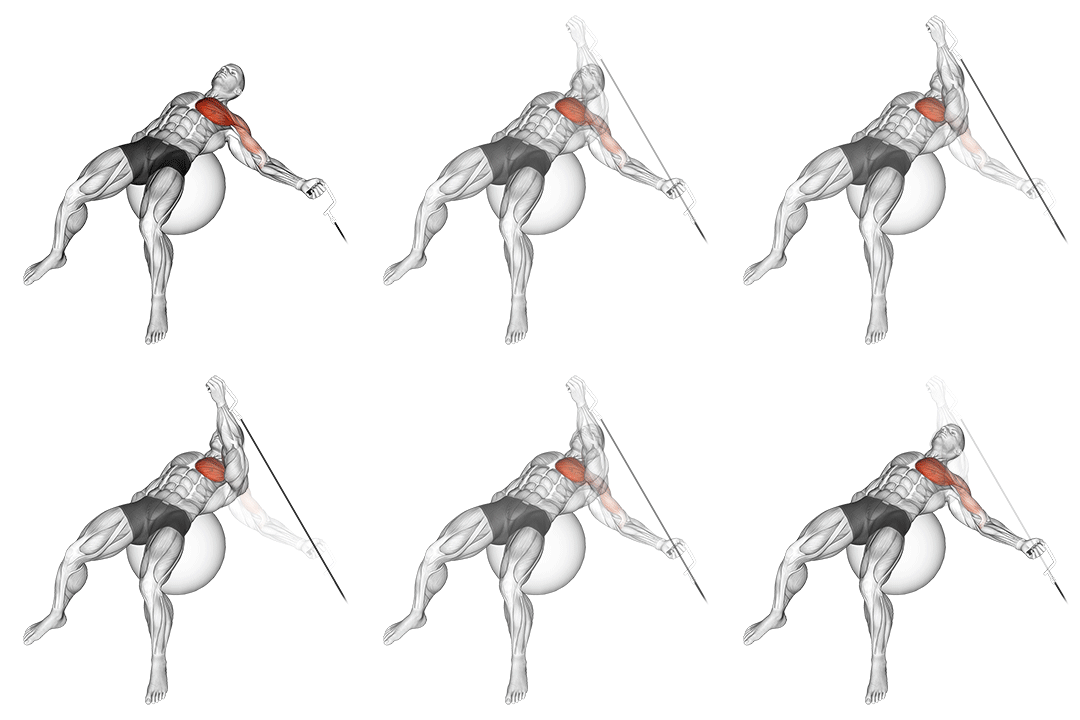
Cable One Arm Fly On Exercise Ball
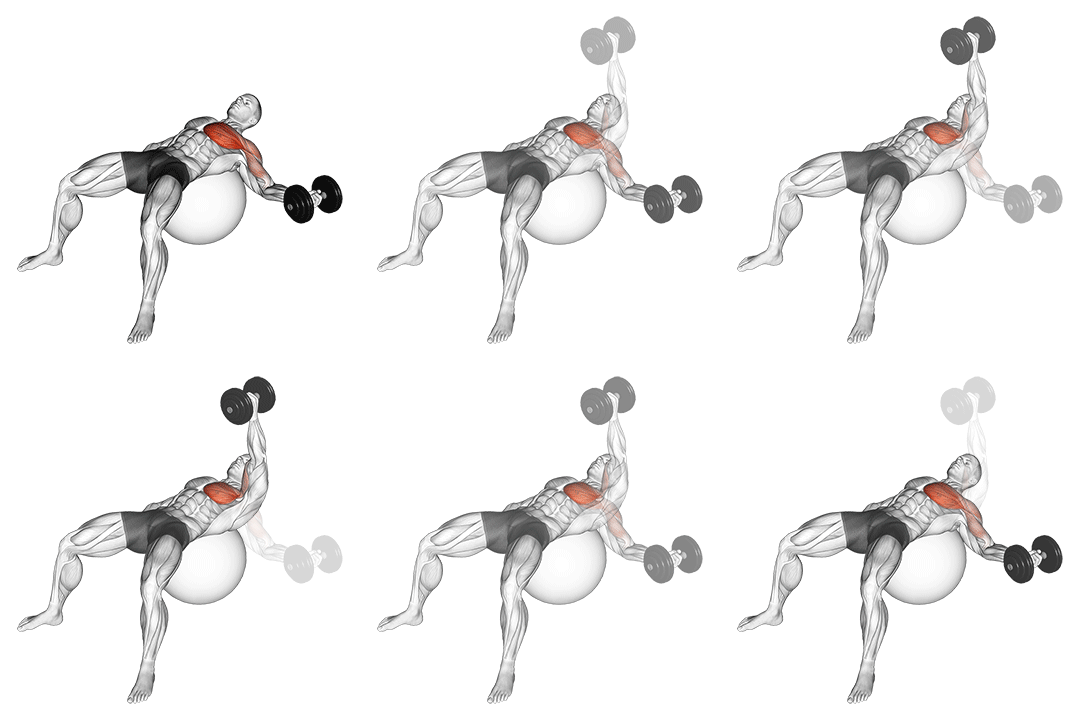
Dumbbell One Arm Chest Fly On Exercise Ball
Head-to-Head Comparison
| Attribute | Cable One Arm Fly On Exercise Ball | Dumbbell One Arm Chest Fly On Exercise Ball |
|---|---|---|
| Target Muscle |
Pectorals
|
Pectorals
|
| Body Part |
Chest
|
Chest
|
| Equipment |
Stability-ball
|
Stability-ball
|
| Difficulty |
Intermediate
|
Advanced
|
| Movement Type |
Isolation
|
Isolation
|
| Secondary Muscles |
2
|
2
|
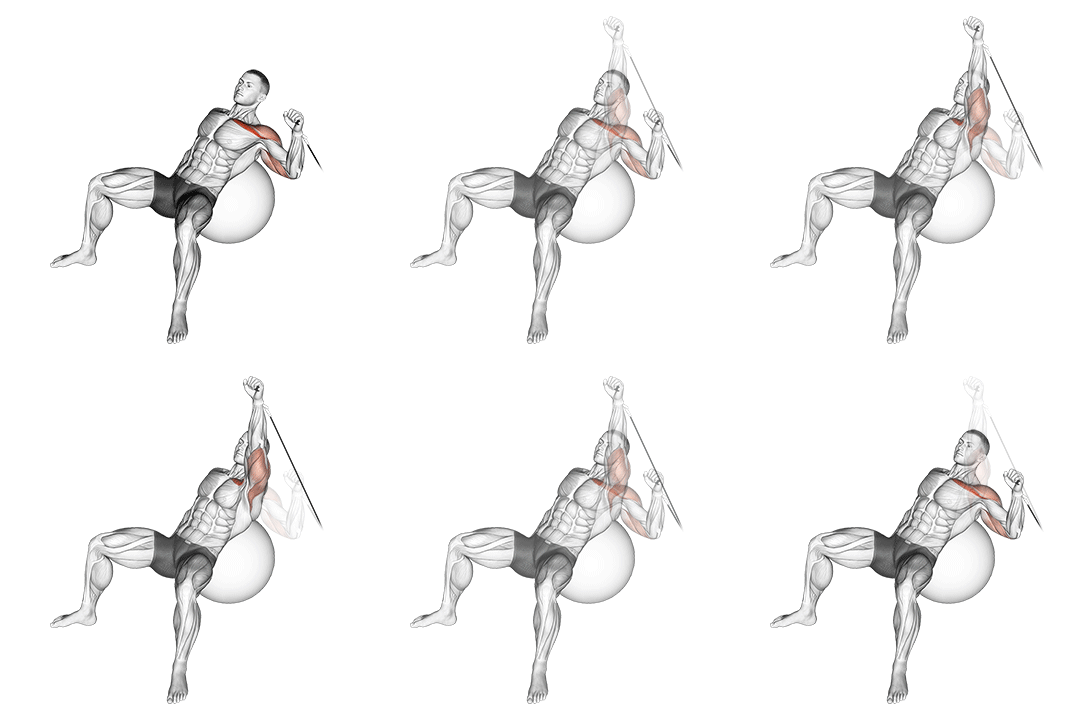
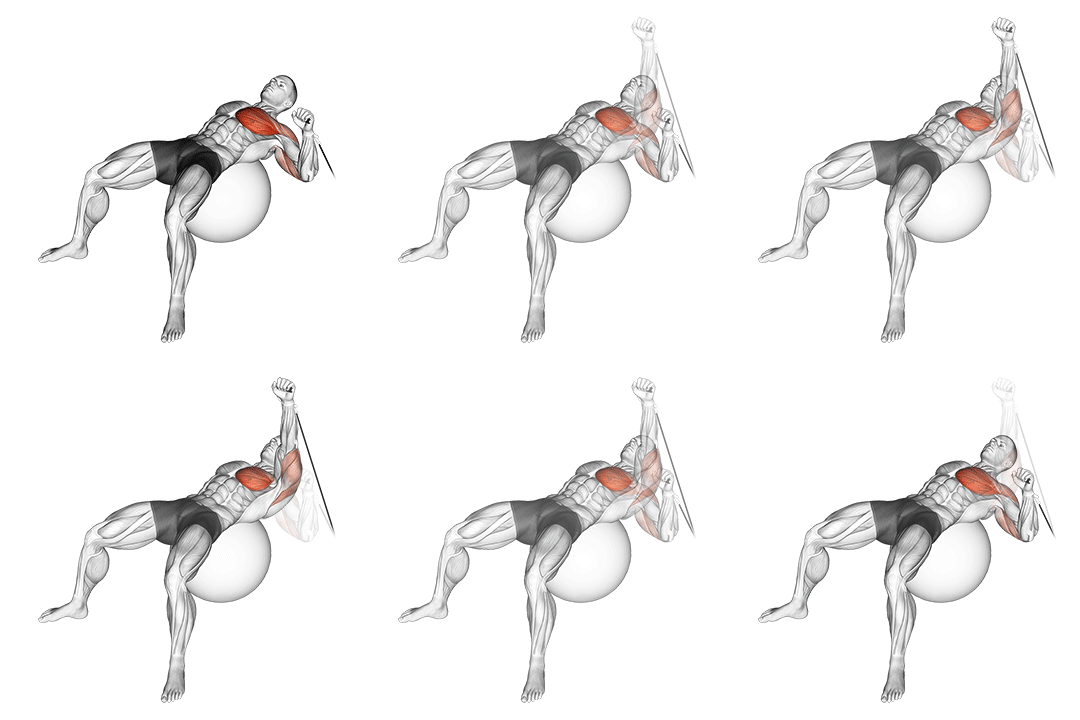
Secondary Muscles Activated
Cable One Arm Fly On Exercise Ball
Dumbbell One Arm Chest Fly On Exercise Ball
Visual Comparison
Overview
Cable One Arm Fly On Exercise Ball vs Dumbbell One Arm Chest Fly On Exercise Ball — two single-arm isolation moves that put your chest under unilateral load while demanding core stability. You’ll learn how each exercise stresses the pectorals, how cable tension vs gravity changes force vectors, what secondary muscles light up, and which is safer or more productive for your goals. Read on for technique cues, biomechanics-based recommendations, rep ranges for hypertrophy and strength, and clear scenarios showing when to pick the cable or the dumbbell variation.
Key Differences
- Difficulty levels differ: Cable One Arm Fly On Exercise Ball is intermediate, while Dumbbell One Arm Chest Fly On Exercise Ball is advanced.
- Both exercises target the Pectorals using Stability-ball. The main differences are in their movement patterns and muscle activation angles.
Pros & Cons
Cable One Arm Fly On Exercise Ball
+ Pros
- Maintains near-constant tension through ROM for steady pectoral loading
- Easier to micro-load and adjust pulley angle to target different fibers
- Lower peak shear on the shoulder when set at proper height
- Safer incremental progression on unilateral work
− Cons
- Requires access to a cable machine and secure anchor
- Stability demand still high when done on a ball, which reduces absolute load
- Less carryover to heavy pressing patterns compared with free weights
Dumbbell One Arm Chest Fly On Exercise Ball
+ Pros
- High carryover to free-weight pressing and daily functional strength
- Widely accessible if you have dumbbells and a stability ball
- Greater demand on rotator cuff and shoulder stabilizers, improving coordination
- Can use heavier absolute loads for overload
− Cons
- Higher shoulder strain and risk if technique or load is poor
- Harder to micro-load and fine-tune tension compared with cables
- Instability on the ball reduces the load you can apply to the pecs
When Each Exercise Wins
Cable provides more constant tension across the ROM and allows finer microloading and angle adjustment, enabling targeted 8–15 rep sets with maintained pectoral tension for longer time under tension.
Dumbbells let you load heavier and develop force through a free-weight path, improving transfer to unilateral pressing strength and maximal force production in lower-rep ranges (4–8 reps).
Cables are easier to control and allow progressive small increases; combined with a stability ball you can practice scapular control and a soft elbow without managing heavy inertial forces.
Most home gyms have dumbbells and a stability ball but not a cable station, making the dumbbell variant more practical for consistent training at home.
Frequently Asked Questions
Can I do both Cable One Arm Fly On Exercise Ball and Dumbbell One Arm Chest Fly On Exercise Ball in the same workout?
Yes. Start with the heavier, strength-oriented dumbbell variation for 3–5 sets of 4–8 reps, then finish with 2–3 sets of cable flys for 8–15 reps to increase time under tension and target weak points.
Which exercise is better for beginners?
Cable One Arm Fly On Exercise Ball is better for beginners because it offers steadier tension, easier microloading, and lower peak shoulder shear. Keep loads conservative and focus on scapular retraction and a 10–20° elbow bend.
How do the muscle activation patterns differ?
Cables produce a more even activation across the full ROM because the line of pull is continuous; dumbbells create a torque curve where peak load shifts near the top. On the ball, instability increases deltoid and core activation and reduces absolute pectoral force at end range.
Can Dumbbell One Arm Chest Fly On Exercise Ball replace Cable One Arm Fly On Exercise Ball?
It can replace cables for strength-focused programming or where cables aren't available, but you’ll trade consistent tension and microloading for greater instability and peak shoulder stress. Choose based on your goal: hypertrophy/pain management favor cables; raw unilateral strength favors dumbbells.
Expert Verdict
If your priority is precise pectoral targeting and controlled progressive overload, go with the Cable One Arm Fly On Exercise Ball: adjustable force vectors and microloading make it ideal for hypertrophy and shoulder-friendly sets. If you want to build raw unilateral pressing strength and improve rotator cuff and functional stability under heavier loads, choose the Dumbbell One Arm Chest Fly On Exercise Ball, but keep reps lower (4–8) and master strict technique first. Use the cable for volume work and rehab-friendly loading; use the dumbbell for heavier, strength-oriented phases—both deserve a place in a balanced program.
Also Compare
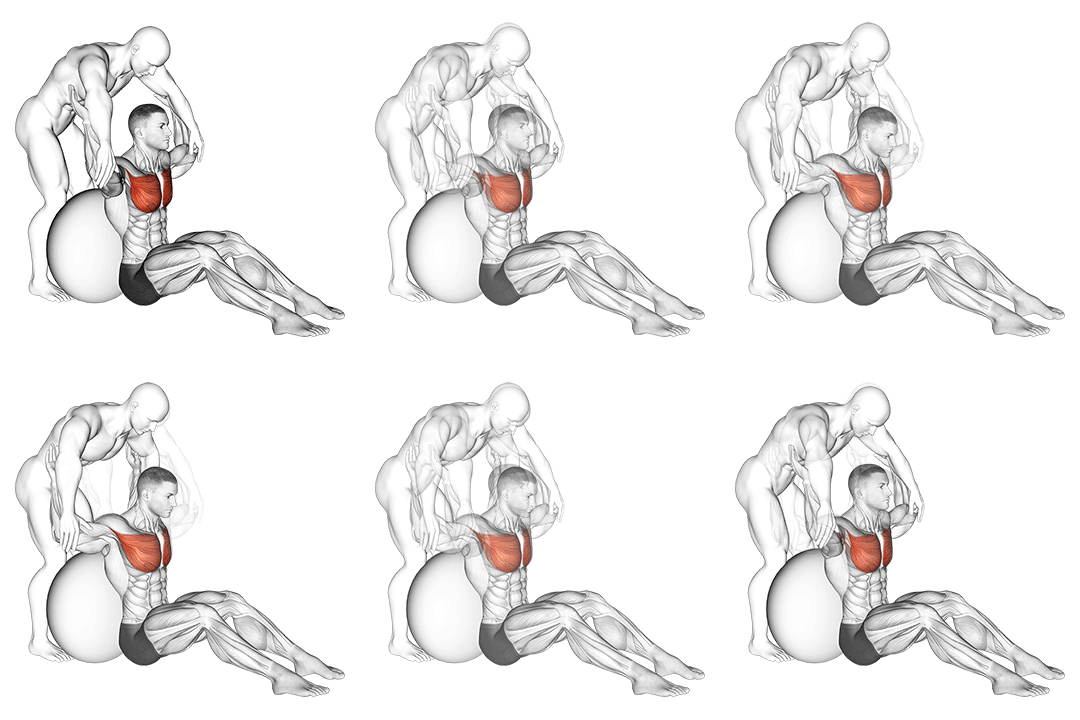
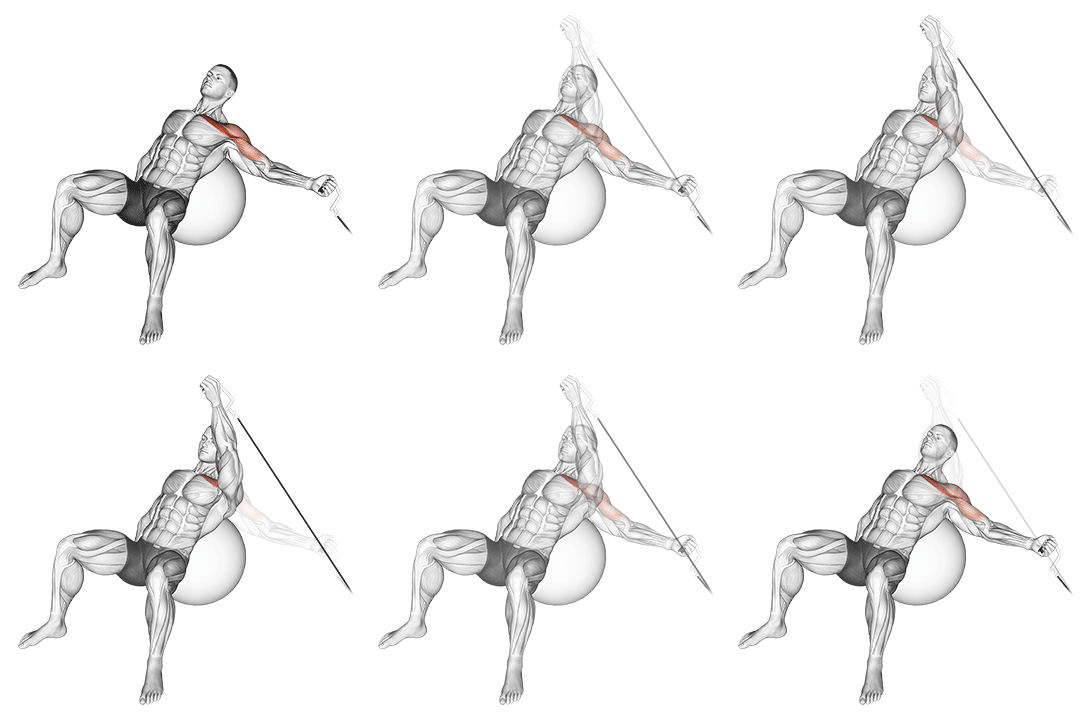
More comparisons with Cable One Arm Fly On Exercise Ball
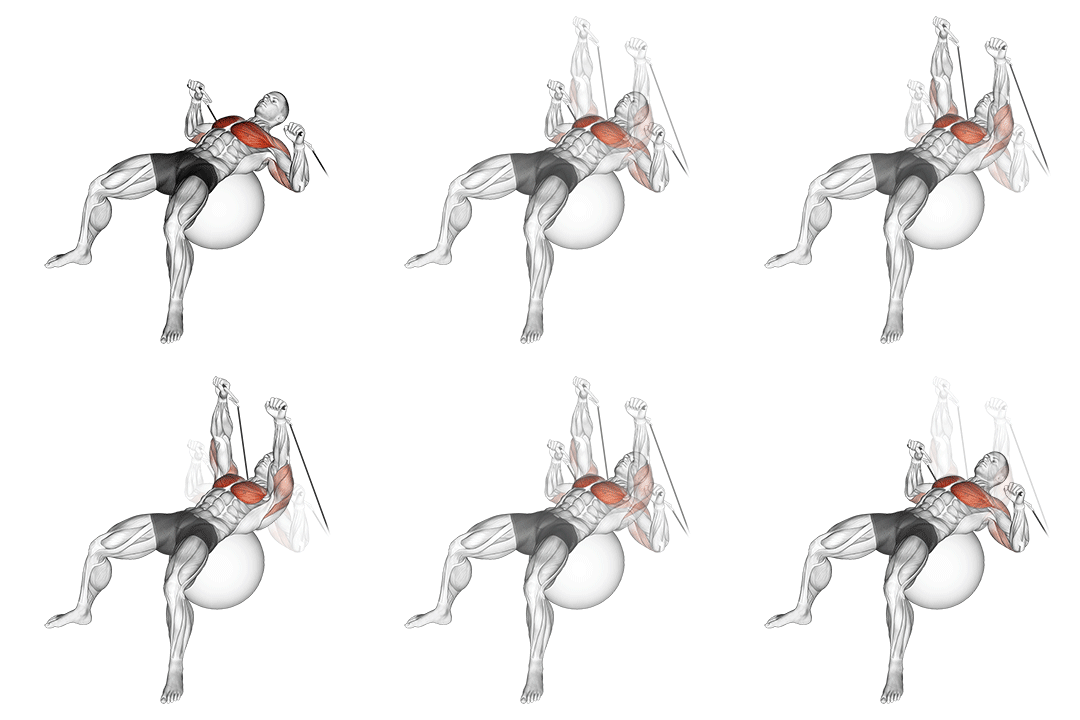
More comparisons with Dumbbell One Arm Chest Fly On Exercise Ball
Compare More Exercises
Use our free comparison tool to analyze any two exercises head-to-head.
Compare Exercises