

Cable One Arm Incline Fly On Exercise Ball vs Cable One Arm Press On Exercise Ball: Complete Compari
Cable One Arm Incline Fly On Exercise Ball vs Cable One Arm Press On Exercise Ball — two stability-ball cable moves that train your chest but in very different ways. You’ll get clear, actionable guidance to choose between focused pec isolation and a heavier compound pressing option. I’ll cover which muscles each targets, exact technique cues (body angles, elbow path, scapular position), how stabilization alters recruitment, rep and load ranges, and practical progressions so you can select the right move for hypertrophy, strength, or home training.
Exercise Comparison
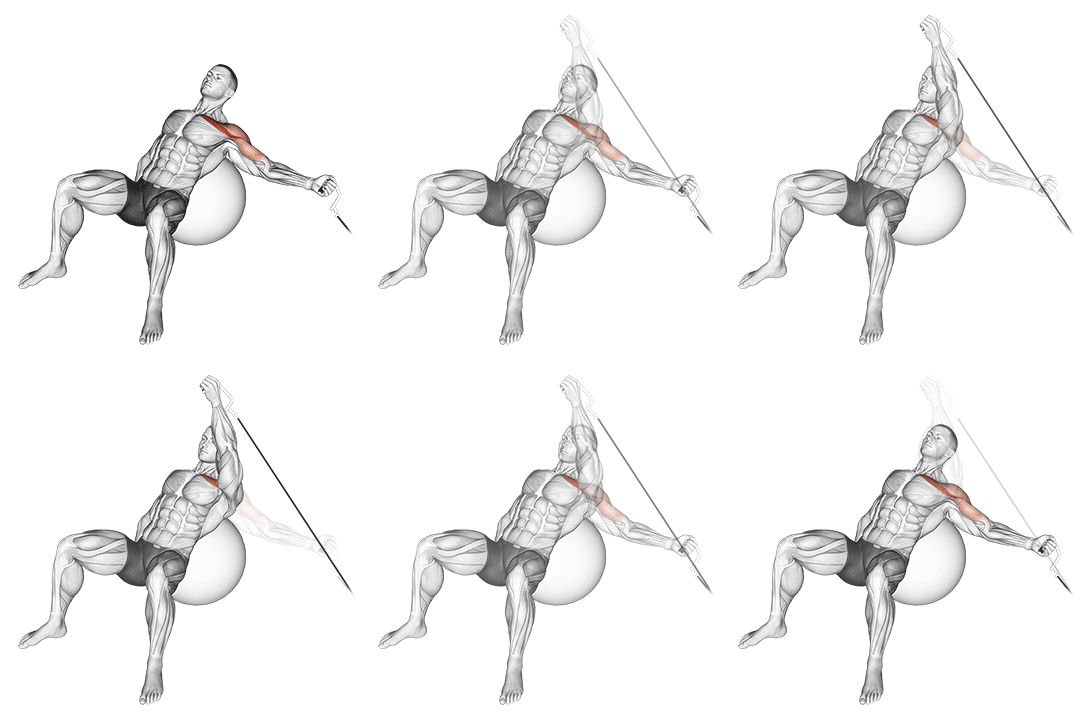
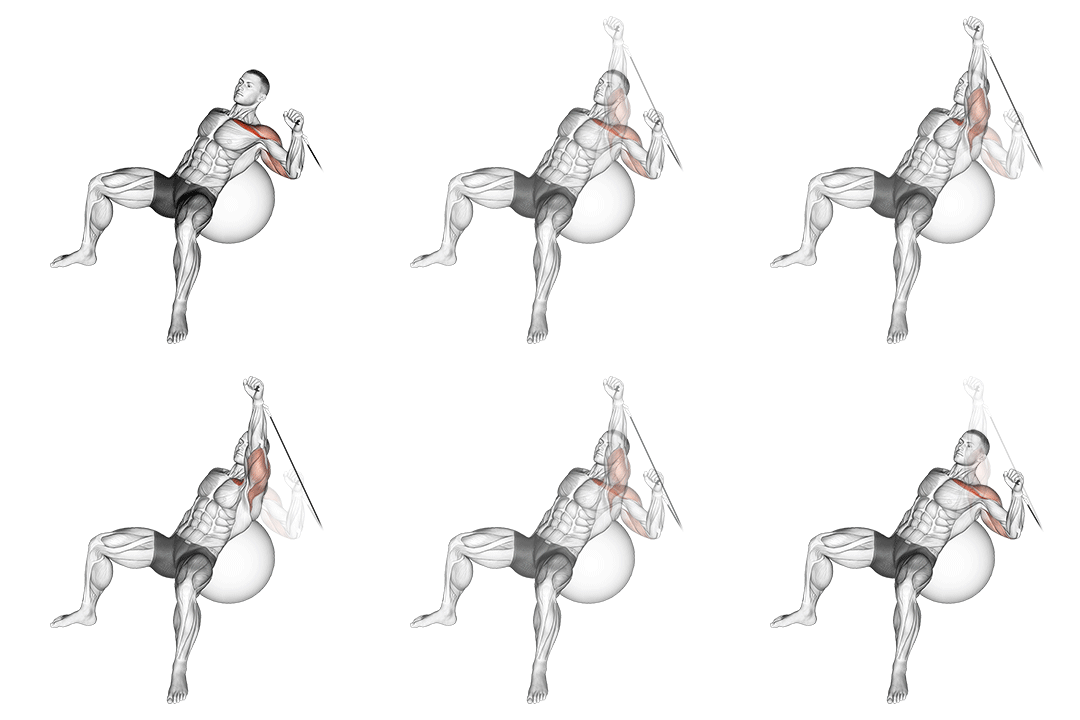
Cable One Arm Incline Fly On Exercise Ball
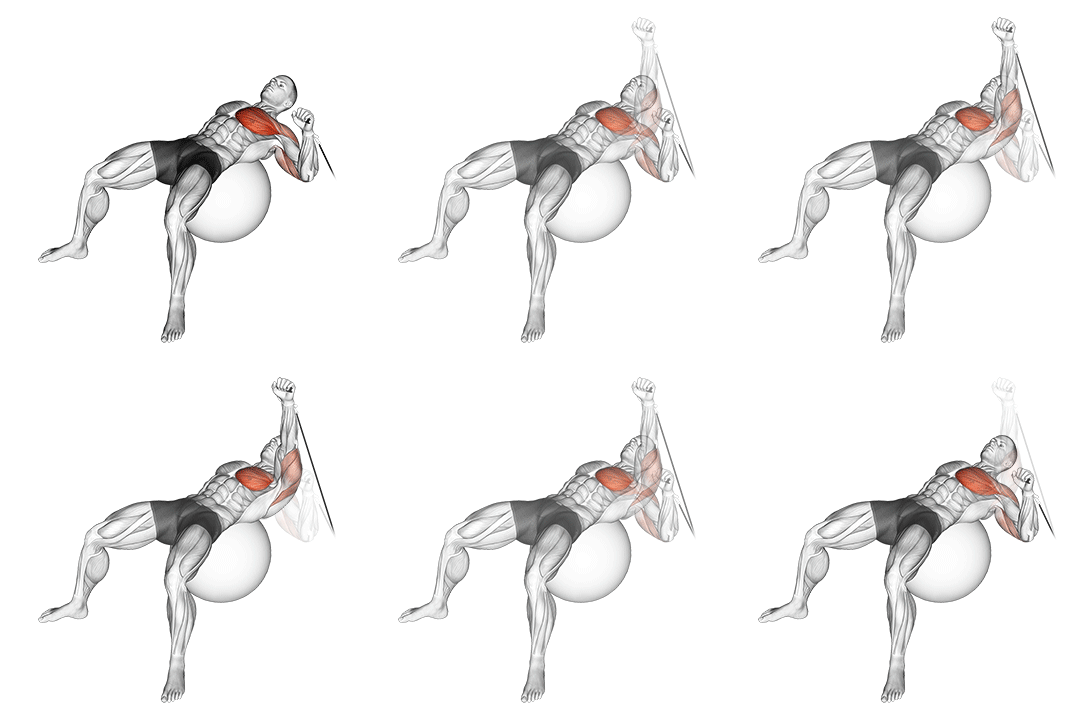
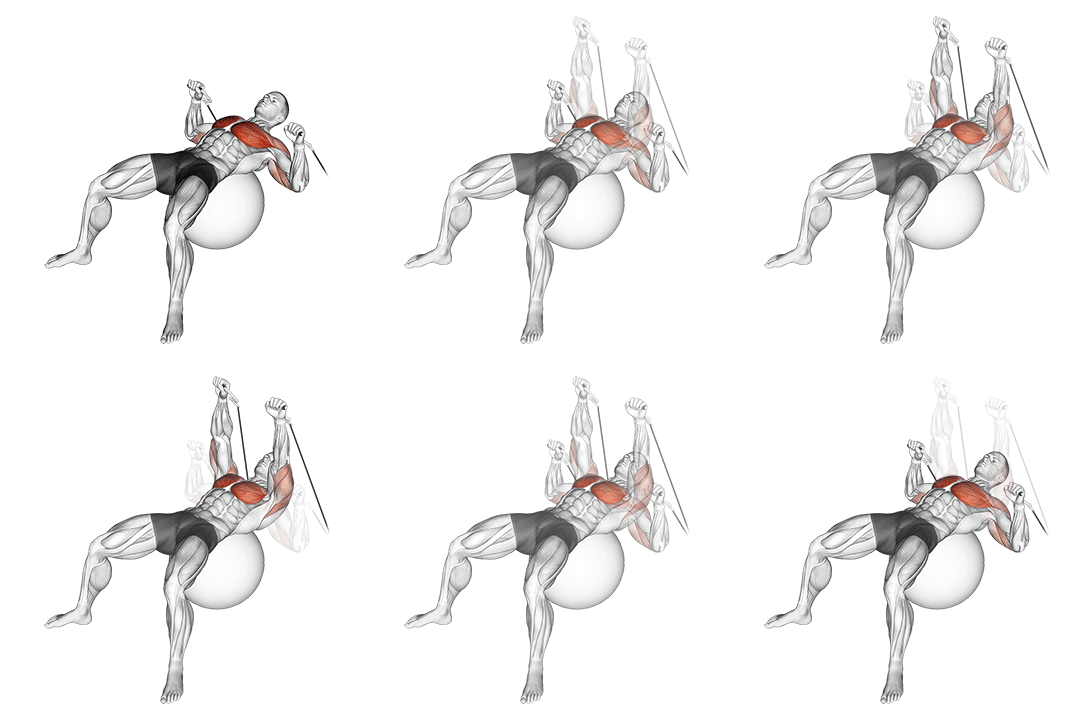
Cable One Arm Press On Exercise Ball
Head-to-Head Comparison
| Attribute | Cable One Arm Incline Fly On Exercise Ball | Cable One Arm Press On Exercise Ball |
|---|---|---|
| Target Muscle |
Pectorals
|
Pectorals
|
| Body Part |
Chest
|
Chest
|
| Equipment |
Stability-ball
|
Stability-ball
|
| Difficulty |
Intermediate
|
Advanced
|
| Movement Type |
Isolation
|
Compound
|
| Secondary Muscles |
2
|
2
|
Secondary Muscles Activated
Cable One Arm Incline Fly On Exercise Ball
Cable One Arm Press On Exercise Ball
Visual Comparison
Overview
Cable One Arm Incline Fly On Exercise Ball vs Cable One Arm Press On Exercise Ball — two stability-ball cable moves that train your chest but in very different ways. You’ll get clear, actionable guidance to choose between focused pec isolation and a heavier compound pressing option. I’ll cover which muscles each targets, exact technique cues (body angles, elbow path, scapular position), how stabilization alters recruitment, rep and load ranges, and practical progressions so you can select the right move for hypertrophy, strength, or home training.
Key Differences
- Cable One Arm Incline Fly On Exercise Ball is an isolation exercise, while Cable One Arm Press On Exercise Ball is a compound movement.
- Difficulty levels differ: Cable One Arm Incline Fly On Exercise Ball is intermediate, while Cable One Arm Press On Exercise Ball is advanced.
- Both exercises target the Pectorals using Stability-ball. The main differences are in their movement patterns and muscle activation angles.
Pros & Cons
Cable One Arm Incline Fly On Exercise Ball
+ Pros
- Isolates pectorals for targeted hypertrophy
- Lower external load required — easier to manage on a ball
- Longer pec stretch improves length-tension stimulus
- Easier technical learning curve for intermediate athletes
− Cons
- Limited load ceiling for maximal strength work
- Less triceps and shoulder development compared to presses
- Risk of anterior shoulder overstretch if ROM is excessive
Cable One Arm Press On Exercise Ball
+ Pros
- Higher total tension — better for strength and pressing power
- Greater recruitment of shoulders and triceps for compound development
- Stability challenge increases core and scapular conditioning
- Easily progressed with heavier loads and lower rep ranges
− Cons
- Technically demanding — requires solid scapular and core control
- Higher injury risk if form deteriorates under heavy load
- Not ideal when isolating the pecs or minimizing shoulder involvement
When Each Exercise Wins
The fly provides a focused stretch-shortening cycle and transverse adduction under constant tension, ideal for 8–15 rep ranges. It isolates the pecs and lets you manipulate tempo and time under tension to promote muscle growth.
The press handles heavier external loads and recruits triceps and delts to lock out, making it better for low-rep heavy work (4–6 reps) and progressive overload that builds pressing strength.
The fly has a simpler movement path and lower absolute load, so beginners can focus on scapular retraction and elbow angle without managing heavy unilateral pressing on an unstable surface.
Requires less heavy equipment and is easier to scale with resistance bands or lighter cable stacks, while still giving a strong chest stimulus with lower technical risk on the ball.
Frequently Asked Questions
Can I do both Cable One Arm Incline Fly On Exercise Ball and Cable One Arm Press On Exercise Ball in the same workout?
Yes. Sequence the fly first for pre-exhaustion (8–12 reps) to bias pec fibers, then perform presses for heavier compound work (4–6 reps). Keep total volume and recovery in check to avoid excessive shoulder fatigue.
Which exercise is better for beginners?
The incline fly is better for beginners because it has a simpler path and requires less load and coordination on the ball. Start with light resistance, master scapular retraction and a slight elbow bend, then progress.
How do the muscle activation patterns differ?
The fly emphasizes transverse adduction and peaks pec activation through long muscle lengths, while the press distributes load across pecs, anterior deltoid, and triceps with higher overall force capacity. Stability on the ball increases rotator cuff and core recruitment for both.
Can Cable One Arm Press On Exercise Ball replace Cable One Arm Incline Fly On Exercise Ball?
Not entirely. The press can overload the chest and build strength, but it brings more deltoid and triceps input and less isolated pec stretching. Keep the fly if your goal is targeted hypertrophy or to emphasize the upper pec length-tension stimulus.
Expert Verdict
If your goal is targeted chest development and you want a lower-risk, high-stretch stimulus, choose the Cable One Arm Incline Fly On Exercise Ball for 8–15 reps with controlled eccentrics and a 30° torso incline. If you want to build unilateral pressing strength, shoulder and triceps size, and tolerate higher loads, pick the Cable One Arm Press On Exercise Ball for heavier sets (4–6 reps) and progressive overload. Use flies to add focused volume and presses to build pressing capacity; both can complement each other within a program depending on your phase.
Also Compare
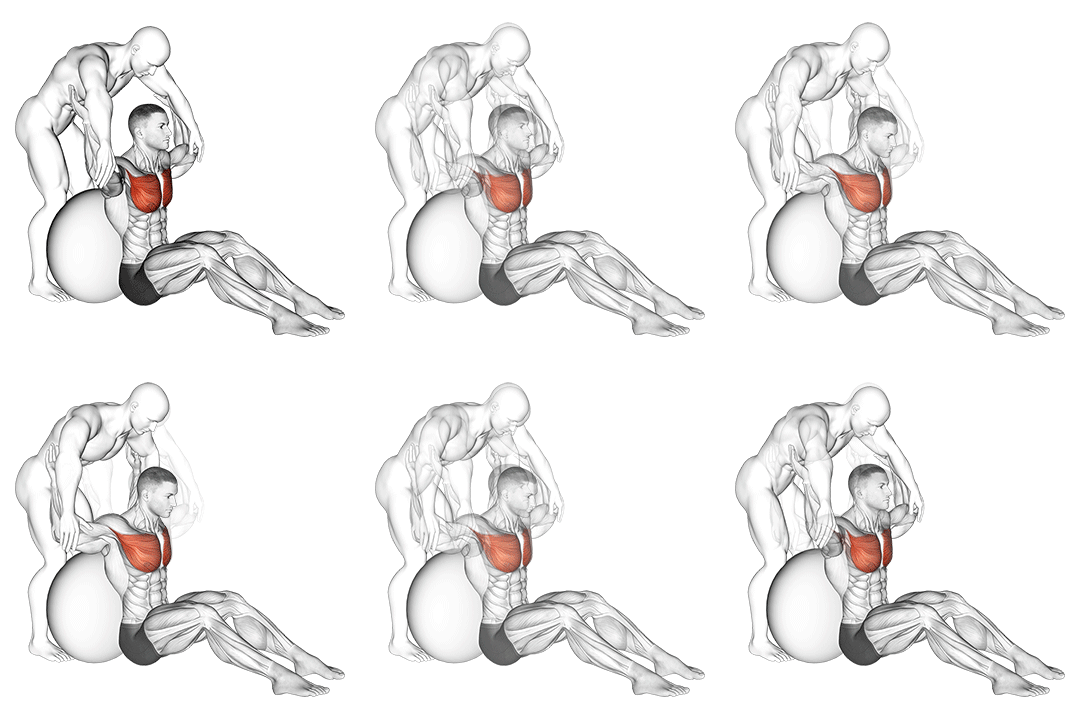
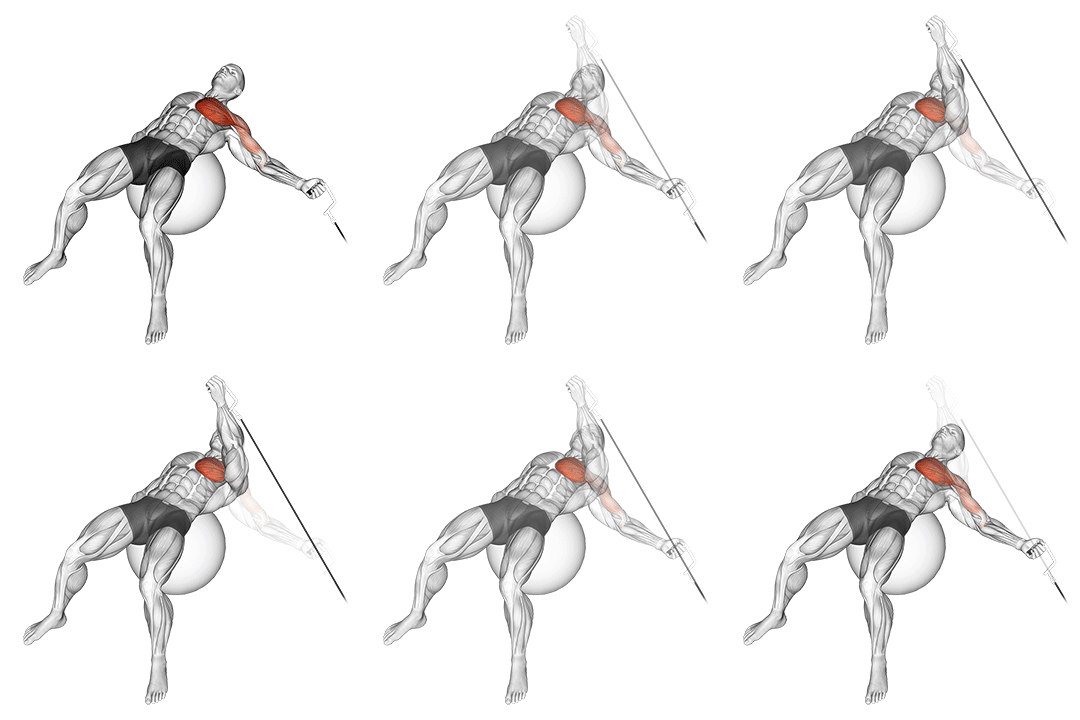
More comparisons with Cable One Arm Incline Fly On Exercise Ball
More comparisons with Cable One Arm Press On Exercise Ball
Compare More Exercises
Use our free comparison tool to analyze any two exercises head-to-head.
Compare Exercises