

Cable One Arm Incline Press On Exercise Ball vs Cable One Arm Press On Exercise Ball: Complete Compa
Cable One Arm Incline Press On Exercise Ball vs Cable One Arm Press On Exercise Ball — you’re choosing between an upward force vector and a more horizontal one while balancing on a stability ball. I’ll show you how each exercise loads the pectorals differently, which secondary muscles take the hit, exact setup cues (ball angle ~30° for incline, 0–10° for flat), rep ranges for hypertrophy (6–12) and strength (3–6), and how to progress safely. Read on for technique tips, biomechanics-backed comparisons, and practical recommendations so you can pick the exercise that matches your goals.
Exercise Comparison
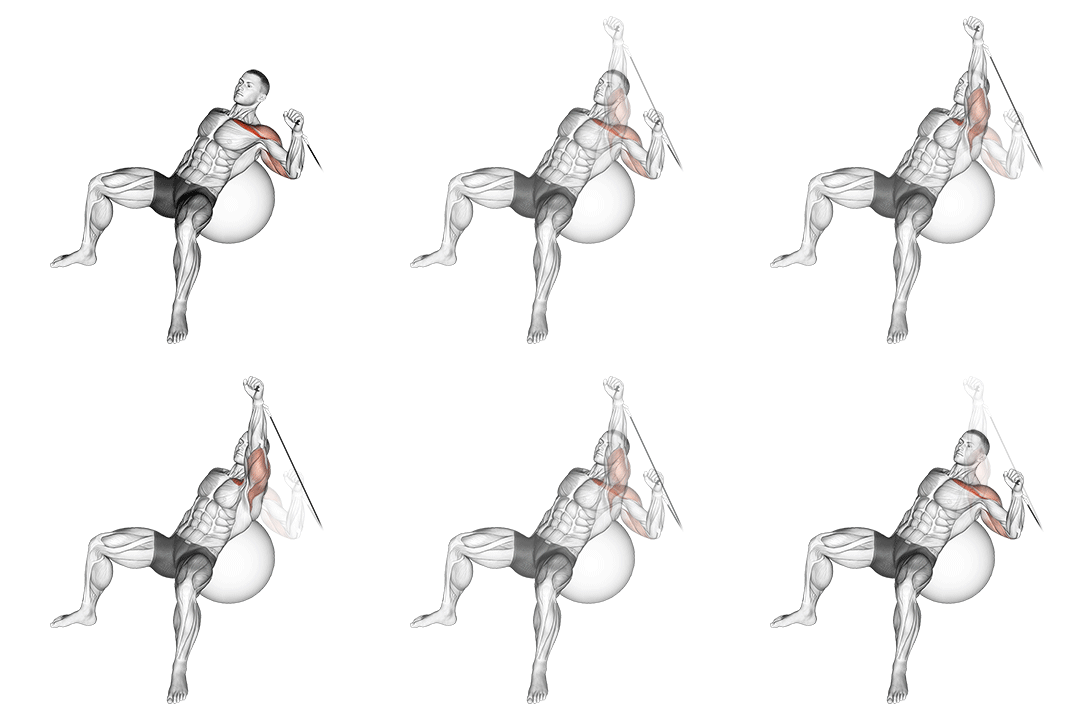
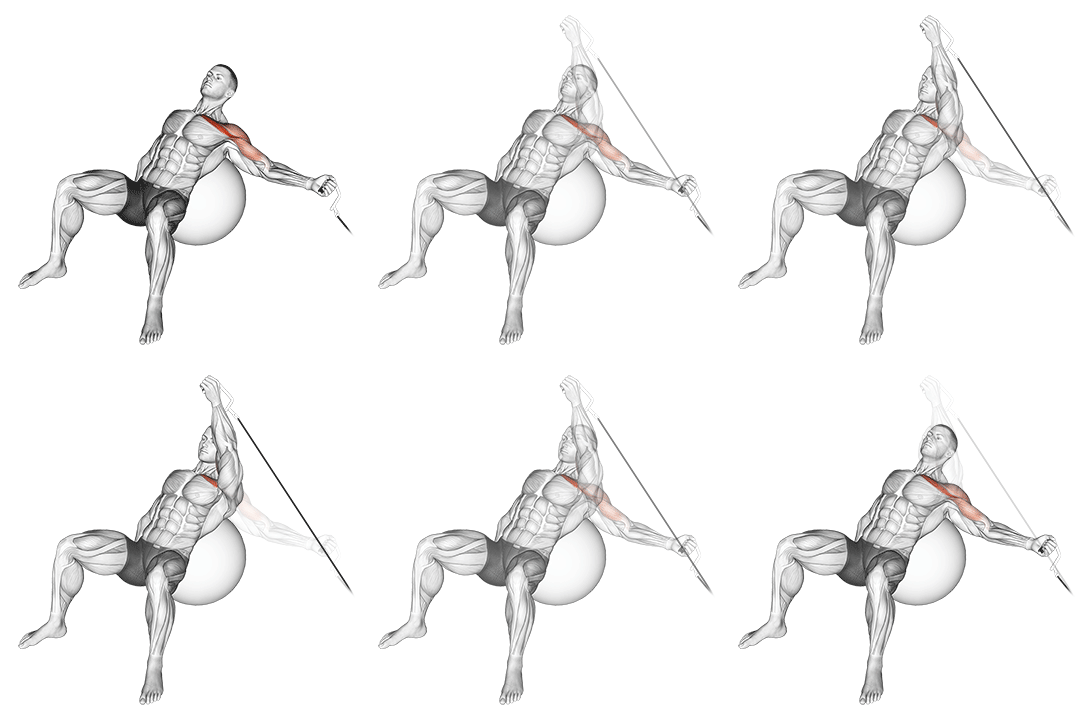
Cable One Arm Incline Press On Exercise Ball
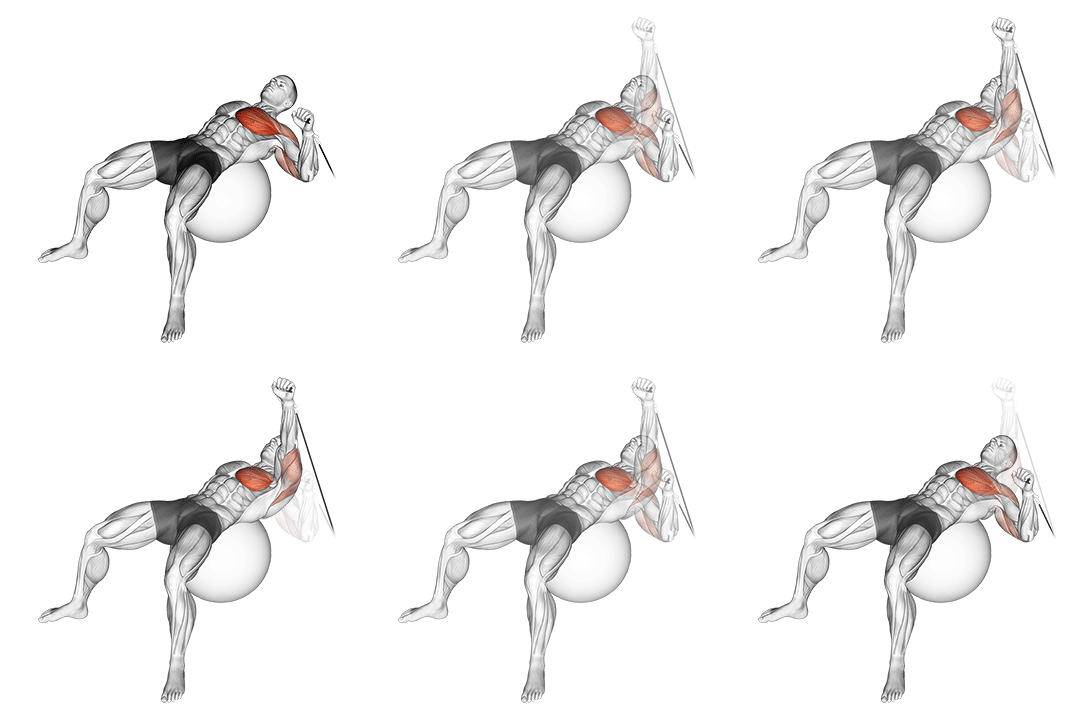
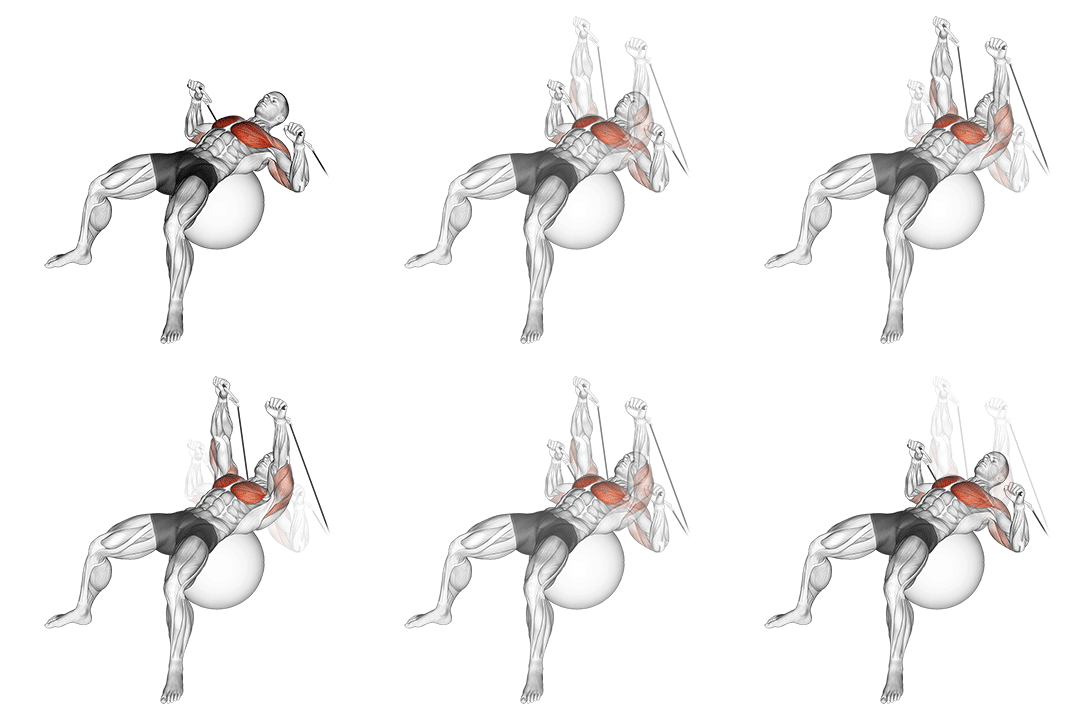
Cable One Arm Press On Exercise Ball
Head-to-Head Comparison
| Attribute | Cable One Arm Incline Press On Exercise Ball | Cable One Arm Press On Exercise Ball |
|---|---|---|
| Target Muscle |
Pectorals
|
Pectorals
|
| Body Part |
Chest
|
Chest
|
| Equipment |
Stability-ball
|
Stability-ball
|
| Difficulty |
Advanced
|
Advanced
|
| Movement Type |
Compound
|
Compound
|
| Secondary Muscles |
2
|
2
|
Secondary Muscles Activated
Cable One Arm Incline Press On Exercise Ball
Cable One Arm Press On Exercise Ball
Visual Comparison
Overview
Cable One Arm Incline Press On Exercise Ball vs Cable One Arm Press On Exercise Ball — you’re choosing between an upward force vector and a more horizontal one while balancing on a stability ball. I’ll show you how each exercise loads the pectorals differently, which secondary muscles take the hit, exact setup cues (ball angle ~30° for incline, 0–10° for flat), rep ranges for hypertrophy (6–12) and strength (3–6), and how to progress safely. Read on for technique tips, biomechanics-backed comparisons, and practical recommendations so you can pick the exercise that matches your goals.
Key Differences
- Both exercises target the Pectorals using Stability-ball. The main differences are in their movement patterns and muscle activation angles.
Pros & Cons
Cable One Arm Incline Press On Exercise Ball
+ Pros
- Greater upper-pec (clavicular head) activation due to upward force vector
- Excellent unilateral overload for correcting left-right asymmetries
- Higher core and scapular stabilizer demand improves anti-rotation control
- Angle variability (20–45°) allows targeted fiber recruitment
− Cons
- Higher anterior shoulder stress increases injury risk if mobility is poor
- More setup complexity to achieve consistent ball angle and cable line
- Harder to load heavily due to stability and single-arm limits
Cable One Arm Press On Exercise Ball
+ Pros
- Simpler setup and more reproducible position for consistent training
- Strong mid- to lower-pec stimulation via horizontal force vector
- Lower shoulder shear compared with incline, safer for some lifters
- High core and anti-rotation demand that transfers to pressing stability
− Cons
- Less emphasis on upper-pec fibers compared with incline angles
- Unilateral instability limits the absolute load you can use
- Still places notable demand on rotator cuff and scapular stabilizers
When Each Exercise Wins
The incline places a larger share of the load on the clavicular head and lets you target upper-pec fibers by adjusting the ball angle (30–45°). Use 6–12 reps with a controlled 2–3 second eccentric to maximize time under tension.
The flatter force vector allows slightly heavier, more stable pressing patterns and better triceps engagement for lockout strength. Focus on 3–6 reps, heavy doubles or triples, and maintain strict bracing on the ball.
The flat position is easier to learn and requires less precise shoulder mobility. It’s simpler to coach ball placement and cable path, making it safer for early unilateral work.
Most home setups with a single pulley or resistance band mimic the flat press more easily than a consistent incline. Setup is faster and you can substitute bands if a cable machine isn’t available.
Frequently Asked Questions
Can I do both Cable One Arm Incline Press On Exercise Ball and Cable One Arm Press On Exercise Ball in the same workout?
Yes — pair them smartly. Do the heavier flat presses for 3–6 reps first to build strength, then add the incline for 8–12 reps to target upper-pec fibers and fatigue the muscle with a different force vector.
Which exercise is better for beginners?
The Cable One Arm Press On Exercise Ball is better for beginners because the horizontal plane is easier to learn and set up. It demands less precise ball angle and puts less shear on the anterior shoulder.
How do the muscle activation patterns differ?
The incline shifts the cable’s force vector upward, increasing clavicular-pectoral and anterior deltoid activation and changing the muscle length-tension curve so peak torque occurs earlier. The flat press produces peak horizontal-adduction torque nearer mid-range and emphasizes sternal pec fibers.
Can Cable One Arm Press On Exercise Ball replace Cable One Arm Incline Press On Exercise Ball?
It can replace it if your goal is general chest strength or you have shoulder issues, but it won’t match the incline’s upper-pec emphasis. If you need balanced development, rotate both variations across training cycles.
Expert Verdict
Choose the Cable One Arm Incline Press On Exercise Ball when your goal is targeted upper-pec development and you have solid shoulder control; use a 30–45° torso angle and prioritize 6–12 rep ranges with strict tempo. Pick the Cable One Arm Press On Exercise Ball when you want a simpler setup, safer shoulder mechanics, and better transfer to horizontal pressing strength—aim for 3–6 reps for heavy strength work or 6–12 for hypertrophy. Both exercises demand unilateral stability: progress by adding load in small increments, fixing technique first, and using scapular retraction and core bracing cues to minimize risk.
Also Compare
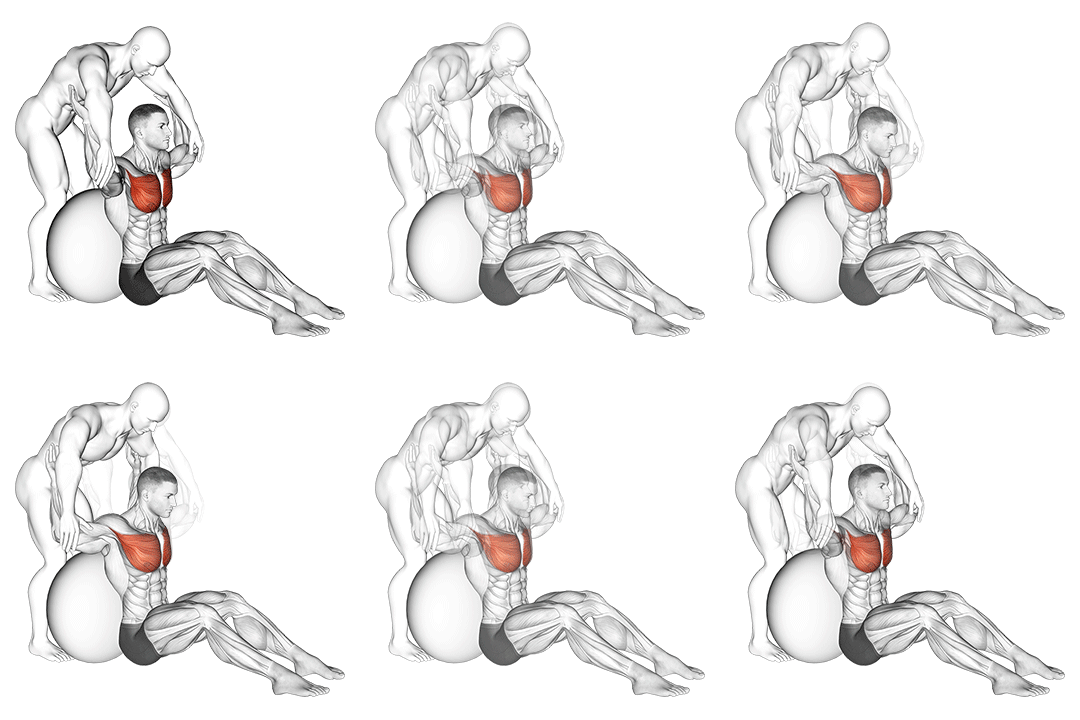
More comparisons with Cable One Arm Incline Press On Exercise Ball
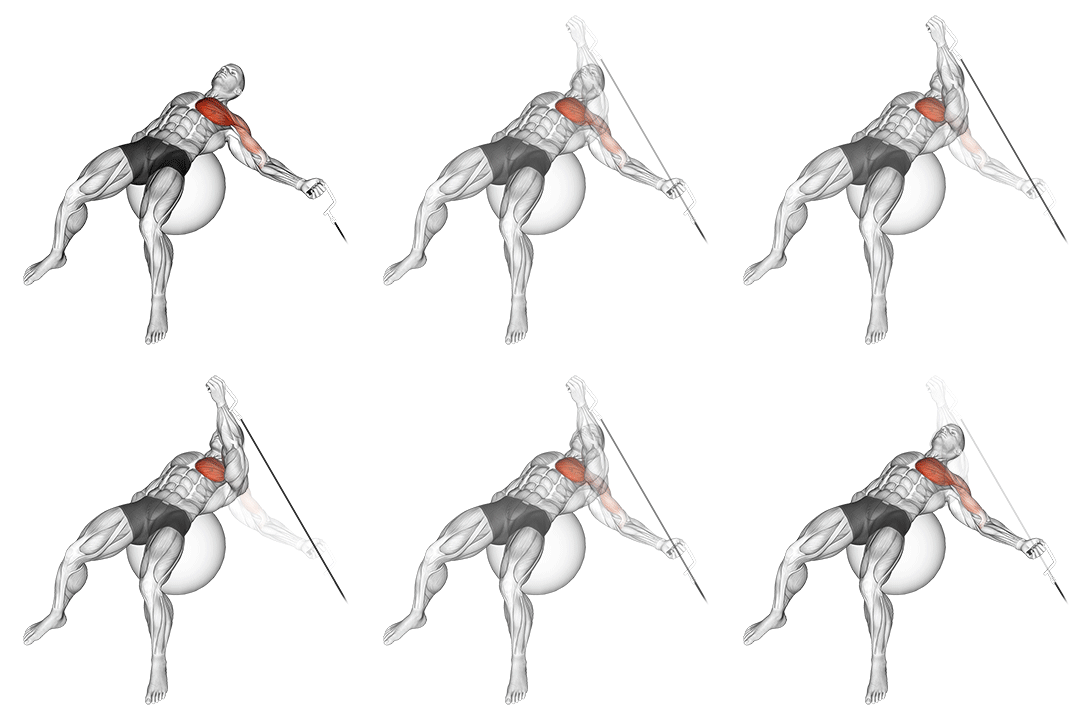
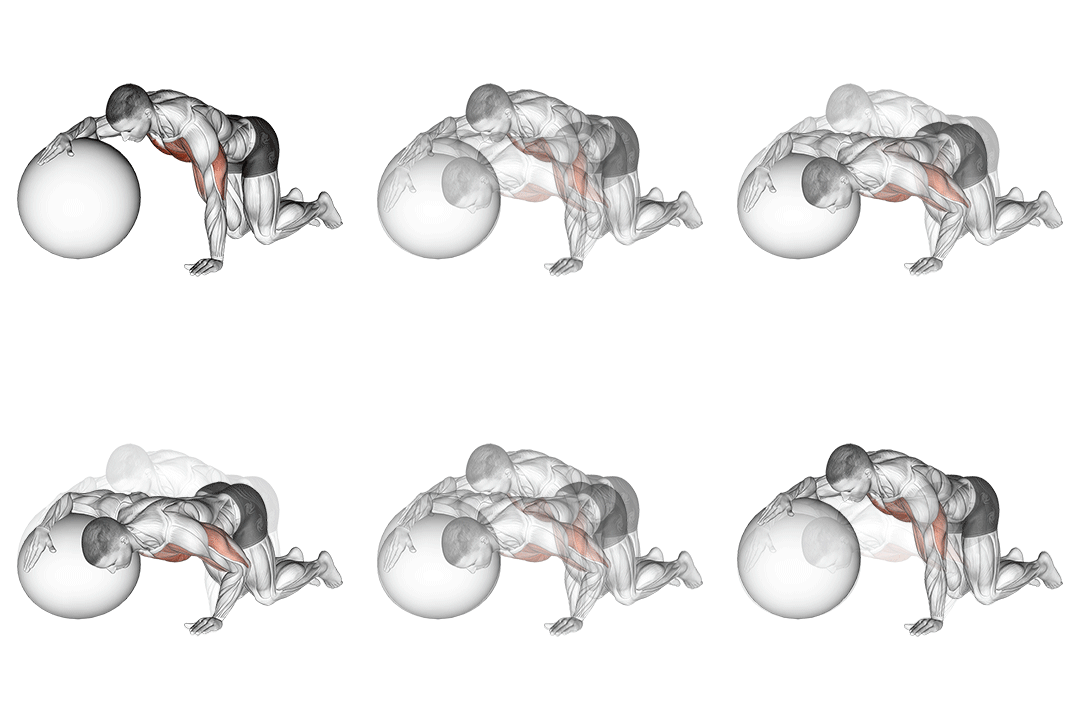
More comparisons with Cable One Arm Press On Exercise Ball
Compare More Exercises
Use our free comparison tool to analyze any two exercises head-to-head.
Compare Exercises