

Cable One Arm Incline Press On Exercise Ball vs Dumbbell One Arm Chest Fly On Exercise Ball: Complet
Cable One Arm Incline Press On Exercise Ball vs Dumbbell One Arm Chest Fly On Exercise Ball — you’re comparing two advanced single-arm chest moves on a stability ball that train the pectorals under instability. This guide gives you clear technique cues, the biomechanics behind each lift, rep ranges (6–12 for heavy pressing, 8–15 for flyes), muscle activation differences, equipment needs, injury-risk notes, and when to pick each exercise for strength, hypertrophy, or core stability.
Exercise Comparison
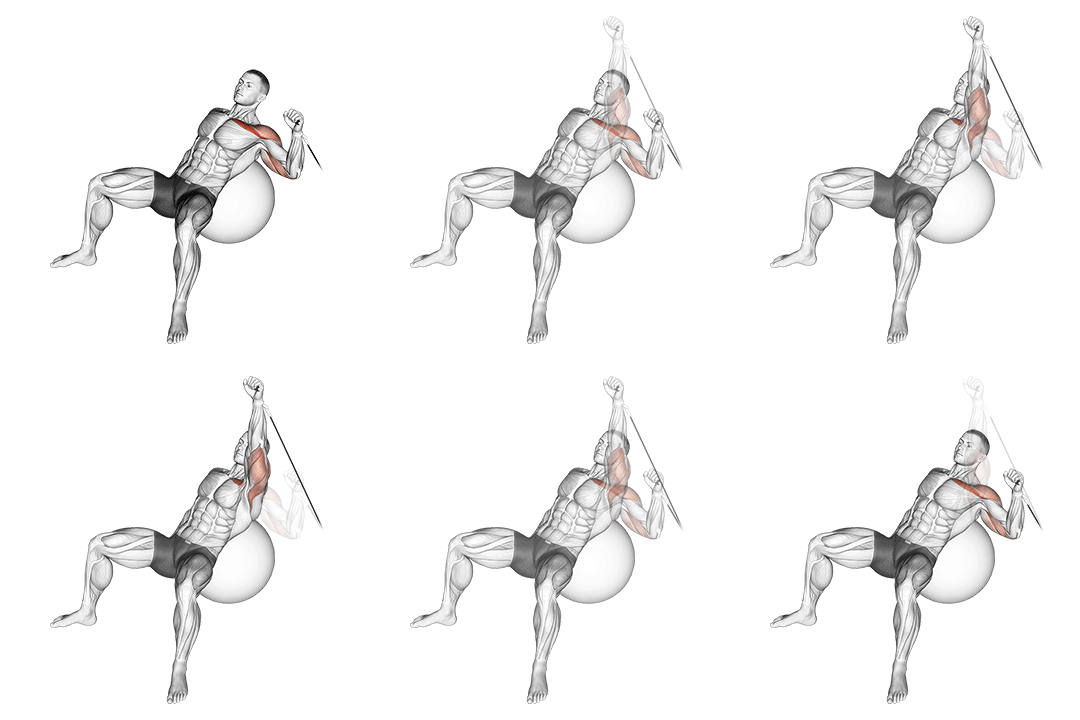
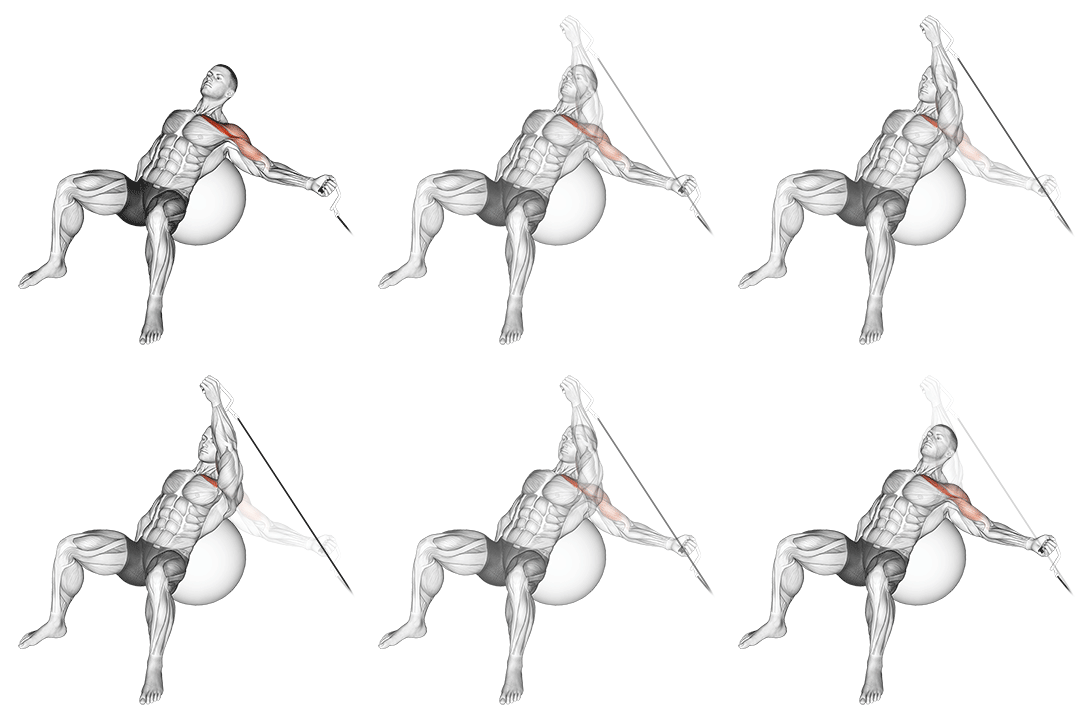
Cable One Arm Incline Press On Exercise Ball
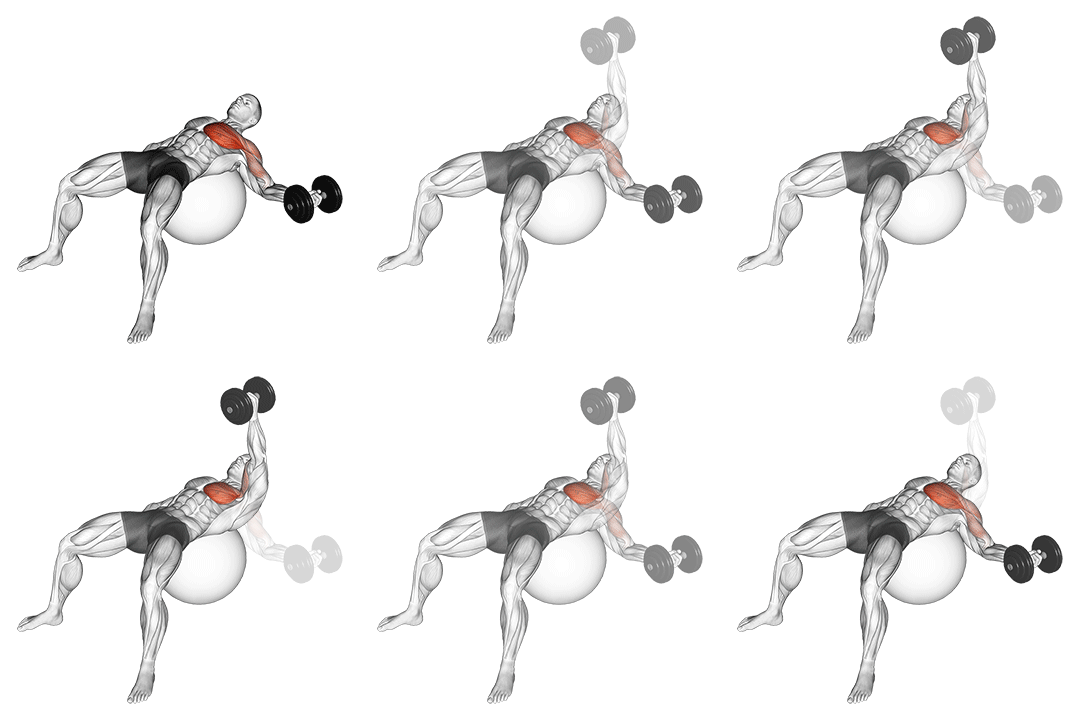
Dumbbell One Arm Chest Fly On Exercise Ball
Head-to-Head Comparison
| Attribute | Cable One Arm Incline Press On Exercise Ball | Dumbbell One Arm Chest Fly On Exercise Ball |
|---|---|---|
| Target Muscle |
Pectorals
|
Pectorals
|
| Body Part |
Chest
|
Chest
|
| Equipment |
Stability-ball
|
Stability-ball
|
| Difficulty |
Advanced
|
Advanced
|
| Movement Type |
Compound
|
Isolation
|
| Secondary Muscles |
2
|
2
|
Secondary Muscles Activated
Cable One Arm Incline Press On Exercise Ball
Dumbbell One Arm Chest Fly On Exercise Ball
Visual Comparison
Overview
Cable One Arm Incline Press On Exercise Ball vs Dumbbell One Arm Chest Fly On Exercise Ball — you’re comparing two advanced single-arm chest moves on a stability ball that train the pectorals under instability. This guide gives you clear technique cues, the biomechanics behind each lift, rep ranges (6–12 for heavy pressing, 8–15 for flyes), muscle activation differences, equipment needs, injury-risk notes, and when to pick each exercise for strength, hypertrophy, or core stability.
Key Differences
- Cable One Arm Incline Press On Exercise Ball is a compound movement, while Dumbbell One Arm Chest Fly On Exercise Ball is an isolation exercise.
- Both exercises target the Pectorals using Stability-ball. The main differences are in their movement patterns and muscle activation angles.
Pros & Cons
Cable One Arm Incline Press On Exercise Ball
+ Pros
- High overall chest and triceps loading due to compound press mechanics
- Easily progress weight in small increments on the cable stack
- Adjustable line of pull to emphasize clavicular vs sternal fibers (30–45° incline)
- Better transfer to pressing strength because of multi-joint action
− Cons
- Requires a cable machine and space, reducing accessibility
- Harder technical demand: coordinate cable path, ball position, and unilateral balance
- Increased triceps demand can limit pure pec-focused work
Dumbbell One Arm Chest Fly On Exercise Ball
+ Pros
- Superior pec isolation and stretch under tension for muscle growth
- Minimal equipment — one dumbbell and a stability ball
- Lower triceps involvement lets you focus load on pecs and chest shape
- Easier to control tempo and time-under-tension for hypertrophy (e.g., 3–4s eccentric)
− Cons
- Higher shoulder impingement risk at extreme end-range without scapular control
- Progression steps may be larger and less precise than cable stacks
- Less overall force production — not ideal when priority is maximal pressing strength
When Each Exercise Wins
The fly places the pecs under a long, controlled stretch and peak contraction, increasing time-under-tension and mechanical tension—key drivers of hypertrophy. Use 8–15 reps with 2–4 second eccentrics and a full but safe arc to maximize fiber recruitment.
The cable press is a multi-joint movement that lets you load higher and replicate pressing mechanics, recruiting triceps and deltoids for force production. Work in 4–8 rep ranges and progressively add load or reduce support to build unilateral pressing strength.
Beginners can start with light dumbbells to learn scapular control and chest-specific movement without managing cable line angles. It’s easier to scale intensity and practice safe tempos before advancing to complex cable pressing on an unstable surface.
You only need a stability ball and a dumbbell, making it ideal for home gyms. The cable press requires a machine, so it’s usually limited to commercial or well-equipped home setups.
Frequently Asked Questions
Can I do both Cable One Arm Incline Press On Exercise Ball and Dumbbell One Arm Chest Fly On Exercise Ball in the same workout?
Yes — pairing them works well: start with the cable incline press for heavy compound loading (4–8 reps) then finish with dumbbell flies for isolation and metabolic stress (8–15 reps). Prioritize technique and reduce volume if you feel shoulder fatigue.
Which exercise is better for beginners?
Dumbbell One Arm Chest Fly On Exercise Ball is generally better for beginners because you can start light and focus on scapular control and safe ROM. Progress to the cable press once you can control the ball and maintain a stable scapula through a full rep.
How do the muscle activation patterns differ?
The cable incline press produces higher triceps and anterior deltoid activation due to its pressing vector, while the fly emphasizes pectoral length-tension and peak contraction with lower triceps involvement. On the stability ball, both increase core stabilization demands, altering activation timing across the kinetic chain.
Can Dumbbell One Arm Chest Fly On Exercise Ball replace Cable One Arm Incline Press On Exercise Ball?
If your goal is pure chest hypertrophy and you lack a cable machine, yes — flies can substitute effectively. If you need unilateral pressing strength or progressive overload in small increments, the cable press is the superior choice.
Expert Verdict
Use the Cable One Arm Incline Press On Exercise Ball when your goal is unilateral pressing strength and transfer to heavier, compound pushes. Its adjustable line of pull and small plate increments make progressive overload simple, and it better trains the triceps and anterior deltoid alongside the pecs. Choose the Dumbbell One Arm Chest Fly On Exercise Ball when your aim is pec isolation and stretch-mediated muscle growth; employ slow eccentrics (3–4s) and 8–15 rep ranges to maximize time under tension. For stability and core work, both are effective on the ball, but flyes are easier to access at home and safer to scale for beginners.
Also Compare
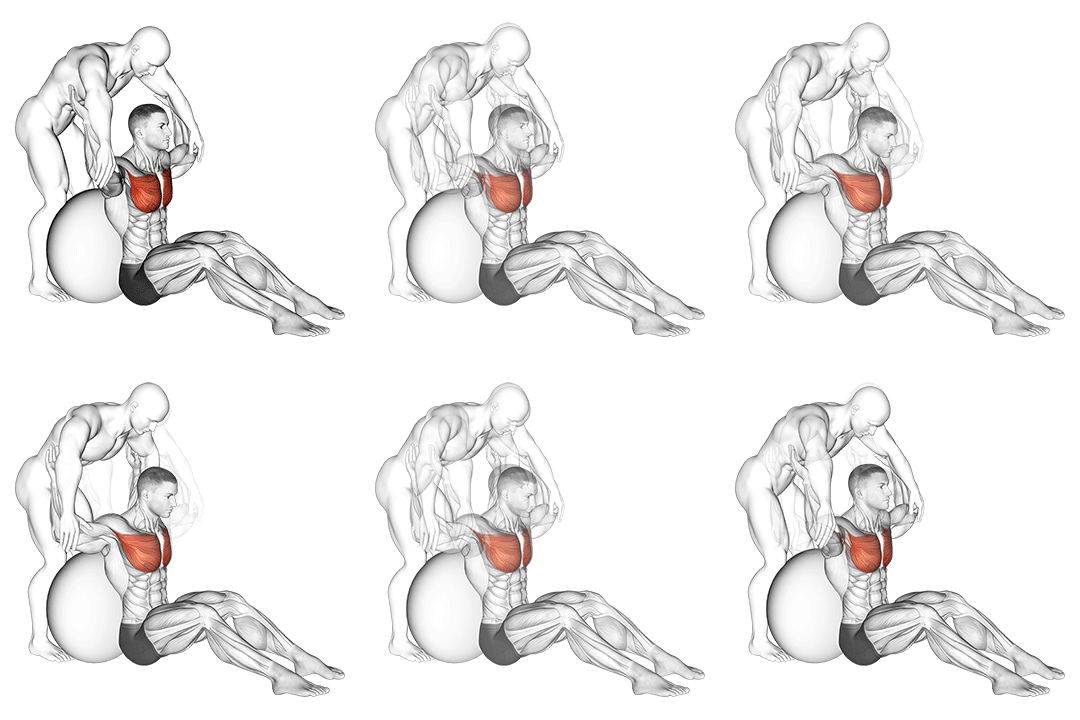
More comparisons with Cable One Arm Incline Press On Exercise Ball
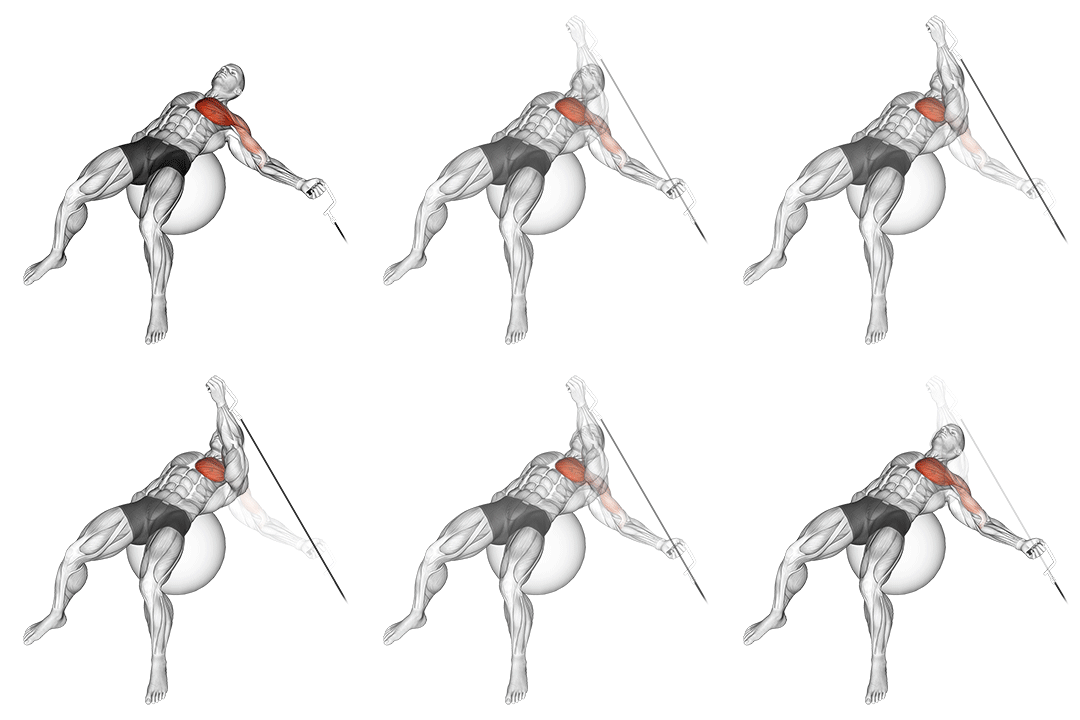
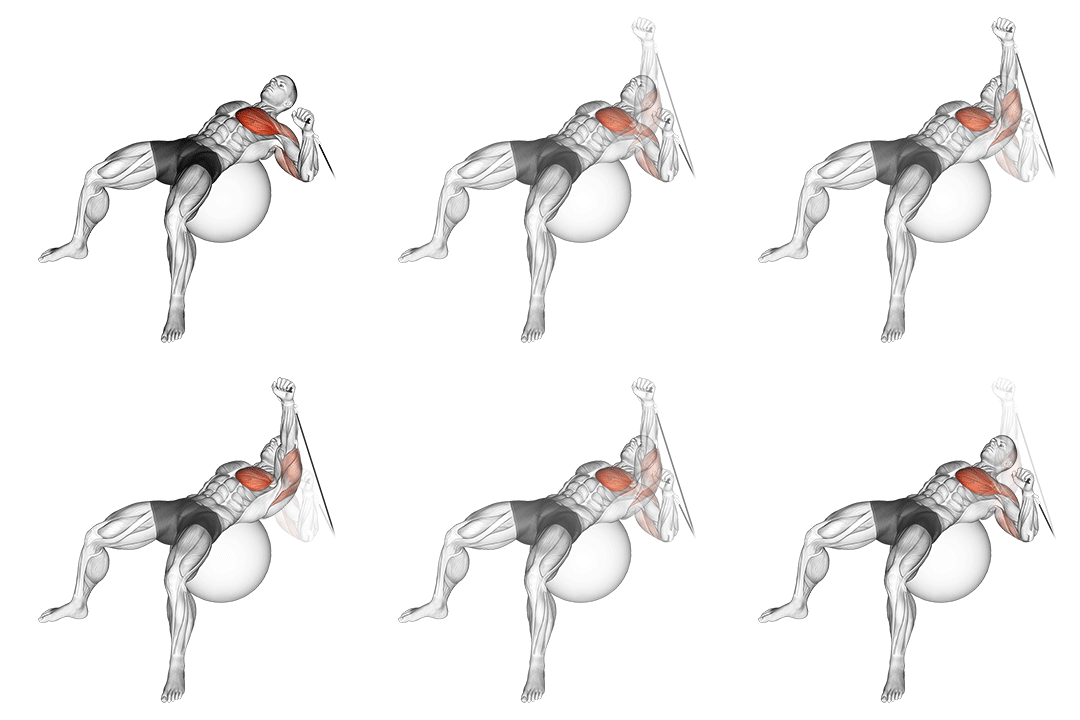
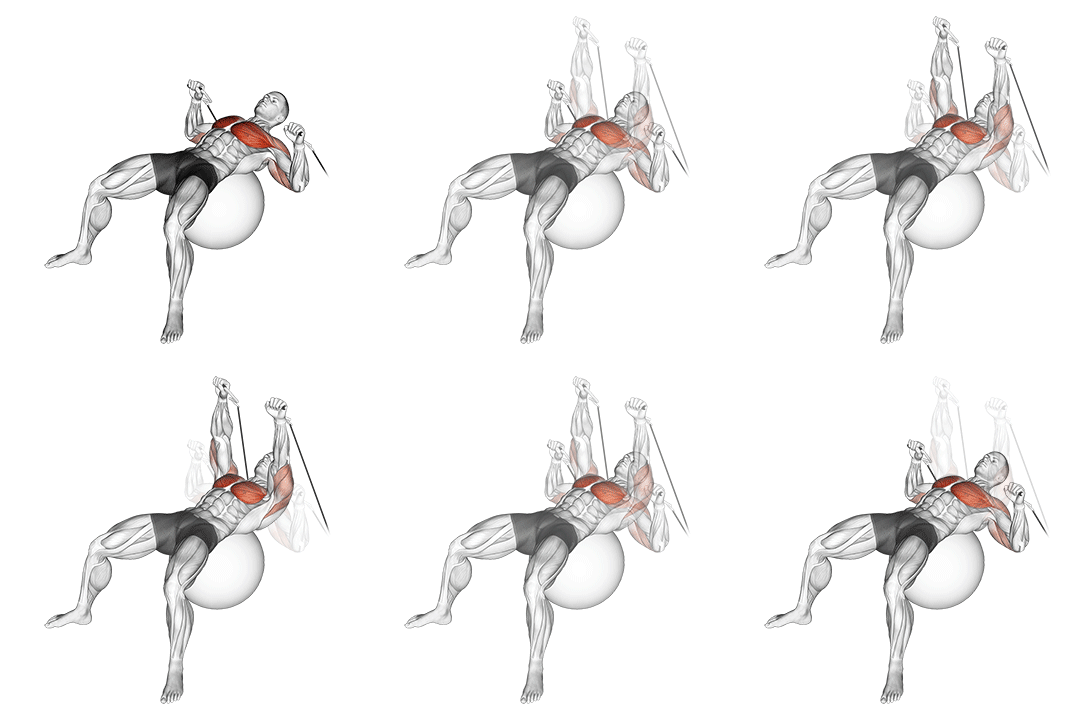
More comparisons with Dumbbell One Arm Chest Fly On Exercise Ball
Compare More Exercises
Use our free comparison tool to analyze any two exercises head-to-head.
Compare Exercises