

Cable Pulldown vs Pullups: Complete Comparison Guide
Cable Pulldown vs Pullups is a core debate for anyone building a thicker, wider back. You and I will break down how each exercise loads the lats, which secondary muscles fire, how equipment and technique change force vectors, and which choice fits specific goals like hypertrophy, strength, or home training. Expect clear cues for setup and execution, rep-range recommendations, and biomechanical reasoning based on muscle length-tension and joint angles so you can pick the more effective pull for your program.
Exercise Comparison
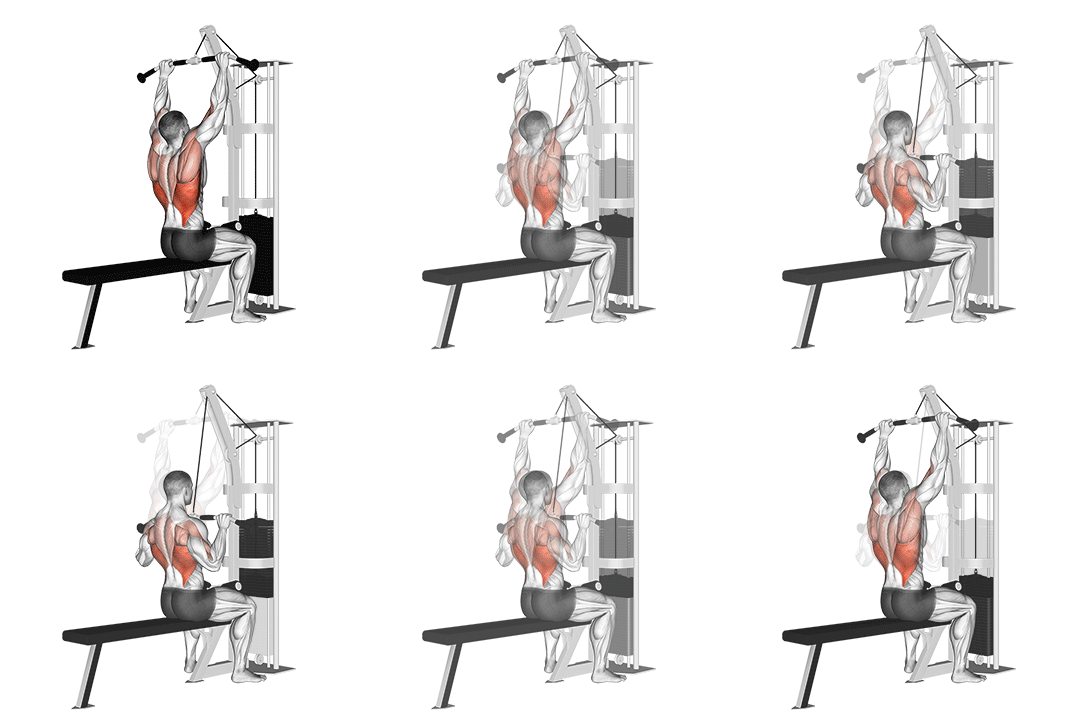
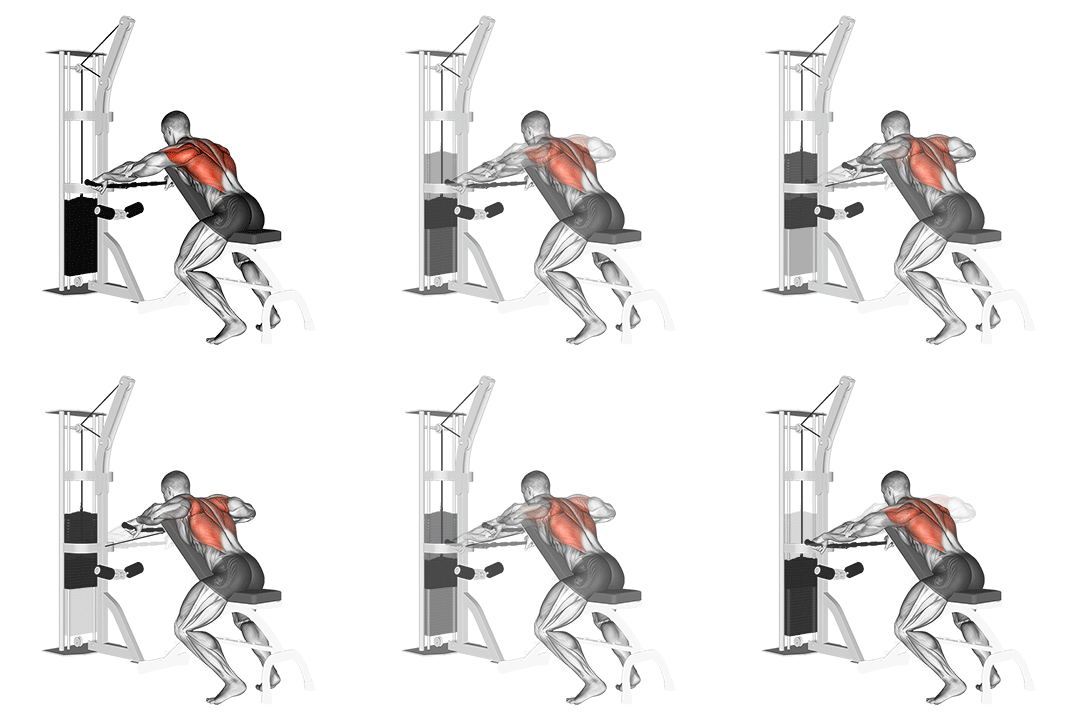
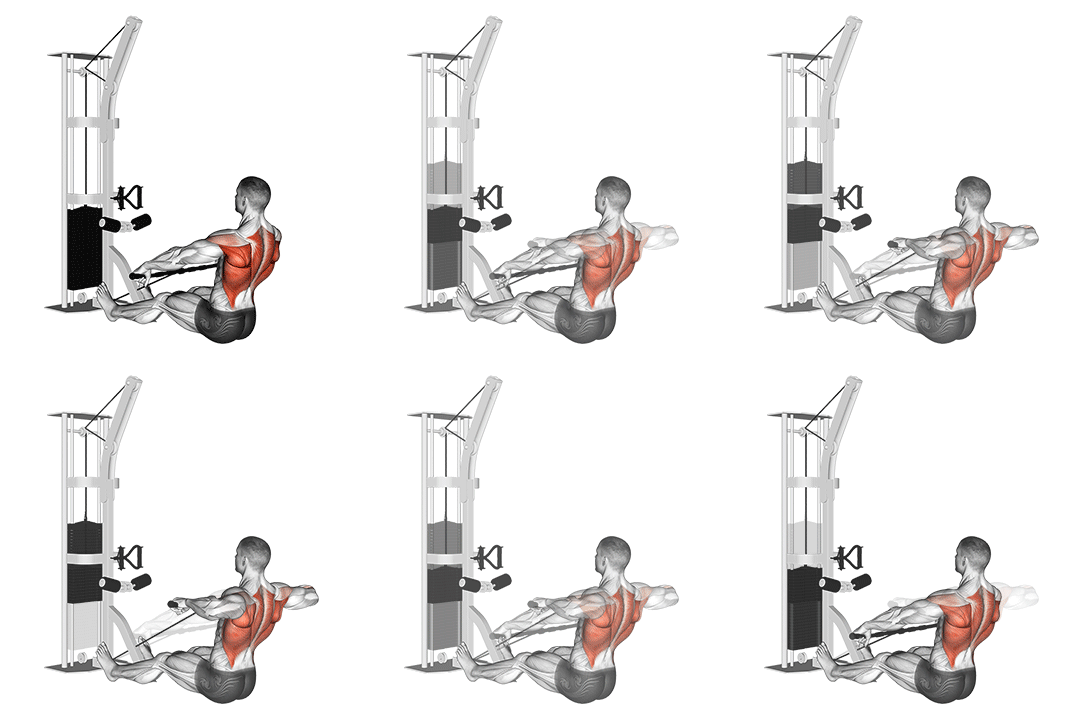
Cable Pulldown

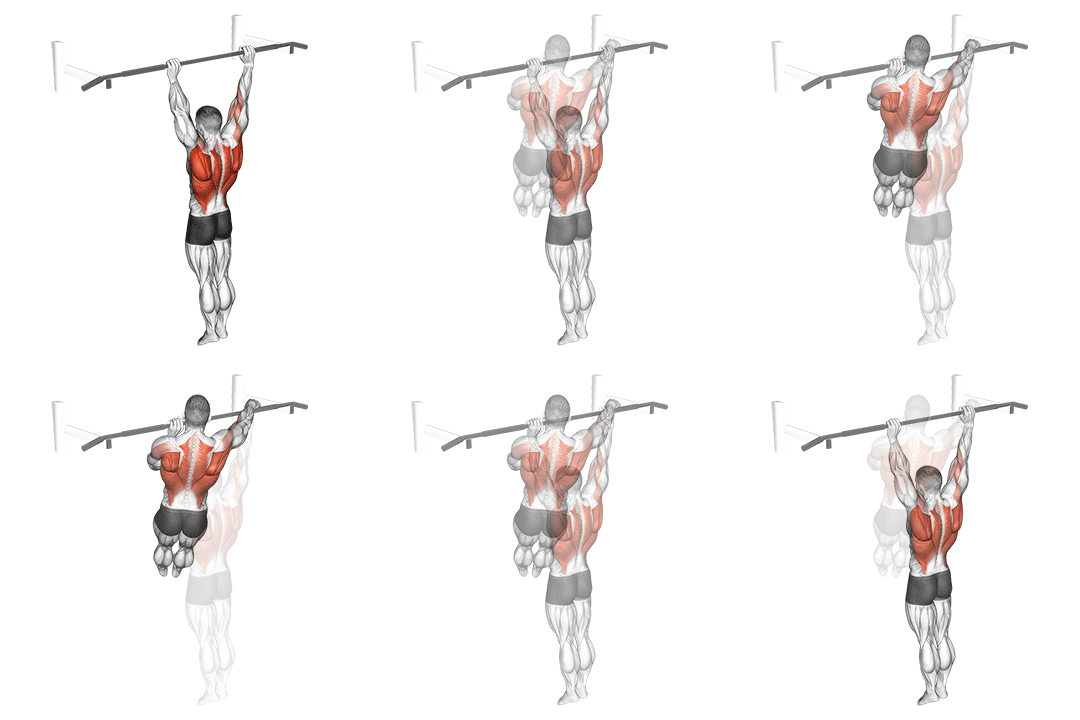
Pullups
Head-to-Head Comparison
| Attribute | Cable Pulldown | Pullups |
|---|---|---|
| Target Muscle |
Lats
|
Lats
|
| Body Part |
Back
|
Back
|
| Equipment |
Cable
|
Body-weight
|
| Difficulty |
Intermediate
|
Intermediate
|
| Movement Type |
Compound
|
Compound
|
| Secondary Muscles |
2
|
2
|
Secondary Muscles Activated
Cable Pulldown
Pullups
Visual Comparison
Overview
Cable Pulldown vs Pullups is a core debate for anyone building a thicker, wider back. You and I will break down how each exercise loads the lats, which secondary muscles fire, how equipment and technique change force vectors, and which choice fits specific goals like hypertrophy, strength, or home training. Expect clear cues for setup and execution, rep-range recommendations, and biomechanical reasoning based on muscle length-tension and joint angles so you can pick the more effective pull for your program.
Key Differences
- Equipment differs: Cable Pulldown uses Cable, while Pullups requires Body-weight.
Pros & Cons
Cable Pulldown
+ Pros
- Stable seated setup reduces need for core strength and isolates the lats
- Constant tension from the pulley supports controlled eccentrics and tempo work
- Easy to adjust load in small increments for progressive overload
- Safe option for trainees not yet able to do full bodyweight pullups
− Cons
- Less demand on scapular stabilizers and core compared with free-hanging pullups
- Requires gym equipment (cable machine) not available everywhere
- Some bars encourage a more upright torso, reducing transfer to real-world pulling
Pullups
+ Pros
- High transfer to real-world pulling strength and scapular control
- Can elicit slightly higher peak lat activation from a full-dead-hang start
- Minimal equipment required—easy to do at home or outdoors
- Wide progression options: weighted, paused, tempo, and grip variations
− Cons
- Higher technical demand on scapular depression/retraction and core stability
- Harder to load precisely for small progressive increases
- Beginners often need assistance bands or regressions to build capacity
When Each Exercise Wins
Cable Pulldown wins for hypertrophy because the pulley delivers constant tension through the range and makes tempo and volume easy to control; use 8–12 reps with 2–3 second eccentrics and short rests to maximize time under tension. The ability to microload by 2.5–5 lbs helps progressive overload when chasing incremental muscle growth.
Pullups are superior for pure strength because they require moving your whole body and allow heavy weighted variations; aim for sets of 3–6 reps with added weight to increase maximal force. The vertical bodyweight pull trains stabilizers and intermuscular coordination critical to increasing 1RM-style upper-body pulling strength.
Cable Pulldown is more beginner-friendly since the seated position and adjustable load let you learn scapular retraction and strict pulling mechanics at controlled intensities. Beginners can practice 3–4 sets of 8–15 reps while learning to cue scapular depression and maintain a 10–20 degree forward torso lean.
Pullups win for home training because a single bar or doorway setup provides the full exercise with no machine required. Assisted bands or weighted vests offer cheap progression methods, making pullups scalable and practical outside the gym.
Frequently Asked Questions
Can I do both Cable Pulldown and Pullups in the same workout?
Yes. A productive sequence is to perform pullups first if you want to target strength (3–6 heavy reps), then use cable pulldowns for higher-volume hypertrophy (8–15 reps) as an assistance movement to increase total back workload.
Which exercise is better for beginners?
Cable Pulldown is generally better for beginners because it allows you to learn scapular retraction and strict concentric-eccentric control at low loads. Once you can perform controlled sets of 8–12 reps and maintain scapular control, introduce assisted pullups.
How do the muscle activation patterns differ?
Pulldowns create steady, machine-driven tension with peak force near the bottom of the rep, while pullups require higher initial concentric force from a dead hang and greater eccentric control. Pullups recruit more scapular stabilizers and core due to the free-hanging body position.
Can Pullups replace Cable Pulldown?
Pullups can replace pulldowns for strength and functional carryover, but they don’t always replicate the steady tension and microloading options of a cable machine for hypertrophy. Use pullups as a core lift and pulldowns as an accessory to increase volume if hypertrophy is the goal.
Expert Verdict
Use Cable Pulldown when your priority is controlled hypertrophy, precise loading, and isolating the lats without demanding heavy core or scapular strength. Its constant tension and microloading make it ideal for 8–12 rep hypertrophy blocks and tempo-focused sets. Choose Pullups when you want to develop raw pulling strength, scapular stability, and functional transfer; weighted pullups and eccentric overloading in the 3–6 rep range build maximal force. If you’re a beginner, start with pulldown work to build movement patterns, then integrate pullup progressions (assisted, negatives) as you gain strength. Both belong in a well-rounded program.
Also Compare
More comparisons with Cable Pulldown
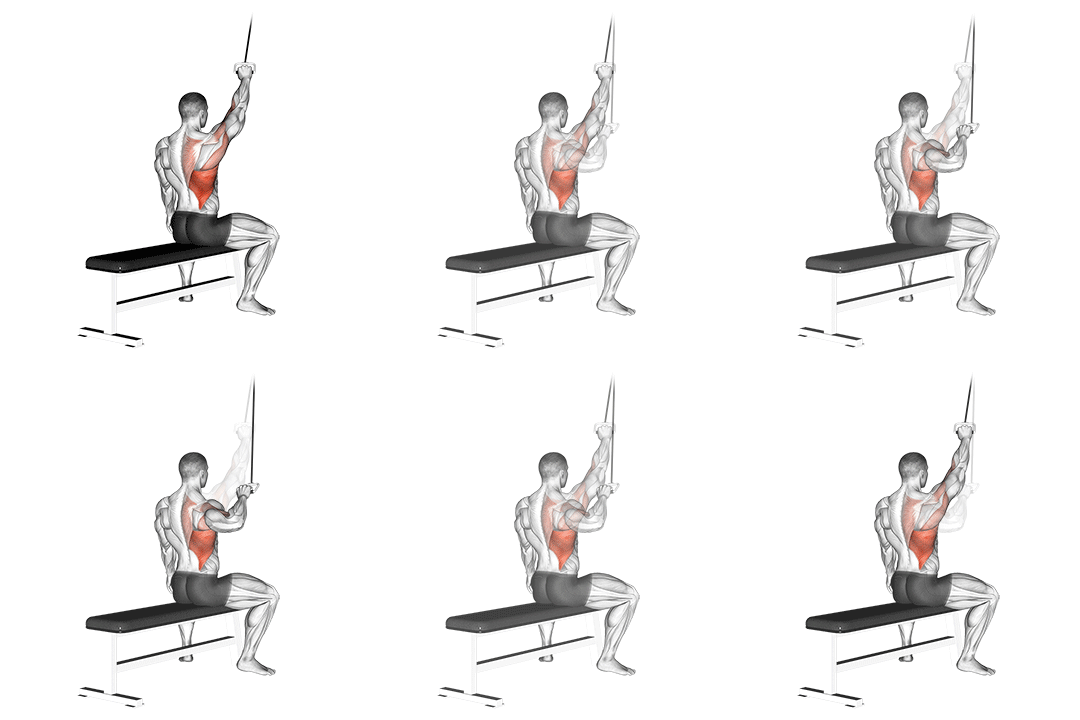
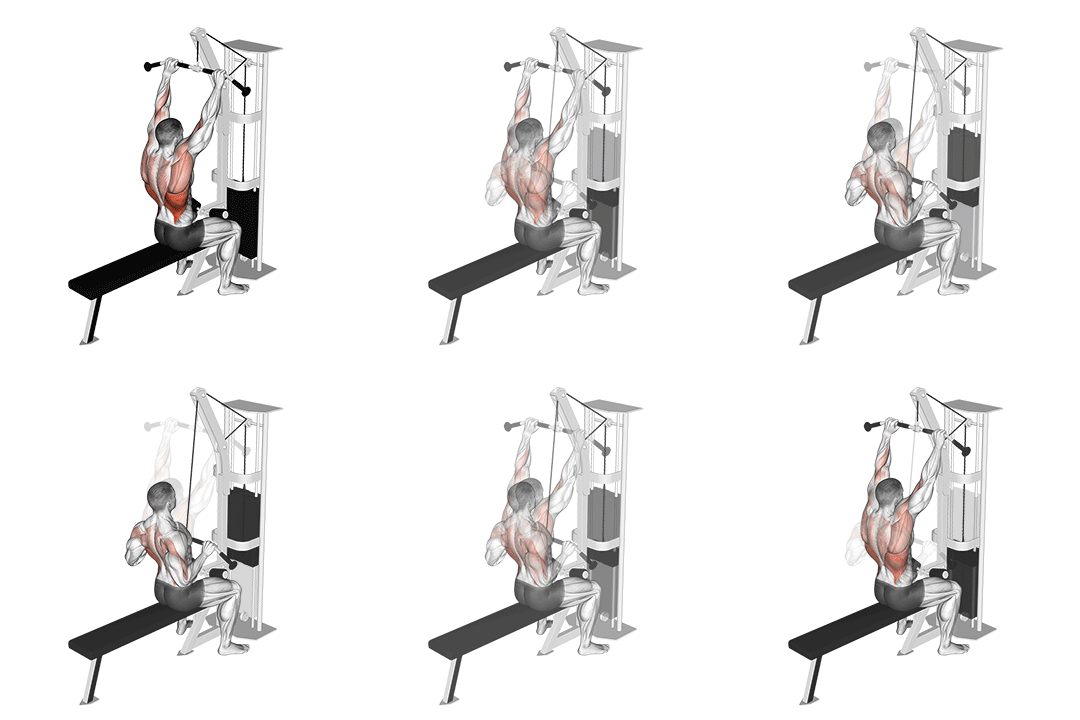
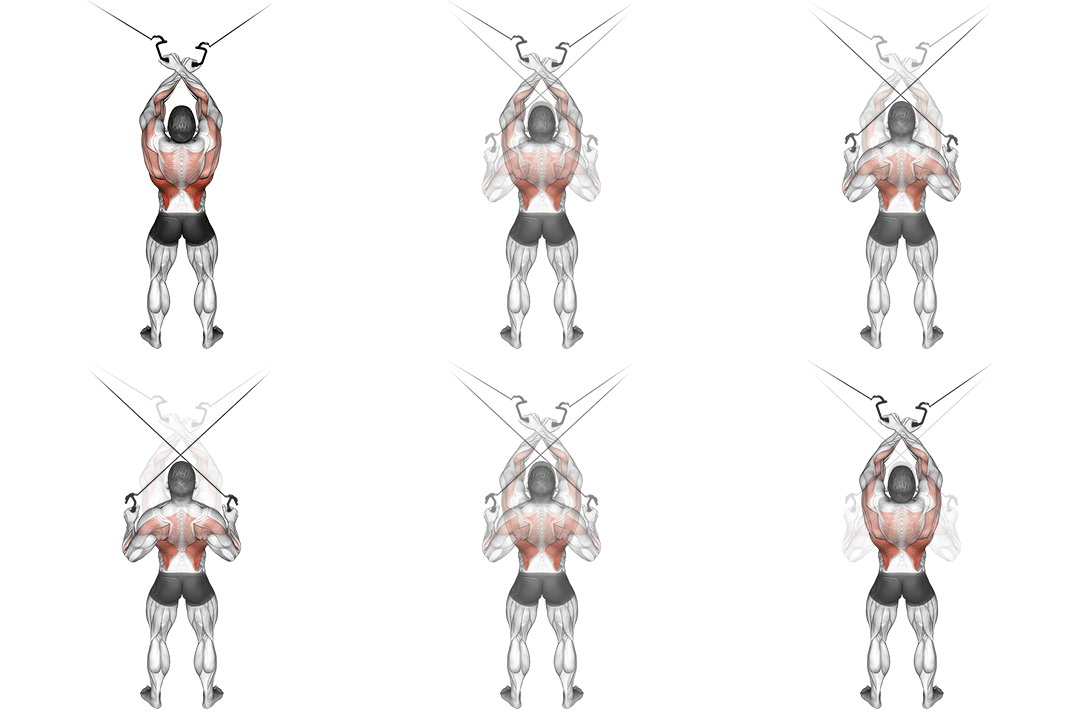
Compare More Exercises
Use our free comparison tool to analyze any two exercises head-to-head.
Compare Exercises