

Calf Stretch With Rope vs Peroneals Stretch: Complete Comparison Guide
Calf Stretch With Rope vs Peroneals Stretch — two simple lower-leg stretches you can add to any routine. You’ll get a direct comparison of which targets the calf muscles more effectively, how each recruits secondary muscles like hamstrings and ankles, the exact equipment and setup you need, and clear technique cues to get safe, measurable progress. I’ll cover activation patterns, recommended hold times (30–60 seconds), common errors, and practical recommendations so you can pick the right stretch for your mobility, rehab, or warm-up goals.
Exercise Comparison
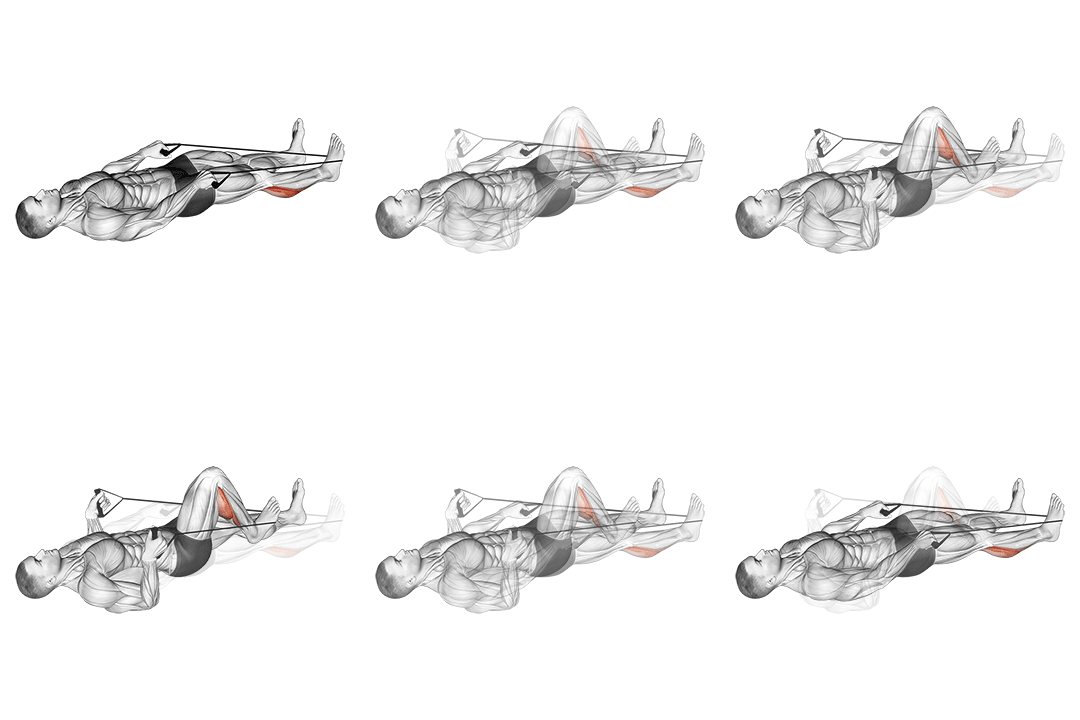
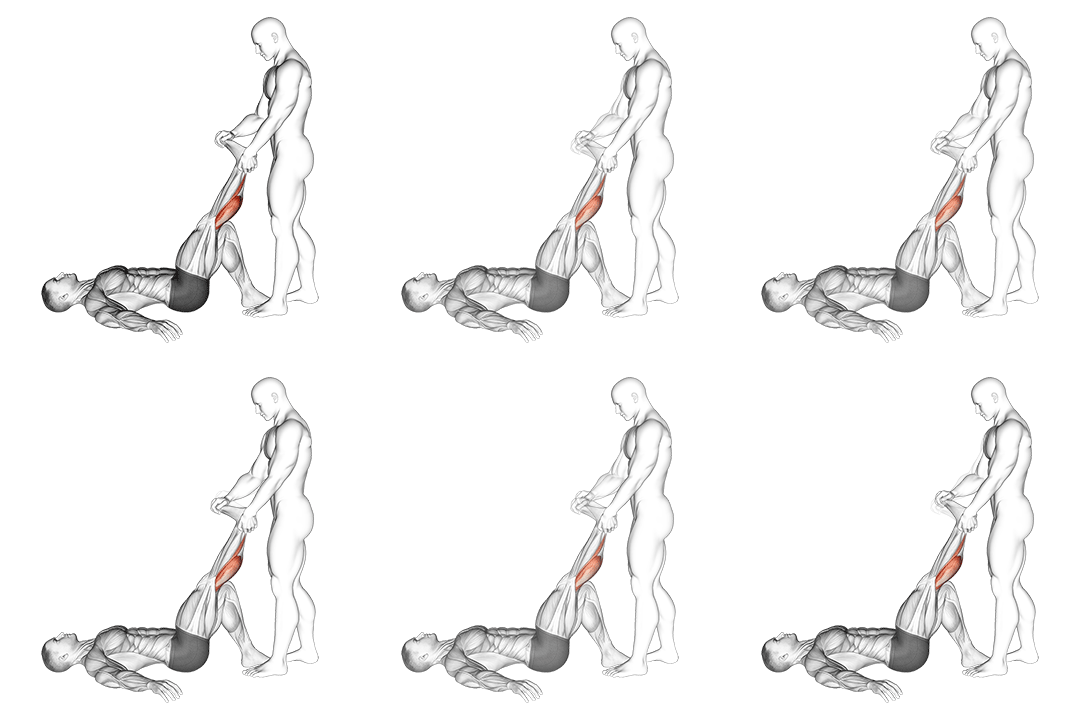
Calf Stretch With Rope
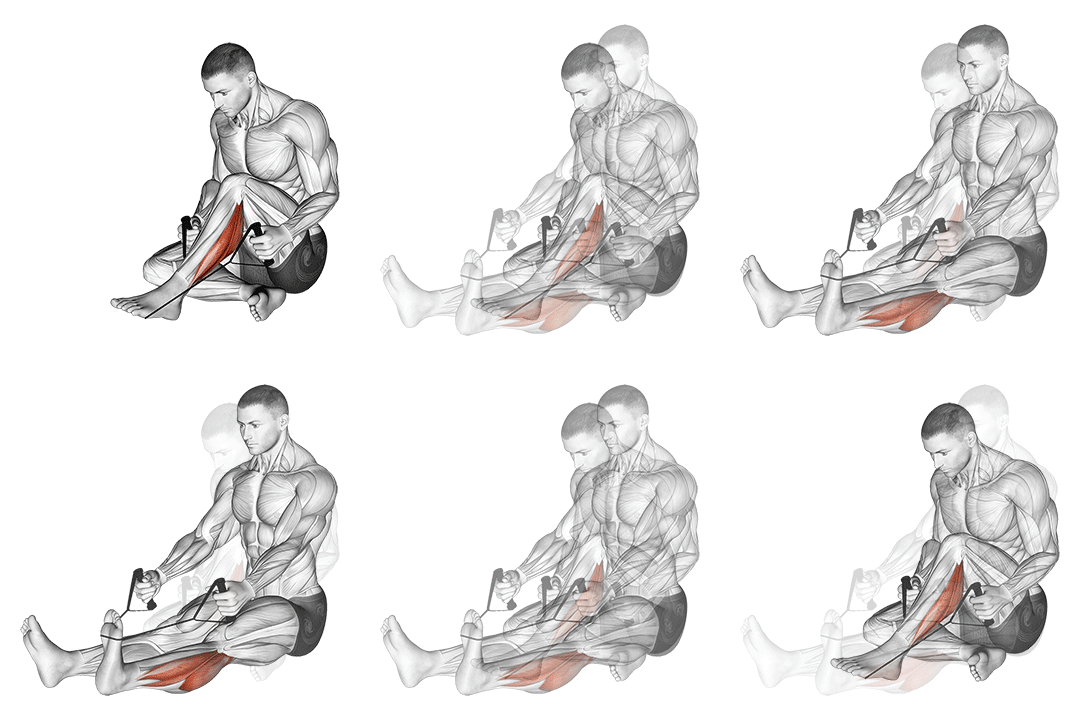
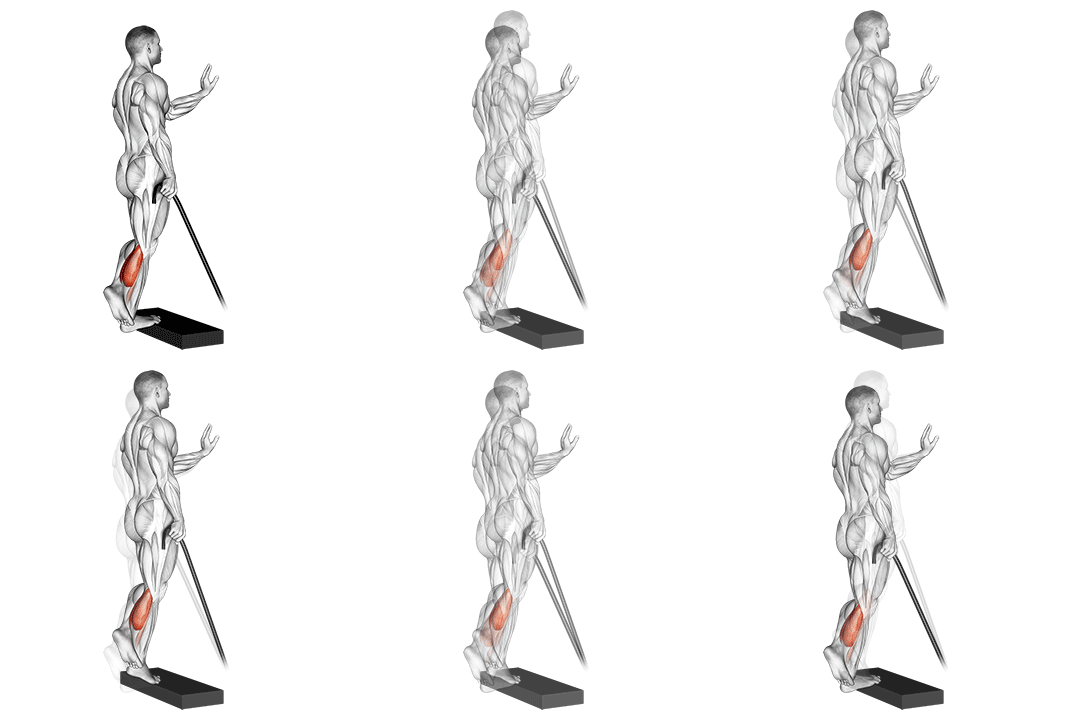
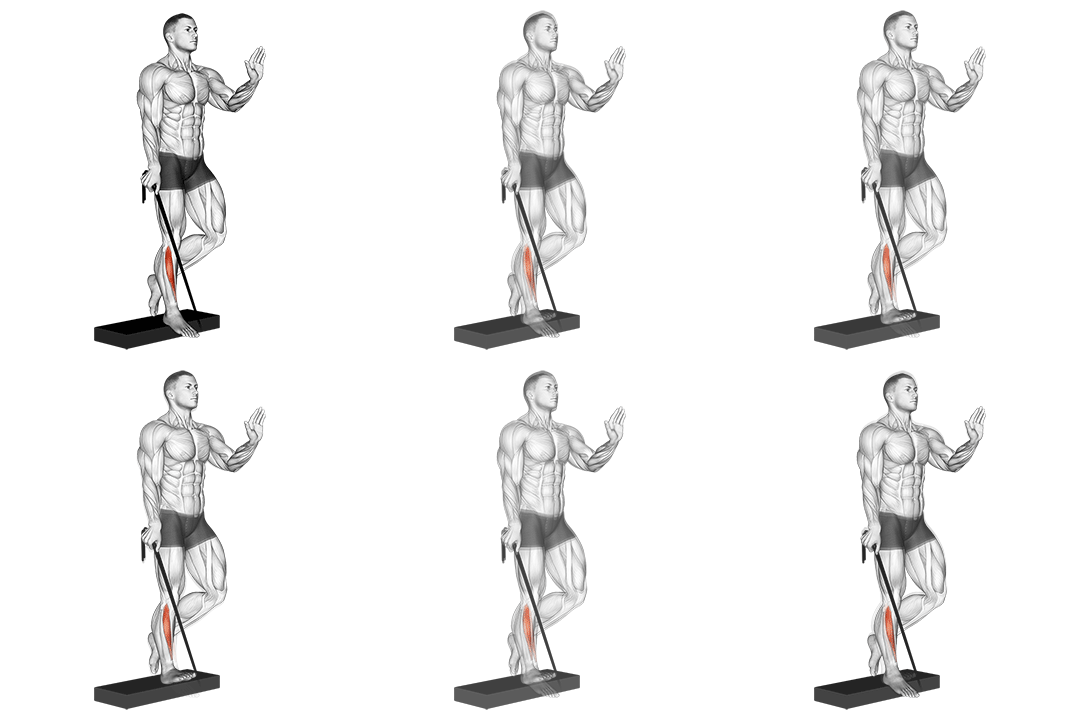
Peroneals Stretch
Head-to-Head Comparison
| Attribute | Calf Stretch With Rope | Peroneals Stretch |
|---|---|---|
| Target Muscle |
Calves
|
Calves
|
| Body Part |
Lower-legs
|
Lower-legs
|
| Equipment |
Rope
|
Rope
|
| Difficulty |
Beginner
|
Beginner
|
| Movement Type |
Isolation
|
Isolation
|
| Secondary Muscles |
1
|
2
|
Secondary Muscles Activated
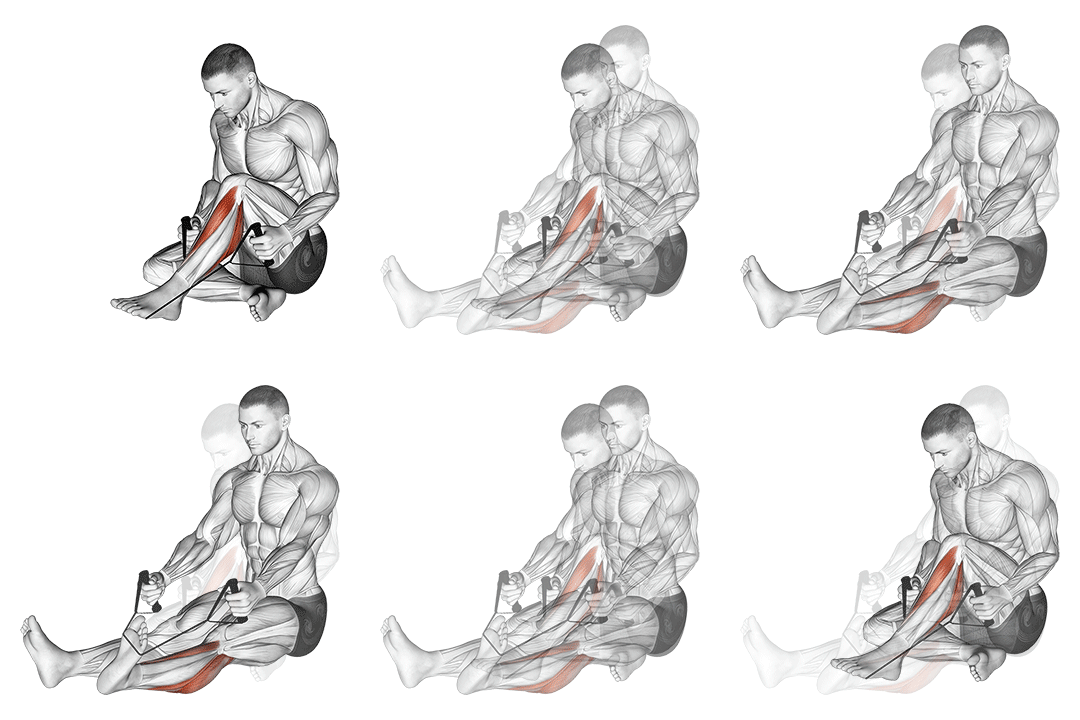
Calf Stretch With Rope
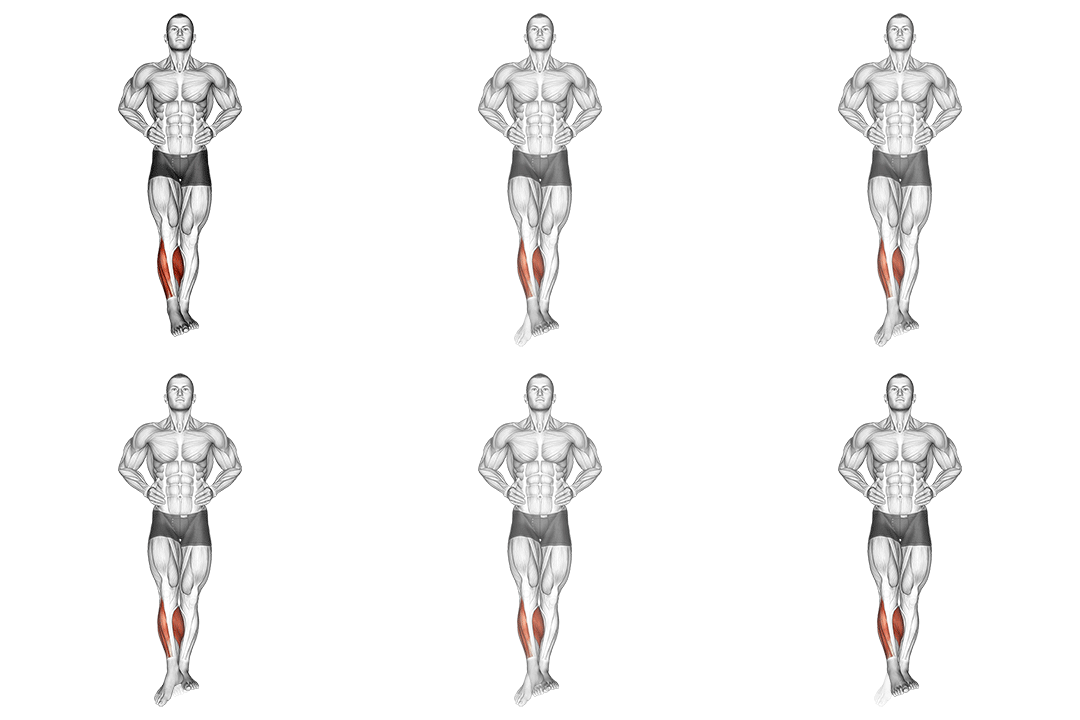
Peroneals Stretch
Visual Comparison
Overview
Calf Stretch With Rope vs Peroneals Stretch — two simple lower-leg stretches you can add to any routine. You’ll get a direct comparison of which targets the calf muscles more effectively, how each recruits secondary muscles like hamstrings and ankles, the exact equipment and setup you need, and clear technique cues to get safe, measurable progress. I’ll cover activation patterns, recommended hold times (30–60 seconds), common errors, and practical recommendations so you can pick the right stretch for your mobility, rehab, or warm-up goals.
Key Differences
- Both exercises target the Calves using Rope. The main differences are in their movement patterns and muscle activation angles.
Pros & Cons
Calf Stretch With Rope
+ Pros
- Loads the gastrocnemius through a larger dorsiflexion range for better lengthening
- Easy to modify knee angle to target gastroc vs soleus
- Good for improving ankle dorsiflexion ROM (aim for 10–25°)
- Useful warm-up for loaded calf work and posterior chain mobility
− Cons
- Requires an anchor or partner for stable tension
- Risk of over-stretching Achilles if you exceed comfortable dorsiflexion
- Less direct targeting of lateral ankle stabilizers (peroneals)
Peroneals Stretch
+ Pros
- Highly accessible—can be performed seated or standing with minimal gear
- Directly loads peroneal muscles and lateral ankle stabilizers
- Useful for ankle rehab and foot stability work
- Lower setup time; easy to pair with balance drills
− Cons
- Less effective at maximizing gastrocnemius length compared with rope dorsiflexion
- Limited progression options beyond balance and range increases
- Can irritate unstable or acutely injured ankles if performed aggressively
When Each Exercise Wins
Calf Stretch With Rope creates a larger sustained stretch across the gastrocnemius length‑tension curve and can be loaded or held for long durations (60–90 s) to support stretch-mediated muscle growth. The ability to modify knee angle lets you preferentially bias gastrocnemius for targeted adaptation.
While neither is a primary strength exercise, improving dorsiflexion ROM and tissue compliance with the rope stretch allows stronger, fuller-range calf raises and loaded plantarflexion work. That improved ROM converts to greater force production during concentric calf strengthening.
Peroneals Stretch is simpler to learn—basic inversion/eversion control with short holds (30–45 s) and no anchor. It teaches ankle awareness and stability without the coordination required to tension a rope and manage knee position.
Peroneals Stretch needs only a towel or no equipment and can be done seated, so it fits home routines better. The rope calf stretch still works at home but often needs a door anchor or partner to get consistent tension.
Frequently Asked Questions
Can I do both Calf Stretch With Rope and Peroneals Stretch in the same workout?
Yes. Sequence Peroneals Stretch first if you’re addressing ankle stability, then do rope calf stretches to push dorsiflexion safely. Keep total stretch time per muscle group to 3–6 minutes and use controlled holds (30–60 s) to avoid fatigue.
Which exercise is better for beginners?
Peroneals Stretch is better for beginners due to simple cues and minimal setup; it teaches ankle control and foot awareness. Once you’re comfortable, add Calf Stretch With Rope to expand dorsiflexion and posterior chain length.
How do the muscle activation patterns differ?
The rope calf stretch produces a posterior force vector that lengthens gastrocnemius/soleus through greater dorsiflexion and, when the knee is extended, increases hamstring tension. The peroneals stretch applies a lateral eversion/plantarflexion vector that concentrates strain on peroneus longus and brevis and on intrinsic foot stabilizers.
Can Peroneals Stretch replace Calf Stretch With Rope?
Not if your goal is full ankle dorsiflexion or targeted gastrocnemius lengthening—Peroneals Stretch does not produce the same sagittal-plane dorsiflexion moment. It can replace rope stretching for stability and rehab goals, but use the rope stretch when you need greater ROM or progression potential.
Expert Verdict
Use Calf Stretch With Rope when your priority is improving dorsiflexion range and loading the gastrocnemius/soleus complex—especially if you plan progressive loading or want to bias the hamstrings via knee extension. Aim for controlled holds of 30–90 seconds, 2–4 sets, and avoid forcing dorsiflexion past comfort (keep under ~25°). Choose Peroneals Stretch when you want to improve lateral ankle stability, rehab peroneal tendons, or need a no‑anchor, beginner‑friendly option. Both have low time cost; pair them based on need—rope stretch for ROM and progression, peroneals for stability and rehab.
Also Compare
More comparisons with Calf Stretch With Rope
Compare More Exercises
Use our free comparison tool to analyze any two exercises head-to-head.
Compare Exercises