

Calf Stretch With Rope vs Posterior Tibialis Stretch: Complete Comparison Guide
Calf Stretch With Rope vs Posterior Tibialis Stretch — you want better ankle mobility, less calf tightness, or targeted rehab and need to choose one. I’ll walk you through how each stretch loads the calf complex, which parts of the lower leg they emphasize, the equipment and setup, technique cues, and clear situations where one outperforms the other. Expect actionable cues (ankle angles, hold times, and progression options), biomechanics that explain why one stretch feels different, and practical recommendations you can use in your next warm-up or rehab session.
Exercise Comparison
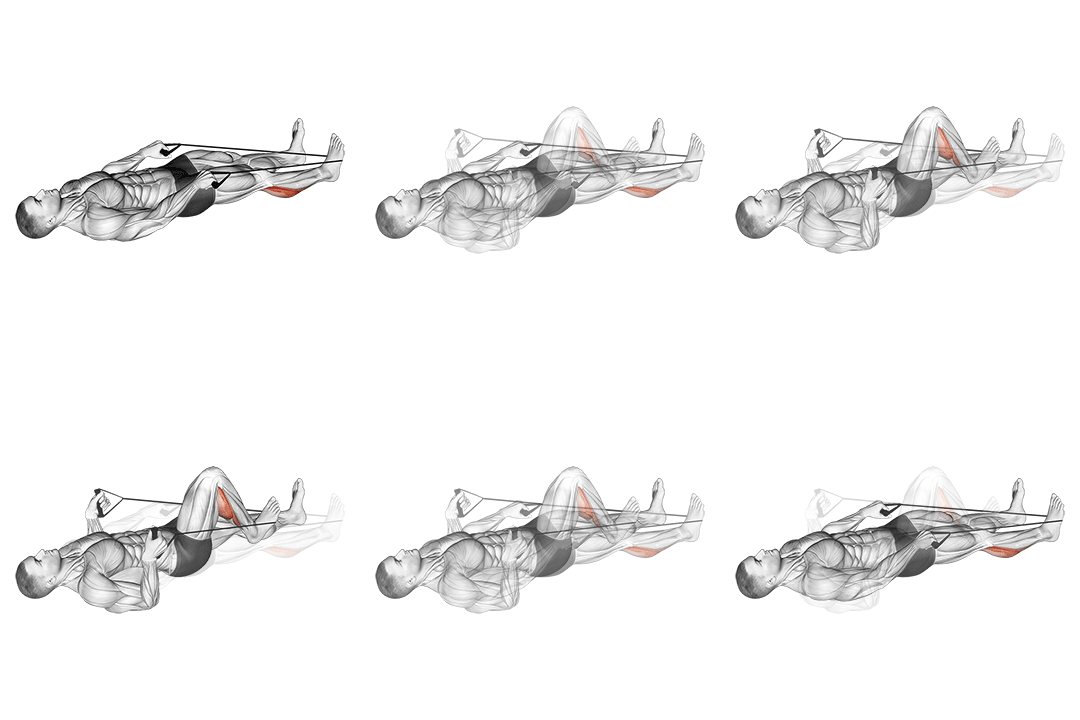
Calf Stretch With Rope
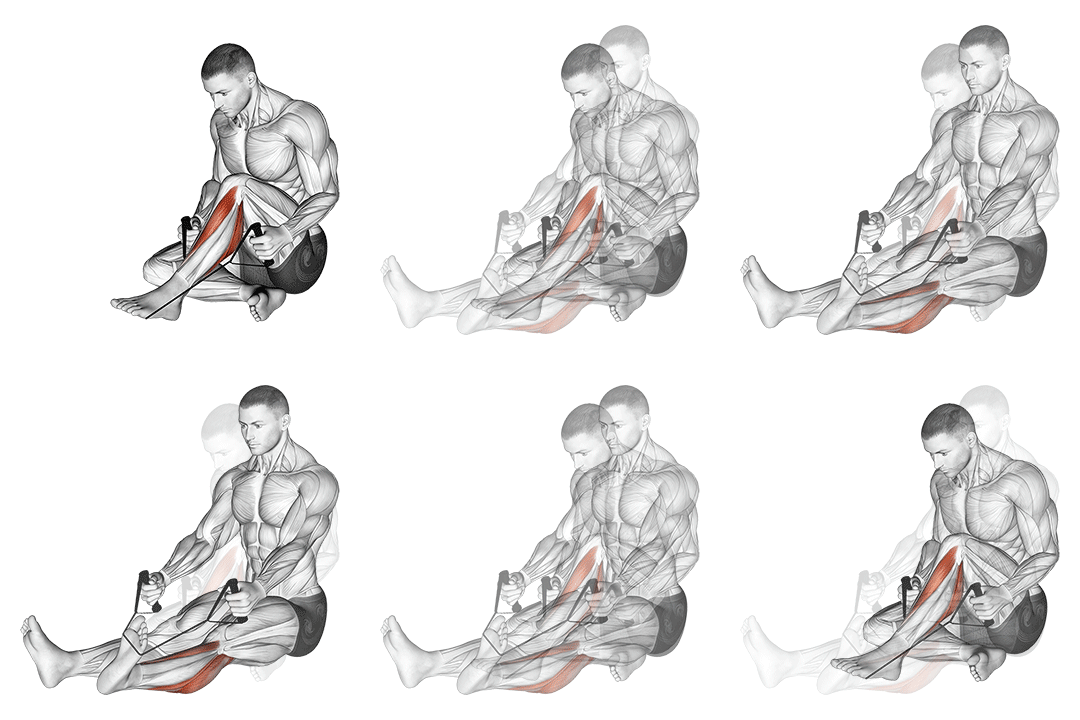
Posterior Tibialis Stretch
Head-to-Head Comparison
| Attribute | Calf Stretch With Rope | Posterior Tibialis Stretch |
|---|---|---|
| Target Muscle |
Calves
|
Calves
|
| Body Part |
Lower-legs
|
Lower-legs
|
| Equipment |
Rope
|
Rope
|
| Difficulty |
Beginner
|
Beginner
|
| Movement Type |
Isolation
|
Isolation
|
| Secondary Muscles |
1
|
2
|
Secondary Muscles Activated
Calf Stretch With Rope
Posterior Tibialis Stretch
Visual Comparison
Overview
Calf Stretch With Rope vs Posterior Tibialis Stretch — you want better ankle mobility, less calf tightness, or targeted rehab and need to choose one. I’ll walk you through how each stretch loads the calf complex, which parts of the lower leg they emphasize, the equipment and setup, technique cues, and clear situations where one outperforms the other. Expect actionable cues (ankle angles, hold times, and progression options), biomechanics that explain why one stretch feels different, and practical recommendations you can use in your next warm-up or rehab session.
Key Differences
- Both exercises target the Calves using Rope. The main differences are in their movement patterns and muscle activation angles.
Pros & Cons
Calf Stretch With Rope
+ Pros
- Directly targets gastrocnemius and soleus through controlled dorsiflexion
- Simple setup with rope or strap and easy technique cues
- Scalable: change knee angle, hold time (30–90s), or pair with eccentrics
- Highly transferable to athletic dorsiflexion demands and running mechanics
− Cons
- Can overstretch Achilles if forced beyond 15–20 degrees of dorsiflexion
- Less targeted for medial tibialis posterior and arch-specific restrictions
- Requires an anchor point or partner for maximal passive tension
Posterior Tibialis Stretch
+ Pros
- Specifically targets the posterior tibialis and medial calf structures
- Improves medial arch mobility and helps with tibialis posterior tendinopathy rehab
- Useful for correcting excessive foot inversion patterns
- Can be integrated with balance and eccentric strengthening for rehab
− Cons
- Requires precise foot positioning (dorsiflexion + eversion), which is harder to self-cue
- Greater risk of stressing the medial ankle if overdone
- Less straightforward progression for increased muscle-length stimulus compared with standard calf stretches
When Each Exercise Wins
Calf Stretch With Rope better facilitates long-duration stretch under tension and can be paired with loaded eccentrics and longer holds (30–90 seconds), which supports stretch-mediated muscle growth in the gastrocnemius and soleus. Posterior Tibialis Stretch targets a smaller deep muscle and has less direct hypertrophy utility.
Strength improvements for plantarflexion come from progressive loading and eccentric work; the rope stretch integrates easily into warm-ups and pairs with heavy calf raises and eccentric protocols. Posterior Tibialis Stretch is more about tendon rehab and foot mechanics than maximal plantarflexor torque production.
Calf Stretch With Rope has simpler setup and cues (pull into dorsiflexion, keep posture neutral) and lower technical demand, making it safer and faster to learn for general mobility. Posterior Tibialis Stretch needs careful alignment and coaching to avoid medial ankle strain.
You only need a strap or towel and a door anchor or partner to perform the rope calf stretch effectively at home, and it scales well with minimal equipment. Posterior Tibialis Stretch can be done at home but often needs more precise feedback or a band and balance surface to be effective and safe.
Frequently Asked Questions
Can I do both Calf Stretch With Rope and Posterior Tibialis Stretch in the same workout?
Yes. Start with the Posterior Tibialis Stretch for 20–30 second controlled holds to address medial restrictions, then perform Calf Stretch With Rope holds of 30–60 seconds to lengthen the larger gastrocnemius and soleus. Sequencing the medial work first helps ensure the posterior tibialis is not fatigued during broader calf mobilization.
Which exercise is better for beginners?
Calf Stretch With Rope is better for beginners because it has simpler cues and lower technical demand; hold 30–60 seconds with a neutral knee or slightly bent knee to bias soleus. Posterior Tibialis Stretch requires precise foot eversion and tibial control, so beginners should learn it with guidance.
How do the muscle activation patterns differ?
Calf Stretch With Rope mainly increases length-tension in gastrocnemius and soleus via dorsiflexion, with gastrocnemius more involved when the knee is extended (roughly 15–25% greater length effect). Posterior Tibialis Stretch shifts the force vector medially through dorsiflexion plus eversion, preferentially lengthening tibialis posterior and medial gastrocnemius fibers and influencing arch-support muscles.
Can Posterior Tibialis Stretch replace Calf Stretch With Rope?
Not completely. Posterior Tibialis Stretch is ideal for medial arch and tibialis posterior issues, but it doesn’t provide the same broad gastrocnemius and soleus lengthening that Calf Stretch With Rope does. Use Posterior Tibialis Stretch for targeted rehab and the rope calf stretch for general dorsiflexion and performance prep.
Expert Verdict
Use Calf Stretch With Rope when your goal is broad calf mobility, improving dorsiflexion for running and squatting, or pairing with progressive loading for muscle length-based progress. It’s easier to coach, scales via knee angle and added eccentrics, and suits beginners and home users. Use Posterior Tibialis Stretch when you have medial calf pain, tibialis posterior tendinopathy, or a need to restore arch mechanics and foot eversion control. For rehab and targeted medial stability work, start with gentle dorsiflexion-plus-eversion holds (20–30 seconds) and progress to resisted eversion and balance drills.
Also Compare
More comparisons with Calf Stretch With Rope
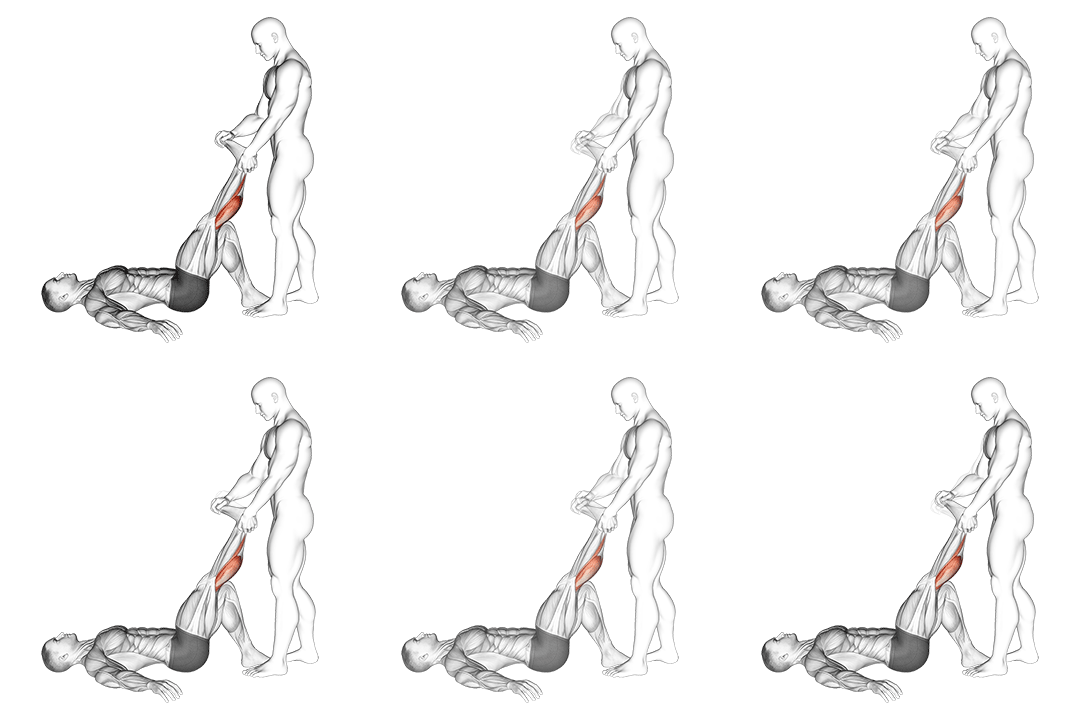
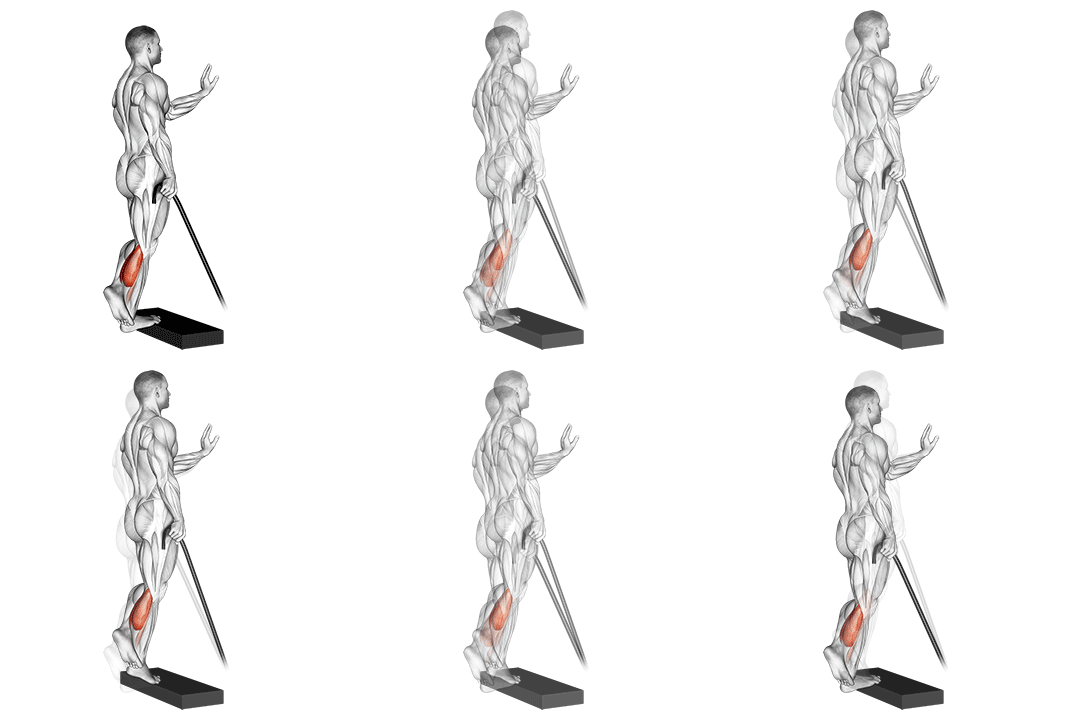
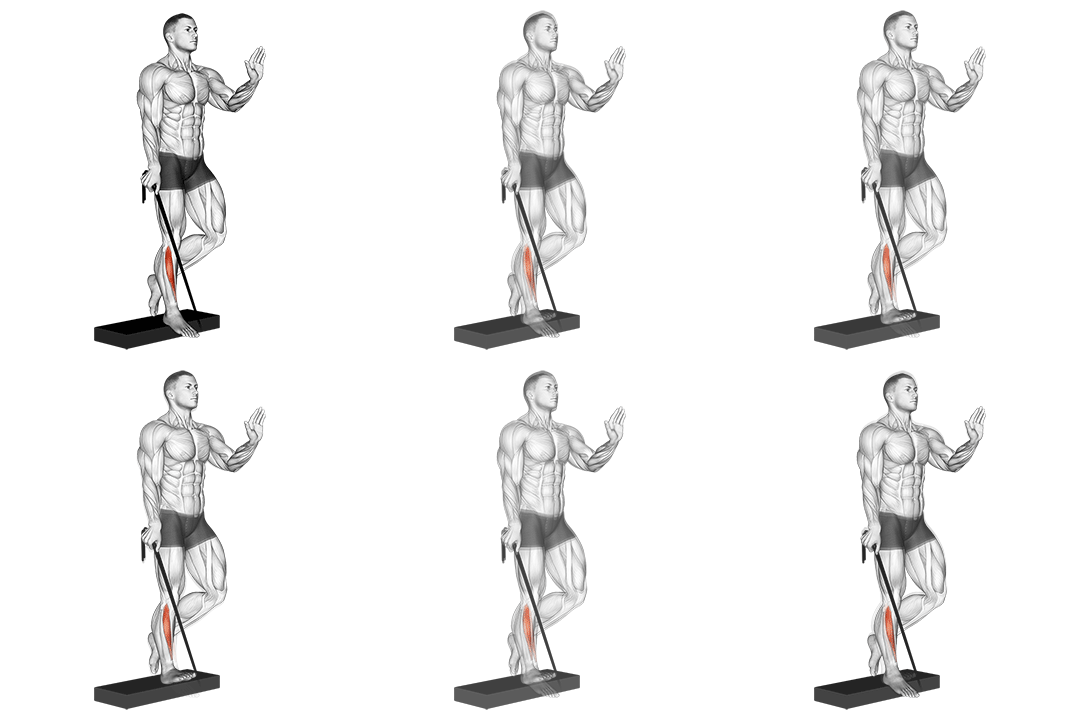
More comparisons with Posterior Tibialis Stretch
Compare More Exercises
Use our free comparison tool to analyze any two exercises head-to-head.
Compare Exercises