

Cat Stretch vs Keg Load: Complete Comparison Guide
Cat Stretch vs Keg Load — two very different ways to load your lower back. You’ll get direct comparisons of primary muscle activation, secondary recruitment, equipment needs, difficulty, and when to program each. I’ll give clear technique cues, rep ranges, and biomechanical reasons why one favors mobility and low-load spinal flexion while the other forces high axial and hip-hinge loads. Use this guide to pick the right movement for your session, whether you want mobility, muscle growth, or heavy posterior-chain development, and learn how to pair them safely in a program.
Exercise Comparison
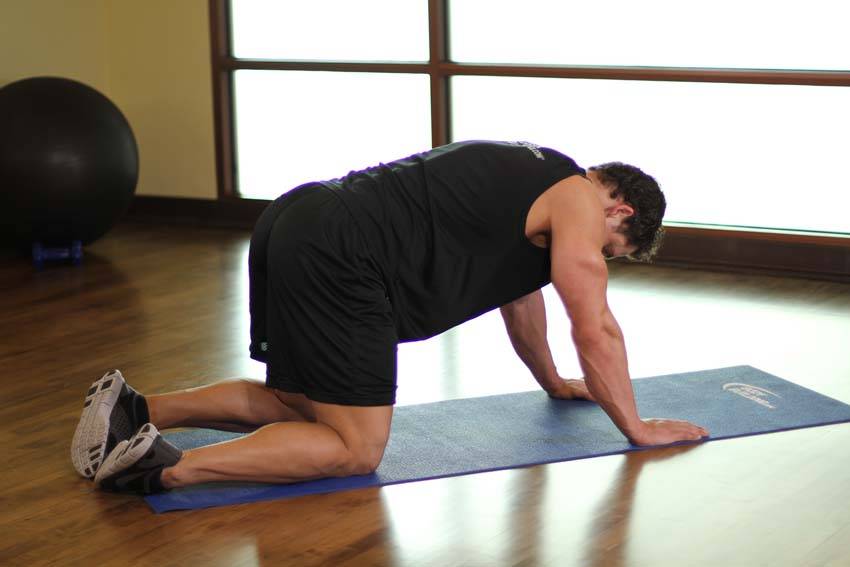
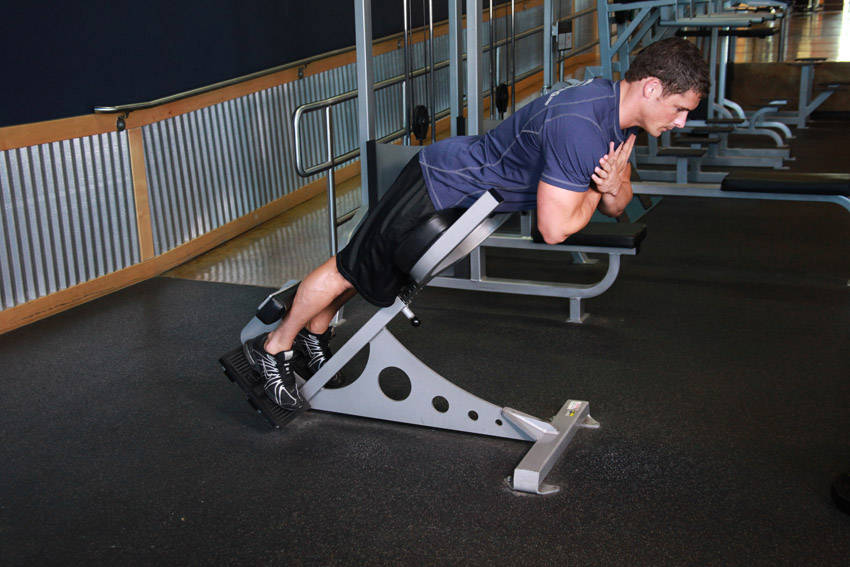
Cat Stretch
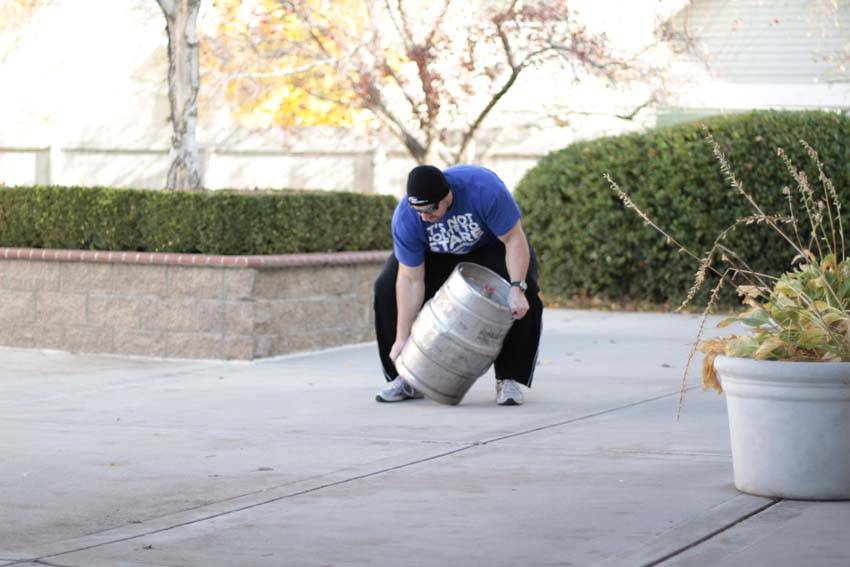
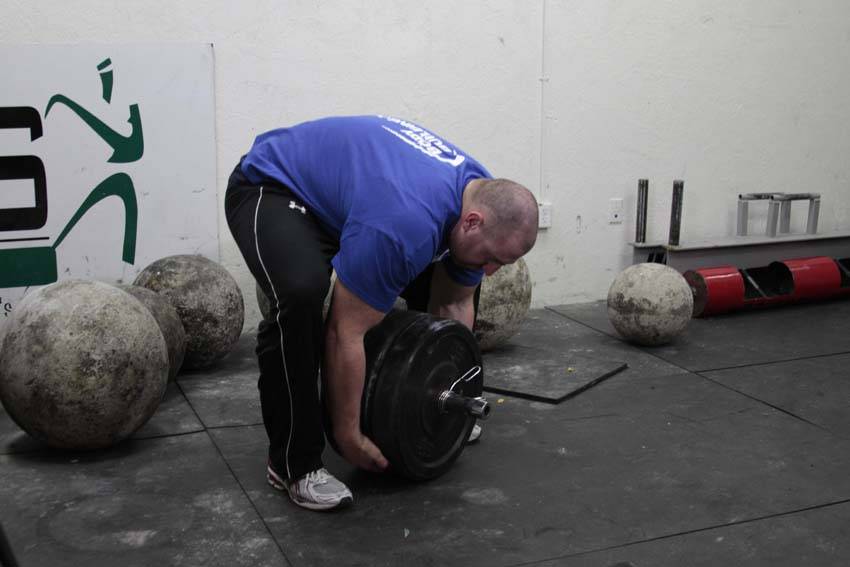
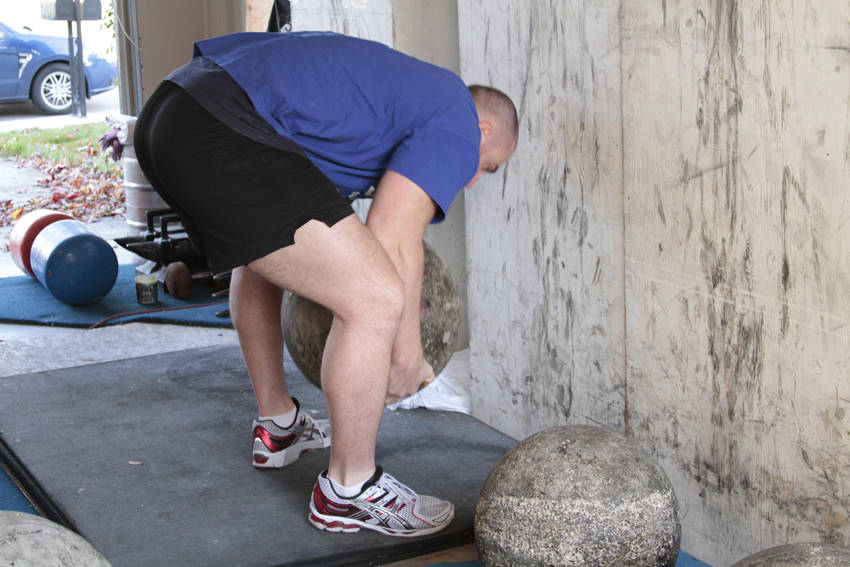
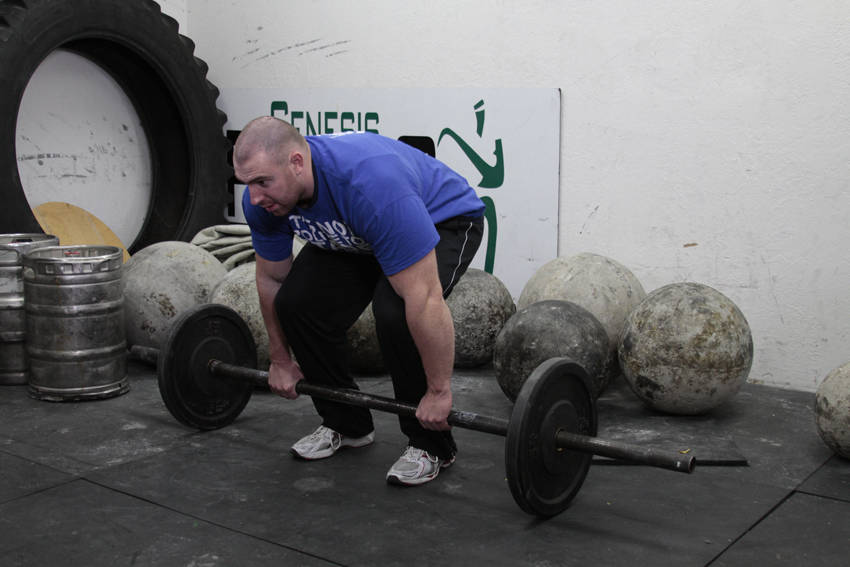
Keg Load
Head-to-Head Comparison
| Attribute | Cat Stretch | Keg Load |
|---|---|---|
| Target Muscle |
Lower-back
|
Lower-back
|
| Body Part |
Back
|
Back
|
| Equipment |
Body-weight
|
Other
|
| Difficulty |
Beginner
|
Advanced
|
| Movement Type |
Isolation
|
Compound
|
| Secondary Muscles |
2
|
10
|
Secondary Muscles Activated
Cat Stretch
Keg Load
Visual Comparison
Overview
Cat Stretch vs Keg Load — two very different ways to load your lower back. You’ll get direct comparisons of primary muscle activation, secondary recruitment, equipment needs, difficulty, and when to program each. I’ll give clear technique cues, rep ranges, and biomechanical reasons why one favors mobility and low-load spinal flexion while the other forces high axial and hip-hinge loads. Use this guide to pick the right movement for your session, whether you want mobility, muscle growth, or heavy posterior-chain development, and learn how to pair them safely in a program.
Key Differences
- Equipment differs: Cat Stretch uses Body-weight, while Keg Load requires Other.
- Cat Stretch is an isolation exercise, while Keg Load is a compound movement.
- Difficulty levels differ: Cat Stretch is beginner, while Keg Load is advanced.
Pros & Cons
Cat Stretch
+ Pros
- Zero equipment — can be done anywhere
- Excellent for lumbar mobility and neural control
- Low injury risk when performed slowly with control
- Easy to teach and scale with tempo or holds
− Cons
- Limited ability to drive significant muscle growth in lower-back
- No major overload options for strength progression
- Less carryover to high-force, real-world lifting demands
Keg Load
+ Pros
- High potential for lower-back strength and muscle growth
- Engages a broad chain of secondary muscles for functional transfer
- Easy to progressive overload with heavier kegs or distance
- Develops grip, core bracing, and hip-hinge power under load
− Cons
- Requires special equipment and more space
- Higher technical demand and injury risk when loaded incorrectly
- Not suitable for beginners or those with uncontrolled low-back pain
When Each Exercise Wins
Keg Load wins because heavy, repeated hip-hinge and carry patterns create greater time-under-tension and mechanical tension on the erectors and glutes. Use 6–12 rep sets or 3–6 heavy sets with progressive overload to stimulate muscle growth.
Keg Load produces larger external moments and requires maximal anti-flexion torque, making it superior for increasing lower-back and posterior-chain strength. Train in the 3–6 rep range with tight bracing and incremental load increases.
Cat Stretch is beginner-friendly because it teaches lumbar control, spinal mobility, and scapular movement patterns with minimal risk. Start with 8–15 controlled cycles or 10–20 second holds to build motor control before adding load.
Cat Stretch requires no equipment and minimal space, so it’s ideal for at-home sessions focused on mobility and recovery. It complements body-weight routines and can be done daily without special gear.
Frequently Asked Questions
Can I do both Cat Stretch and Keg Load in the same workout?
Yes. Use Cat Stretch as an active warm-up to improve lumbar mobility and scapular rhythm with 8–12 slow cycles before Keg Load. Follow with heavy Keg Load sets (3–6 reps) once your core is braced and hips are primed to reduce injury risk.
Which exercise is better for beginners?
Cat Stretch is better for beginners because it trains spinal control and thoracic mobility without heavy load. Beginners should perform 8–15 controlled repetitions and only progress to loaded variations after mastering core bracing and hip-hinge patterns.
How do the muscle activation patterns differ?
Cat Stretch produces low-amplitude, phasic activation of erectors and middle back during flexion-extension, favoring mobility and neural control. Keg Load produces sustained, high-amplitude isometric and concentric activation to resist spinal flexion and drive hip extension under heavy axial load.
Can Keg Load replace Cat Stretch?
Keg Load cannot fully replace Cat Stretch: Keg Load develops strength and load tolerance, but it doesn’t safely teach the slow, controlled lumbar mobility and scapular rhythm that Cat Stretch provides. Keep Cat Stretch for warm-ups and mobility work even if you perform Keg Load for strength.
Expert Verdict
Use Cat Stretch when your goal is mobility, pain-free spinal movement, and early-stage motor control. It’s perfect for daily warm-ups, rehabilitation, and building thoracic and lumbar rhythm using slow 8–15 cycles or 10–30s holds. Pick Keg Load when you need heavy posterior-chain stimulus, robust lower-back strengthening, or functional carry strength; program 3–6 heavy sets or 6–12 hypertrophy sets with strict bracing and progressive overload. If you train both, use Cat Stretch for warm-up and recovery, and Keg Load for your heavy posterior-chain sessions — but only after you’ve mastered hip-hinge mechanics and abdominal bracing.
Also Compare
More comparisons with Cat Stretch
Compare More Exercises
Use our free comparison tool to analyze any two exercises head-to-head.
Compare Exercises