

Clean Deadlift vs Sumo Deadlift: Complete Comparison Guide
Clean Deadlift vs Sumo Deadlift — which one should you add to your program? You’ll get a direct comparison of technique cues, biomechanics, muscle activation, equipment needs, and who should use each lift. I’ll show you how they load the hamstrings and upper legs, the key secondary muscles they recruit, rep ranges for hypertrophy (6–12) and strength (1–5), and clear recommendations so you can pick the better lift for your goals.
Exercise Comparison
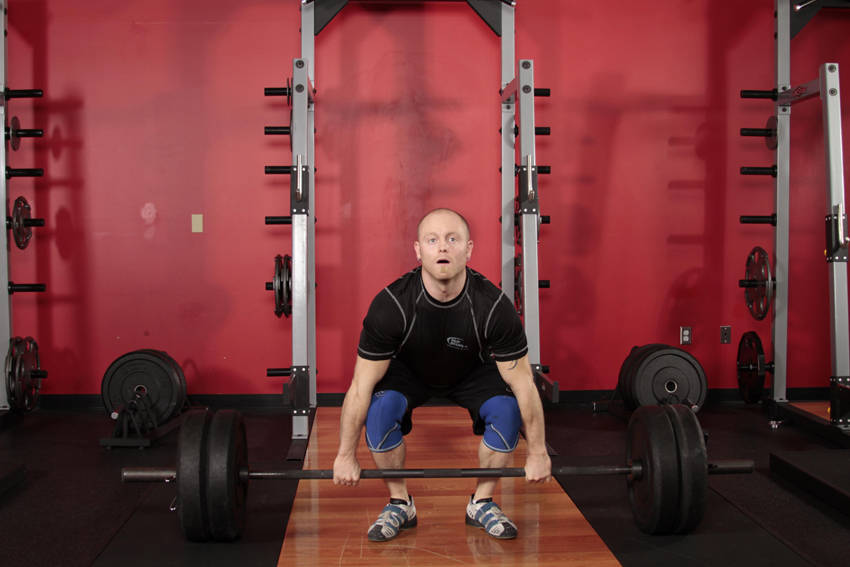
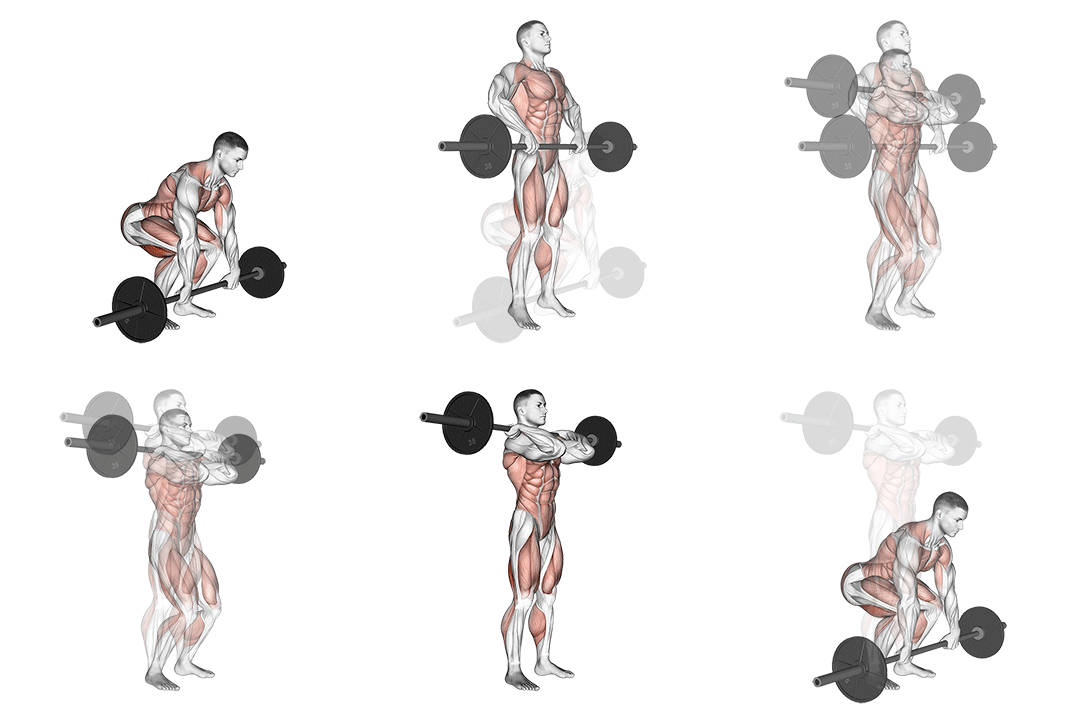
Clean Deadlift
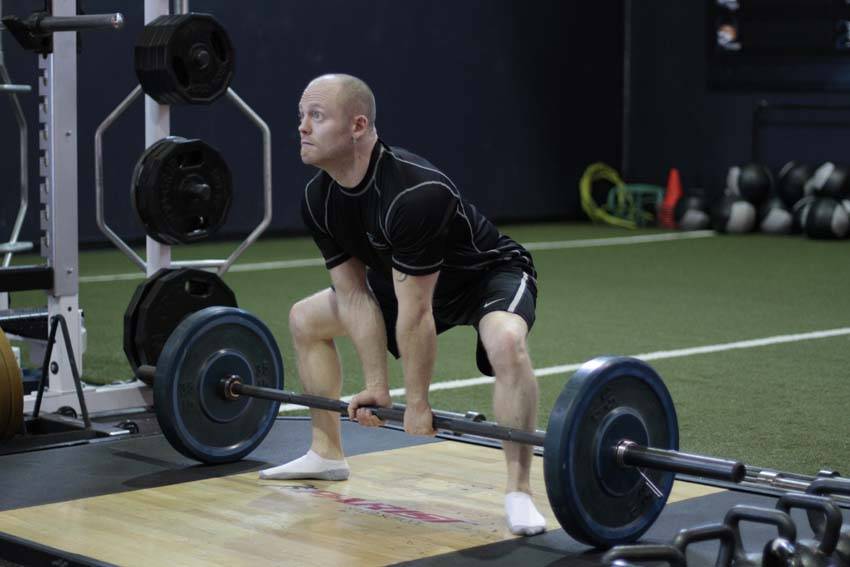
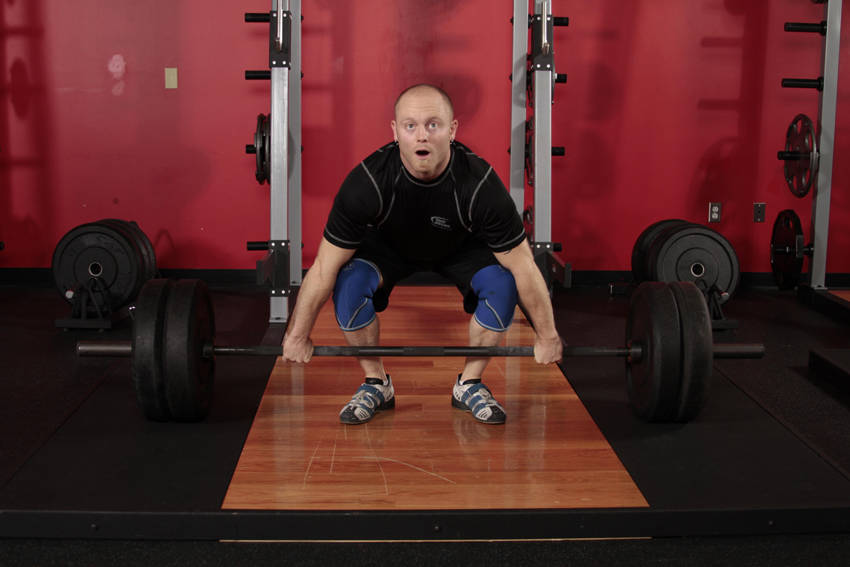
Sumo Deadlift
Head-to-Head Comparison
| Attribute | Clean Deadlift | Sumo Deadlift |
|---|---|---|
| Target Muscle |
Hamstrings
|
Hamstrings
|
| Body Part |
Upper-legs
|
Upper-legs
|
| Equipment |
Barbell
|
Barbell
|
| Difficulty |
Intermediate
|
Advanced
|
| Movement Type |
Compound
|
Compound
|
| Secondary Muscles |
6
|
7
|
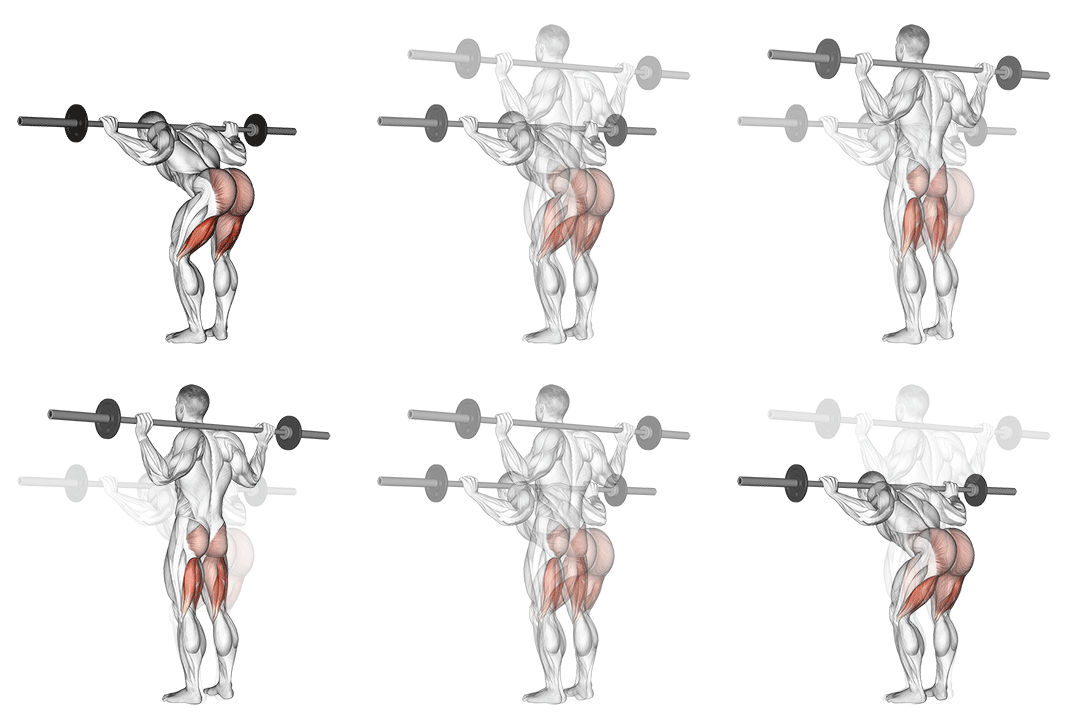
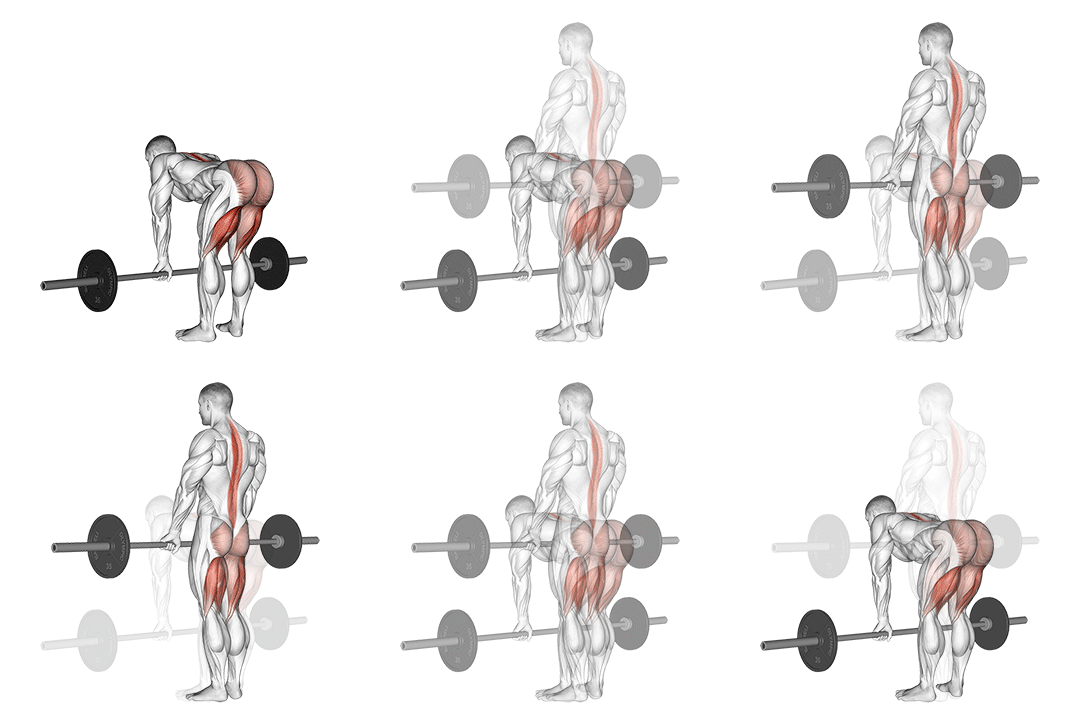
Secondary Muscles Activated
Clean Deadlift
Sumo Deadlift
Visual Comparison
Overview
Clean Deadlift vs Sumo Deadlift — which one should you add to your program? You’ll get a direct comparison of technique cues, biomechanics, muscle activation, equipment needs, and who should use each lift. I’ll show you how they load the hamstrings and upper legs, the key secondary muscles they recruit, rep ranges for hypertrophy (6–12) and strength (1–5), and clear recommendations so you can pick the better lift for your goals.
Key Differences
- Difficulty levels differ: Clean Deadlift is intermediate, while Sumo Deadlift is advanced.
- Both exercises target the Hamstrings using Barbell. The main differences are in their movement patterns and muscle activation angles.
Pros & Cons
Clean Deadlift
+ Pros
- Stronger hamstring and glute stretch under load due to greater hip hinge
- Better carryover to Olympic lifting and posterior-chain development
- Narrow stance needs less hip mobility and fits small platforms
- Easier to cue: 'bar close, chest up, drive knees back' for clean mechanics
− Cons
- Greater moment arm can increase lumbar load if technique breaks down
- Grip and upper-back endurance limit heavy sets without straps
- Less adductor recruitment compared with sumo, limiting inner-thigh development
Sumo Deadlift
+ Pros
- Shorter range of motion often allows heavier loads and bigger 1–RM progressions
- Greater adductor and quad recruitment improves overall upper-leg strength
- More upright torso reduces lumbar shear for many lifters
- Effective for lifters with strong hip adductors and favorable lever lengths
− Cons
- Requires high hip and groin mobility; poor mobility raises injury risk
- Technique is less intuitive—foot width and knee tracking are critical
- Less hamstring stretch under load, which can limit posterior-chain hypertrophy
When Each Exercise Wins
Clean deadlifts place hamstrings and glutes under a longer length-tension curve and a larger hip moment arm, promoting more posterior-chain work across 6–12 reps. That longer ROM and stretch under load better stimulates muscle growth in the hamstrings and upper legs.
Sumo shortens the range and creates a more vertical force vector, letting many lifters lift 5–20% heavier loads. That capacity for heavier loading makes sumo superior for maximal 1–RM strength development.
With a narrower stance and simpler mobility needs, the clean deadlift is easier to learn and coach. You can teach hip hinge, bar path, and breathing without the wide-stance complexities of sumo.
Clean deadlifts need less floor space and less hip mobility, so they fit better in a home setting with a single barbell. They also transfer well to dumbbell Romanian variations if equipment is limited.
Frequently Asked Questions
Can I do both Clean Deadlift and Sumo Deadlift in the same workout?
Yes—use them strategically. Do the heavier, lower-rep variant (usually sumo) when you’re fresh for strength work, and place the clean deadlift for moderate reps (6–10) later as an accessory to emphasize posterior-chain hypertrophy.
Which exercise is better for beginners?
Clean deadlifts are generally better for beginners because they require less hip external rotation and are easier to cue. Start with 3–4 sets of 5–8 reps and prioritize technique before loading.
How do the muscle activation patterns differ?
Biomechanically, clean deadlifts create a larger hip moment arm and longer hamstring length under tension, so they bias hamstrings and glutes more. Sumo shifts force toward knee extension and adductor activation due to a wider stance and more upright torso.
Can Sumo Deadlift replace Clean Deadlift?
Yes for pure maximal strength—sumo can replace clean pulls if your goal is heavier 1‑RM performance. For posterior-chain hypertrophy or Olympic lift carryover, keep clean deadlifts in your program instead of fully replacing them.
Expert Verdict
Pick the clean deadlift when your priority is posterior-chain hypertrophy, technical carryover to Olympic lifts, or limited space and mobility. Use sets of 6–12 reps for muscle growth and focus on a long, controlled hip hinge with the cue 'bar close, chest high, drive through the heels.' Choose the sumo deadlift when your main goal is maximal strength and heavier 1‑RM progressions; its shorter ROM and vertical force vector let you load heavier and protect the lumbar spine in many cases. If you want both outcomes, program blocks: 6–8 weeks of clean-style pulls for hamstring development followed by 6–8 weeks of heavy sumo work for strength.
Also Compare
More comparisons with Clean Deadlift
Compare More Exercises
Use our free comparison tool to analyze any two exercises head-to-head.
Compare Exercises