

Close-Grip Front Lat Pulldown vs Press Sit-Up: Complete Comparison Guide
Close-Grip Front Lat Pulldown vs Press Sit-Up — you’re comparing a cable-dominant back mover to a loaded core press. I’ll walk you through primary and secondary muscle targets, key biomechanics (force vectors, length–tension, joint angles), specific technique cues (scapular control, elbow path, spine position), equipment needs, progressions, and safety considerations. You’ll get clear rep ranges (6–12 for hypertrophy, 3–6 for strength, 8–15 for core endurance), when to pair them in a session, and which exercise to choose based on whether your priority is wider lats or a more powerful midsection.
Exercise Comparison
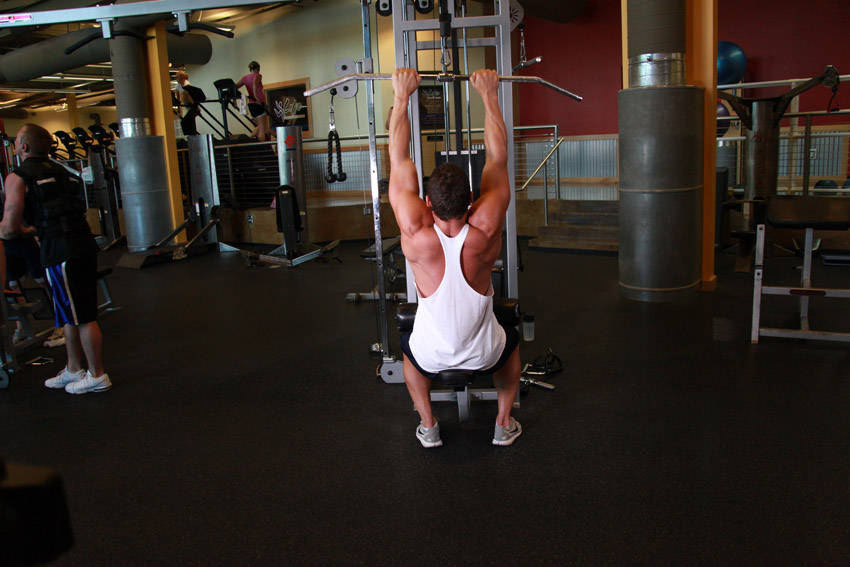
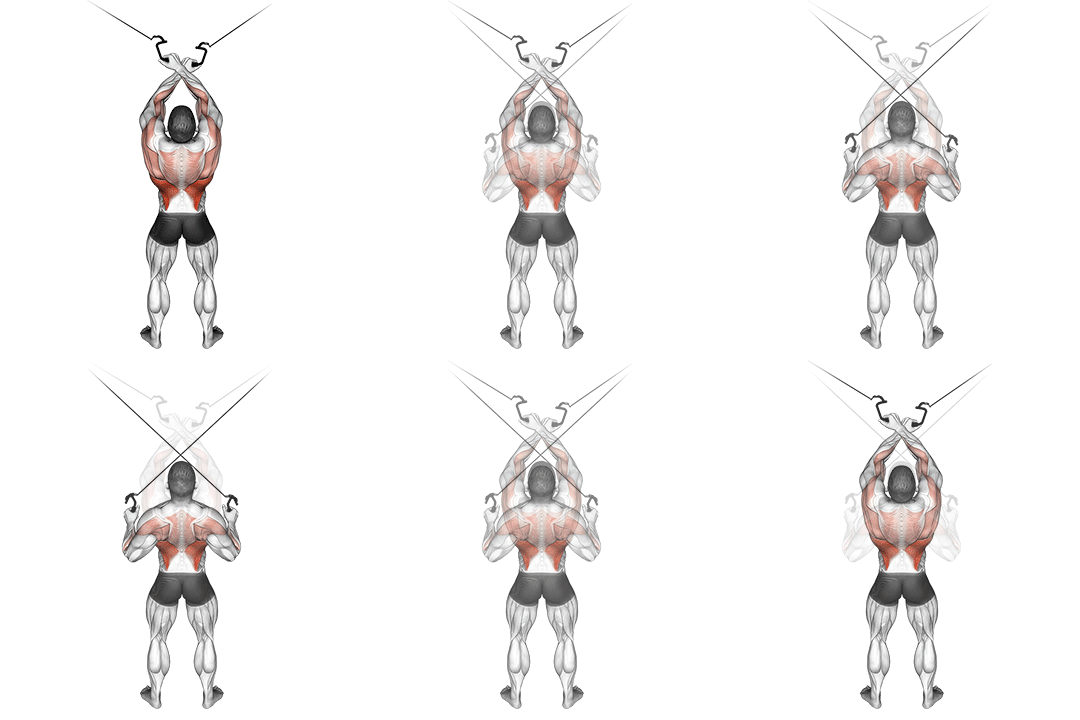
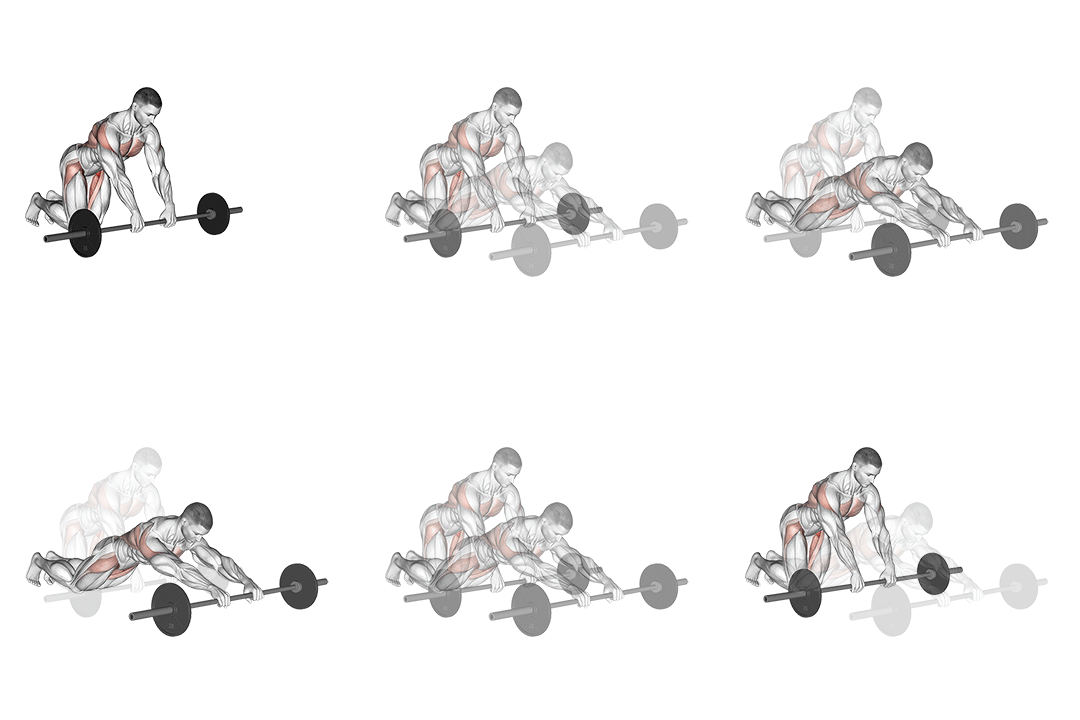
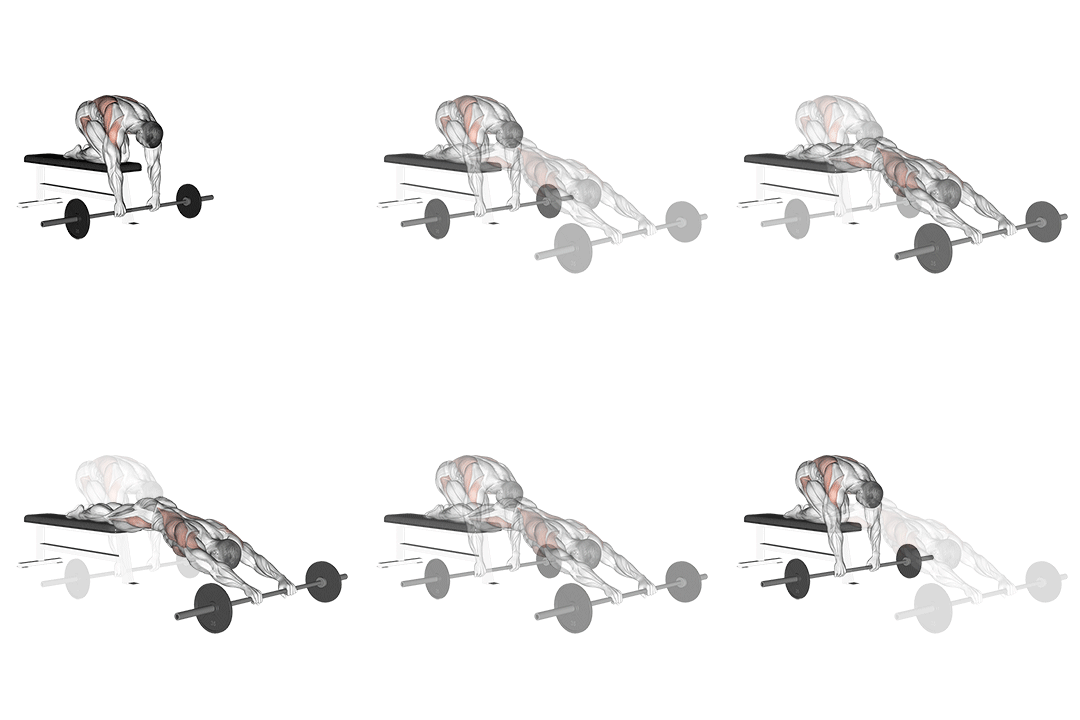
Close-grip Front Lat Pulldown
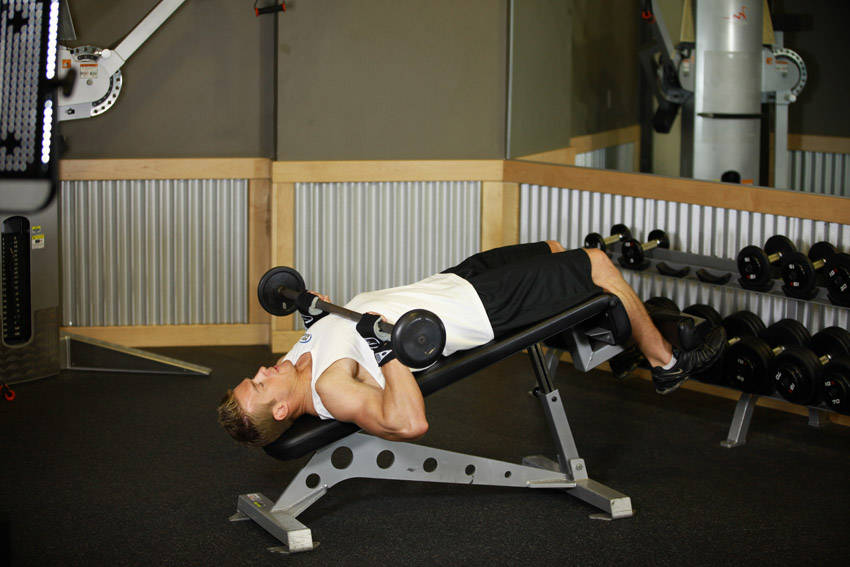
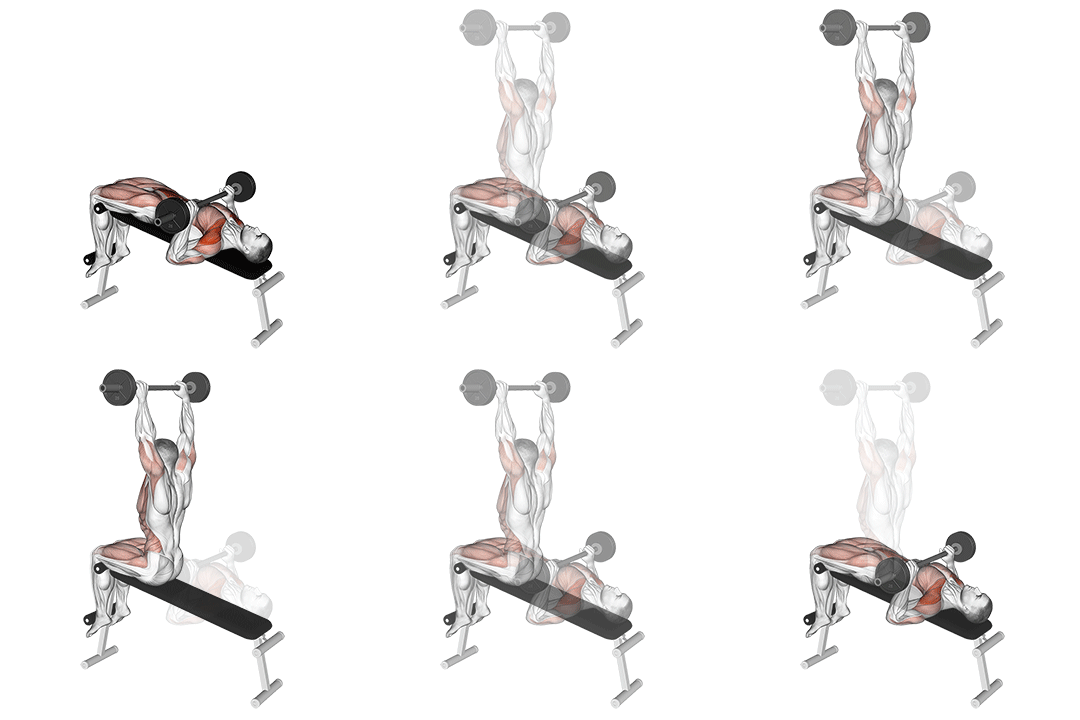
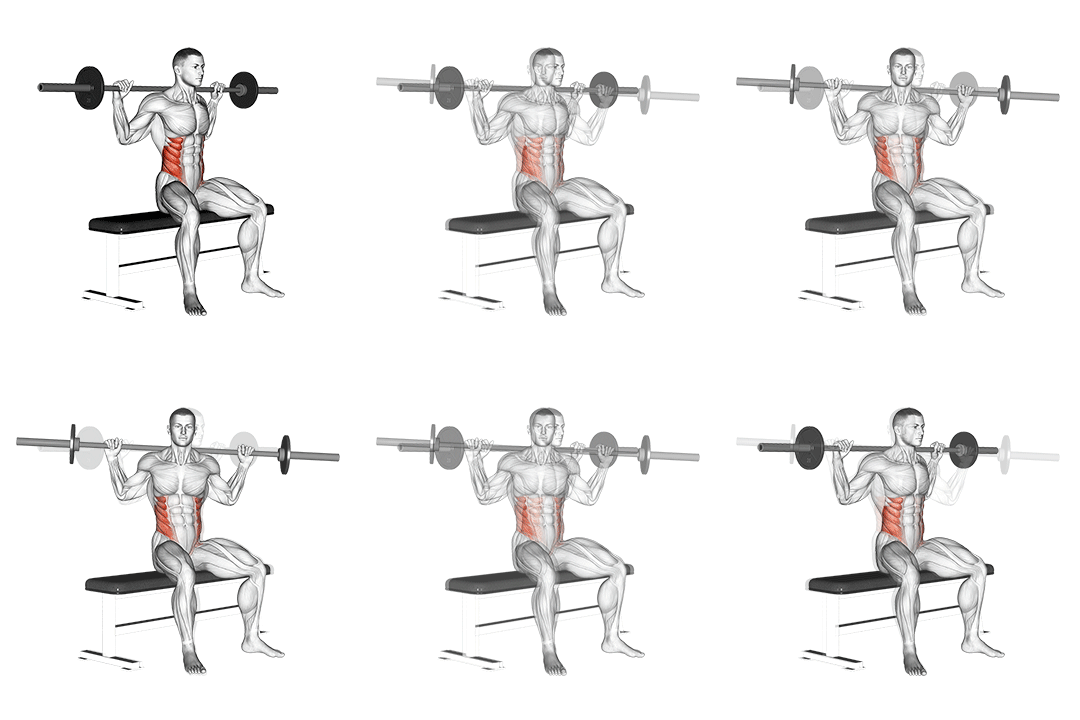
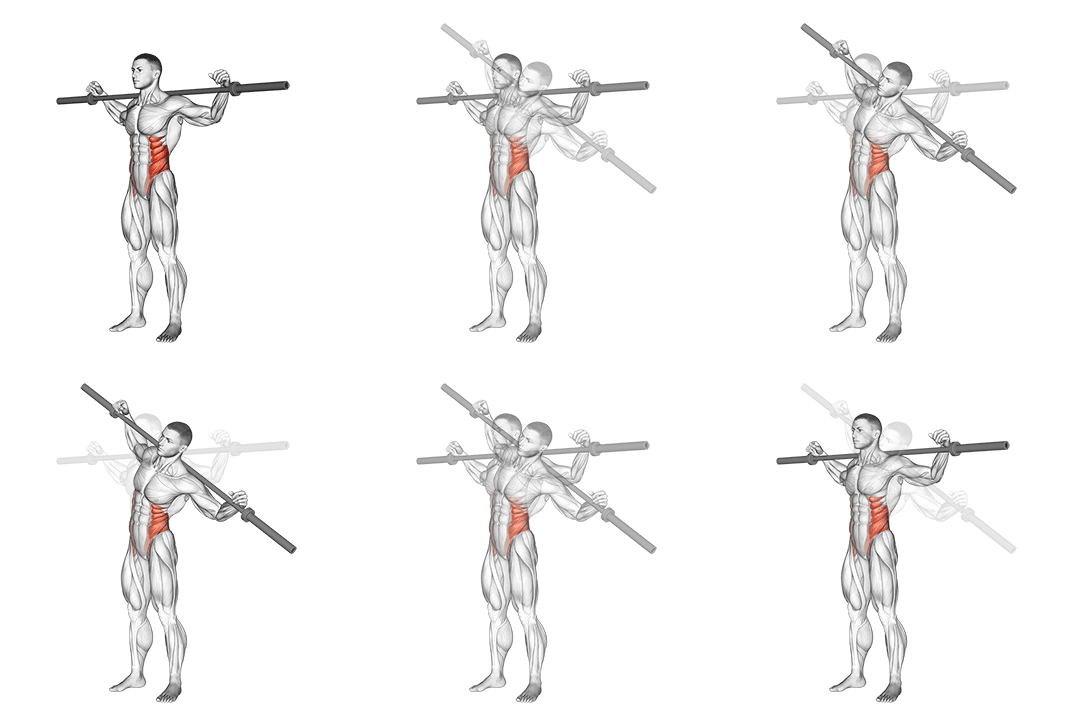
Press Sit-up
Head-to-Head Comparison
| Attribute | Close-grip Front Lat Pulldown | Press Sit-up |
|---|---|---|
| Target Muscle |
Lats
|
Abs
|
| Body Part |
Back
|
Waist
|
| Equipment |
Cable
|
Barbell
|
| Difficulty |
Intermediate
|
Intermediate
|
| Movement Type |
Compound
|
Compound
|
| Secondary Muscles |
3
|
3
|
Secondary Muscles Activated
Close-grip Front Lat Pulldown
Press Sit-up
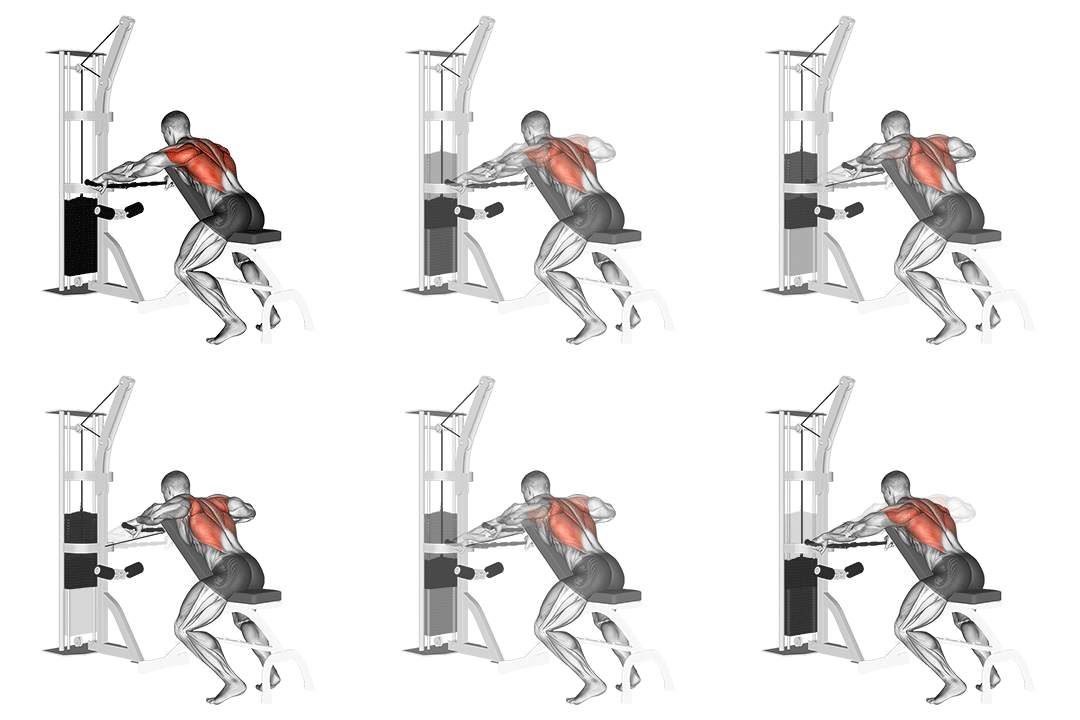
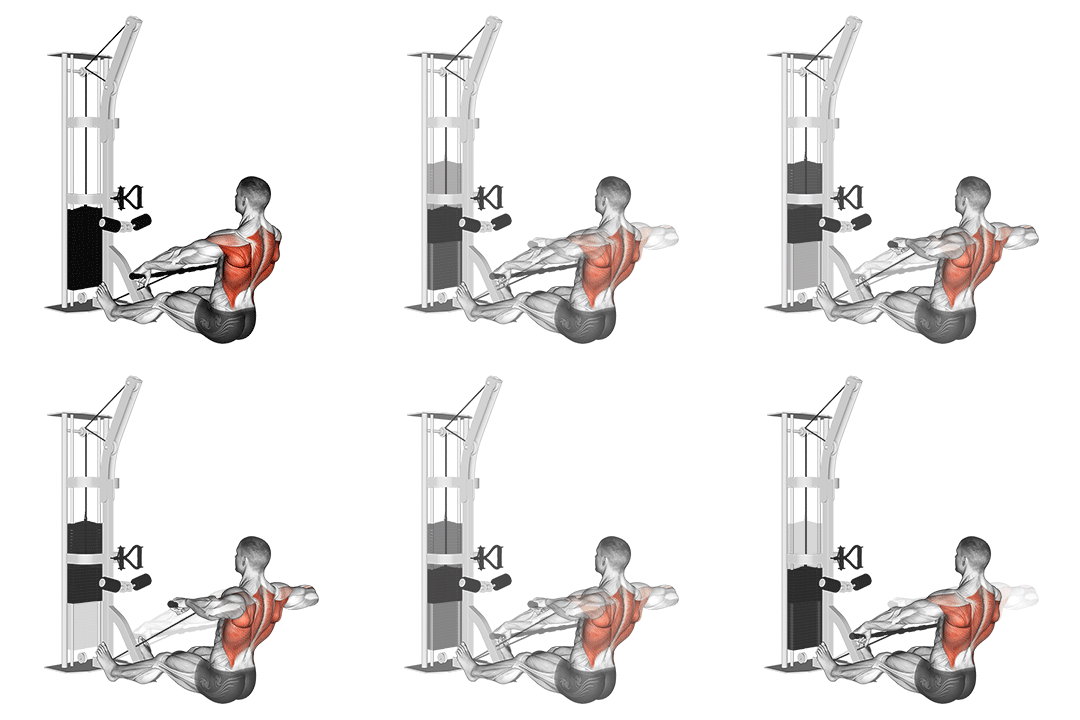
Visual Comparison
Overview
Close-Grip Front Lat Pulldown vs Press Sit-Up — you’re comparing a cable-dominant back mover to a loaded core press. I’ll walk you through primary and secondary muscle targets, key biomechanics (force vectors, length–tension, joint angles), specific technique cues (scapular control, elbow path, spine position), equipment needs, progressions, and safety considerations. You’ll get clear rep ranges (6–12 for hypertrophy, 3–6 for strength, 8–15 for core endurance), when to pair them in a session, and which exercise to choose based on whether your priority is wider lats or a more powerful midsection.
Key Differences
- Close-grip Front Lat Pulldown primarily targets the Lats, while Press Sit-up focuses on the Abs.
- Equipment differs: Close-grip Front Lat Pulldown uses Cable, while Press Sit-up requires Barbell.
Pros & Cons
Close-grip Front Lat Pulldown
+ Pros
- Direct lat emphasis with strong progressive overload potential
- Clear technique cues (scapular retraction, elbow path) that are easy to coach
- Less spinal flexion stress; safer for lumbar spine when performed correctly
- Multiple grip variations to bias different parts of the back
− Cons
- Requires a cable/lat machine not always available at home
- Can shift load to biceps if elbows lead the movement
- Risk of shoulder impingement if performed behind-the-neck or with excessive torso lean
Press Sit-up
+ Pros
- Combines core strengthening with upper‑body pressing in one compound movement
- Highly adaptable to different loading tools (barbell, plate, dumbbell)
- Builds anti-extension and dynamic spinal flexion strength useful for athletic transfer
- Useful for time‑efficient training when you want to hit core and pressing patterns together
− Cons
- Higher lumbar loading when performed repeatedly with heavy weight
- Requires solid bracing and hip flexor control to avoid form breakdown
- Less direct stimulus for lat development compared to targeted pulls
When Each Exercise Wins
The pulldown lets you apply consistent progressive overload to the lats with clean pulling mechanics and controlled eccentrics. Use 6–12 reps, 2–4 sets, 2–3 second eccentrics and maintain elbow travel close to the torso to maximize lat length‑tension.
For pure upper‑body pulling strength and transfer to weighted rows or pullups, the pulldown permits heavier, controlled loading and clear load progression. Train 3–6 reps for strength, focus on braced torso and full scapular retraction.
It’s easier to learn and scale: seat, thigh lock, and a simple pull cue produce immediate back activation without risky spinal flexion. Start with light weight and practice scapular set and elbow path before increasing load.
You can replicate the movement with a dumbbell, kettlebell, or plate, making it practical without a cable station. It hits core and pressing patterns simultaneously, saving equipment and time.
Frequently Asked Questions
Can I do both Close-Grip Front Lat Pulldown and Press Sit-Up in the same workout?
Yes. Sequence matters: perform the pulldown earlier when your pulling muscles are fresh if back hypertrophy or strength is the priority. Use the press sit-up later as a metabolic/core finish or on a different day if you plan heavy loaded sit-up presses to avoid fatigue compromising technique.
Which exercise is better for beginners?
The Close-Grip Front Lat Pulldown is generally better for beginners because the movement is easier to cue and scale and places minimal stress on the lumbar spine. Start with light loads and master scapular control and elbow path before increasing resistance.
How do the muscle activation patterns differ?
The pulldown emphasizes shoulder extension/adduction and scapular retraction, loading the lats and secondarily the biceps and middle back. The press sit-up combines trunk flexion (rectus abdominis, obliques, hip flexors) with an upper‑body press that recruits chest, anterior deltoids and triceps—so activation alternates between core and anterior chain.
Can Press Sit-Up replace Close-Grip Front Lat Pulldown?
No, not if your goal is direct lat development or pulling strength. The press sit-up trains the anterior chain and core; it can complement a program but won’t substitute for heavy, controlled pulling that produces targeted lat overload. Use both strategically rather than interchangeably.
Expert Verdict
Choose the Close-Grip Front Lat Pulldown when your priority is building wider lats, improving pulling strength, or executing precise progressive overload with low spinal risk. Program it for 6–12 reps (hypertrophy) or 3–6 reps (strength) with intentional eccentric control and elbows tracking toward the ribs. Pick the Press Sit-Up when you want a time‑efficient compound that trains dynamic trunk flexion plus pressing strength—use 8–15 reps for core endurance and keep loads conservative until your bracing and hip flexor control are solid. If possible, pair both across a training week: pulldowns for targeted back work and press sit-ups for integrated core/press development.
Also Compare
More comparisons with Close-grip Front Lat Pulldown
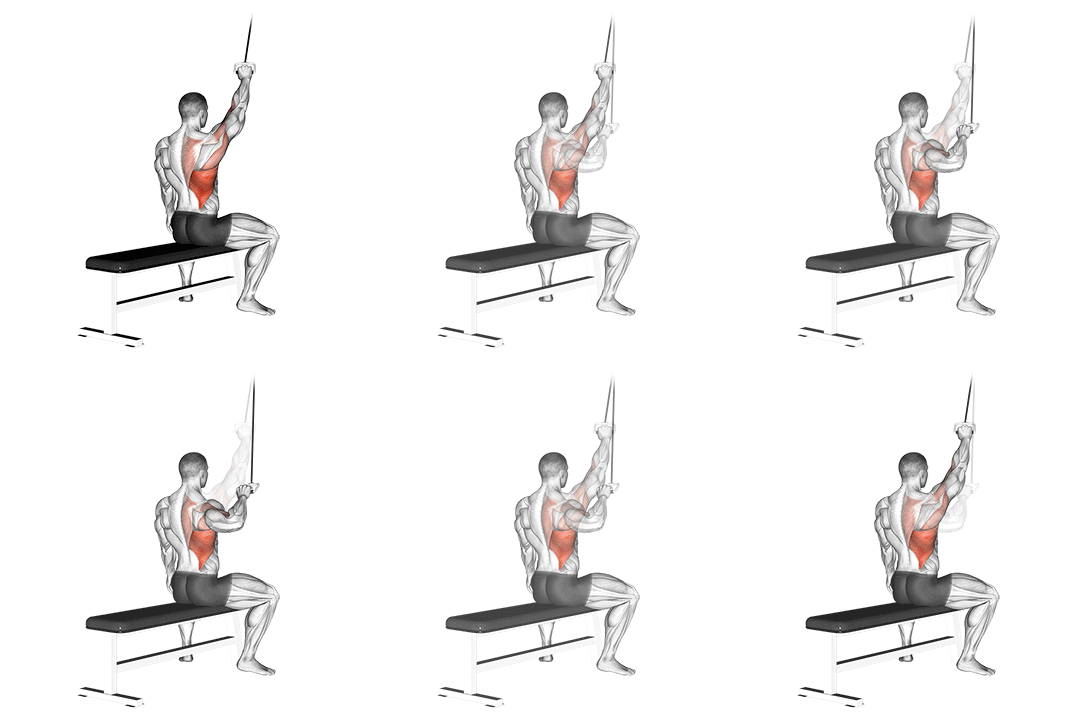
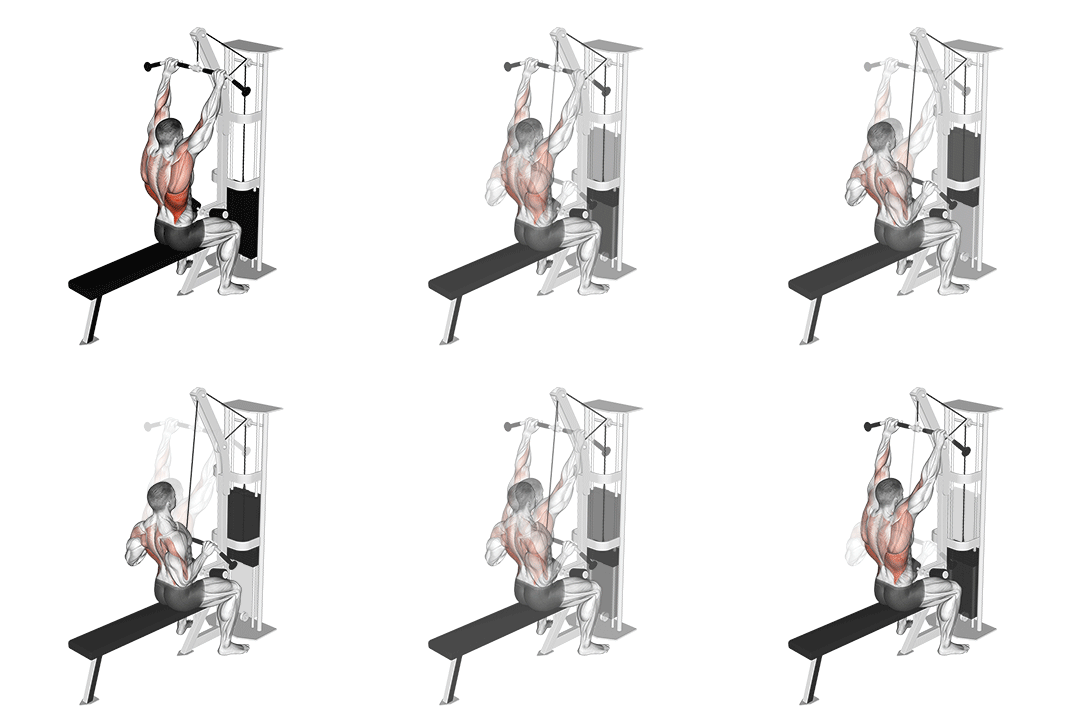
Compare More Exercises
Use our free comparison tool to analyze any two exercises head-to-head.
Compare Exercises