Deep Push Up vs Dumbbell Decline Hammer Press

Compare target muscles, equipment, difficulty, movement type, and secondary muscles for Deep Push Up and Dumbbell Decline Hammer Press.

Change comparison Share

Get comparison link

Select the link and use your device's Copy command.

Comparison overview

AI-generated
Deep Push Up vs Dumbbell Decline Hammer Press — you want a chest move that fits your goals, equipment, and recovery. In this comparison you'll get clear technique cues, biomechanics, and numeric guidelines (angles, rep ranges, progression paths). I'll cover primary and secondary muscle activation, equipment needs, difficulty and injury risk, plus when to pick one over the other for hypertrophy, strength, beginners, or home workouts. Read on and you’ll know exactly how to program each exercise and which one will produce the most consistent chest progress for your situation.

Exercise Comparison

Exercise A
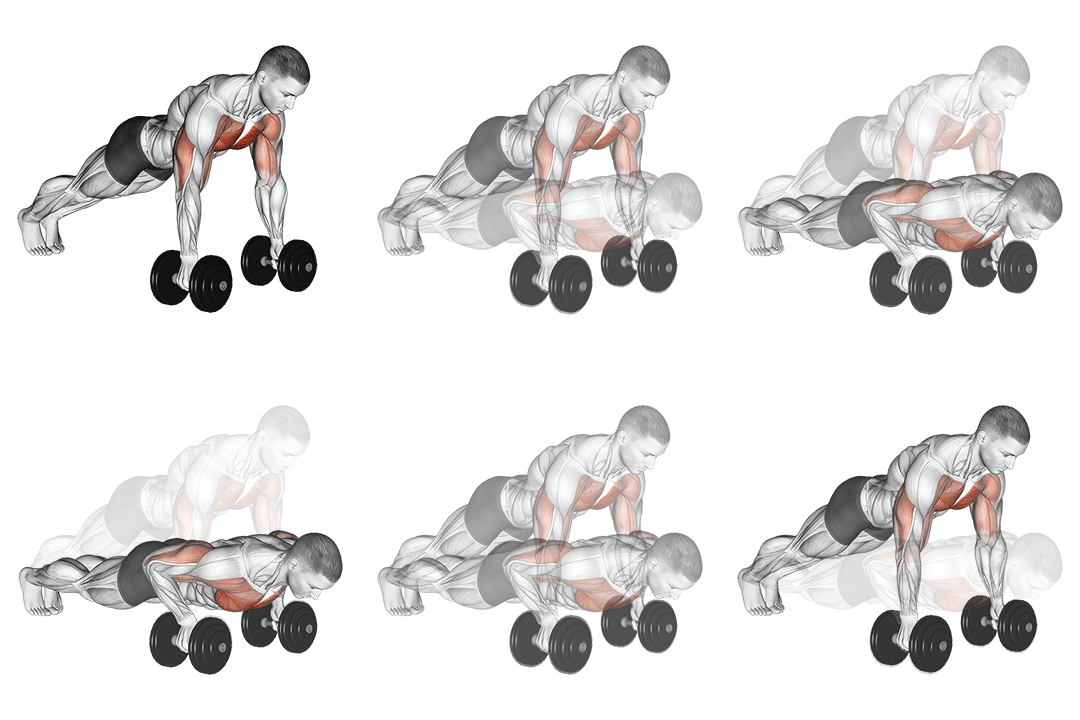
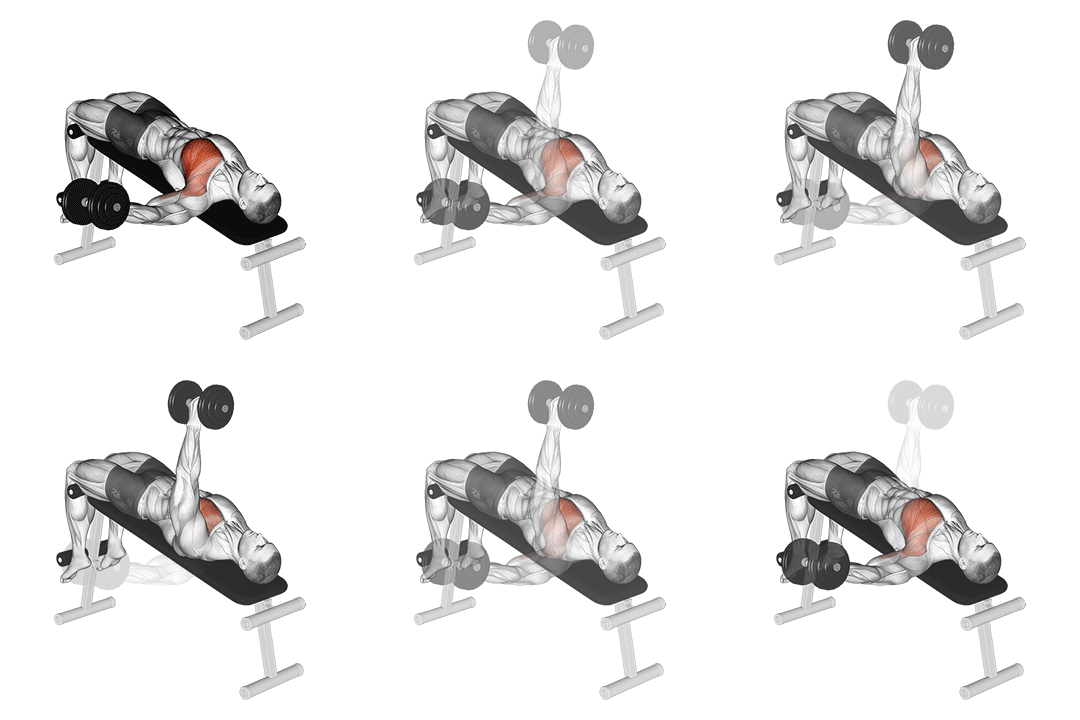
Deep Push Up demonstration

Deep Push Up

Target Pectorals
Equipment Dumbbell
Body Part Chest
Difficulty Intermediate
Movement Compound
Secondary Muscles
Triceps Shoulders
VS
Exercise B
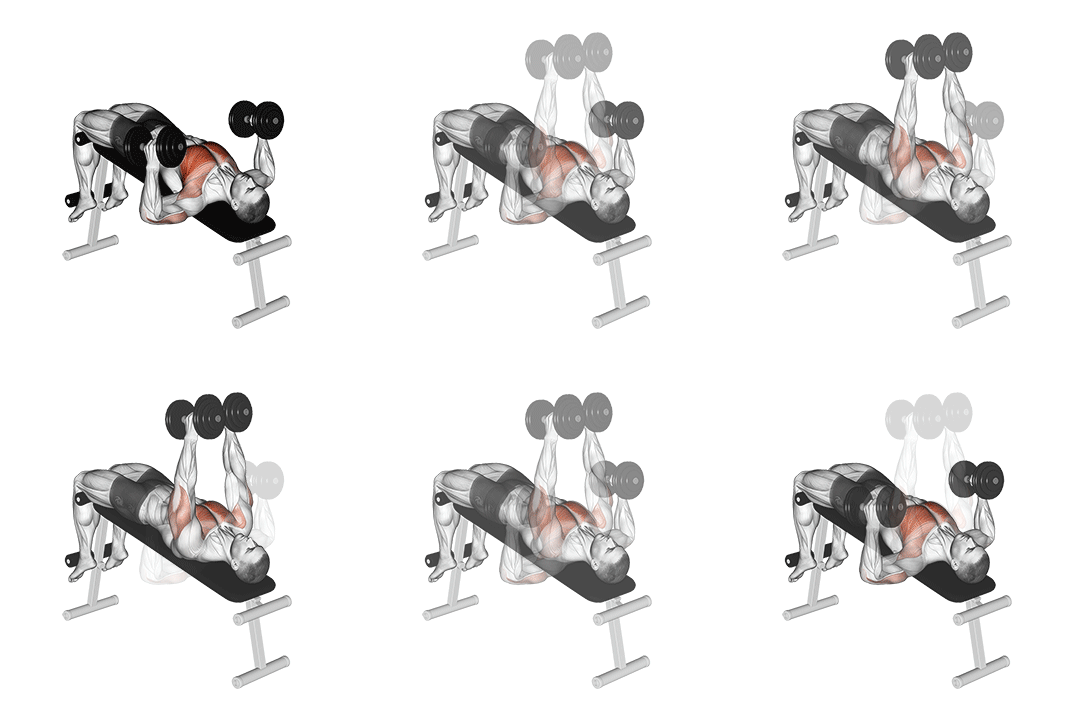
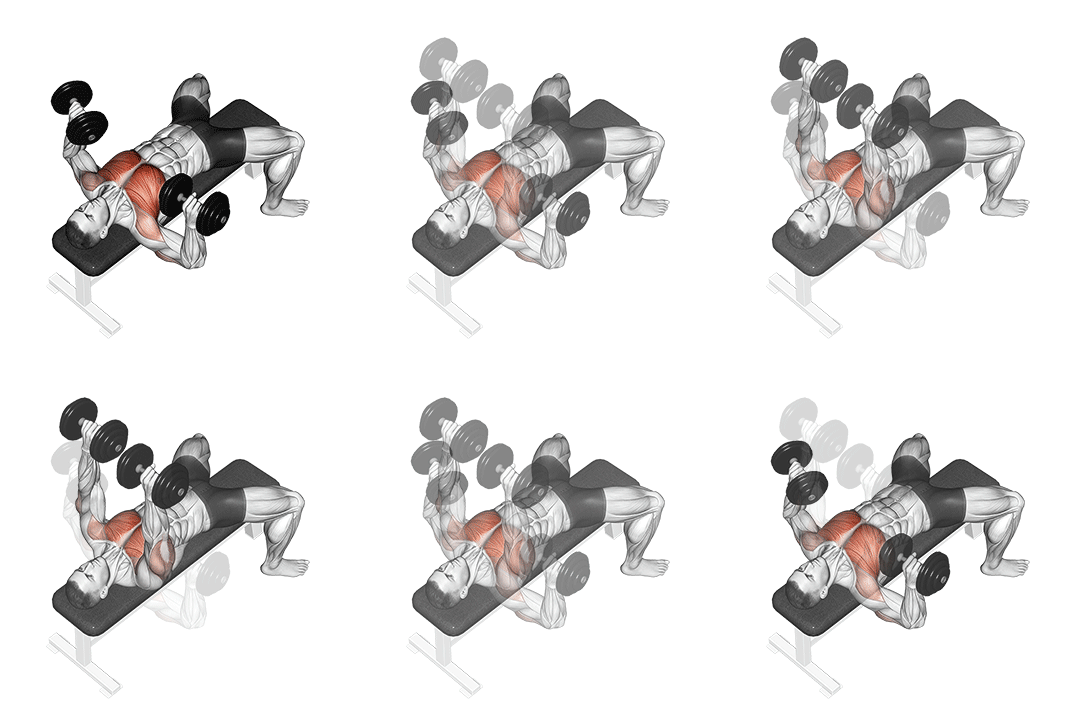
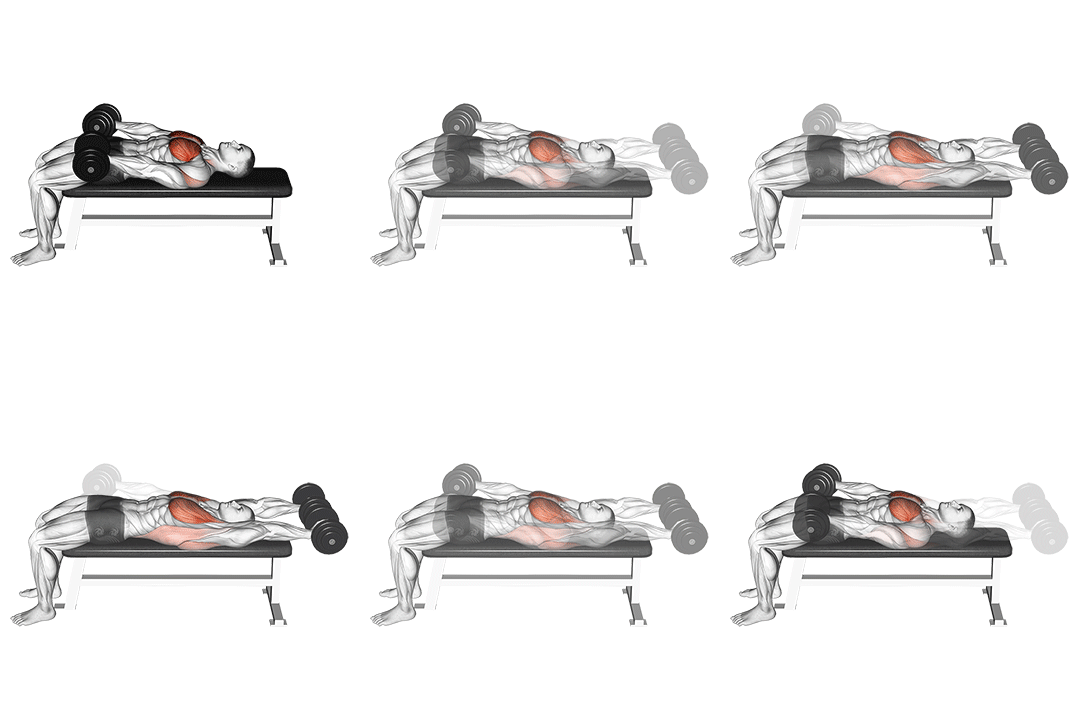
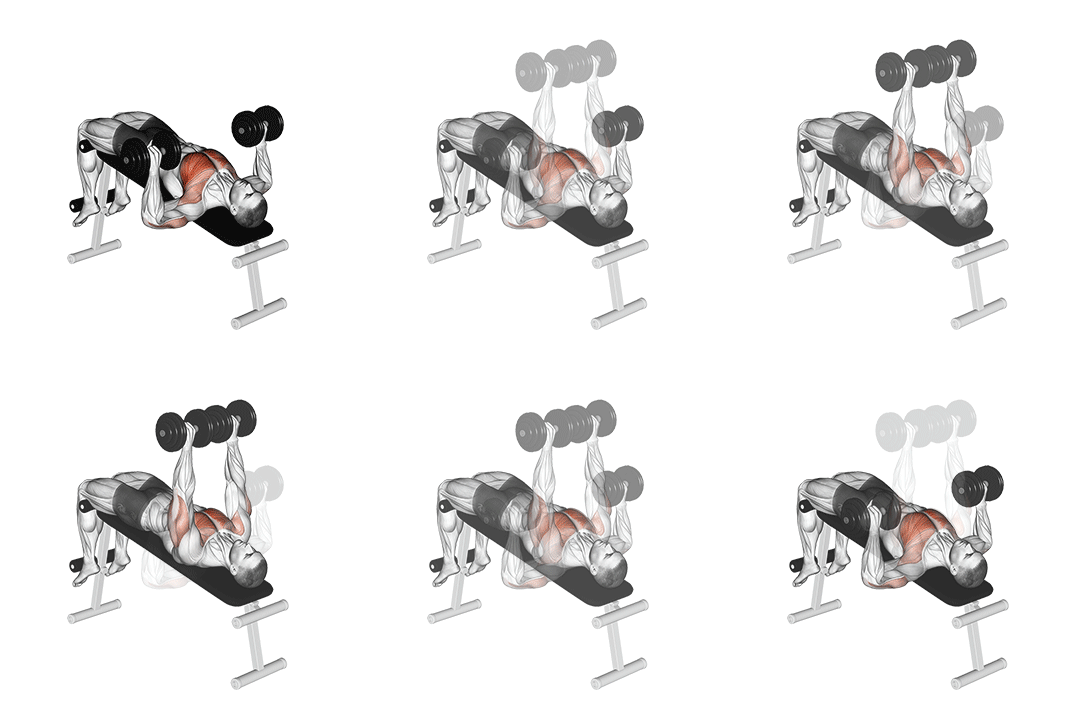
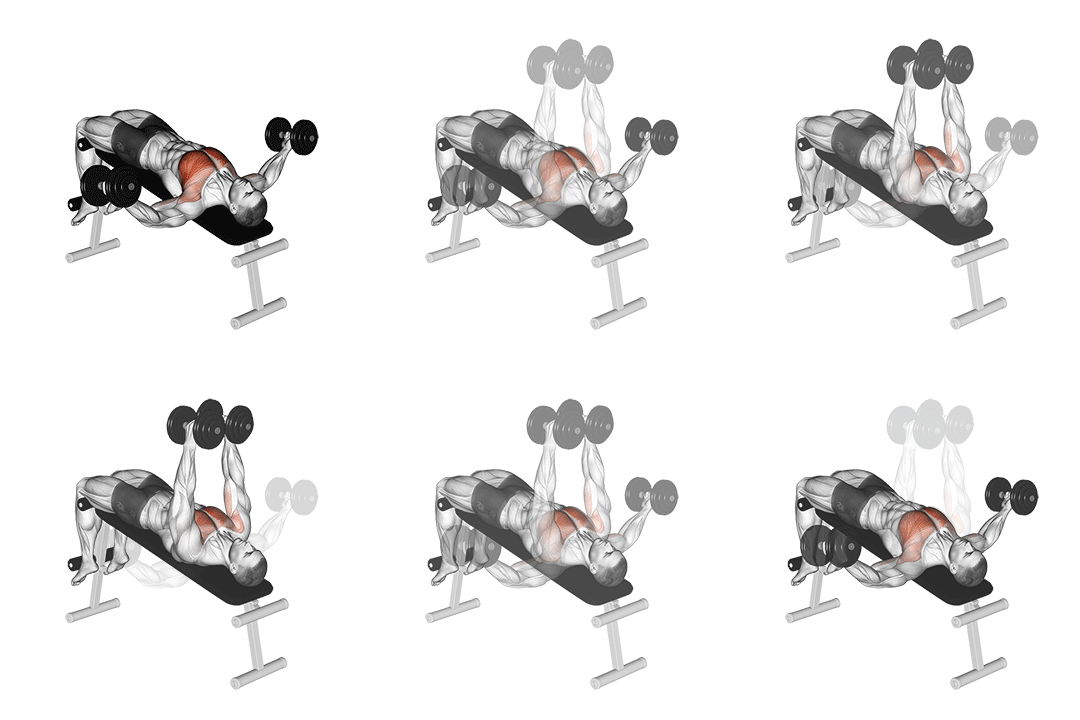
Dumbbell Decline Hammer Press demonstration

Dumbbell Decline Hammer Press

Target Pectorals
Equipment Dumbbell
Body Part Chest
Difficulty Intermediate
Movement Compound
Secondary Muscles
Triceps Shoulders

Head-to-Head Comparison

Different values are marked. These are catalogue attributes, not performance scores.

Muscles used

Listed target and secondary muscles, shown on the body. Locations, not activation or strength scores.

  • Target
  • Secondary
  • Not highlighted

Deep Push Up

Front
Deep Push Up: front muscle locationsSolid: listed target. Striped: listed secondary. Grey: not highlighted. Locations, not activation or strength scores. See the muscle names below.
Back
Deep Push Up: back muscle locationsSolid: listed target. Striped: listed secondary. Grey: not highlighted. Locations, not activation or strength scores. See the muscle names below.
Target
Pectorals
Secondary
Triceps, Shoulders

Not shown on diagram: Shoulders. These labels do not identify a precise region on this map.

Dumbbell Decline Hammer Press

Front
Dumbbell Decline Hammer Press: front muscle locationsSolid: listed target. Striped: listed secondary. Grey: not highlighted. Locations, not activation or strength scores. See the muscle names below.
Back
Dumbbell Decline Hammer Press: back muscle locationsSolid: listed target. Striped: listed secondary. Grey: not highlighted. Locations, not activation or strength scores. See the muscle names below.
Target
Pectorals
Secondary
Triceps, Shoulders

Not shown on diagram: Shoulders. These labels do not identify a precise region on this map.

Grey does not mean a muscle is unused. The diagrams show only the mapped catalogue labels.

Attribute Deep Push Up Dumbbell Decline Hammer Press
Target Muscle
Pectorals
Pectorals
Body Part
Chest
Chest
Equipment
Dumbbell
Dumbbell
Difficulty
Intermediate
Intermediate
Movement Type
Compound
Compound
Secondary Muscles
Triceps, Shoulders
Triceps, Shoulders

Visual Comparison

An illustrative 1–10 profile derived from catalog difficulty, equipment, and listed-muscle fields—not measured performance or muscle activation.

Key Differences

  • Both exercises target the Pectorals using Dumbbell. The catalogue does not establish which exercise is better for an individual goal.

Muscle comparison

Shared target muscles

Both moves target the pectoralis major through horizontal adduction and shoulder flexion/extension. The deep push up increases peak stretch on the pecs via a larger range of motion—often 10–20% greater pec length at the bottom—so it stresses the muscle at longer lengths. The dumbbell decline hammer press places the torso at ~15–30 degrees decline and shifts the force vector slightly downward, emphasizing the lower sternal fibers of the pec while still loading the whole pectoralis major under heavy external resistance.

Secondary muscle differences

Deep push ups recruit serratus anterior and scapular stabilizers more strongly because you must control scapular protraction and retraction through the whole ROM. They also load the triceps and anterior deltoids but with more isometric scapular and core demand. The dumbbell decline hammer press increases triceps extension torque because of the decline angle and neutral grip; the neutral (hammer) grip reduces external rotation, decreasing stress on the anterior shoulder and boosting triceps contribution by ~10–15% compared to a pronated press.

Muscle involvement analysis

During the deep push up the pecs lengthen under load at the bottom, then produce concentric force while the scapula protracts—this creates a stretch-shortening emphasis that can increase time under tension. The decline hammer press uses a shorter pec length at start but allows higher external loads through heavier dumbbells; activation peaks around mid-range where the lever arm is greatest. In short, push ups emphasize eccentric stretch and stabilization; the decline hammer press emphasizes absolute load and concentric force production.

Equipment and setup

Deep Push Up: setup

Deep Push Up: a pair of dumbbells, parallettes, or push-up handles to allow deeper range of motion. You only need bodyweight plus low-cost implements; no bench or rack required.

Dumbbell Decline Hammer Press: setup

Dumbbell Decline Hammer Press: an adjustable decline bench set to roughly 15–30 degrees and a pair of dumbbells. You need a bench sturdy enough to handle heavy loads and safe dumbbell progression.

Access and practicality

Deep Push Up. You can perform it with minimal equipment, outdoors or at home, and scale by changing elevation or adding weight. The decline hammer press requires gym equipment and heavier dumbbells to match progressive loading.

Learning and progression

Learning the movements

Deep Push Up is easier to learn technically because the movement pattern mirrors a standard push-up; progressions are simple (elevate hands, weighted vest). The controlled decline hammer press demands setup on a decline bench and safe dumbbell control as load increases, so it has a slightly steeper learning curve.

Progression considerations

Dumbbell Decline Hammer Press offers larger absolute progression via heavier dumbbells and microloading; it's better for increasing 1–5RM strength. Deep Push Up still scales well for hypertrophy using weighted vests, tempo, and banded resistance but max external load is typically lower.

Limitations and precautions

Deep Push Up has lower shoulder impingement risk when you maintain a 30–45 degree elbow tuck and neutral grip, but wrists and lower back can be stressed without proper bracing. The decline hammer press carries moderate risk if you over-press with poor scapular control; neutral grip reduces anterior shoulder torque, lowering risk compared to a decline pronated press.

Pros & Cons

Deep Push Up

+ Pros

  • Requires minimal equipment—works at home or outdoors
  • Greater pec stretch and range of motion for hypertrophy
  • High serratus anterior and scapular stabilizer activation
  • Easy to scale with elevation, tempo, or added weight

− Cons

  • Limited absolute load compared to dumbbells
  • Wrist discomfort possible without handles
  • Progression plateaus if you lack heavy loading options

Dumbbell Decline Hammer Press

+ Pros

  • Allows larger external loads for strength (use 6–12+ sets with 3–6RM for strength)
  • Neutral hammer grip reduces shoulder strain and increases triceps engagement
  • Targets lower pec fibers via decline angle
  • Easy to apply progressive overload with measurable poundages

− Cons

  • Requires decline bench and heavier dumbbells
  • Less serratus and core stability demand than push ups
  • Potential for poor setup and shoulder stress if scapula isn’t stabilized

When Each Exercise Wins

1
For muscle hypertrophy: Deep Push Up

Deep push ups lengthen the pecs more at the bottom, increasing eccentric time under tension and stretch-mediated hypertrophy. Use 8–15 reps, slow 2–3s eccentrics, and add weight or elevation to overload progressively.

2
For strength gains: Dumbbell Decline Hammer Press

The decline hammer press lets you progressively overload with heavier dumbbells and target concentric force production; use 3–6 reps and sets of 3–6 to build maximal pressing strength safely.

3
For beginners: Deep Push Up

Push-up mechanics are simpler and safer for novices; you can scale from knee or elevated variations and teach core and scapular control before adding external load.

4
For home workouts: Deep Push Up

Deep push ups need only handles or dumbbells and space, making them the clear home choice. Progress via elevation, tempo, or weighted vest without a bench.

Frequently Asked Questions

Can I do both Deep Push Up and Dumbbell Decline Hammer Press in the same workout?

Yes. Use the decline hammer press as a heavy, low-rep primary movement (3–6 reps) and follow with deep push ups for volume and hypertrophy (8–15 reps, controlled eccentrics). Prioritize the heavier compound first to ensure safe loading.

Which exercise is better for beginners?

Deep push ups are better for beginners because they teach scapular control, core bracing, and horizontal pressing pattern. Start with elevated or knee-supported versions and progress to full deep push ups before adding heavy presses.

How do the muscle activation patterns differ?

Deep push ups emphasize eccentric loading and scapular stabilizers, increasing serratus anterior and lower trapezius engagement. Decline hammer presses emphasize concentric external load with greater triceps torque and stronger activation of lower pec fibers due to the decline angle and neutral grip.

Can Dumbbell Decline Hammer Press replace Deep Push Up?

If your goal is pure strength and you have the equipment, the decline hammer press can replace push ups for maximal overload. For hypertrophy and scapular health, keep deep push ups in your program as they provide unique stretch and stabilization benefits.

Comparison Summary

Choose deep push ups when you want a scalable, equipment-minimal chest exercise that stresses the pecs at longer muscle lengths and boosts scapular stability and serratus anterior activation. They excel for hypertrophy when you emphasize controlled eccentrics (2–3s) and 8–15 reps. Pick the dumbbell decline hammer press when your priority is absolute load and strength: the decline angle favors lower pec fibers and a neutral grip increases triceps torque, letting you move heavier weights for 3–6 reps. For most trainees, rotate both: use push ups for volume and joint health, and decline hammer presses periodically to raise your maximal pressing capacity.

Exercise instructions

Steps from the exercise catalogue. Read the full sequence before starting.

Deep Push Up

  1. Start in a high plank position with your hands slightly wider than shoulder-width apart and your body in a straight line.
  2. Lower your chest towards the ground by bending your elbows, keeping them close to your body.
  3. Push through your palms to extend your arms and return to the starting position.
Read remaining steps for Deep Push Up
  1. Repeat for the desired number of repetitions.

Dumbbell Decline Hammer Press

  1. Lie on a decline bench with your feet secured and your head lower than your hips.
  2. Hold a dumbbell in each hand with your palms facing each other and your arms extended above your chest.
  3. Lower the dumbbells to the sides of your chest, keeping your elbows slightly bent.
Read remaining steps for Dumbbell Decline Hammer Press
  1. Press the dumbbells back up to the starting position, fully extending your arms.
  2. Repeat for the desired number of repetitions.

Also Compare

Compare another pair

Choose two exercises to see their differences side by side.

Compare Exercises