

Diamond Push-up vs Push-up: Complete Comparison Guide
Diamond Push-up vs Push-up — a simple hand placement change that shifts which muscles work hardest. You’ll get a clear, practical comparison that covers primary and secondary muscle activation, equipment needs, difficulty and progression, injury risk, and programming cues. I’ll show exactly how hand width, elbow angle, and trunk position change force vectors and muscle length-tension relationships. Read on for technique cues, rep ranges (6–12 for hypertrophy, 3–6 for strength), and when to prioritize each move based on your goals and training history.
Exercise Comparison
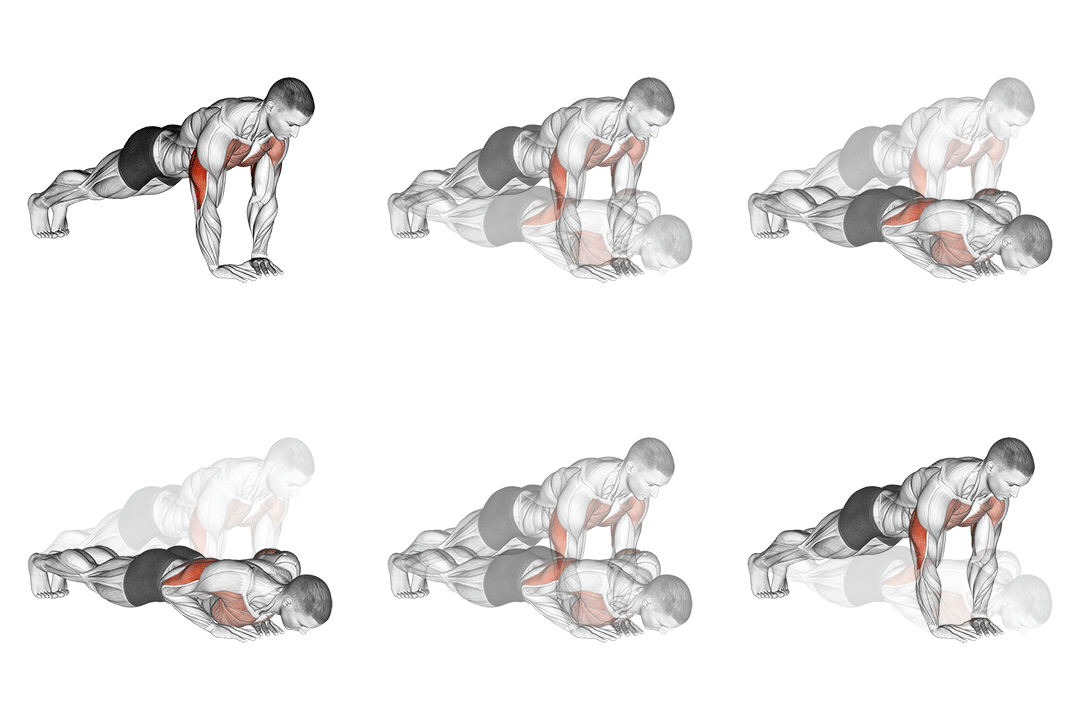
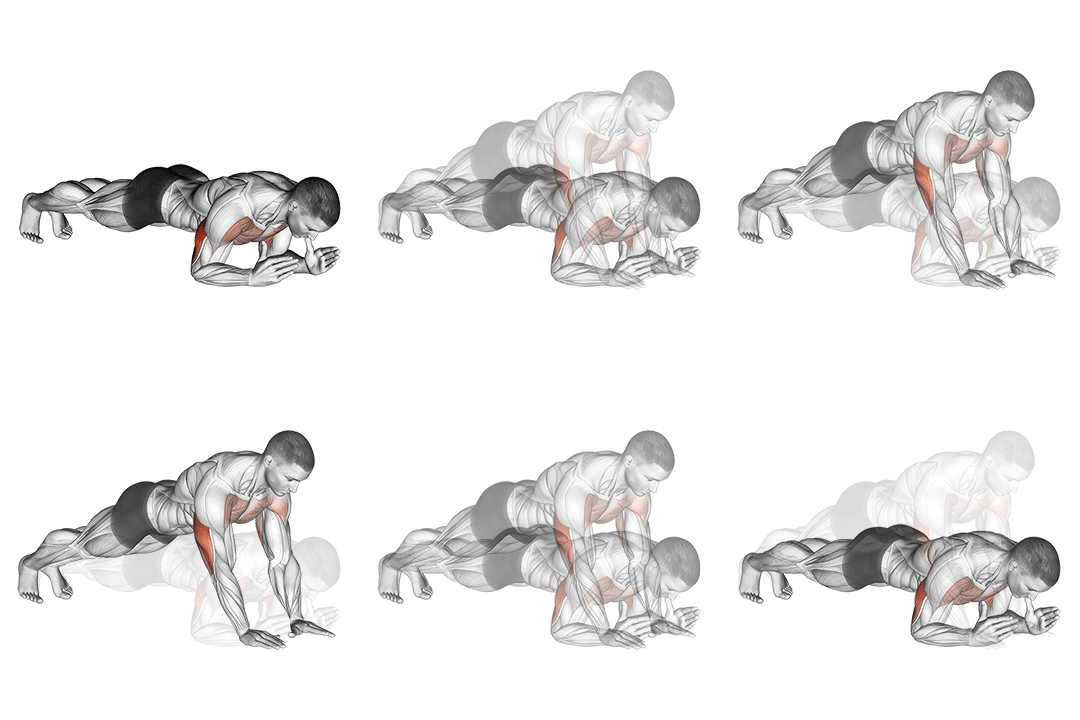
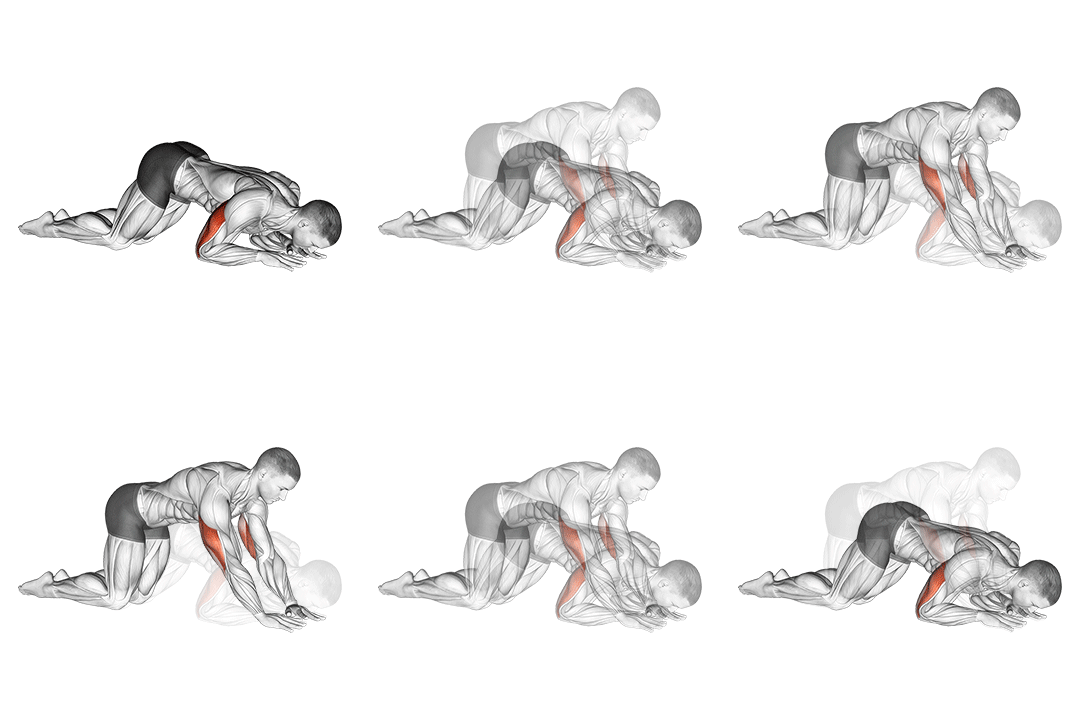
Diamond Push-up
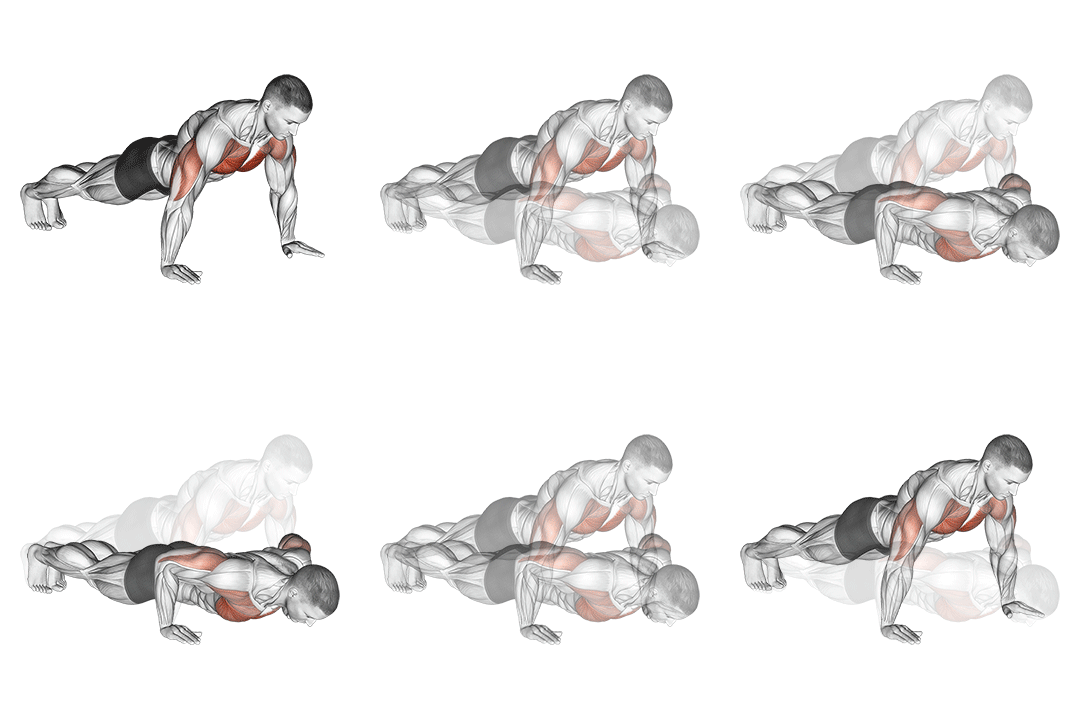
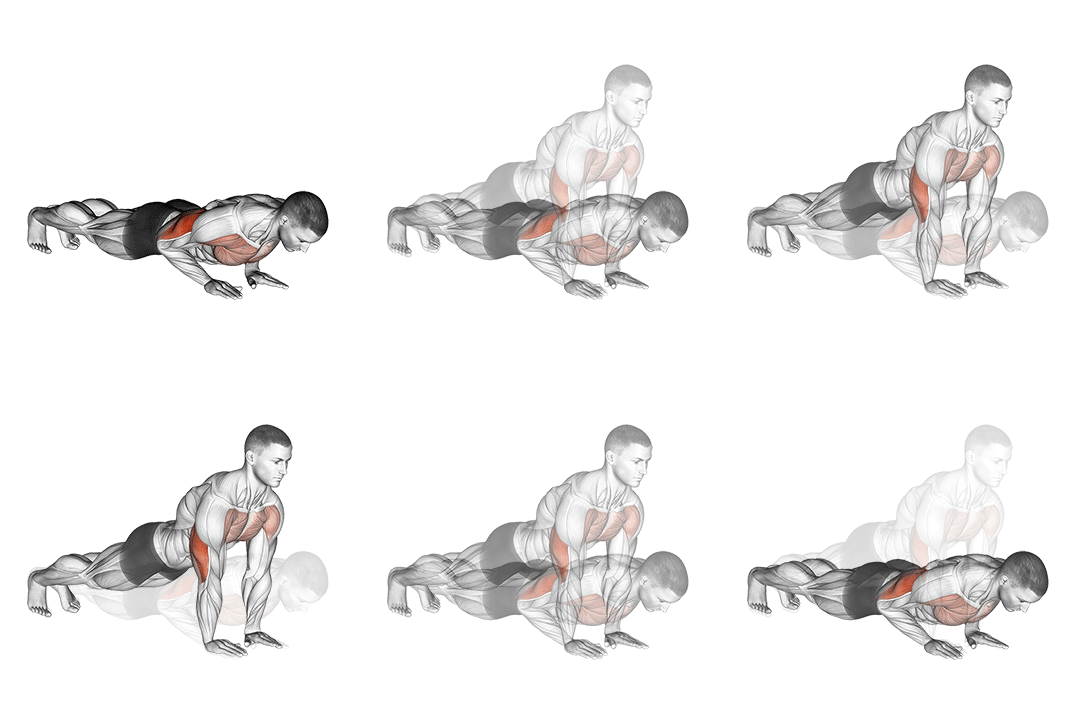
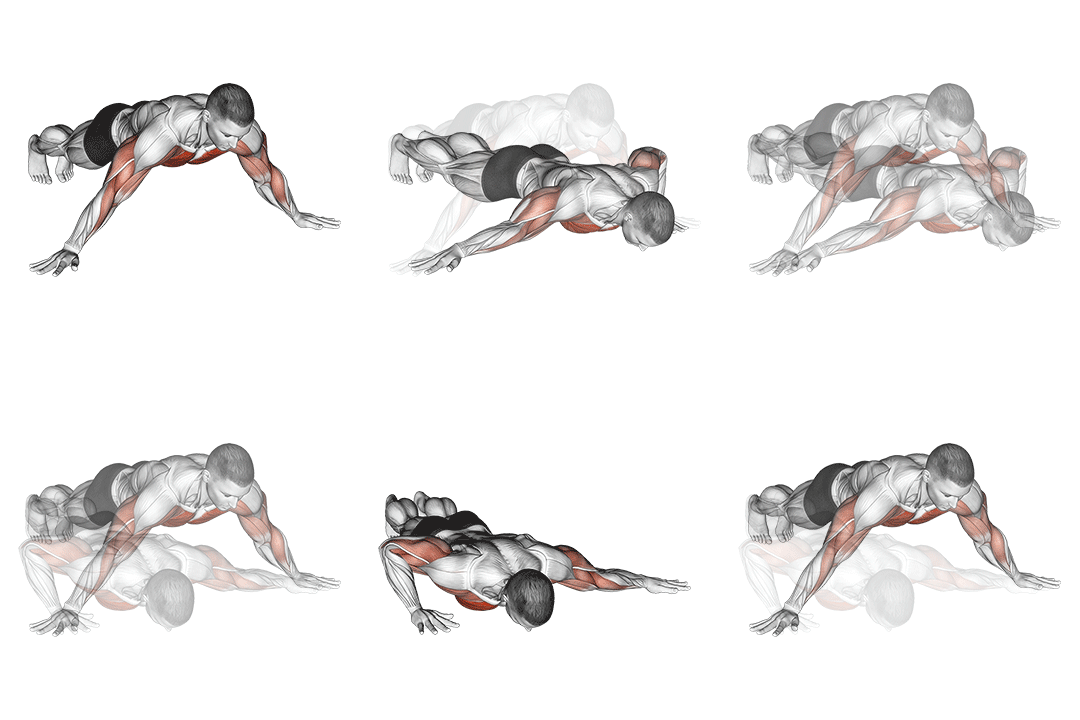
Push-up
Head-to-Head Comparison
| Attribute | Diamond Push-up | Push-up |
|---|---|---|
| Target Muscle |
Triceps
|
Pectorals
|
| Body Part |
Upper-arms
|
Chest
|
| Equipment |
Body-weight
|
Body-weight
|
| Difficulty |
Advanced
|
Intermediate
|
| Movement Type |
Compound
|
Compound
|
| Secondary Muscles |
2
|
3
|
Secondary Muscles Activated
Diamond Push-up
Push-up
Visual Comparison
Overview
Diamond Push-up vs Push-up — a simple hand placement change that shifts which muscles work hardest. You’ll get a clear, practical comparison that covers primary and secondary muscle activation, equipment needs, difficulty and progression, injury risk, and programming cues. I’ll show exactly how hand width, elbow angle, and trunk position change force vectors and muscle length-tension relationships. Read on for technique cues, rep ranges (6–12 for hypertrophy, 3–6 for strength), and when to prioritize each move based on your goals and training history.
Key Differences
- Diamond Push-up primarily targets the Triceps, while Push-up focuses on the Pectorals.
- Difficulty levels differ: Diamond Push-up is advanced, while Push-up is intermediate.
Pros & Cons
Diamond Push-up
+ Pros
- Highly specific triceps overload and elbow extension strength
- Compact equipment needs — bodyweight only
- Strong carryover to lockout strength on pressing movements
- Requires minimal horizontal space
− Cons
- High wrist and elbow stress for some lifters
- Difficult to load progressively beyond bodyweight without modifications
- Less emphasis on overall chest development
Push-up
+ Pros
- Excellent for pectoral hypertrophy and total upper-body pressing
- Easily scalable with regressions and overload (incline, weighted)
- Lower peak wrist torque when performed with neutral hands or handles
- Better for building pushing volume and work capacity
− Cons
- Can stress shoulders if elbows flare excessively
- Less targeted triceps overload compared with diamond style
- Wider hand placement requires more horizontal space
When Each Exercise Wins
Push-ups allow larger total chest recruitment and easier progressive overload through incline/decline and added weight. For hypertrophy use 6–12 reps, 3–4 sets, and progressively increase resistance or time under tension to target pectoral fibers.
Diamond push-ups place greater elbow-extension torque on the triceps, making them better for improving lockout strength. Use low-rep sets (3–6) with added resistance or deficit negatives to increase maximal triceps force.
Standard push-ups have easier regressions (knees, incline) and a larger base of support, which helps beginners learn spine alignment and scapular control before advancing to more demanding hand placements.
Push-ups are more adaptable to limited equipment and space, offering a full chest and shoulder stimulus with simple regressions or weighted progressions that fit typical home setups.
Frequently Asked Questions
Can I do both Diamond Push-up and Push-up in the same workout?
Yes. Pair them deliberately: do heavier diamond sets (3–6 reps) first to target triceps strength, then higher-volume push-ups (8–12 reps) for chest hypertrophy. Monitor fatigue — performing both to failure can impair technique and increase joint stress.
Which exercise is better for beginners?
Standard Push-ups are better for beginners because they have easier regressions (knees, incline) and a wider base that reduces peak joint torque. Learn trunk bracing, scapular control, and a solid neutral spine before progressing to narrow-hand variations.
How do the muscle activation patterns differ?
Narrow (diamond) hands reduce the horizontal force vector and increase elbow extension torque, shifting peak activation toward the triceps later in the concentric phase. Wider push-ups increase horizontal pull on the chest fibers, making pecs the dominant driver at the bottom-to-mid ROM.
Can Push-up replace Diamond Push-up?
For general pressing strength and chest hypertrophy, push-ups can replace diamond push-ups. If you need specific triceps overload or lockout strength, keep diamond variations in the program or use close-grip pressing with added load.
Expert Verdict
Use Diamond Push-ups when you want to prioritize triceps development and elbow-extension strength — especially for improving lockout and close-grip pressing. Keep reps in the 3–8 range for strength and 8–12 for hypertrophy, and add deficits or weight once form is perfect. Favor standard Push-ups when your goal is chest size, pressing volume, or teaching beginners proper scapular and core control. Program push-ups in higher volume blocks (3–5 sets of 8–15) with progressive overload via incline adjustments or weighted vests. Rotate both movements across mesocycles to balance chest and triceps development while managing joint load.
Also Compare
More comparisons with Diamond Push-up
Compare More Exercises
Use our free comparison tool to analyze any two exercises head-to-head.
Compare Exercises