

Drop Push vs Heavy Bag Thrust: Complete Comparison Guide
Drop Push vs Heavy Bag Thrust — you’re choosing between two intermediate chest-focused compounds that load the pectorals differently. In this guide I'll walk you through primary muscle activation, secondary recruitment, equipment needs, learning curve, progression options, and injury risk so you can pick the right move for your program. You’ll get clear technique cues, rep ranges (6–12 for hypertrophy, 3–6 for strength emphasis), and practical recommendations for using each exercise in a chest routine.
Exercise Comparison
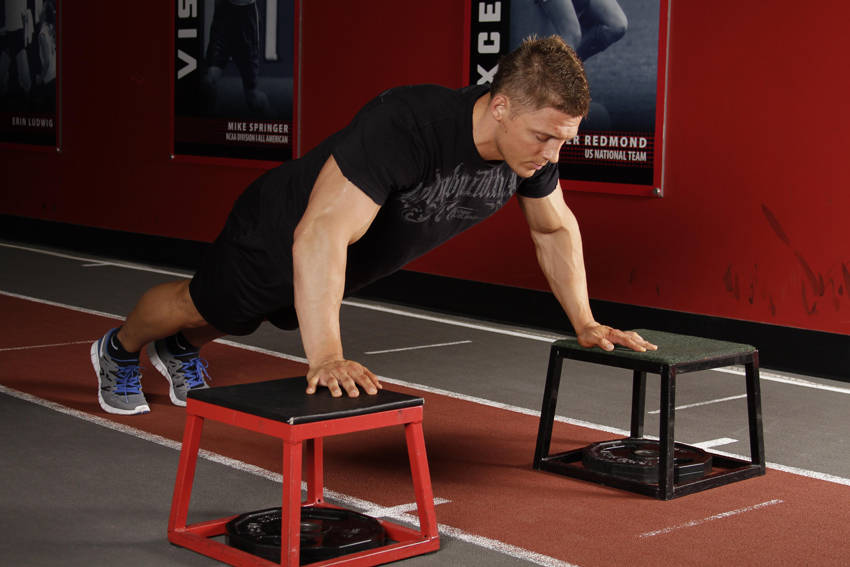
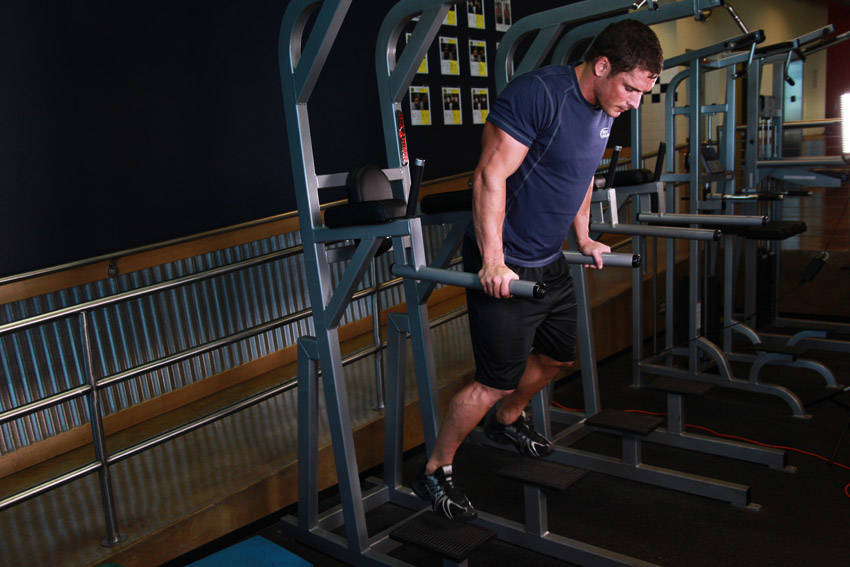
Drop Push
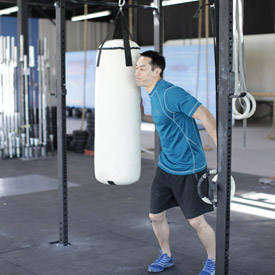
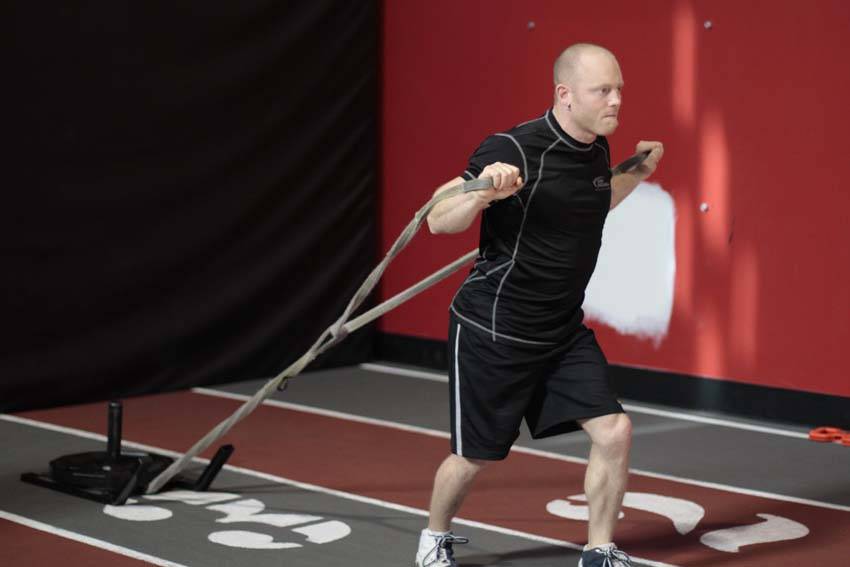
Heavy Bag Thrust
Head-to-Head Comparison
| Attribute | Drop Push | Heavy Bag Thrust |
|---|---|---|
| Target Muscle |
Pectorals
|
Pectorals
|
| Body Part |
Chest
|
Chest
|
| Equipment |
Other
|
Other
|
| Difficulty |
Intermediate
|
Intermediate
|
| Movement Type |
Compound
|
Compound
|
| Secondary Muscles |
2
|
3
|
Secondary Muscles Activated
Drop Push
Heavy Bag Thrust
Visual Comparison
Overview
Drop Push vs Heavy Bag Thrust — you’re choosing between two intermediate chest-focused compounds that load the pectorals differently. In this guide I'll walk you through primary muscle activation, secondary recruitment, equipment needs, learning curve, progression options, and injury risk so you can pick the right move for your program. You’ll get clear technique cues, rep ranges (6–12 for hypertrophy, 3–6 for strength emphasis), and practical recommendations for using each exercise in a chest routine.
Key Differences
- Both exercises target the Pectorals using Other. The main differences are in their movement patterns and muscle activation angles.
Pros & Cons
Drop Push
+ Pros
- Explosive power development via stretch-shortening cycle
- Minimal equipment — can be done bodyweight
- High rate-of-force-development transfers to athletic tasks
- Short sets and low-volume sessions can be effective (3–6 reps)
− Cons
- Higher impact on wrists and chest on bad landings
- Requires significant shoulder control and timing
- Less sustained time-under-tension for pure hypertrophy
Heavy Bag Thrust
+ Pros
- Sustained tension across the pecs — good for hypertrophy (6–12 reps)
- Clear incremental loading by increasing bag weight
- Strong abdominal and hip drive integration improves core transfer
- Easier technical pattern for most lifters
− Cons
- Requires heavy bag and secure mounting
- Swinging inertia can stress scapular stabilizers if uncontrolled
- Less emphasis on rapid power like plyometrics
When Each Exercise Wins
Heavy Bag Thrust provides longer time-under-tension and easier progressive overload by increasing bag mass, making it better for 6–12 rep hypertrophy blocks and sustained pec loading.
For raw pushing strength the heavy bag allows heavier resisted reps and steady concentric force production; use 3–6 heavy reps or tempo control to build maximal strength.
Heavy Bag Thrust has a simpler motor pattern and lower impact on wrists and chest, so novices can learn shoulder alignment and horizontal pressing mechanics more safely.
Drop Push needs minimal gear and space, making it ideal for home training. You can scale with platform height and bodyweight before investing in a heavy bag setup.
Frequently Asked Questions
Can I do both Drop Push and Heavy Bag Thrust in the same workout?
Yes. Sequence matters: put Drop Push early if you want to prioritize power (perform 3–6 explosive reps, 3–4 sets), then use Heavy Bag Thrust later for hypertrophy (6–12 reps, 3–4 sets). That sequencing preserves rate-of-force development for plyometrics and uses the bag for controlled volume.
Which exercise is better for beginners?
Heavy Bag Thrust is generally better for beginners because it uses a familiar horizontal push pattern with less impact and clearer load progression. Start with controlled sets to teach scapular stability and keep shoulder abduction under ~60°.
How do the muscle activation patterns differ?
Drop Push relies on a quick eccentric phase followed by a rapid concentric burst, favoring type II fiber recruitment and power output. Heavy Bag Thrust produces longer concentric times and higher time-under-tension, recruiting more type I/IIa fibers and emphasizing sustained pec loading and core stabilization.
Can Heavy Bag Thrust replace Drop Push?
If your goal is pure hypertrophy or strength, Heavy Bag Thrust can replace Drop Push because it provides progressive overload and sustained tension. If you need to train power or rate of force development, keep Drop Push in the program rather than substituting it.
Expert Verdict
Choose Heavy Bag Thrust when your priority is steady hypertrophy or strength and you have the equipment and space; it gives better progressive overload and sustained pec tension. Choose Drop Push when you want to train power, improve rate of force development, or you lack specialized equipment — emphasize controlled landings, wrist alignment, and progress height slowly. For programs targeting both muscle growth and power, start with Heavy Bag Thrust for 3–4 weeks of 6–12 rep hypertrophy work, then cycle in Drop Push sets of 3–6 explosive reps to tax the stretch-shortening cycle and enhance athletic transfer.
Also Compare
More comparisons with Drop Push
Compare More Exercises
Use our free comparison tool to analyze any two exercises head-to-head.
Compare Exercises