

Dumbbell Bent Over Row vs Dumbbell One Arm Bent-over Row: Complete Comparison Guide
Dumbbell Bent Over Row vs Dumbbell One Arm Bent-over Row — two staple back moves that both target the lats but load your body differently. If you want clear guidance on which to pick for muscle growth, strength, unilateral balance, or limited equipment, you’re in the right place. I’ll walk you through mechanics, muscle activation, technique cues (hip hinge angle, elbow path, trunk bracing), and practical programming tips including rep ranges and progression. By the end you’ll know which row fits your goal and how to perform it safely and effectively.
Exercise Comparison
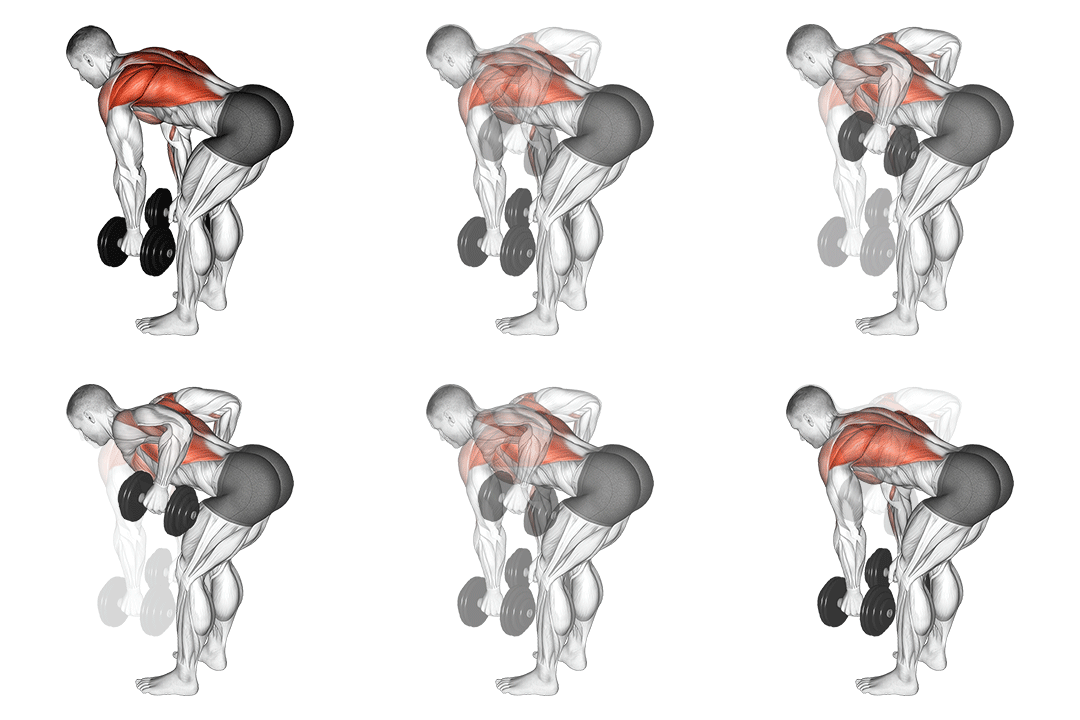
Dumbbell Bent Over Row
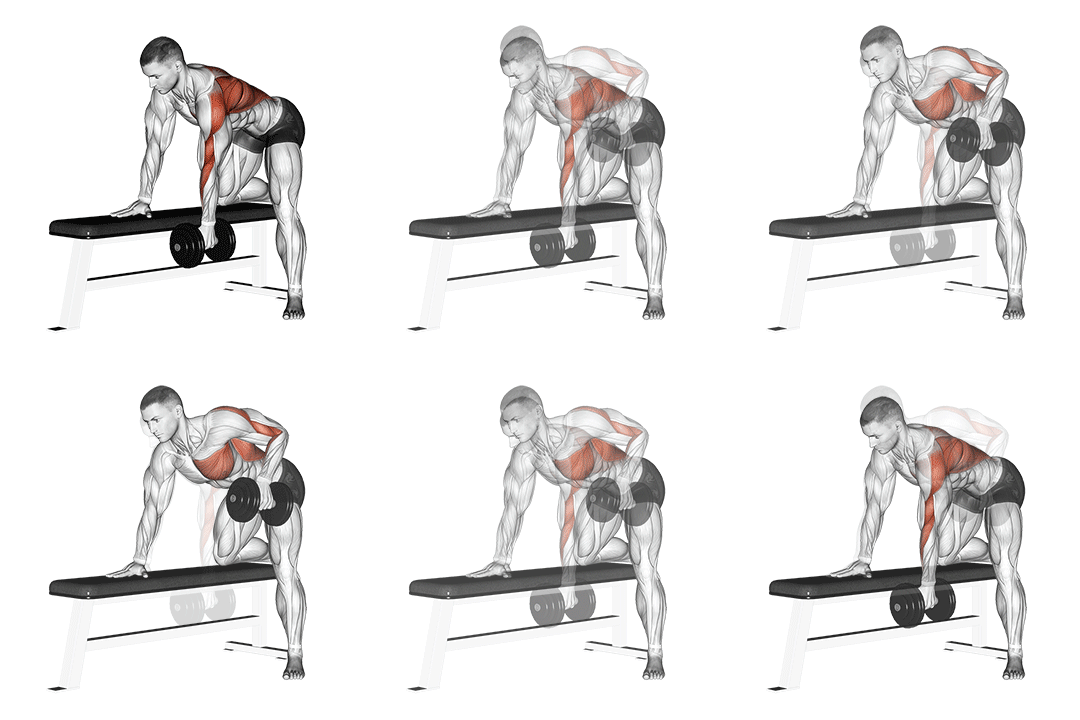
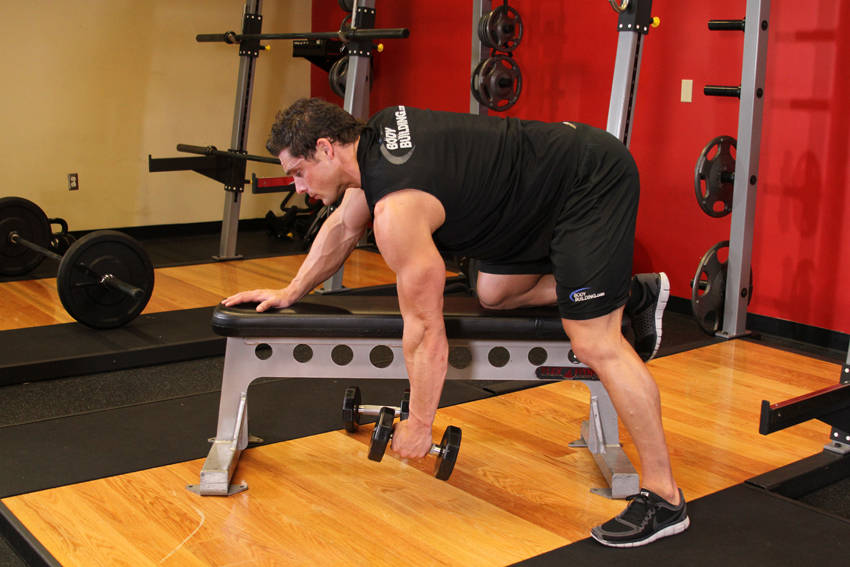
Dumbbell One Arm Bent-over Row
Head-to-Head Comparison
| Attribute | Dumbbell Bent Over Row | Dumbbell One Arm Bent-over Row |
|---|---|---|
| Target Muscle |
Lats
|
Lats
|
| Body Part |
Back
|
Back
|
| Equipment |
Dumbbell
|
Dumbbell
|
| Difficulty |
Intermediate
|
Intermediate
|
| Movement Type |
Compound
|
Compound
|
| Secondary Muscles |
2
|
2
|
Secondary Muscles Activated
Dumbbell Bent Over Row
Dumbbell One Arm Bent-over Row
Visual Comparison
Overview
Dumbbell Bent Over Row vs Dumbbell One Arm Bent-over Row — two staple back moves that both target the lats but load your body differently. If you want clear guidance on which to pick for muscle growth, strength, unilateral balance, or limited equipment, you’re in the right place. I’ll walk you through mechanics, muscle activation, technique cues (hip hinge angle, elbow path, trunk bracing), and practical programming tips including rep ranges and progression. By the end you’ll know which row fits your goal and how to perform it safely and effectively.
Key Differences
- Both exercises target the Lats using Dumbbell. The main differences are in their movement patterns and muscle activation angles.
Pros & Cons
Dumbbell Bent Over Row
+ Pros
- Allows heavier overall loading for higher mechanical tension
- Symmetrical movement lowers balance demands and simplifies technique
- Strong posterior chain isometric work improves hip hinge strength
- Efficient for training both sides at once—good for time-efficient sessions
− Cons
- Harder to isolate left-right imbalances
- Requires matched dumbbells for maximal loading
- Higher cumulative lumbar shear if form breaks under load
Dumbbell One Arm Bent-over Row
+ Pros
- Better for unilateral strength and correcting imbalances
- Allows increased peak contraction and deeper lat stretch
- Works core anti-rotation and obliques more effectively
- Can be done with a single dumbbell—more accessible for home use
− Cons
- Greater trunk stabilization demand can expose weak core control
- Usually lighter working loads limit absolute mechanical tension
- Requires coaching to avoid torso rotation and lumbar strain
When Each Exercise Wins
Bilateral rows let you use heavier loads and accumulate more total volume per session (3–5 sets of 6–12 reps). The ability to progressively overload with heavier dumbbells gives a mechanical tension advantage for lat growth.
Strength favors higher absolute load and stable positioning; the two-arm row supports heavier weight and better spinal loading control, enabling lower-rep strength work (3–6 reps) with consistent force vectors.
Beginners learn hip hinge and bilateral coordination more easily. It has simpler setup and lower anti-rotation demands, so you can focus on technique and build capacity before adding unilateral complexity.
One-arm rows need only one dumbbell and small space, and they let you progress via reps, tempo, and body position—ideal when you lack heavy matched pairs.
Frequently Asked Questions
Can I do both Dumbbell Bent Over Row and Dumbbell One Arm Bent-over Row in the same workout?
Yes. Start with heavy bilateral bent-over rows for your main mass/strength sets (3–5 sets, 3–8 reps), then use one-arm rows as an accessory for 2–3 sets of 8–12 reps to address imbalances and extend time under tension.
Which exercise is better for beginners?
Dumbbell Bent Over Row is generally better for beginners because it reduces anti-rotation demands and lets you focus on hip hinge, neutral spine, and consistent elbow path before adding unilateral complexity.
How do the muscle activation patterns differ?
Bilateral rows produce simultaneous scapular retraction and a more vertical force vector, favoring heavier concentric force. One-arm rows create a lateral force vector and greater trunk torque, increasing unilateral lat peak contraction and core anti-rotation activation.
Can Dumbbell One Arm Bent-over Row replace Dumbbell Bent Over Row?
It can replace bilateral rows in limited-equipment settings or when prioritizing unilateral control, but for maximum mechanical tension and straightforward strength progression, include bilateral bent-over rows periodically.
Expert Verdict
Use the Dumbbell Bent Over Row when your priority is total mechanical tension, efficient volume, and straightforward progression—it’s the go-to for building lat size and strength with heavier loads (3–5 sets of 6–12 reps for hypertrophy; 3–5 sets of 3–6 reps for strength). Choose the Dumbbell One Arm Bent-over Row when you need to fix left-right imbalances, increase peak contraction and range of motion, or train with limited equipment—focus on controlled 8–15 rep ranges and strict anti-rotation bracing. Rotate both into your program: bilateral blocks for load and volume, unilateral blocks for balance and technique.
Also Compare
More comparisons with Dumbbell Bent Over Row
More comparisons with Dumbbell One Arm Bent-over Row
Compare More Exercises
Use our free comparison tool to analyze any two exercises head-to-head.
Compare Exercises