

Dumbbell Burpee vs Elliptical Trainer: Complete Comparison Guide
Dumbbell Burpee vs Elliptical Trainer — you’re comparing a high-intensity, compound plyometric move to a low-impact cardio machine. If you want to know which one will drive more quad development, tax your conditioning, fit into a home setup, or lower injury risk, this guide has your back. You’ll get clear technique cues, biomechanical reasons why each hits the quads differently, specific rep ranges and progression ideas, plus decisive recommendations for strength, hypertrophy, beginners, and home workouts so you can pick the right tool for your plan.
Exercise Comparison
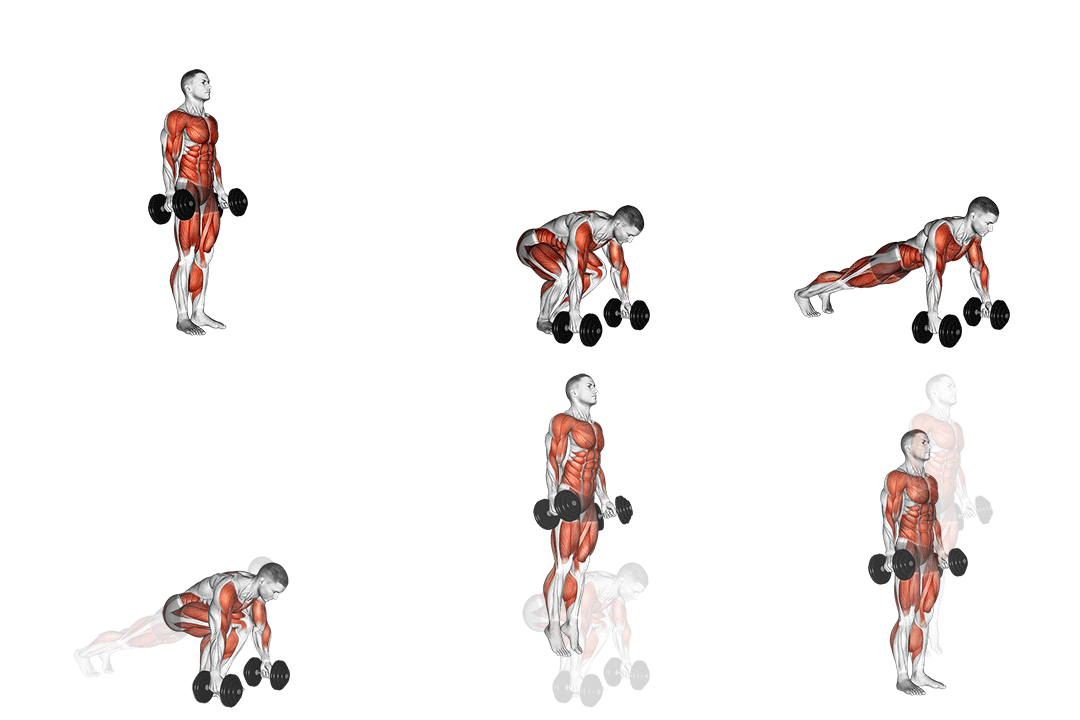
Dumbbell Burpee
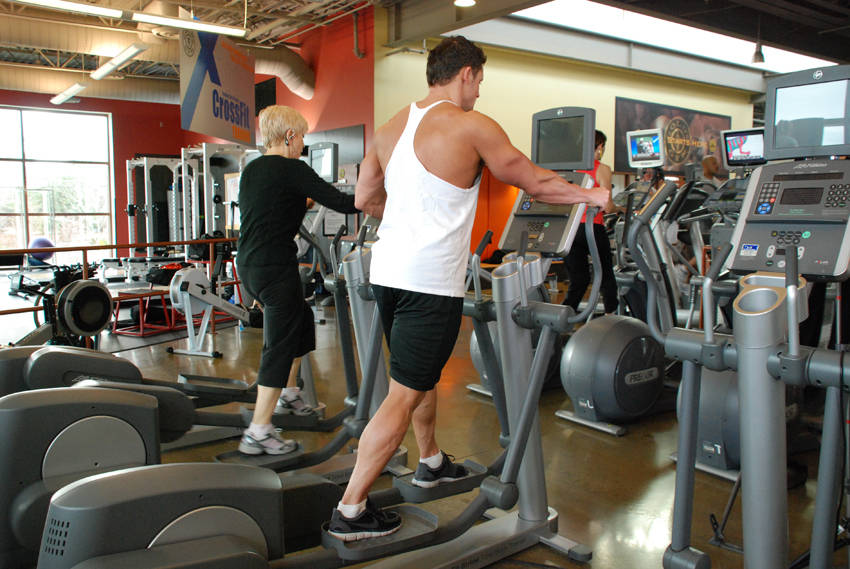
Elliptical Trainer
Head-to-Head Comparison
| Attribute | Dumbbell Burpee | Elliptical Trainer |
|---|---|---|
| Target Muscle |
Quads
|
Quads
|
| Body Part |
Cardio
|
Cardio
|
| Equipment |
Dumbbell
|
Machine
|
| Difficulty |
Advanced
|
Beginner
|
| Movement Type |
Compound
|
Compound
|
| Secondary Muscles |
6
|
3
|
Secondary Muscles Activated
Dumbbell Burpee
Elliptical Trainer
Visual Comparison
Overview
Dumbbell Burpee vs Elliptical Trainer — you’re comparing a high-intensity, compound plyometric move to a low-impact cardio machine. If you want to know which one will drive more quad development, tax your conditioning, fit into a home setup, or lower injury risk, this guide has your back. You’ll get clear technique cues, biomechanical reasons why each hits the quads differently, specific rep ranges and progression ideas, plus decisive recommendations for strength, hypertrophy, beginners, and home workouts so you can pick the right tool for your plan.
Key Differences
- Equipment differs: Dumbbell Burpee uses Dumbbell, while Elliptical Trainer requires Machine.
- Difficulty levels differ: Dumbbell Burpee is advanced, while Elliptical Trainer is beginner.
Pros & Cons
Dumbbell Burpee
+ Pros
- High quad and full-body recruitment — integrates squatting, pushing, and jumping
- Excellent for metabolic conditioning and short, intense intervals (EMOM, AMRAP)
- Easy to progress load and mechanical difficulty (heavier DBs, deficits, tempo)
- Minimal equipment and footprint — ideal for home or travel
− Cons
- Advanced coordination and mobility required; steeper learning curve
- Higher impact and joint stress — greater injury risk with poor form
- Less sustainable for long steady-state cardio sessions
Elliptical Trainer
+ Pros
- Low-impact continuous cardio — friendly to joints and rehab settings
- Simple to use with immediate cardiovascular benefits
- Good for steady-state calorie burn and interval conditioning with low skill
- Consistent, repeatable resistance and measurable progress via machine settings
− Cons
- Lower peak quad activation and less eccentric loading for strength
- Requires significant equipment investment or gym access
- Limited carryover to explosive or multi-planar athletic movements
When Each Exercise Wins
Dumbbell Burpees create higher peak quad tension during deep knee flexion and explosive extension and allow progressive overload (increase DB weight, add reps/tempo). Use 6–12 controlled reps with heavier dumbbells or 8–15 reps with moderate load for hypertrophy-focused sets.
The burpee places greater force demands through eccentric control and concentric power, enabling heavy-loaded progressions and higher ground reaction forces necessary for strength. Pair weighted burpee variations with 3–5 sets of 3–8 reps for maximal strength adaptations.
The elliptical reduces impact and isolates the lower-limb concentric drive, making it safer for someone new to training or with limited mobility. Start with 20–30 minutes at moderate resistance to build aerobic base before adding complex moves.
Dumbbell Burpees require only a pair of dumbbells and a small space, making them practical for most homes. You can program AMRAPs, circuits, or strength sets without costly equipment or dedicated floor space.
Frequently Asked Questions
Can I do both Dumbbell Burpee and Elliptical Trainer in the same workout?
Yes. Structure them to serve different purposes: use burpees for high-intensity intervals or strength blocks (e.g., 4–8 reps or 20–40 second efforts) and the elliptical for steady-state or low-impact recovery (10–30 minutes). Avoid back-to-back maximal burpee sets and long elliptical sprints in the same session to reduce fatigue-related technique breakdown.
Which exercise is better for beginners?
Elliptical Trainer is better for beginners because it produces consistent, low-impact loading and requires minimal coordination. Beginners can build aerobic capacity and joint tolerance on the elliptical before progressing to multi-joint plyometrics like burpees.
How do the muscle activation patterns differ?
Dumbbell Burpee creates phasic, high-amplitude activation with eccentric braking in the squat and explosive concentric power in the jump plus upper-body loading during the push phase. The Elliptical Trainer produces lower-amplitude, steady concentric cycles with continuous hip-knee extension but much less eccentric stress and lower peak forces.
Can Elliptical Trainer replace Dumbbell Burpee?
Not fully. The elliptical can replace burpees for low-impact cardio and volume work, but it cannot replicate the high peak forces, multi-joint eccentric loading, and upper-body recruitment of dumbbell burpees needed for strength and explosive adaptations. Use the elliptical for conditioning or recovery and reserve burpees when you need maximal quad stimulus or full-body power work.
Expert Verdict
Choose the Dumbbell Burpee when your goal is quad-focused muscle growth, strength, and metabolic conditioning — it delivers higher peak quad activation, greater eccentric-concentric demand, and scalable overload. Use structured sets (3–5 sets of 6–12 reps for hypertrophy; 8–15 for conditioning) and prioritize strict landing mechanics: soft knees, neutral spine, and controlled chest-to-floor in the push-up. Pick the Elliptical Trainer if you need low-impact, steady-state cardio, rehabilitation-friendly sessions, or an easy way to accumulate volume with minimal skill. Both tools can complement each other: alternate burpee-heavy sessions for strength and intervals with elliptical recovery or long aerobic work.
Also Compare
More comparisons with Dumbbell Burpee


Compare More Exercises
Use our free comparison tool to analyze any two exercises head-to-head.
Compare Exercises