

Dumbbell Burpee vs Jogging, Treadmill: Complete Comparison Guide
Dumbbell Burpee vs Jogging, Treadmill — two cardio staples that stress your quads but do so with different mechanics. You’ll get a clear side-by-side of muscle activation, equipment needs, learning curve, and injury risk. Read on for specific technique cues (hip hinge, knee tracking, treadmill cadence), rep ranges (6–12 reps or 20–40s intervals for burpees; 20–60 minutes or steady-state 5–8 mph equivalent for treadmill), and practical recommendations so you can pick the one that matches your strength, endurance, and space.
Exercise Comparison
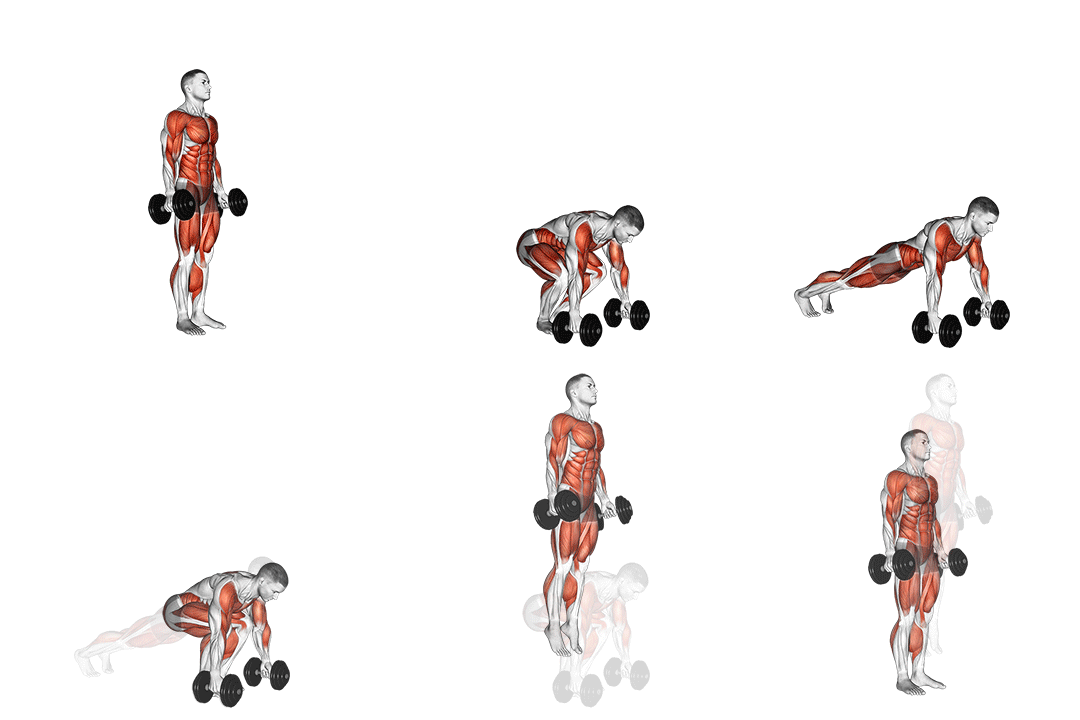
Dumbbell Burpee
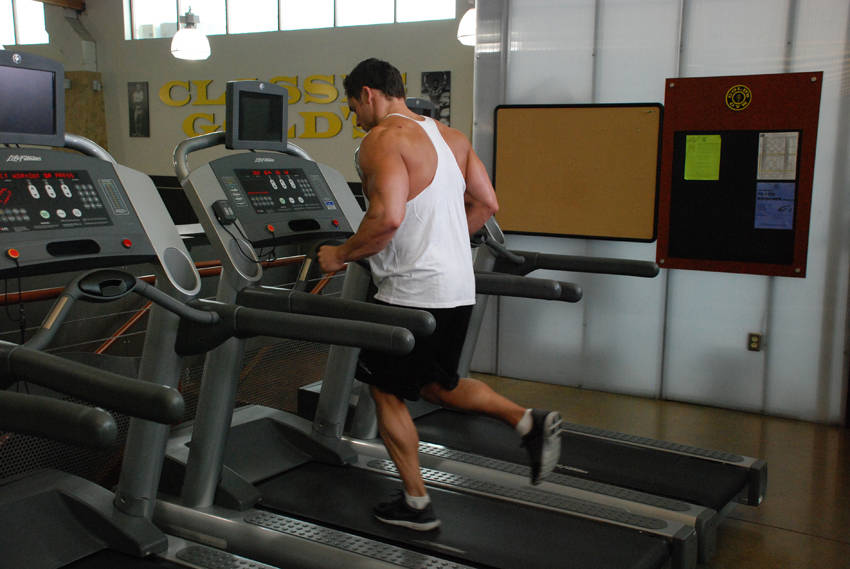
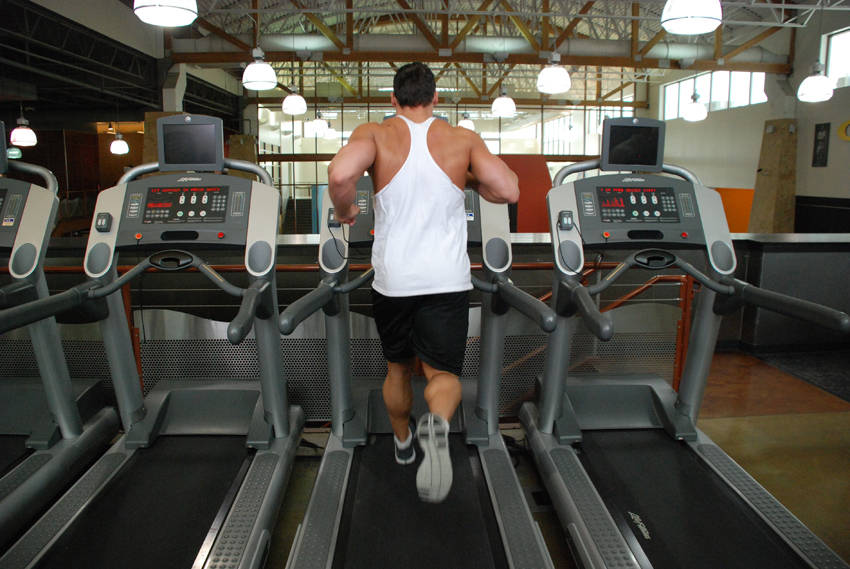
Jogging, Treadmill
Head-to-Head Comparison
| Attribute | Dumbbell Burpee | Jogging, Treadmill |
|---|---|---|
| Target Muscle |
Quads
|
Quads
|
| Body Part |
Cardio
|
Cardio
|
| Equipment |
Dumbbell
|
Machine
|
| Difficulty |
Advanced
|
Beginner
|
| Movement Type |
Compound
|
Compound
|
| Secondary Muscles |
6
|
2
|
Secondary Muscles Activated
Dumbbell Burpee
Jogging, Treadmill
Visual Comparison
Overview
Dumbbell Burpee vs Jogging, Treadmill — two cardio staples that stress your quads but do so with different mechanics. You’ll get a clear side-by-side of muscle activation, equipment needs, learning curve, and injury risk. Read on for specific technique cues (hip hinge, knee tracking, treadmill cadence), rep ranges (6–12 reps or 20–40s intervals for burpees; 20–60 minutes or steady-state 5–8 mph equivalent for treadmill), and practical recommendations so you can pick the one that matches your strength, endurance, and space.
Key Differences
- Equipment differs: Dumbbell Burpee uses Dumbbell, while Jogging, Treadmill requires Machine.
- Difficulty levels differ: Dumbbell Burpee is advanced, while Jogging, Treadmill is beginner.
Pros & Cons
Dumbbell Burpee
+ Pros
- High-intensity full-body stimulus that drives muscle growth and power
- Short, efficient workouts: 6–12 reps or 20–40s intervals produce strong metabolic response
- Easy to overload by increasing dumbbell weight or adding reps
- Develops explosive hip and knee extension and core anti-extension strength
− Cons
- Advanced technique increases acute injury risk if form breaks (poor landing, lumbar flexion)
- Requires a dumbbell and safe landing surface
- High impact and shoulder demand can limit frequency
Jogging, Treadmill
+ Pros
- Beginner-friendly and easy to control pace and volume
- Low technical demand; repeatable for long aerobic sessions
- Predictable impact and environment (especially on a machine)
- Excellent for steady-state calorie burn and aerobic base building
− Cons
- Limited upper-body and core loading compared with burpees
- Progression is mainly time, speed, or incline — less strength carryover
- Can promote overuse injuries if volume, cadence, or footstrike are poor
When Each Exercise Wins
Dumbbell burpees produce higher peak quad and whole-body mechanical tension via explosive knee and hip extension and the ability to add load (6–12 rep strength clusters or weighted intervals). The combined concentric spikes and eccentric control create greater stimulus for muscle growth than steady treadmill jogging.
Burpees allow progressive overload (heavier dumbbell, slower eccentric, paused reps) and train force production through vertical force vectors and triple-extension mechanics that transfer to squat and jump strength more than treadmill jogging.
Treadmill jogging has a gentler learning curve and predictable, sustained quad loading. Start with 20–30 minute sessions at an easy pace (RPE 3–4) to build endurance before adding complex movements like burpees.
If you own even one dumbbell and have a small space, burpees deliver high-intensity stimulus without a bulky machine. They let you build strength, power, and cardio in 10–20 minute sessions, making them ideal for constrained home setups.
Frequently Asked Questions
Can I do both Dumbbell Burpee and Jogging, Treadmill in the same workout?
Yes. Pair them with structure: use burpees for short high-intensity intervals (4–6 sets of 20–40s) and treadmill jogging for active recovery or steady-state finish (10–30 minutes). Alternate intensity to avoid technique breakdown and reduce injury risk.
Which exercise is better for beginners?
Jogging on a treadmill is better for beginners because it’s easier to control pace and requires less technical skill. Start with 20–30 minutes at an easy effort and progress to intervals before attempting weighted burpees.
How do the muscle activation patterns differ?
Burpees cause high-amplitude, short-duration quad spikes during takeoff and landing with substantial shoulder and core activation, engaging fast-twitch fibers. Treadmill jogging yields cyclical, lower-amplitude quad activity across sustained repetitions, favoring slow-twitch endurance recruitment and posterior chain support.
Can Jogging, Treadmill replace Dumbbell Burpee?
Not entirely. Treadmill jogging can replace the cardio component but lacks equivalent upper-body loading, peak mechanical tension, and explosive power stimulus. Use treadmill for volume and recovery; use burpees when you need strength, power, and compact metabolic work.
Expert Verdict
Pick dumbbell burpees when you want maximal, time-efficient mechanical tension, power development, and a full-body metabolic hit. Use 6–12 weighted reps or 20–40 second all-out intervals, focus on a strong hip hinge, knees tracking over toes, and soft landings to protect joints. Choose treadmill jogging when you need low-skill steady-state cardio, aerobic base, or joint-friendly volume—aim for 20–60 minutes at a conversational pace or incline intervals for variety. Combine both across phases: prioritize burpees for strength/power blocks and treadmill jogging for base or recovery weeks.
Also Compare
More comparisons with Dumbbell Burpee

Compare More Exercises
Use our free comparison tool to analyze any two exercises head-to-head.
Compare Exercises