

Dumbbell Contralateral Forward Lunge vs Dumbbell Plyo Squat: Complete Comparison Guide
Dumbbell Contralateral Forward Lunge vs Dumbbell Plyo Squat — two compound, dumbbell-based moves that load your glutes and upper-legs differently. You’ll get clear guidance on muscle activation, equipment needs, technique cues, and which move fits hypertrophy, strength, and home training. I’ll cover biomechanics (force vectors, length–tension, and stretch‑shortening), practical rep ranges (6–12 for strength/hypertrophy, 3–6 for power work), and step-by-step coaching tips so you can pick the right exercise and progress safely.
Exercise Comparison
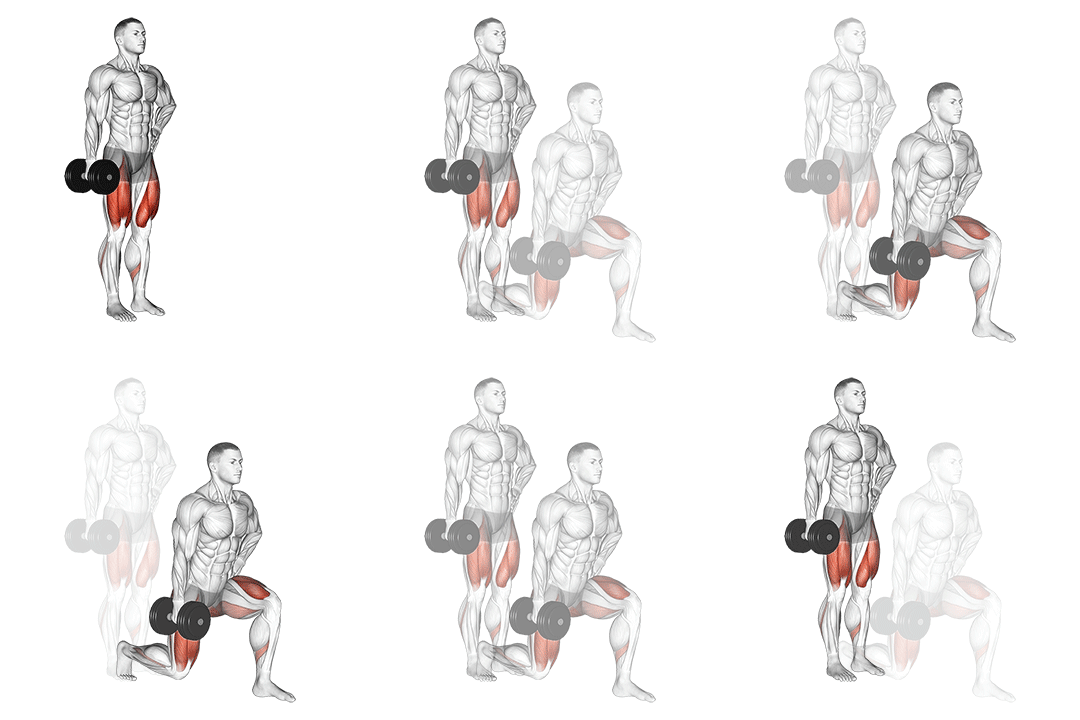
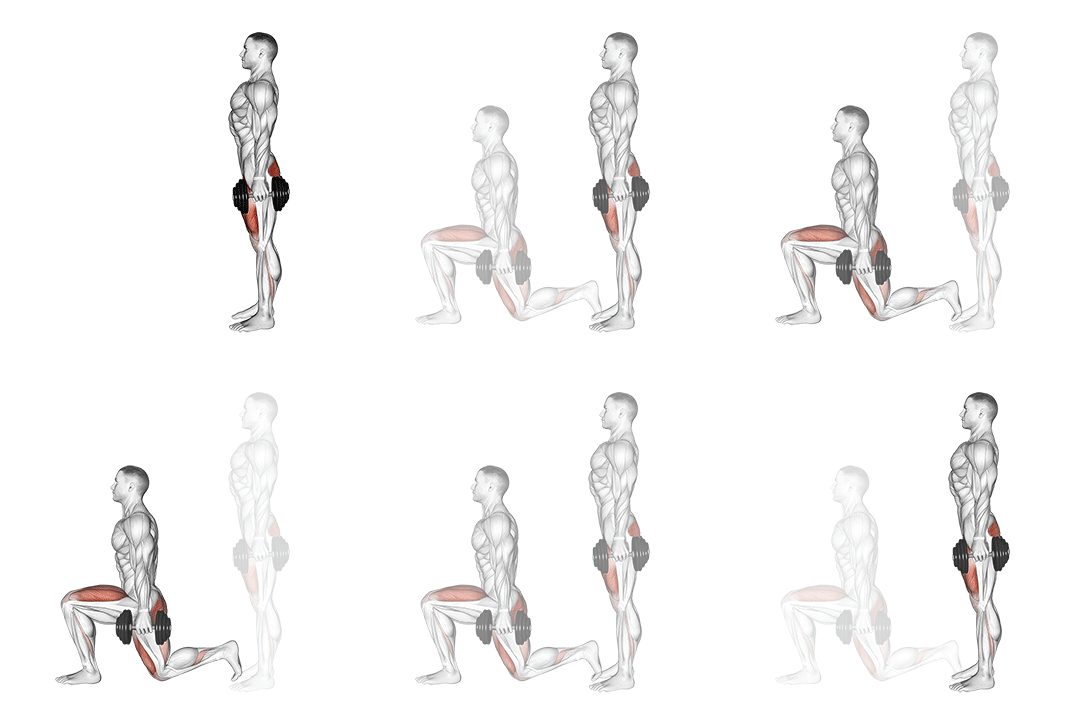
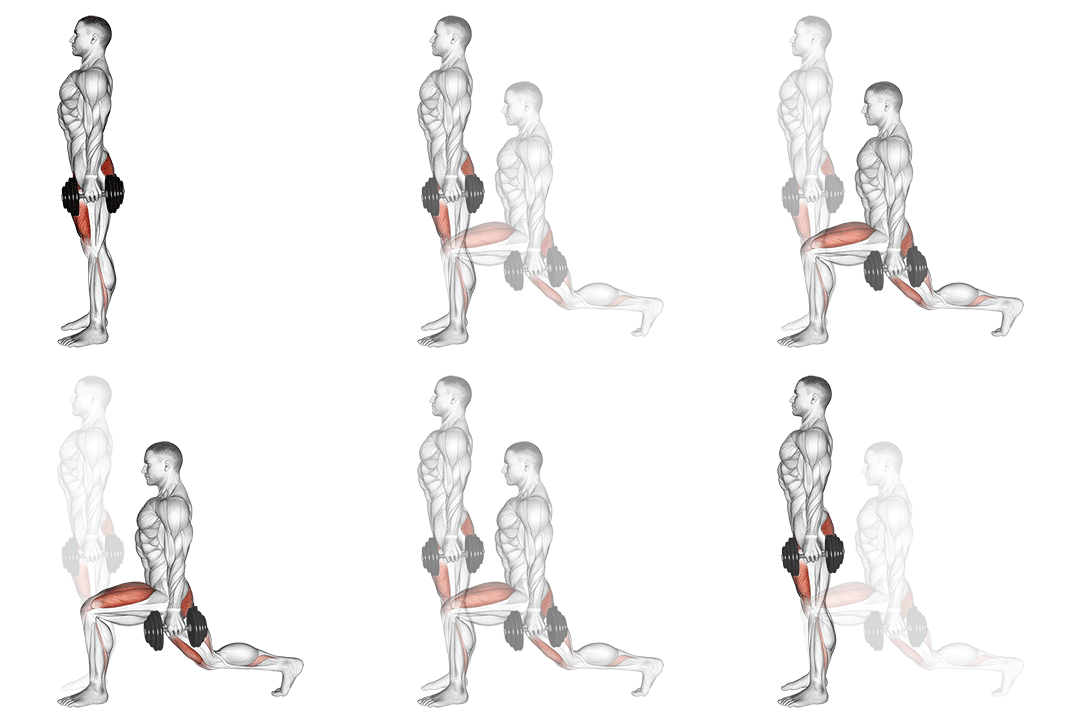
Dumbbell Contralateral Forward Lunge
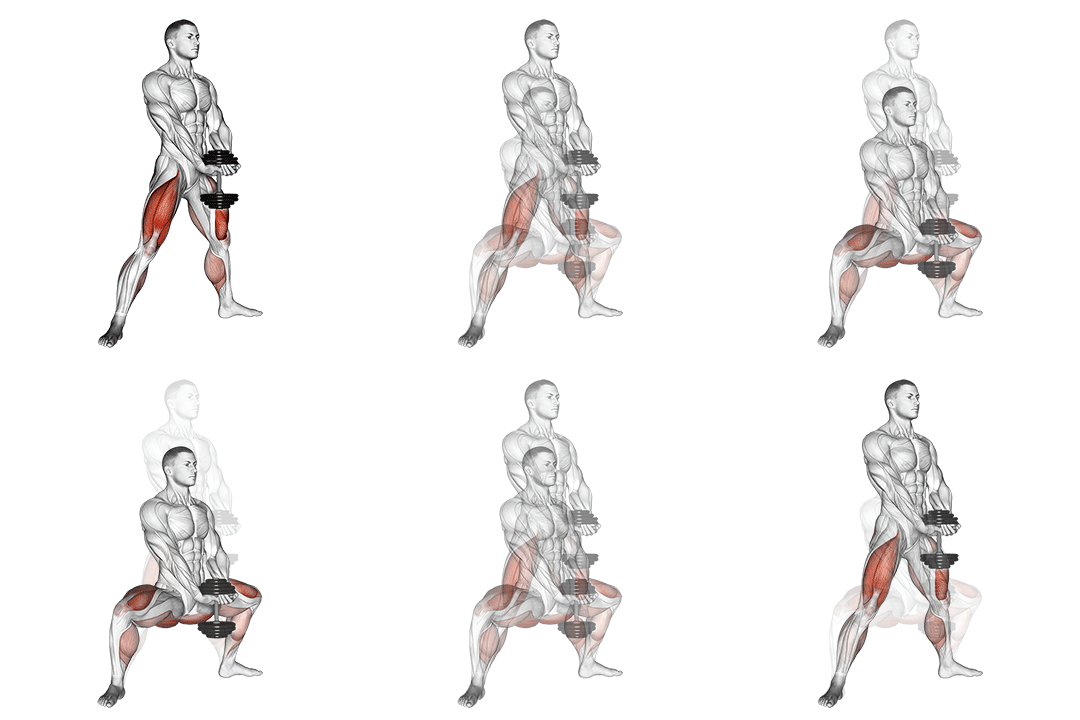
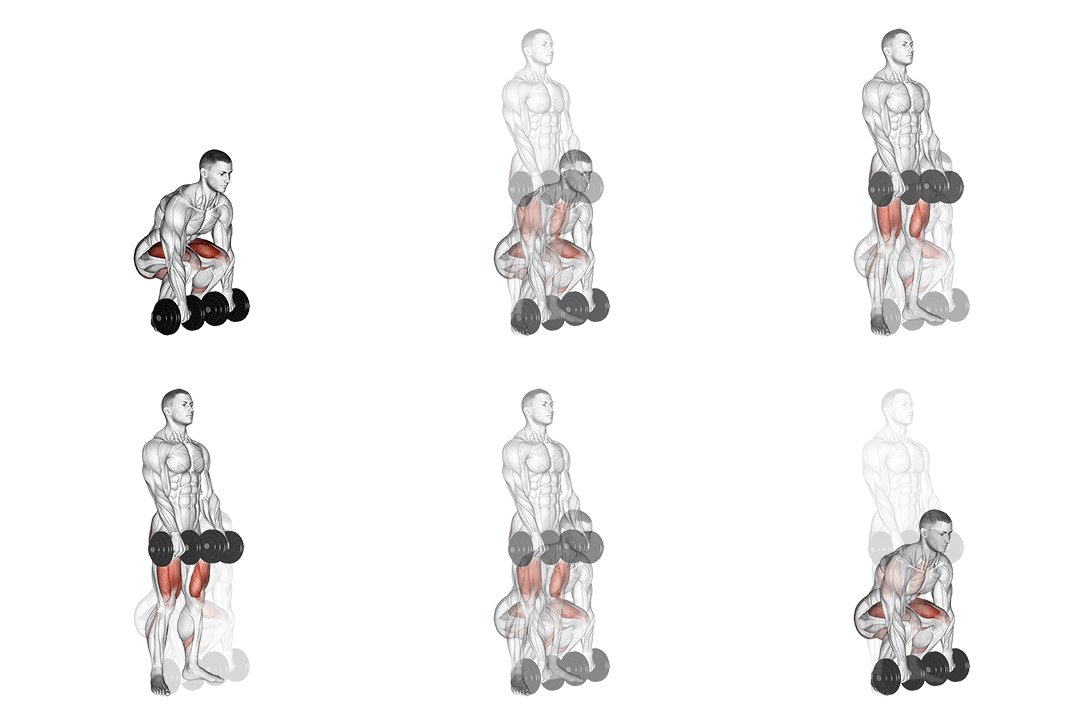
Dumbbell Plyo Squat
Head-to-Head Comparison
| Attribute | Dumbbell Contralateral Forward Lunge | Dumbbell Plyo Squat |
|---|---|---|
| Target Muscle |
Glutes
|
Glutes
|
| Body Part |
Upper-legs
|
Upper-legs
|
| Equipment |
Dumbbell
|
Dumbbell
|
| Difficulty |
Intermediate
|
Advanced
|
| Movement Type |
Compound
|
Compound
|
| Secondary Muscles |
3
|
3
|
Secondary Muscles Activated
Dumbbell Contralateral Forward Lunge
Dumbbell Plyo Squat
Visual Comparison
Overview
Dumbbell Contralateral Forward Lunge vs Dumbbell Plyo Squat — two compound, dumbbell-based moves that load your glutes and upper-legs differently. You’ll get clear guidance on muscle activation, equipment needs, technique cues, and which move fits hypertrophy, strength, and home training. I’ll cover biomechanics (force vectors, length–tension, and stretch‑shortening), practical rep ranges (6–12 for strength/hypertrophy, 3–6 for power work), and step-by-step coaching tips so you can pick the right exercise and progress safely.
Key Differences
- Difficulty levels differ: Dumbbell Contralateral Forward Lunge is intermediate, while Dumbbell Plyo Squat is advanced.
- Both exercises target the Glutes using Dumbbell. The main differences are in their movement patterns and muscle activation angles.
Pros & Cons
Dumbbell Contralateral Forward Lunge
+ Pros
- Excellent unilateral strength and hypertrophy stimulus with high time‑under‑tension
- Lower impact — safer for knees and ankles when loaded
- Strong carryover to single‑leg strength and balance; boosts gluteus medius stability
- Easy to load progressively with heavier dumbbells or tempo manipulation
− Cons
- Slower for power development compared with plyometrics
- Requires balance and can expose lateral asymmetries
- Takes longer sets to build peak power or RFD
Dumbbell Plyo Squat
+ Pros
- Superior for explosive power and rate of force development
- Engages fast‑twitch fibers and increases athletic carryover (jumps, sprints)
- Shorter sets can produce high metabolic and neural stimulus
- High peak activation for quads and calves during takeoff/landing
− Cons
- Higher impact and greater technical demand — more injury risk
- Harder to progressively overload with heavy external load safely
- Requires more space and a shock‑absorbing surface
When Each Exercise Wins
The lunge produces longer time‑under‑tension and isolated unilateral loading, allowing you to use 8–12 reps per leg with progressive overload. Its controlled concentric phase and ability to manipulate tempo (3–4s eccentrics) favor mechanical tension, the primary driver of muscle growth.
Heavy, controlled lunges let you increase absolute load and strengthen hip extension and knee extension under high mechanical load. They permit systematic loading (add 2–5 kg increments) and target force production across a full range, which builds maximal strength better than plyometric reps.
Lunges have a gentler learning curve; beginners can start with bodyweight, then add a single dumbbell for 8–12 reps per leg. This builds balance, core stability, and strength before introducing high‑impact plyometrics.
Lunges need minimal space and no special flooring. You can progress with a single adjustable dumbbell and use tempo or higher volume (3–4 sets of 8–15 reps) to make them challenging at home.
Frequently Asked Questions
Can I do both Dumbbell Contralateral Forward Lunge and Dumbbell Plyo Squat in the same workout?
Yes — but sequence matters. Do strength‑focused lunges first (heavier sets of 6–12 reps) then finish with plyo squats for power (3–6 explosive reps) so fatigue doesn’t compromise your landing mechanics and injury risk stays low.
Which exercise is better for beginners?
Beginners should start with the contralateral forward lunge using bodyweight or a light dumbbell to learn balance and hip hinge mechanics. Once you can control 3×8–12 reps per leg with proper knee alignment and a stable trunk, introduce plyometric variants cautiously.
How do the muscle activation patterns differ?
Lunges emphasize sustained concentric glute and quad work with peak activation toward hip extension, while plyo squats create a rapid eccentric‑to‑concentric cycle that spikes RFD and briefly increases fast‑twitch recruitment. The lunge also taxes hip abductors for stabilization more than bilateral plyo jumping.
Can Dumbbell Plyo Squat replace Dumbbell Contralateral Forward Lunge?
Not fully — plyo squats target power and RFD, but they don’t provide the same unilateral mechanical tension or progressive overload for hypertrophy and maximal strength. Use plyo squats as a complement after you’ve built base strength with lunges.
Expert Verdict
Use the Dumbbell Contralateral Forward Lunge as your go‑to for hypertrophy, unilateral strength, and accessible home or gym training — it offers predictable progressive overload, lower impact, and strong glute/hip stabilizer activation when you push through the heel and keep a neutral trunk. Choose the Dumbbell Plyo Squat when your goal is power, athleticism, and rate of force development: perform shallow‑to‑moderate depth (around 80–100° knee flexion) with rapid rebound and light dumbbells, but only after you’ve built baseline strength and landing mechanics. For most lifters focused on muscle growth or strength, prioritize lunges; add plyo squats as a periodic power block (2–6 weeks) once technique is solid.
Also Compare
More comparisons with Dumbbell Contralateral Forward Lunge
Compare More Exercises
Use our free comparison tool to analyze any two exercises head-to-head.
Compare Exercises