

Dumbbell Cuban Press vs Dumbbell Front Raise: Complete Comparison Guide
Dumbbell Cuban Press vs Dumbbell Front Raise — two dumbbell exercises that both target the delts but deliver very different mechanical demands. If you want clear direction on which to add to your program, this guide shows you where each shines: muscle emphasis, technique cues, biomechanical rationale, rep ranges, progression options, and injury risk. You’ll get specific coaching cues (elbow position, rotation angles), numbers for reps and angles, and practical recommendations so you can pick the right movement for your shoulder goals.
Exercise Comparison
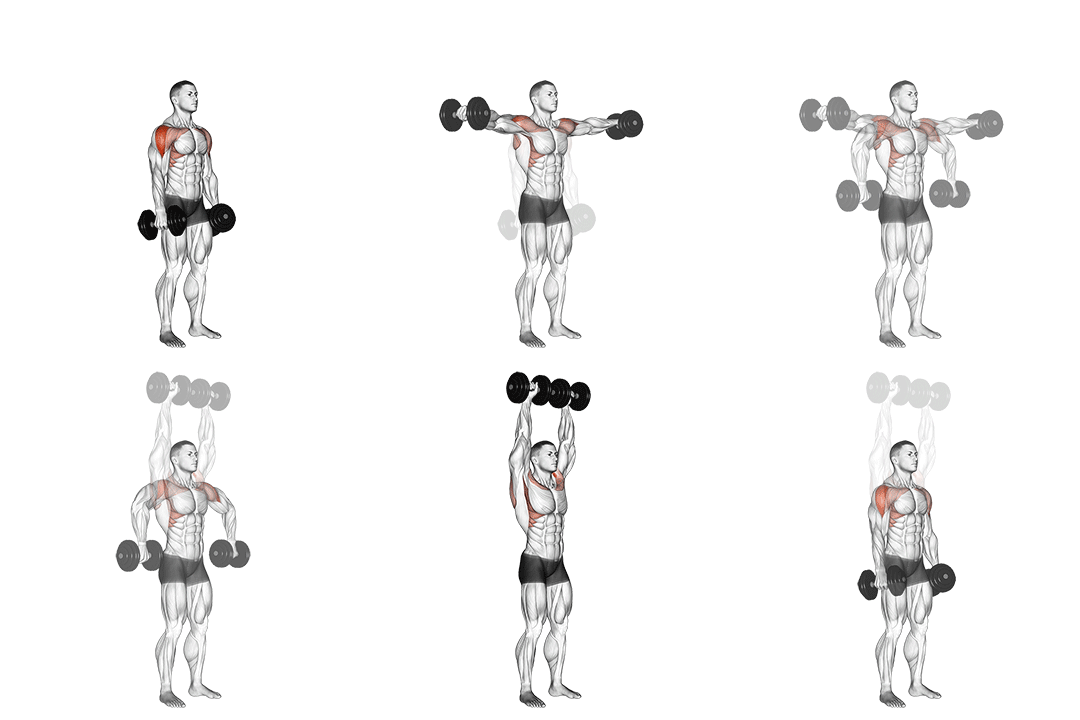
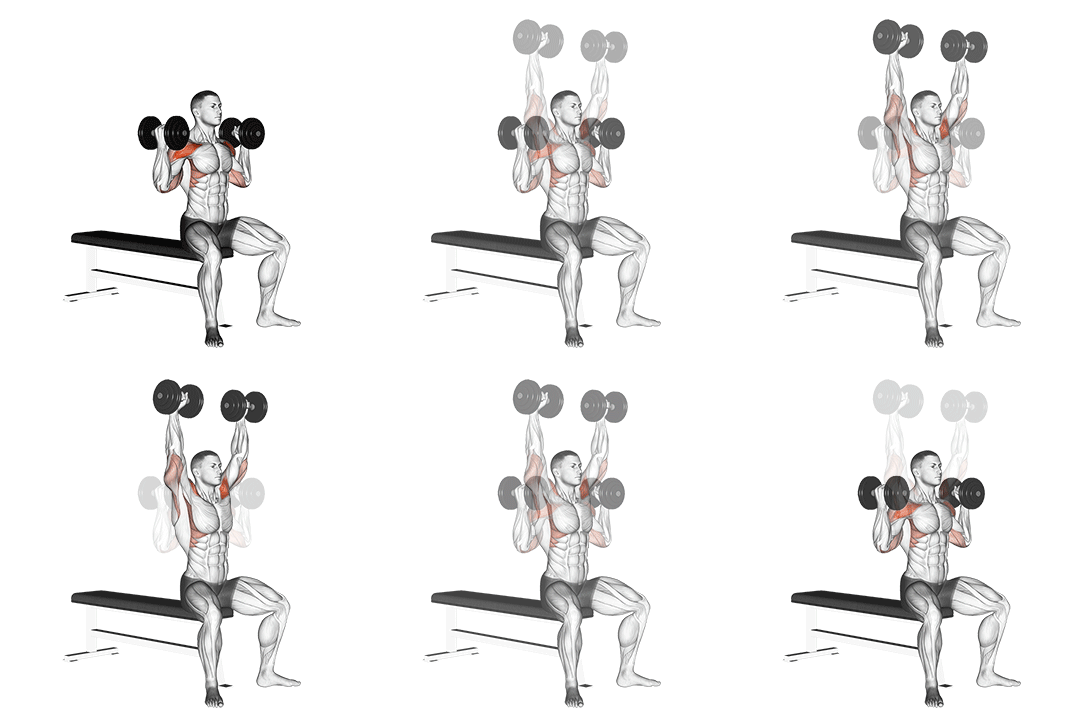
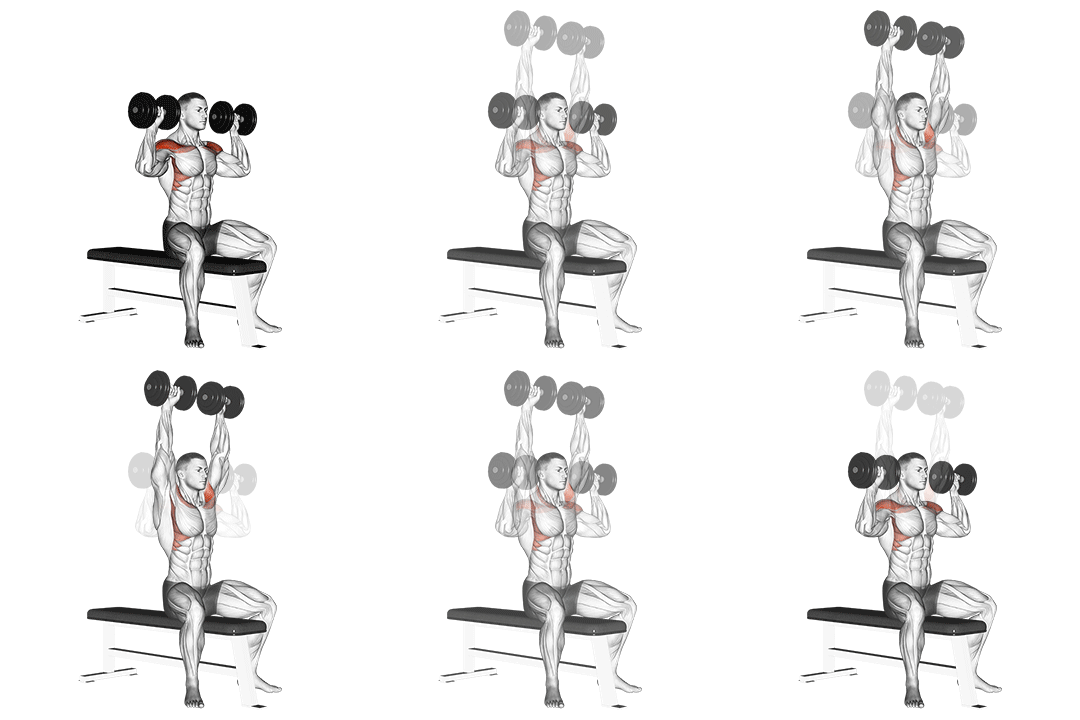
Dumbbell Cuban Press
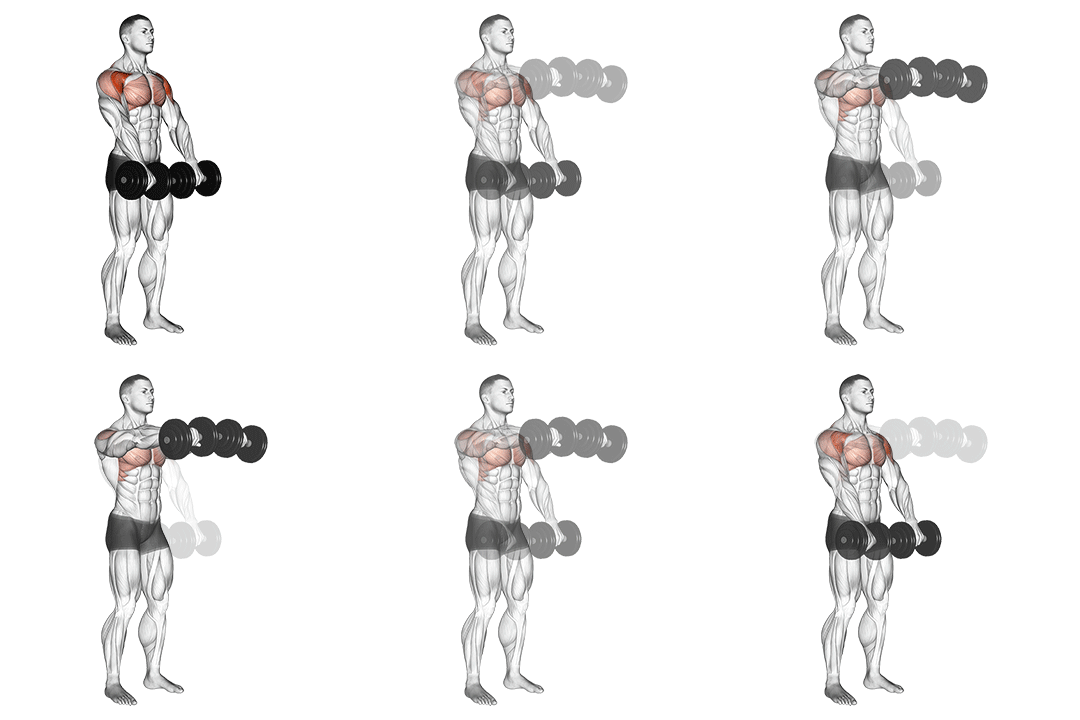
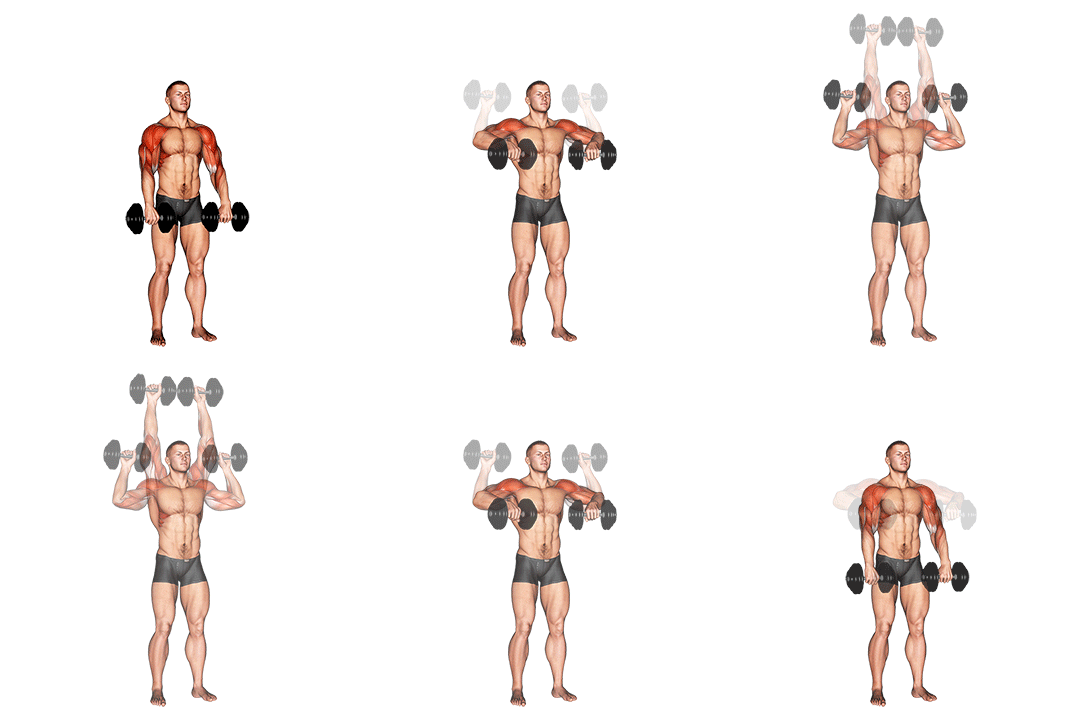
Dumbbell Front Raise
Head-to-Head Comparison
| Attribute | Dumbbell Cuban Press | Dumbbell Front Raise |
|---|---|---|
| Target Muscle |
Delts
|
Delts
|
| Body Part |
Shoulders
|
Shoulders
|
| Equipment |
Dumbbell
|
Dumbbell
|
| Difficulty |
Intermediate
|
Beginner
|
| Movement Type |
Compound
|
Isolation
|
| Secondary Muscles |
2
|
2
|
Secondary Muscles Activated
Dumbbell Cuban Press
Dumbbell Front Raise
Visual Comparison
Overview
Dumbbell Cuban Press vs Dumbbell Front Raise — two dumbbell exercises that both target the delts but deliver very different mechanical demands. If you want clear direction on which to add to your program, this guide shows you where each shines: muscle emphasis, technique cues, biomechanical rationale, rep ranges, progression options, and injury risk. You’ll get specific coaching cues (elbow position, rotation angles), numbers for reps and angles, and practical recommendations so you can pick the right movement for your shoulder goals.
Key Differences
- Dumbbell Cuban Press is a compound movement, while Dumbbell Front Raise is an isolation exercise.
- Difficulty levels differ: Dumbbell Cuban Press is intermediate, while Dumbbell Front Raise is beginner.
- Both exercises target the Delts using Dumbbell. The main differences are in their movement patterns and muscle activation angles.
Pros & Cons
Dumbbell Cuban Press
+ Pros
- Compound sequence builds deltoid strength across multiple heads and trains rotator-cuff control
- Improves scapular stability and external rotation capacity
- Transfers well to pressing strength because of the overhead component
- Allows heavier overall loading and varied tempo through phases
− Cons
- Technical complexity requires practice to perform safely
- Higher shoulder/rotator-cuff stress if mobility or scapular control is poor
- Not ideal for maximal isolation or very high-rep pump work
Dumbbell Front Raise
+ Pros
- Simple, easy-to-learn isolation that targets the anterior deltoid
- Minimal equipment and mobility requirements
- Great for high-rep hypertrophy work and shaping
- Unilateral variations correct side-to-side strength imbalances
− Cons
- Limited ability to progressively overload with heavy load without cheating momentum
- Can contribute to anterior shoulder impingement if performed poorly
- Minimal stimulus for lateral/posterior delts and rotator-cuff strength
When Each Exercise Wins
The Cuban Press loads multiple deltoid heads and adds a press phase that allows heavier total load and progressive overload (6–12 reps), producing broader hypertrophic stimulus than the single-plane Front Raise.
Its compound sequence builds pressing strength and rotator-cuff control under load, so it transfers better to heavier overhead work and multi-joint strength improvements.
Easier mechanics, straightforward cues (soft elbow, lift to ~80–90°), and lower mobility requirements make the Front Raise a safer starting choice for isolating the anterior deltoid.
Requires only dumbbells and less shoulder mobility; it's simpler to perform in confined spaces and scales well with light equipment and higher rep ranges (8–15).
Frequently Asked Questions
Can I do both Dumbbell Cuban Press and Dumbbell Front Raise in the same workout?
Yes. Pair them smartly: use Cuban Press early as a strength compound (3–4 sets of 6–12) and Front Raises later for 2–3 sets of 8–15 to finish the anterior delts. Sequence compound-to-isolation to manage fatigue and preserve clean external rotation mechanics.
Which exercise is better for beginners?
Dumbbell Front Raise is better for beginners because it’s a single-plane movement with simple cues and low coordination demand. Start with light weights, a slight elbow bend, and controlled tempo before adding Cuban Press work once mobility and scapular control improve.
How do the muscle activation patterns differ?
Front Raise creates sustained anterior-deltoid activation through shoulder flexion, peaking near 60–90° of elevation. The Cuban Press produces sequential activation—upper trap/lateral deltoid during the clean, posterior deltoid and external rotators during rotation, then anterior deltoid and triceps during the press—so load is distributed across muscle groups and movement vectors.
Can Dumbbell Front Raise replace Dumbbell Cuban Press?
If your goal is pure anterior-deltoid isolation or you lack shoulder mobility, Front Raise can substitute for targeted work. However, it won’t replace the Cuban Press’s benefits for external-rotation strength, scapular control, and overhead pressing transfer—so it’s a complementary, not equivalent, choice for balanced shoulder development.
Expert Verdict
Use the Dumbbell Front Raise when you need a low-skill, high-control isolation to target the anterior deltoid, correct imbalances, or add volume at the end of a workout (8–15 reps, slow 2–3s eccentrics). Choose the Dumbbell Cuban Press when you want a compound shoulder movement that trains external rotation, scapular control, and overhead pressing strength; progress in the Cuban Press through 6–12 rep sets and by increasing load only once clean and rotation mechanics are solid. If your goal is balanced shoulder development and rotator-cuff resilience, prioritize the Cuban Press in your program and supplement with Front Raises for targeted anterior work and higher-rep volume.
Also Compare
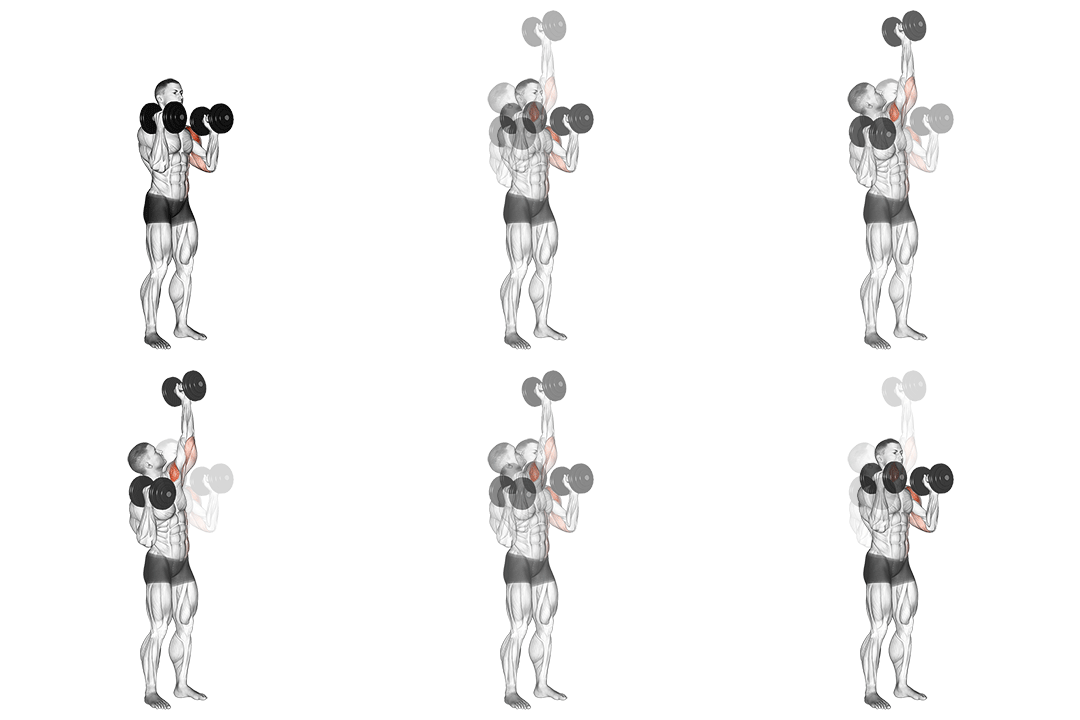
More comparisons with Dumbbell Cuban Press
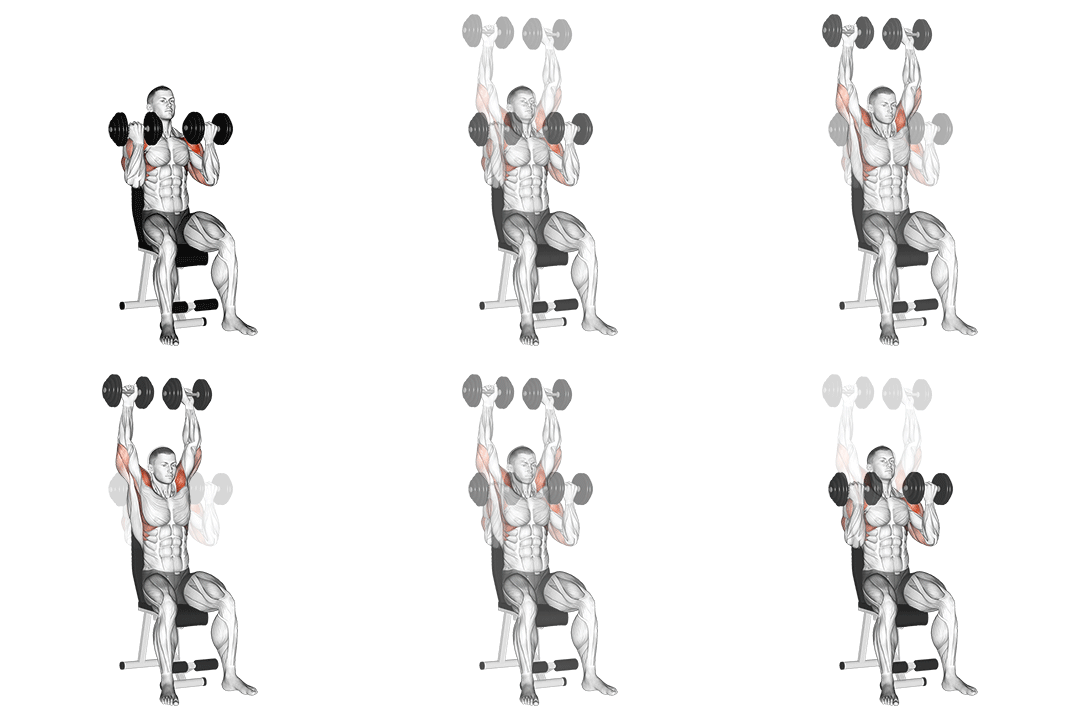
More comparisons with Dumbbell Front Raise
Compare More Exercises
Use our free comparison tool to analyze any two exercises head-to-head.
Compare Exercises