

Dumbbell Deadlift vs Dumbbell Rear Lunge: Complete Comparison Guide
Dumbbell Deadlift vs Dumbbell Rear Lunge — two compound, dumbbell-based moves that both target your glutes and upper-legs but load them differently. You’ll get a direct comparison of primary and secondary muscle emphasis, biomechanics (hip hinge vs. split stance), equipment needs, learning curve, injury risk, and practical programming tips like rep ranges and progressions. Read on and you’ll know which exercise to pick for muscle growth, strength, or home workouts, plus exact technique cues so you can perform each movement safely and efficiently.
Exercise Comparison
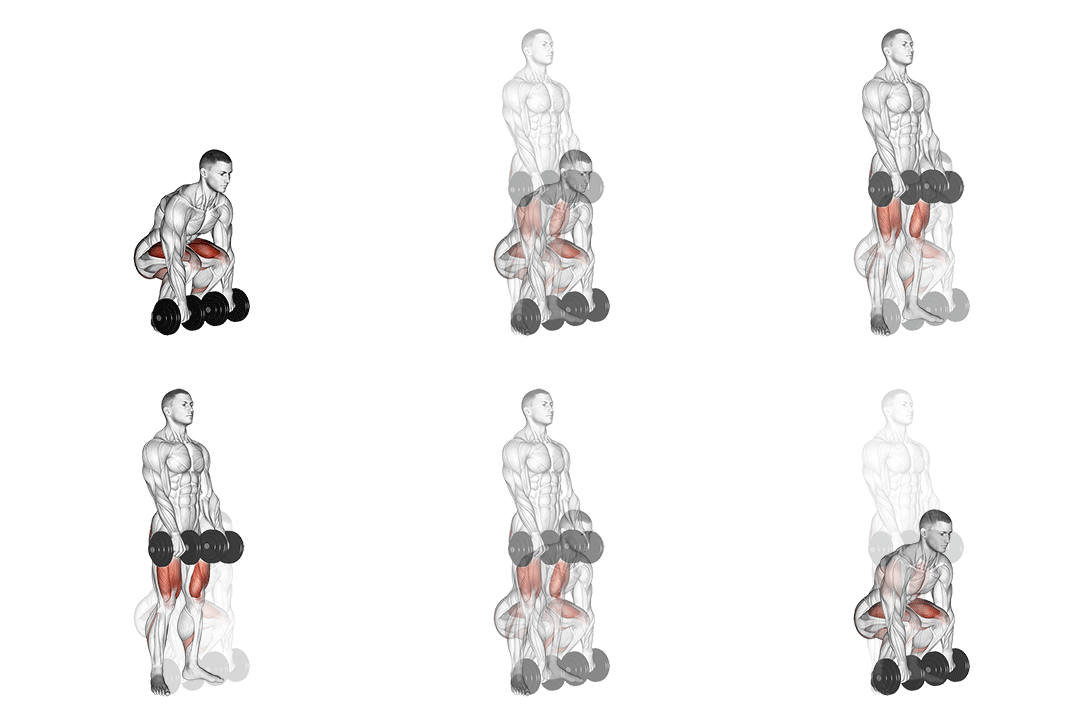
Dumbbell Deadlift
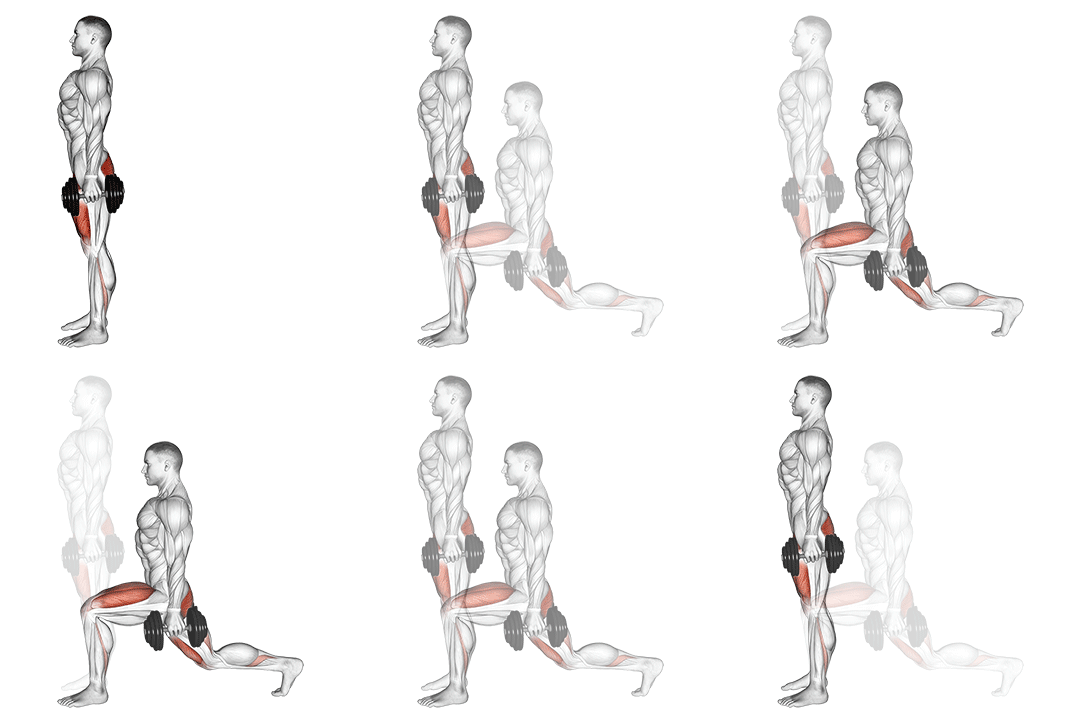
Dumbbell Rear Lunge
Head-to-Head Comparison
| Attribute | Dumbbell Deadlift | Dumbbell Rear Lunge |
|---|---|---|
| Target Muscle |
Glutes
|
Glutes
|
| Body Part |
Upper-legs
|
Upper-legs
|
| Equipment |
Dumbbell
|
Dumbbell
|
| Difficulty |
Intermediate
|
Intermediate
|
| Movement Type |
Compound
|
Compound
|
| Secondary Muscles |
2
|
3
|
Secondary Muscles Activated
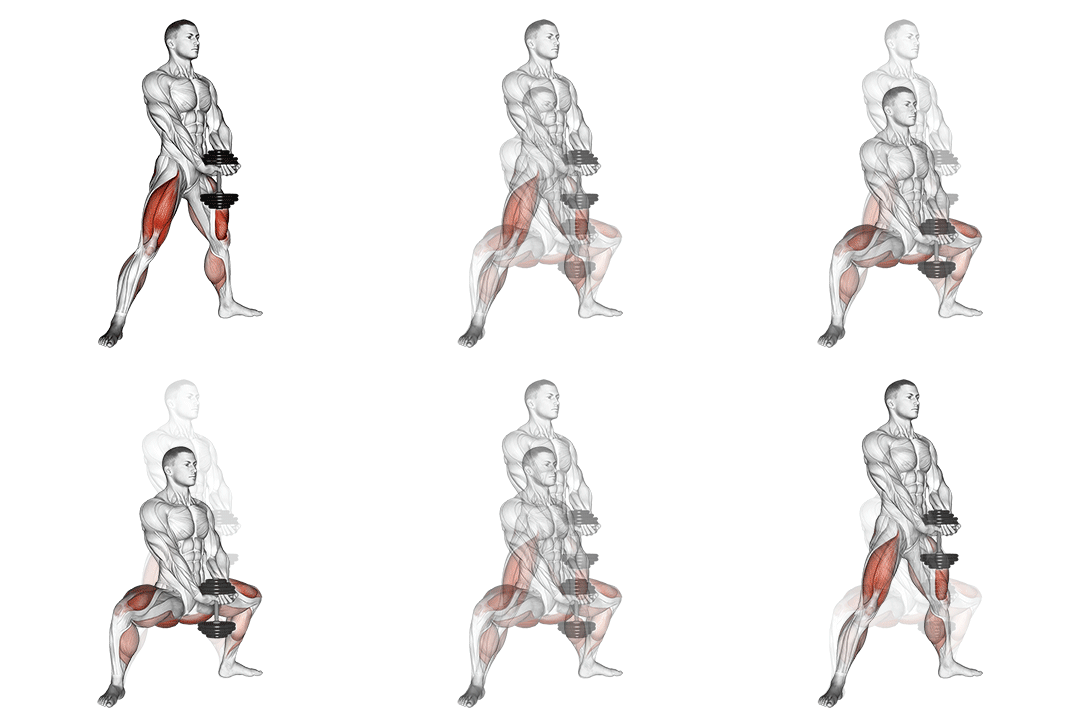
Dumbbell Deadlift
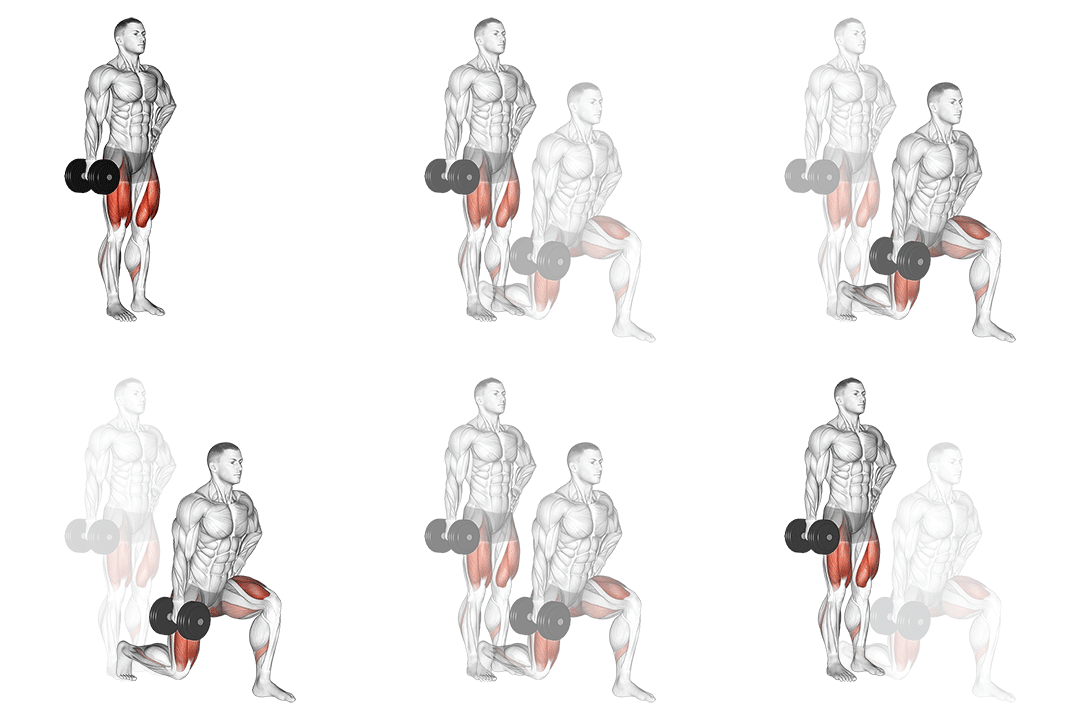
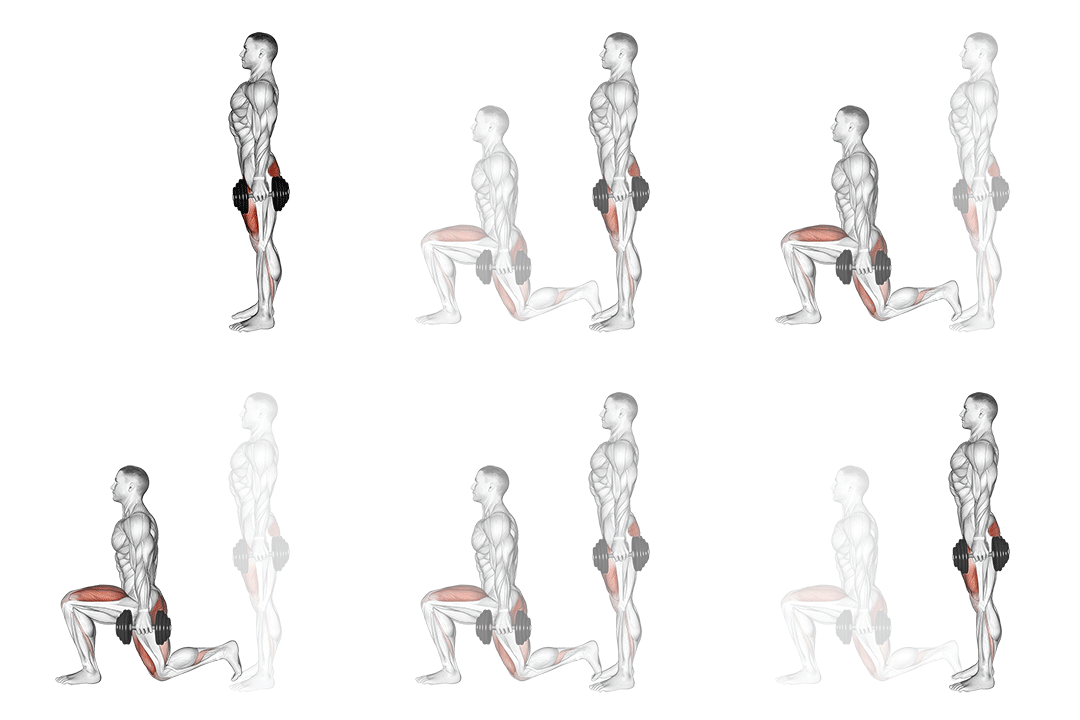
Dumbbell Rear Lunge
Visual Comparison
Overview
Dumbbell Deadlift vs Dumbbell Rear Lunge — two compound, dumbbell-based moves that both target your glutes and upper-legs but load them differently. You’ll get a direct comparison of primary and secondary muscle emphasis, biomechanics (hip hinge vs. split stance), equipment needs, learning curve, injury risk, and practical programming tips like rep ranges and progressions. Read on and you’ll know which exercise to pick for muscle growth, strength, or home workouts, plus exact technique cues so you can perform each movement safely and efficiently.
Key Differences
- Both exercises target the Glutes using Dumbbell. The main differences are in their movement patterns and muscle activation angles.
Pros & Cons
Dumbbell Deadlift
+ Pros
- Strong posterior-chain stimulus—excellent for glute and hamstring development
- High loading potential for strength work with simple progression
- Teaches powerful hip hinge and carries over to other lifts
- Low equipment setup—no rack, just dumbbells
− Cons
- Higher spinal loading if technique breaks down
- Requires heavier weights to maximize stimulus compared to lunges
- Less unilateral work—can hide left/right imbalances
Dumbbell Rear Lunge
+ Pros
- Great unilateral exercise to correct asymmetries and build single-leg strength
- Places more emphasis on quads while still hitting glutes and hamstrings
- Easy to scale with bodyweight to heavy dumbbells
- Improves balance and ankle mobility due to split-stance demands
− Cons
- Requires coordination and balance that can limit load
- Can stress the knee if step length or knee tracking is poor
- Lower maximal load potential per leg versus bilateral deadlift
When Each Exercise Wins
Deadlifts allow heavier bilateral loading and longer time under tension on the posterior chain, producing stronger mechanical overload for glute and hamstring muscle growth. Use 6–12 reps with controlled eccentrics (2–4s) and progressive loading.
Deadlifts better transfer to maximal hip-extension strength because they permit greater absolute loads and stronger posterior-chain moment arms. Train 3–6 reps per set with incremental weight increases and full recovery between sets.
Rear lunges are easier to scale with bodyweight and teach single-leg control and basic loaded movement patterns without heavy spinal loading. Start with 8–12 reps per leg, short step lengths, and focus on torso upright and knee tracking.
You can get an effective stimulus with lighter dumbbells or bodyweight and limited space; lunges require less maximal load to challenge muscles than deadlifts do at home. Use higher reps (12–20) or unilateral sets to increase intensity.
Frequently Asked Questions
Can I do both Dumbbell Deadlift and Dumbbell Rear Lunge in the same workout?
Yes. Pair them by using deadlifts early as your heavy posterior-chain movement (3–5 sets of 3–8 reps) and follow with rear lunges for unilateral volume (3–4 sets of 8–12 reps per leg) to address imbalances and add hypertrophy without excessive fatigue.
Which exercise is better for beginners?
Start with rear lunges because they scale easily with bodyweight and teach single-leg balance and knee tracking. Once you’ve learned a proper hip hinge and can keep a neutral spine under load, add dumbbell deadlifts.
How do the muscle activation patterns differ?
Deadlifts create continuous posterior-chain activation with large hip extension torque and sustained hamstring and erector engagement. Rear lunges produce phasic, unilateral spikes: the front-leg quads peak during knee extension while glutes stabilize and decelerate the step-back.
Can Dumbbell Rear Lunge replace Dumbbell Deadlift?
If your goal is posterior-chain strength or maximal loading, no—rear lunges don’t match deadlift loading potential. For hypertrophy or balance-focused home programs, lunges can replace deadlifts as a practical alternative while you build hinge proficiency.
Expert Verdict
Use the dumbbell deadlift when your priority is posterior-chain strength and glute/hamstring hypertrophy: it lets you load the hip hinge heavily and teaches powerful hip extension. Focus on a neutral spine, hip-back initiation, and pushing through the heels. Choose the dumbbell rear lunge when you need unilateral strength, balance work, or a more accessible home option; cue a controlled 70–100° knee bend on the front leg, keep the torso upright, and step back about 1–1.5x leg length. For balanced programs, include both: deadlifts for heavy bilateral overload and rear lunges for single-leg control, mobility, and symmetry work.
Also Compare
More comparisons with Dumbbell Deadlift
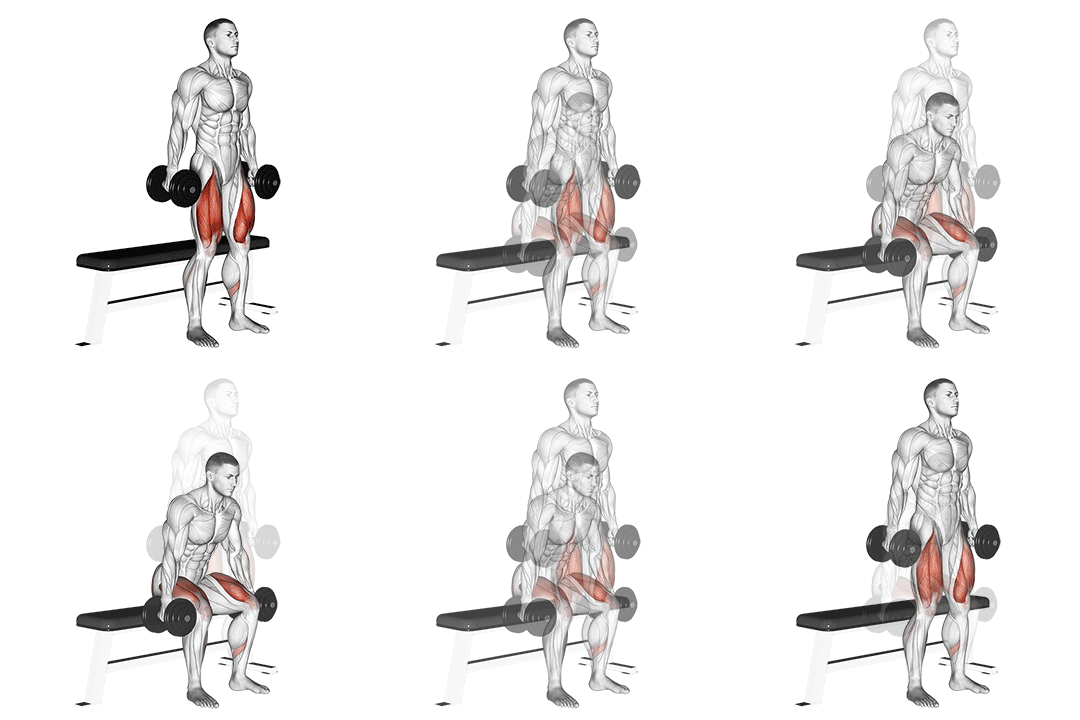
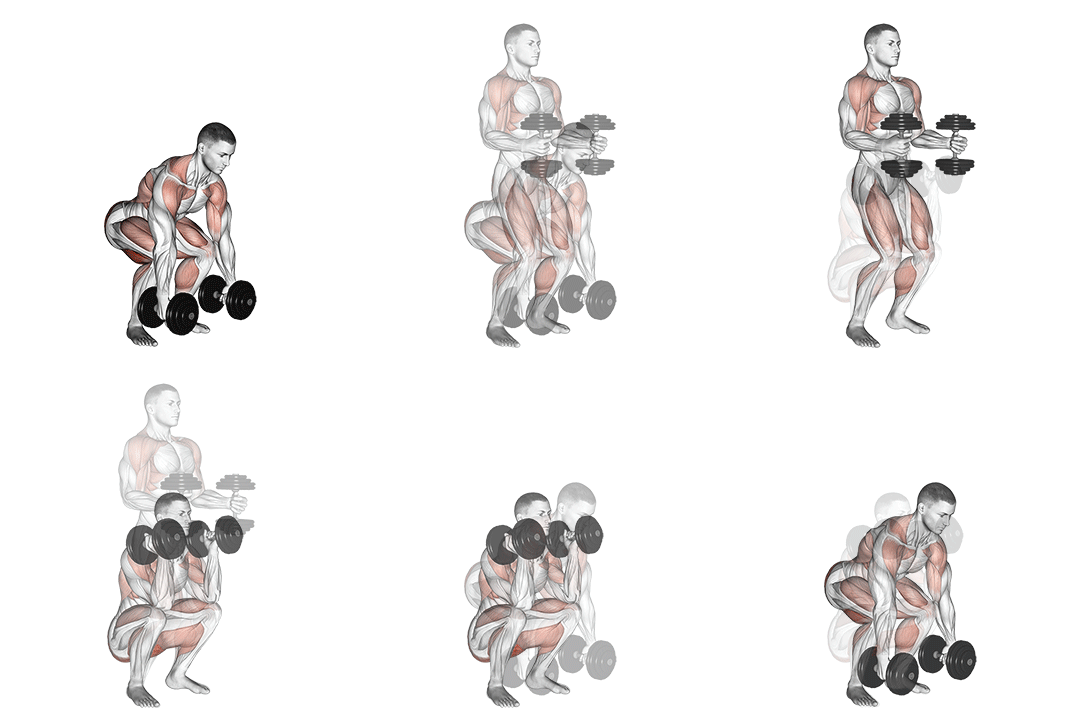
Compare More Exercises
Use our free comparison tool to analyze any two exercises head-to-head.
Compare Exercises