

Dumbbell Decline Bench Press vs Dumbbell Decline Fly: Complete Comparison Guide
Dumbbell Decline Bench Press vs Dumbbell Decline Fly — both target the lower chest, but they load that tissue very differently. You’ll learn how each exercise stresses the pectorals, which secondary muscles assist, and the movement cues that matter for safety and growth. I’ll cover biomechanics (decline angles, force vectors, length-tension), specific rep ranges for hypertrophy and strength, and practical programming tips so you can choose the one that matches your goals and equipment.
Exercise Comparison
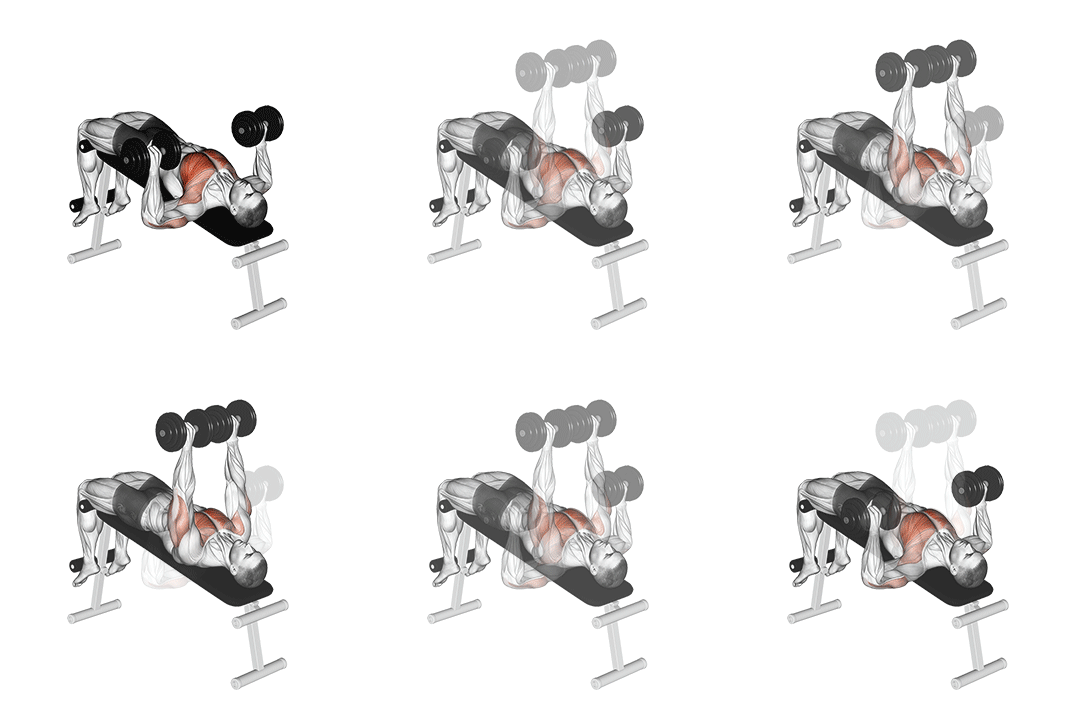
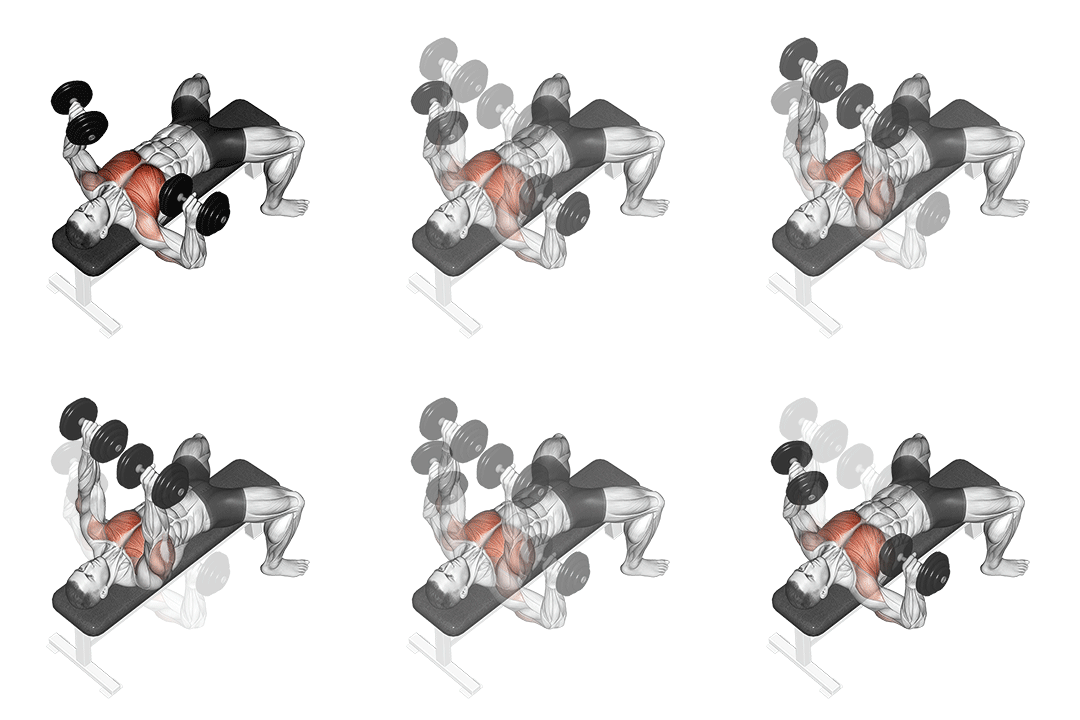
Dumbbell Decline Bench Press
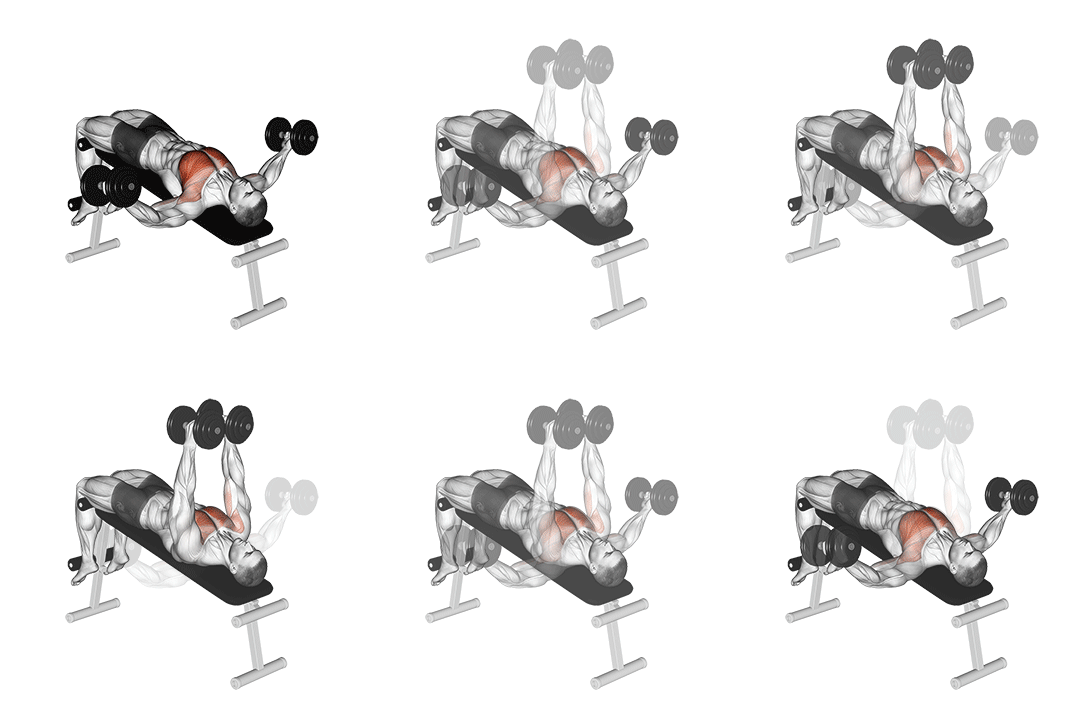
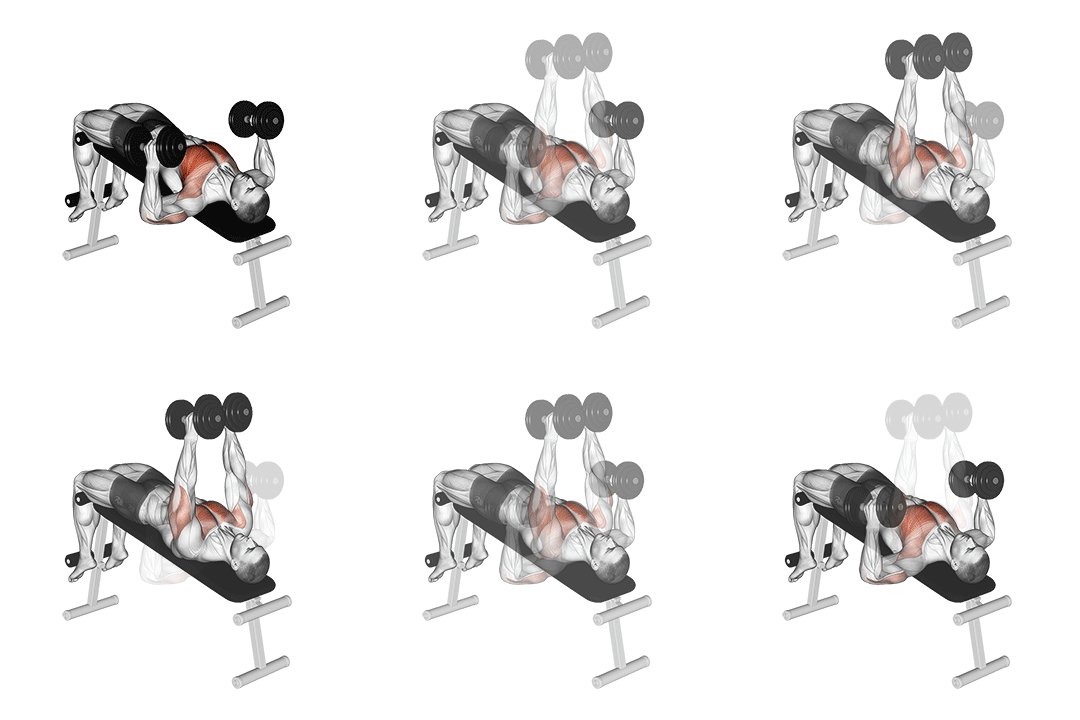
Dumbbell Decline Fly
Head-to-Head Comparison
| Attribute | Dumbbell Decline Bench Press | Dumbbell Decline Fly |
|---|---|---|
| Target Muscle |
Pectorals
|
Pectorals
|
| Body Part |
Chest
|
Chest
|
| Equipment |
Dumbbell
|
Dumbbell
|
| Difficulty |
Intermediate
|
Beginner
|
| Movement Type |
Compound
|
Isolation
|
| Secondary Muscles |
2
|
1
|
Secondary Muscles Activated
Dumbbell Decline Bench Press
Dumbbell Decline Fly
Visual Comparison
Overview
Dumbbell Decline Bench Press vs Dumbbell Decline Fly — both target the lower chest, but they load that tissue very differently. You’ll learn how each exercise stresses the pectorals, which secondary muscles assist, and the movement cues that matter for safety and growth. I’ll cover biomechanics (decline angles, force vectors, length-tension), specific rep ranges for hypertrophy and strength, and practical programming tips so you can choose the one that matches your goals and equipment.
Key Differences
- Dumbbell Decline Bench Press is a compound movement, while Dumbbell Decline Fly is an isolation exercise.
- Difficulty levels differ: Dumbbell Decline Bench Press is intermediate, while Dumbbell Decline Fly is beginner.
- Both exercises target the Pectorals using Dumbbell. The main differences are in their movement patterns and muscle activation angles.
Pros & Cons
Dumbbell Decline Bench Press
+ Pros
- Builds overall chest strength with heavier external loads
- Engages triceps and anterior deltoid for compound development
- Easier to progressive overload with clear weight increments
- Better transfer to pushing strength and compound lifts
− Cons
- Requires safe unracking and more intermediate technique
- Greater spinal and scapular bracing demands
- May under-emphasize pure pec stretch compared to flies
Dumbbell Decline Fly
+ Pros
- Isolates the pectorals and emphasizes stretch-mediated tension
- Gentler learning curve for beginners focusing on chest feeling
- Lower absolute loads reduce spinal loading
- Useful as a finisher or for peak contraction work
− Cons
- Limited ability to progressive overload with heavy weight
- Higher shoulder strain risk if ROM is excessive
- Less triceps and overall pressing strength development
When Each Exercise Wins
The press lets you apply higher mechanical tension and heavier loads (6–12 reps) across the chest while still recruiting accessory muscles, enabling progressive overload. Use presses for base mass building and add flies for stretch-focused sets.
Strength requires high external load and low rep work (3–6 reps); the press provides safe loading mechanics and carries over to other compound pushing movements, making it the clear choice for raw pressing strength.
Beginners often learn to feel the pec with controlled flies using light weights and simpler motion. Flies build mind-muscle connection and shoulder control before introducing heavy compound pressing technique.
Flies require lighter dumbbells and less need for a spotter or heavy racks, so they’re easier to perform safely at home when you lack heavy weights or assistance.
Frequently Asked Questions
Can I do both Dumbbell Decline Bench Press and Dumbbell Decline Fly in the same workout?
Yes. Do the Dumbbell Decline Bench Press first for heavy compound loading (3–12 reps), then follow with Dumbbell Decline Fly as a finisher for 8–15 reps to increase time under tension and emphasize the pec stretch.
Which exercise is better for beginners?
Dumbbell Decline Fly is generally better for beginners because it uses lighter loads and helps develop chest awareness and scapular control. Introduce presses after you can control ROM and safely rack/unrack dumbbells.
How do the muscle activation patterns differ?
The press produces peak activation during concentric pushing as force vectors create larger shoulder and elbow moments, recruiting triceps. The fly maintains tension through the stretch at the bottom due to horizontal adduction and length-tension effects, emphasizing pec fibers over elbow extensors.
Can Dumbbell Decline Fly replace Dumbbell Decline Bench Press?
Not if your primary goal is strength or maximal progressive overload. Flies can replace presses for hypertrophy maintenance when heavy loading isn’t possible, but presses remain superior for building pressing strength and overall chest mass.
Expert Verdict
Use Dumbbell Decline Bench Press as your primary lower-chest builder if your goal is mass and strength: it allows progressive overload (3–12 reps) and improves pressing power through greater mechanical tension and triceps involvement. Add Dumbbell Decline Fly as a complementary isolation movement to emphasize stretch-mediated hypertrophy and peak contraction, especially during higher-rep finishing sets (8–15 reps). If you’re a beginner or training at home with lighter weights, prioritize controlled flies to develop scapular stability and pec activation before increasing load with presses. Program them together: press early in the workout, fly later for targeted volume.
Also Compare
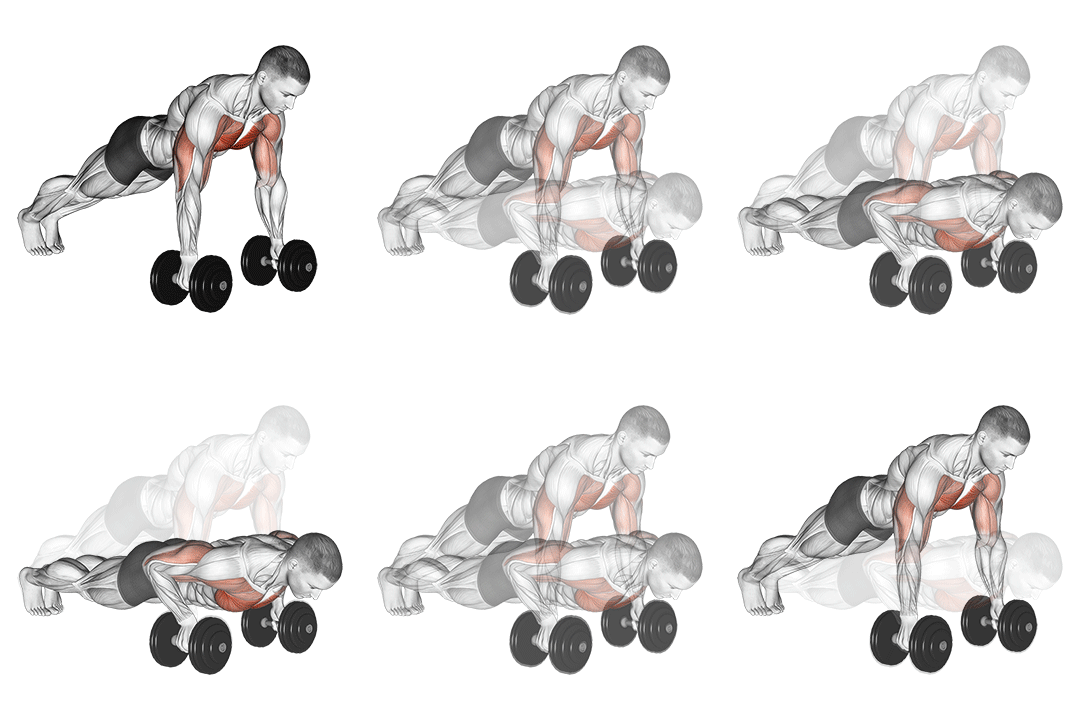
More comparisons with Dumbbell Decline Bench Press
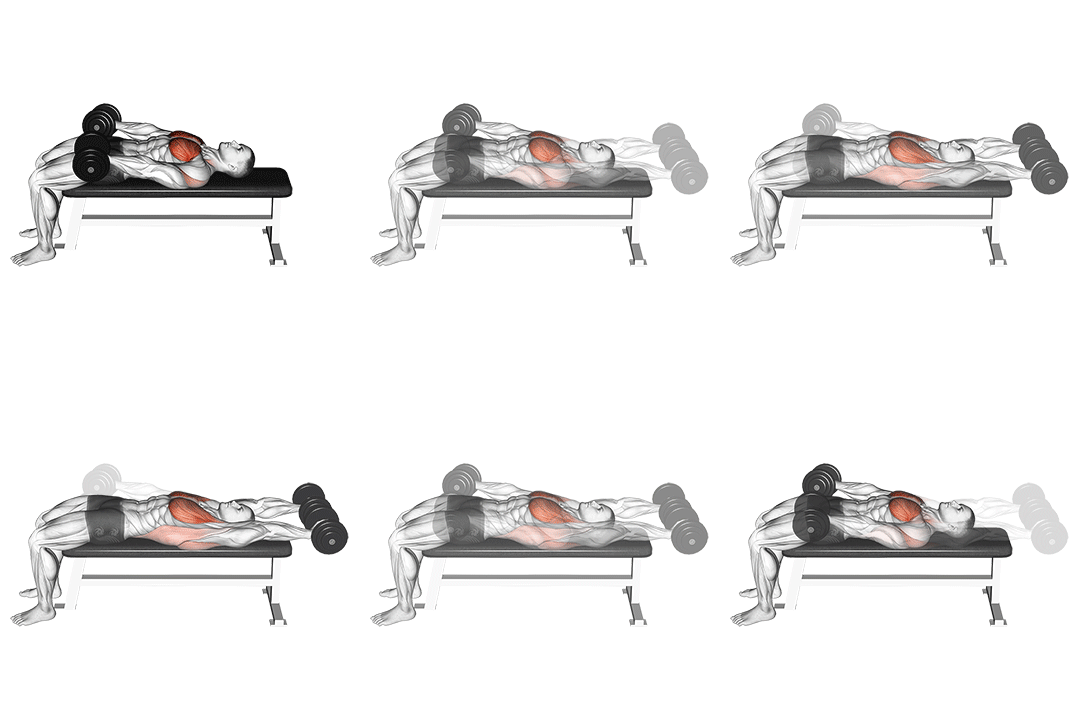
More comparisons with Dumbbell Decline Fly
Compare More Exercises
Use our free comparison tool to analyze any two exercises head-to-head.
Compare Exercises