

Dumbbell Decline Triceps Extension vs Dumbbell Incline Triceps Extension: Complete Comparison Guide
Dumbbell Decline Triceps Extension vs Dumbbell Incline Triceps Extension — you’re deciding which isolation move to add to your upper-arm work. I’ll break down how each targets the triceps, which secondary muscles kick in, the equipment and angles you need (decline ≈ -15° to -30°, incline ≈ 30°–45°), plus rep ranges, technique cues, and clear recommendations. Also see {Exercise1} vs {Exercise2} for SEO matching. Read on and you’ll know which exercise to prioritize for hypertrophy, strength, or convenience.
Exercise Comparison
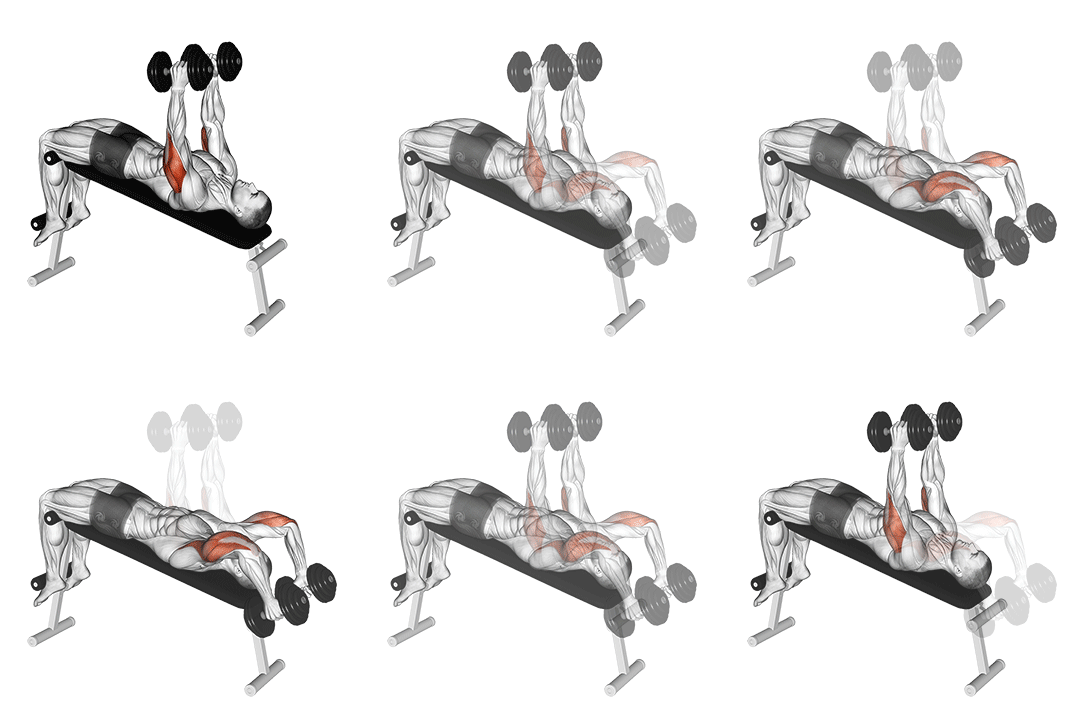
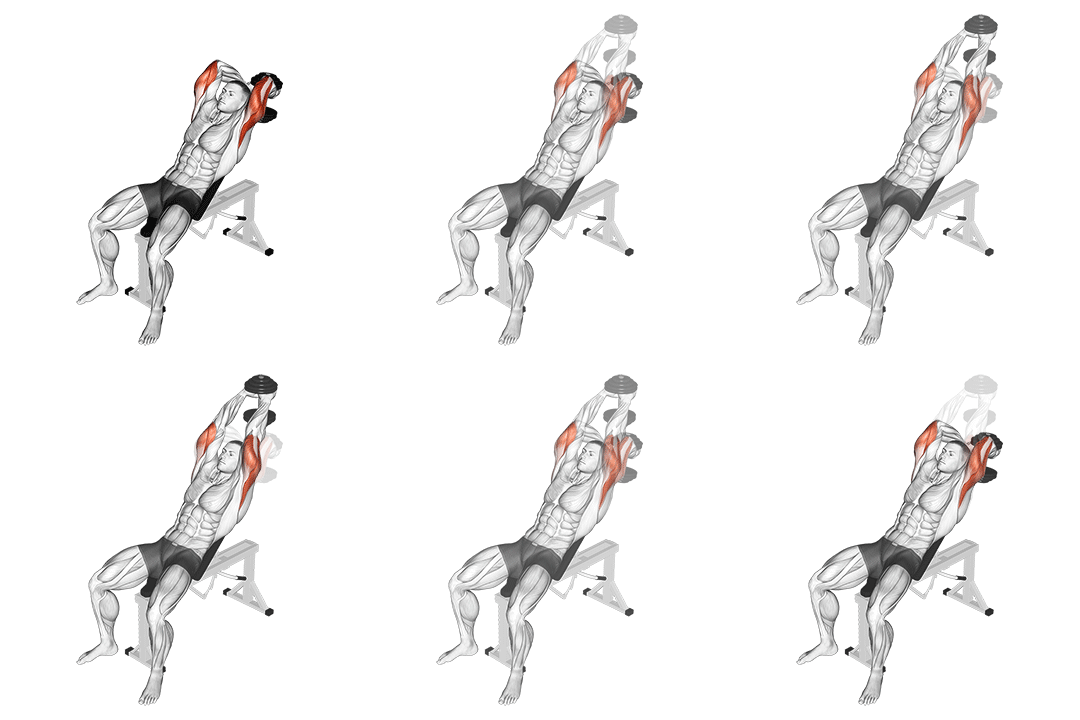
Dumbbell Decline Triceps Extension
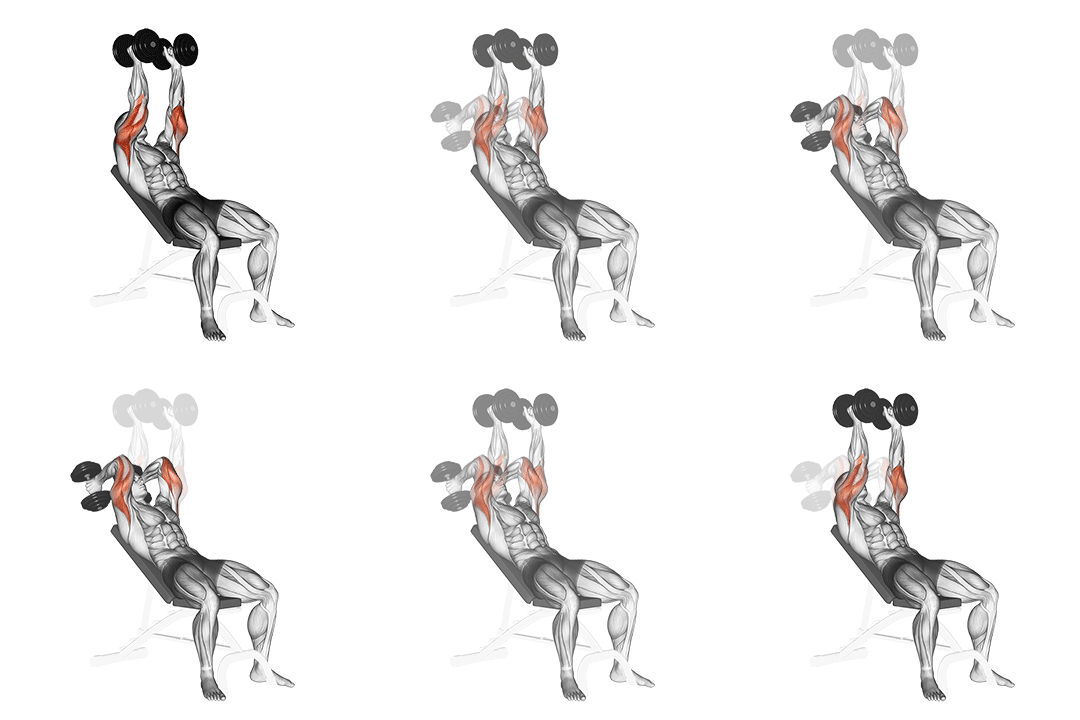
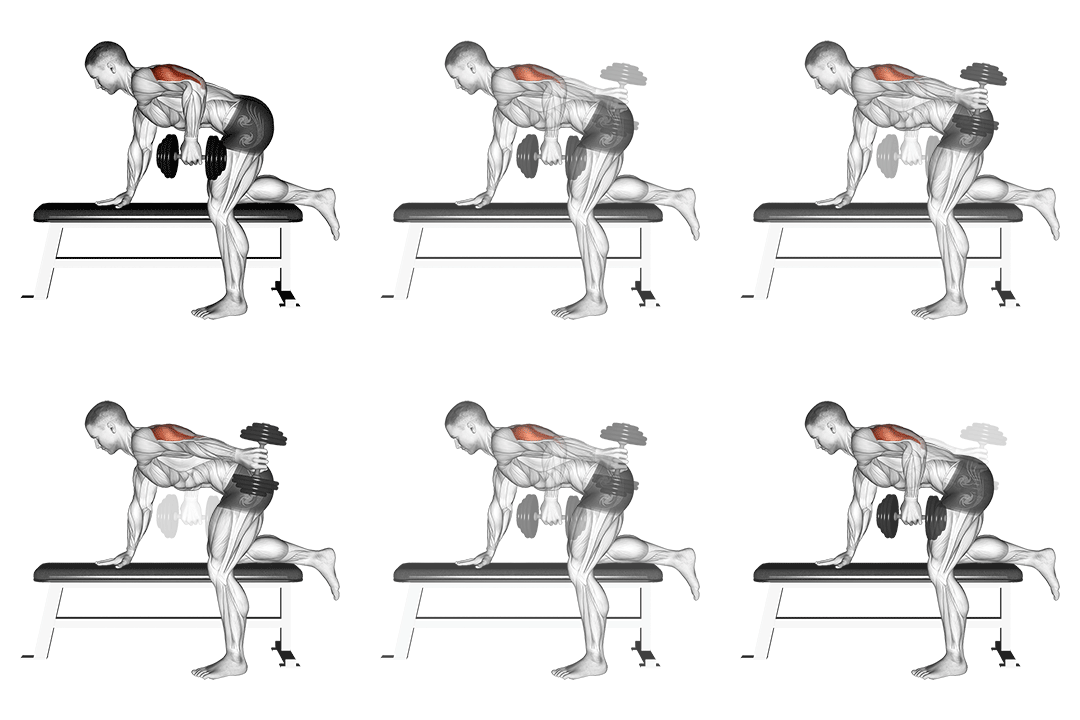
Dumbbell Incline Triceps Extension
Head-to-Head Comparison
| Attribute | Dumbbell Decline Triceps Extension | Dumbbell Incline Triceps Extension |
|---|---|---|
| Target Muscle |
Triceps
|
Triceps
|
| Body Part |
Upper-arms
|
Upper-arms
|
| Equipment |
Dumbbell
|
Dumbbell
|
| Difficulty |
Intermediate
|
Intermediate
|
| Movement Type |
Isolation
|
Isolation
|
| Secondary Muscles |
1
|
1
|
Secondary Muscles Activated
Dumbbell Decline Triceps Extension
Dumbbell Incline Triceps Extension
Visual Comparison
Overview
Dumbbell Decline Triceps Extension vs Dumbbell Incline Triceps Extension — you’re deciding which isolation move to add to your upper-arm work. I’ll break down how each targets the triceps, which secondary muscles kick in, the equipment and angles you need (decline ≈ -15° to -30°, incline ≈ 30°–45°), plus rep ranges, technique cues, and clear recommendations. Also see {Exercise1} vs {Exercise2} for SEO matching. Read on and you’ll know which exercise to prioritize for hypertrophy, strength, or convenience.
Key Differences
- Both exercises target the Triceps using Dumbbell. The main differences are in their movement patterns and muscle activation angles.
Pros & Cons
Dumbbell Decline Triceps Extension
+ Pros
- Great for heavy lockout work due to shortened long head and emphasis on lateral/medial heads
- Often easier to load slightly heavier because of a favorable elbow moment arm at the start
- Provides a different force-vector stimulus to break plateaus
- Targets upper-arm isolation with minimal trunk involvement when set up correctly
− Cons
- Requires a decline bench or adjustable bench that goes negative
- Can feel awkward to set up and control—higher technical demand on elbow path
- May reduce long-head stretch, limiting long-head hypertrophy stimulus
Dumbbell Incline Triceps Extension
+ Pros
- Long-head emphasis from increased shoulder flexion enhances upper-arm muscle stretch
- Easier setup and more commonly supported by standard adjustable benches
- Lower technical setup demands—good for precise isolation work
- Versatile for unilateral variations and tempo manipulations
− Cons
- May limit absolute loads compared to decline position for some lifters
- Can increase anterior shoulder involvement if bench angle is too steep
- Requires good thoracic support to avoid compensatory spinal extension
When Each Exercise Wins
Incline lengthens the triceps long head via greater shoulder flexion, increasing stretch-mediated tension and time under tension in the 6–12 rep range—ideal for targeted hypertrophy of the upper arm.
Decline shifts the force vector so the lateral and medial heads take more load and the elbow moment arm can allow slightly heavier loading, making it better for developing lockout strength in the 3–6 rep range.
Incline is easier to learn, requires less awkward setup, and provides stable thoracic support; beginners can practice controlled elbow extension without managing a negative bench angle.
Most home adjustable benches offer a 30°–45° incline, while true decline setups are rare; incline gives the same isolation benefits with simpler equipment and safer setup.
Frequently Asked Questions
Can I do both Dumbbell Decline Triceps Extension and Dumbbell Incline Triceps Extension in the same workout?
Yes — you can pair them, but sequence matters. Use the exercise that matches your primary goal first (incline for hypertrophy, decline for lockout strength), then follow with the other for 8–12 reps as a secondary stimulus.
Which exercise is better for beginners?
Dumbbell Incline Triceps Extension is better for beginners because it's easier to set up, provides stable thoracic support, and reduces awkward positioning. Start with light loads and focus on a strict elbow hinge and full controlled ROM.
How do the muscle activation patterns differ?
Activation differs mainly in long-head contribution: incline increases shoulder flexion and lengthens the long head, enhancing its activation through the range; decline shortens the long head and shifts relative tension toward the lateral and medial heads, changing peak force characteristics near lockout.
Can Dumbbell Incline Triceps Extension replace Dumbbell Decline Triceps Extension?
Yes for most trainees — incline covers long-head hypertrophy and is more accessible. However, keep decline in your program occasionally if you want a different force vector to prioritize lockout strength or emphasize the lateral/medial heads.
Expert Verdict
Use Dumbbell Incline Triceps Extension when your goal is targeted long-head hypertrophy, easier setup, and safer day-to-day training—aim for 6–12 reps with a 2–3 second eccentric and a 0–1 second concentric pause to maximize stretch. Choose Dumbbell Decline Triceps Extension when you want a slightly different force vector for stronger lockouts and to overload the lateral and medial heads in lower-rep work (3–6 reps). Both are valuable; rotate them across training blocks (4–8 weeks) to manipulate muscle length-tension and avoid adaptation while monitoring shoulder position and controlled elbow path.
Also Compare
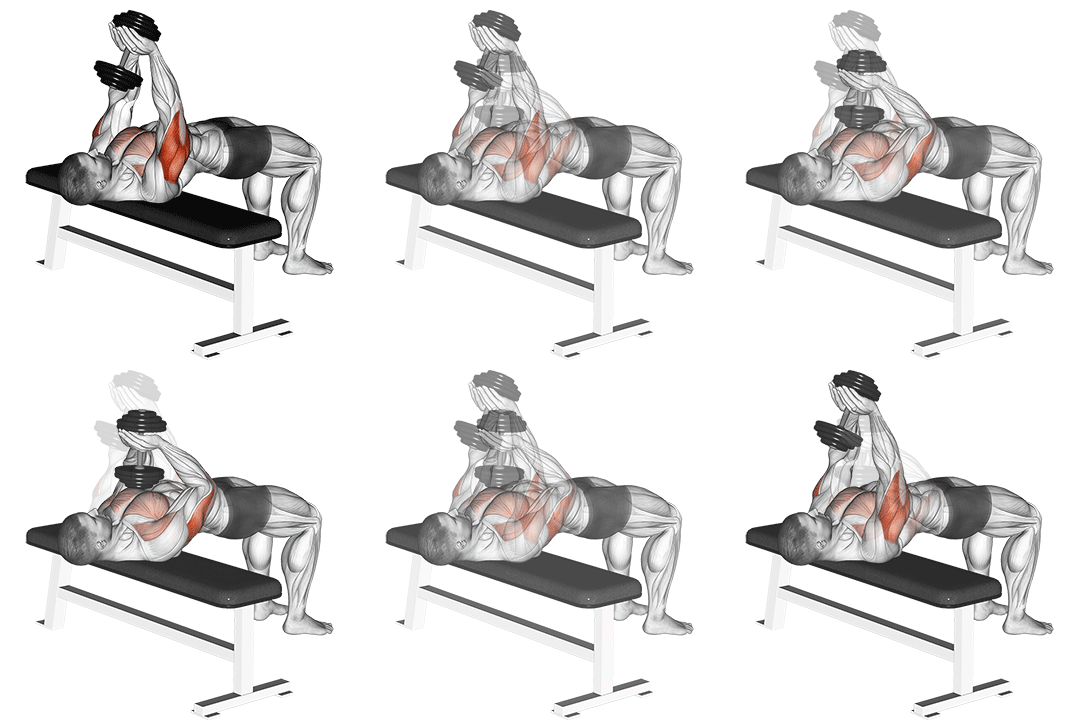
More comparisons with Dumbbell Decline Triceps Extension
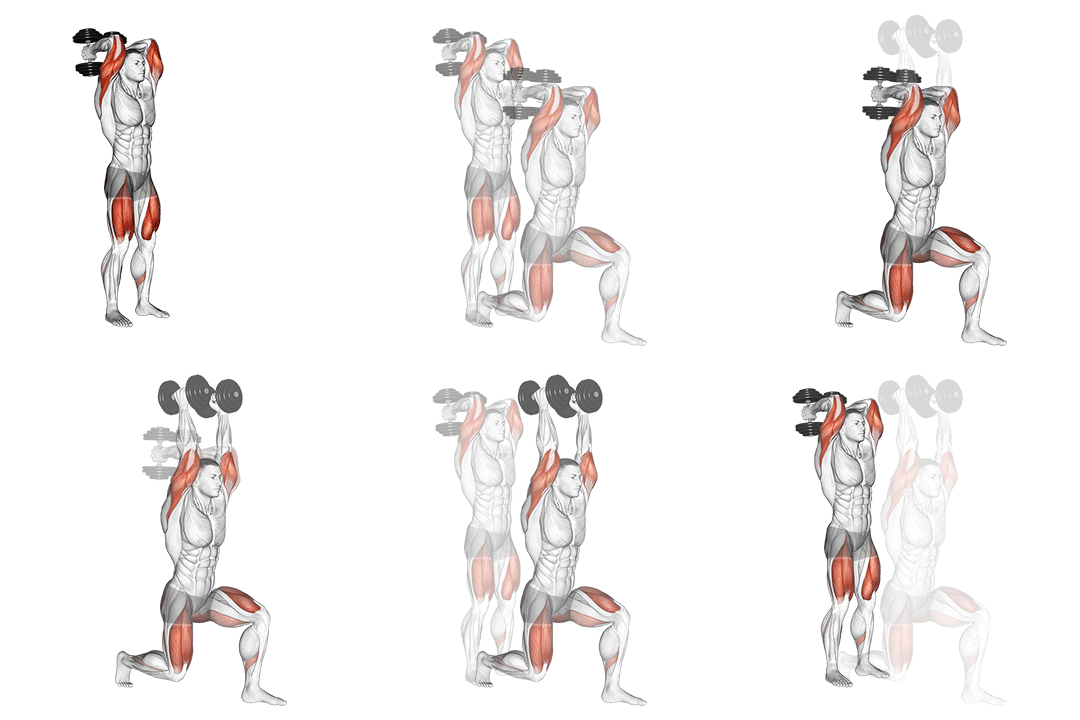
More comparisons with Dumbbell Incline Triceps Extension
Compare More Exercises
Use our free comparison tool to analyze any two exercises head-to-head.
Compare Exercises