

Dumbbell Decline Triceps Extension vs Dumbbell Incline Two Arm Extension: Complete Comparison Guide
Dumbbell Decline Triceps Extension vs Dumbbell Incline Two Arm Extension — both isolate the triceps but they load the muscle differently. You’ll get a clear, practical breakdown of how each variation changes long‑head vs lateral/medial head emphasis, the bench angles to use (decline ~15–30°, incline ~30–45°), technique cues to maximize elbow-only movement, and which variation suits hypertrophy, strength, or home training. Read on for specific rep ranges, progression tips, and simple troubleshooting so you can pick the right triceps finisher for your program.
Exercise Comparison
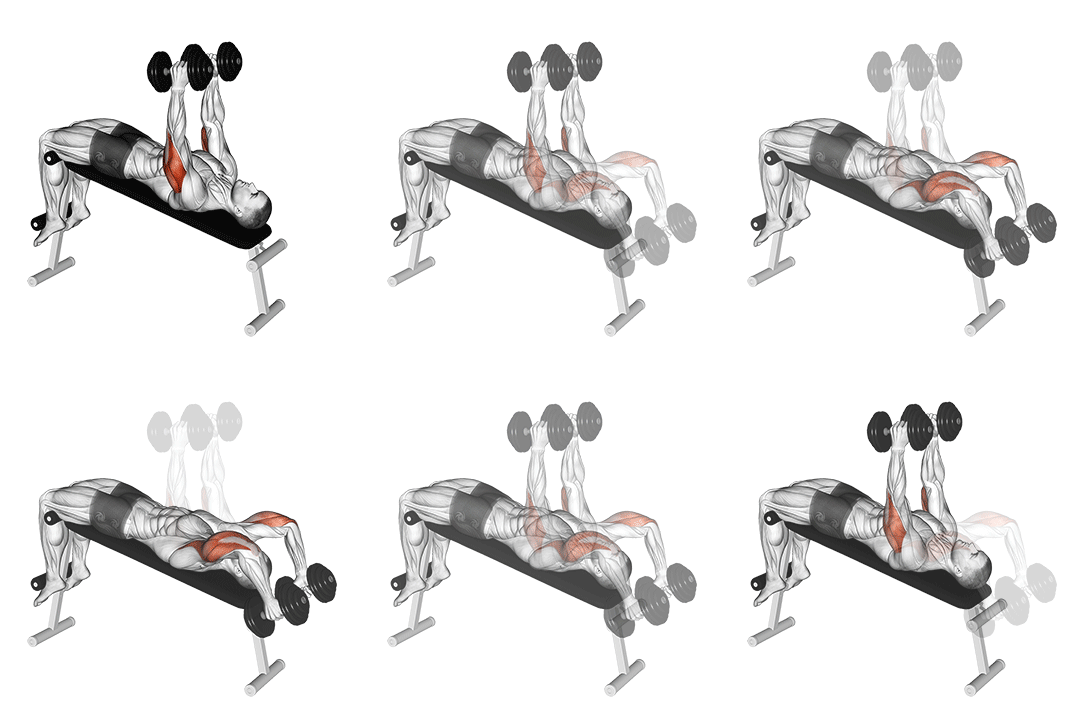
Dumbbell Decline Triceps Extension
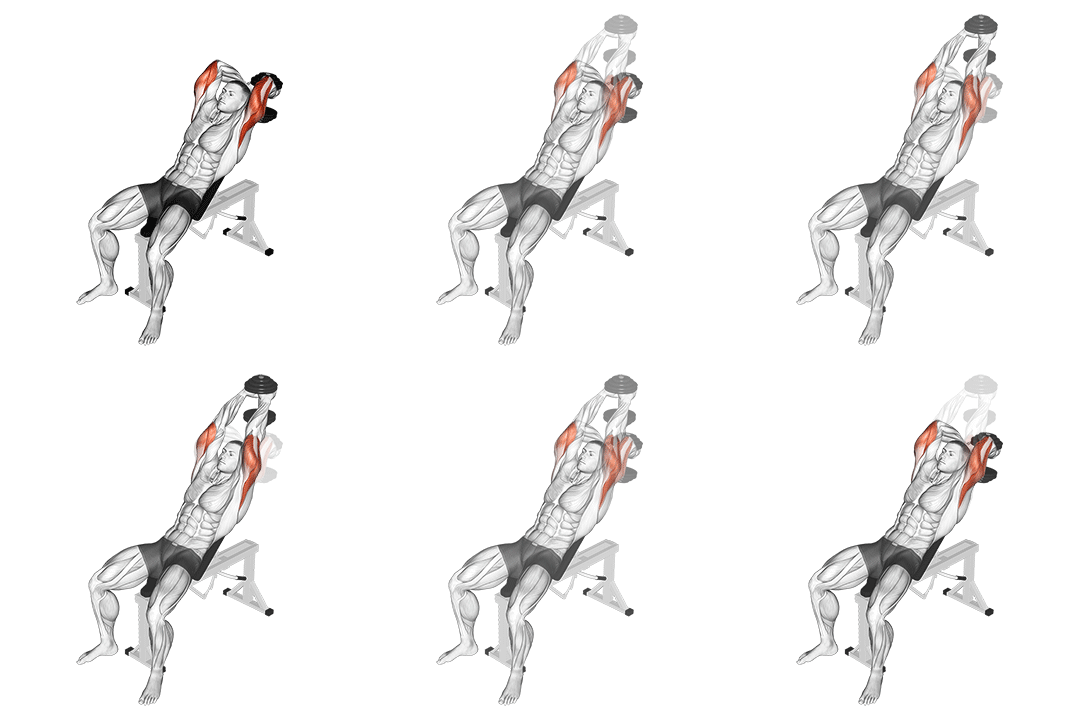
Dumbbell Incline Two Arm Extension
Head-to-Head Comparison
| Attribute | Dumbbell Decline Triceps Extension | Dumbbell Incline Two Arm Extension |
|---|---|---|
| Target Muscle |
Triceps
|
Triceps
|
| Body Part |
Upper-arms
|
Upper-arms
|
| Equipment |
Dumbbell
|
Dumbbell
|
| Difficulty |
Intermediate
|
Intermediate
|
| Movement Type |
Isolation
|
Isolation
|
| Secondary Muscles |
1
|
1
|
Secondary Muscles Activated
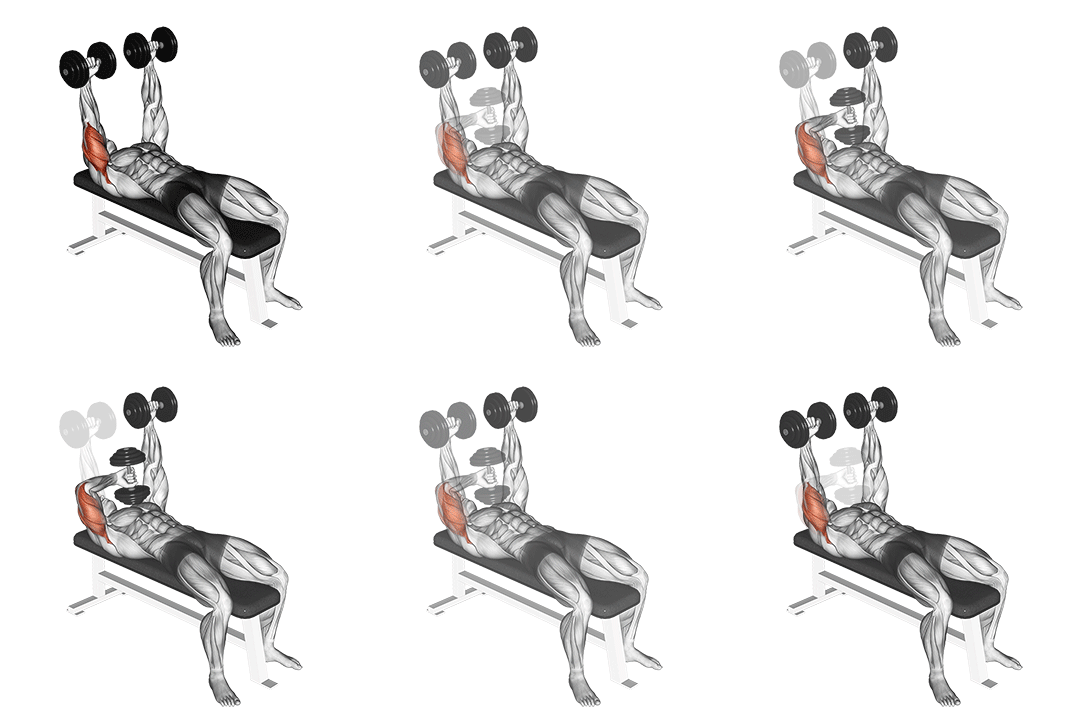
Dumbbell Decline Triceps Extension
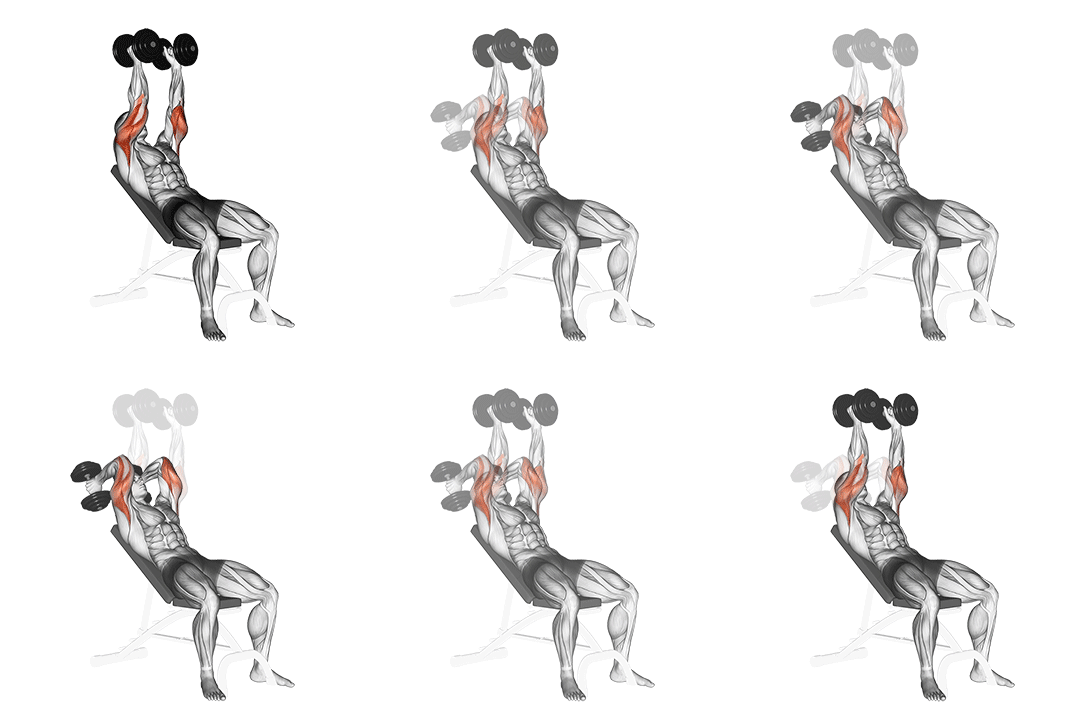
Dumbbell Incline Two Arm Extension
Visual Comparison
Overview
Dumbbell Decline Triceps Extension vs Dumbbell Incline Two Arm Extension — both isolate the triceps but they load the muscle differently. You’ll get a clear, practical breakdown of how each variation changes long‑head vs lateral/medial head emphasis, the bench angles to use (decline ~15–30°, incline ~30–45°), technique cues to maximize elbow-only movement, and which variation suits hypertrophy, strength, or home training. Read on for specific rep ranges, progression tips, and simple troubleshooting so you can pick the right triceps finisher for your program.
Key Differences
- Both exercises target the Triceps using Dumbbell. The main differences are in their movement patterns and muscle activation angles.
Pros & Cons
Dumbbell Decline Triceps Extension
+ Pros
- Allows slightly heavier loading due to stable downward torso
- Biases lateral and medial triceps heads for thicker upper‑arm carry
- Good for finishing sets when you want a stronger lockout emphasis
- Lower shoulder flexion demand compared with high‑angle overhead variations
− Cons
- Requires a decline bench and secure foot setup
- Shortens the long head, reducing long‑head stretch stimulus
- Can feel awkward and place strain on lower back or neck if not braced
Dumbbell Incline Two Arm Extension
+ Pros
- Places the long head on greater stretch for better long‑head stimulus
- Easier to set up and more accessible in most gyms and homes
- Offers angle variation (30–45°) to tune emphasis on the long head
- More beginner‑friendly stabilization and body position
− Cons
- Increased shoulder stress at end range for people with mobility issues
- May not allow maximal absolute loading compared with decline setups
- If you let the shoulders move, you lose isolation and shift load away from triceps
When Each Exercise Wins
The incline position increases long‑head stretch and eccentric time under tension, which helps fiber recruitment across the triceps. Use 8–12 reps, 3–4 sets, and a controlled 2–3 second descent to maximize hypertrophy.
Decline setups often let you handle slightly heavier loads and emphasize the lockout, which transfers to stronger elbow extension under load. Use 5–8 reps, heavier weight, and focus on full, controlled lockouts.
The incline position stabilizes the torso and reduces awkward bracing, making it easier to learn strict elbow extension and proper tempo. Start with light weight and 10–15 reps to build tendon tolerance.
Adjustable benches commonly include an incline setting, and the movement requires only one dumbbell. If you lack a decline bench, the incline gives similar triceps stimulus with easier setup.
Frequently Asked Questions
Can I do both Dumbbell Decline Triceps Extension and Dumbbell Incline Two Arm Extension in the same workout?
Yes — you can pair them as a primary/secondary super‑set: use the heavier decline variation first for 4–6 reps then follow with incline for 8–12 reps to increase time under tension. Keep total volume sensible to avoid tendon overload.
Which exercise is better for beginners?
Dumbbell Incline Two Arm Extension is better for beginners because it stabilizes your torso and simplifies the movement path. Start light, emphasize a 2–3 second descent, and keep elbows stationary to build motor control.
How do the muscle activation patterns differ?
Biomechanically, the incline variation places the long head on a greater stretch at the bottom, increasing eccentric tension and long‑head recruitment; the decline shortens the long head and shifts force toward the lateral/medial heads. Keep elbow angle consistent to isolate triceps activation.
Can Dumbbell Incline Two Arm Extension replace Dumbbell Decline Triceps Extension?
Yes for most trainees — incline covers the long‑head emphasis and is more accessible, making it a practical replacement. If you specifically need heavier lockout work or want to bias lateral head development, add decline work back into your program.
Expert Verdict
Use the Dumbbell Incline Two Arm Extension when your goal is targeted long‑head development, higher time under tension, or when you need a stable, accessible movement for higher reps (8–15). Choose the Dumbbell Decline Triceps Extension when you want to overload the triceps for heavier lockout work or bias the lateral/medial heads; set the decline ~15–30° and use heavier sets of 5–8 reps or heavier 8–10 rep finishers. Always prioritize strict elbow movement, a controlled eccentric (2–3 seconds), and avoid shoulder hitching. Rotate both variations across blocks to cover length‑tension and absolute load adaptations.
Also Compare
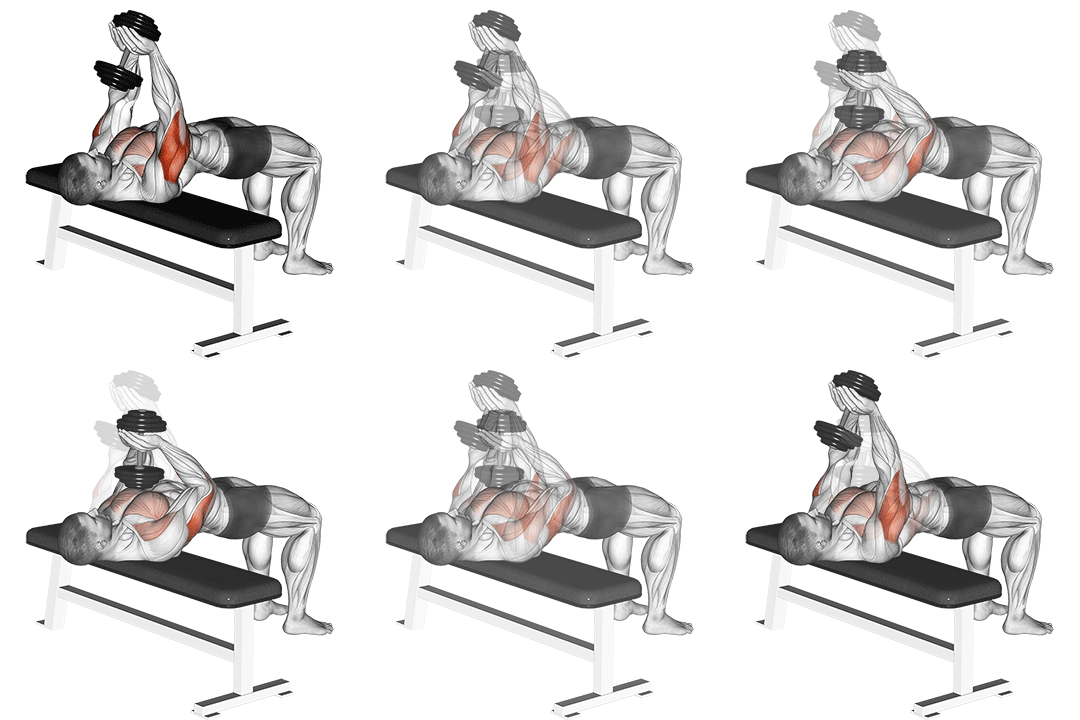
More comparisons with Dumbbell Decline Triceps Extension
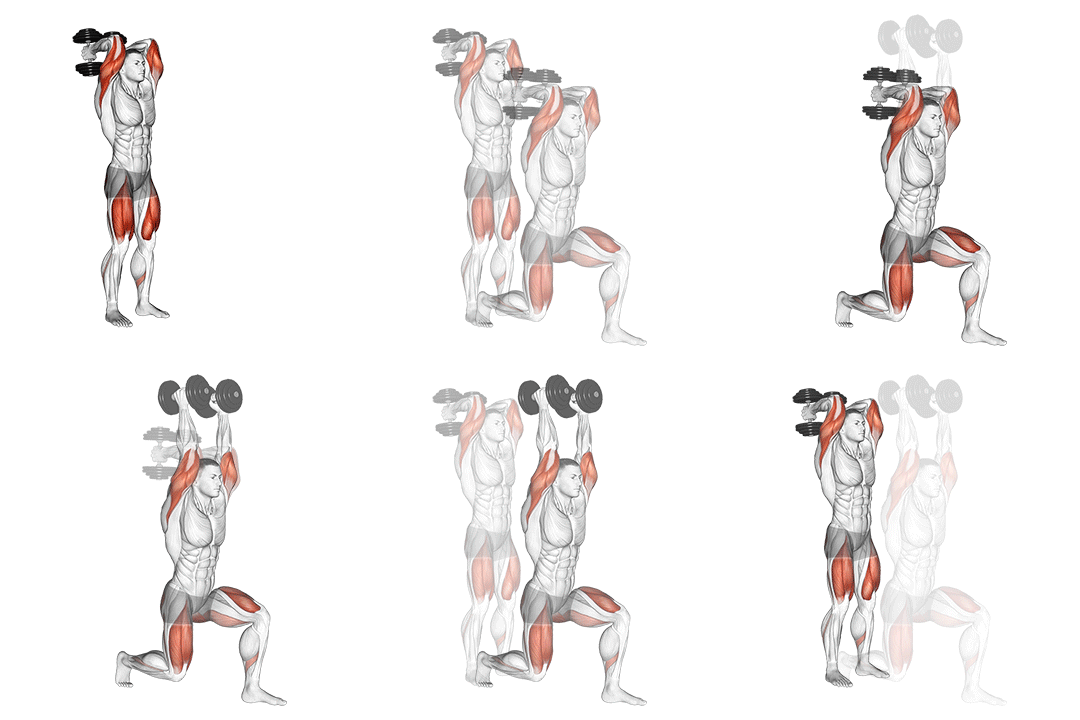
More comparisons with Dumbbell Incline Two Arm Extension
Compare More Exercises
Use our free comparison tool to analyze any two exercises head-to-head.
Compare Exercises