

Dumbbell Floor Press vs Dumbbell Incline Triceps Extension: Complete Comparison Guide
Dumbbell Floor Press vs Dumbbell Incline Triceps Extension—two solid triceps moves that produce different mechanical demands. You’ll get a direct comparison of primary muscle emphasis, secondary recruitment (chest and shoulder contribution), required equipment, learning curve, and injury risk. I’ll show you technique cues, recommended rep ranges (strength vs hypertrophy), and clear scenarios where one exercise beats the other so you can pick the right tool for your training plan.
Exercise Comparison
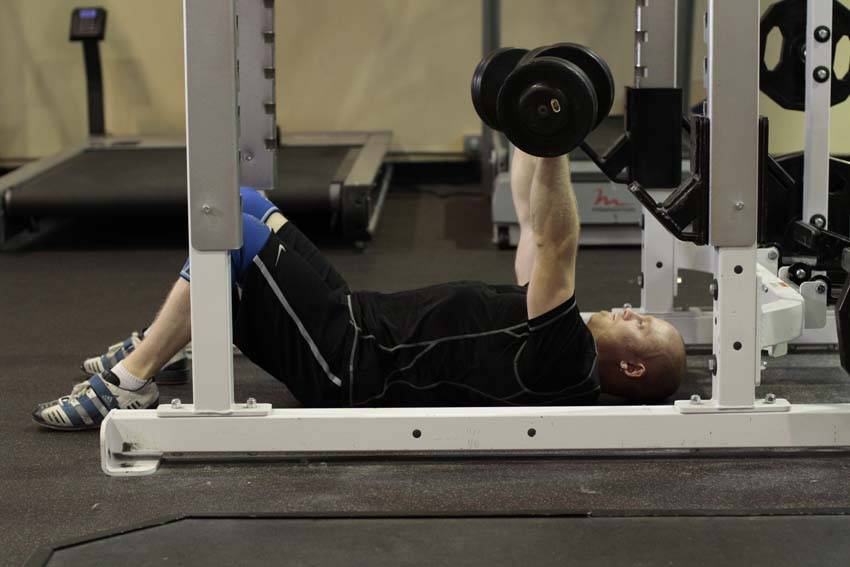
Dumbbell Floor Press
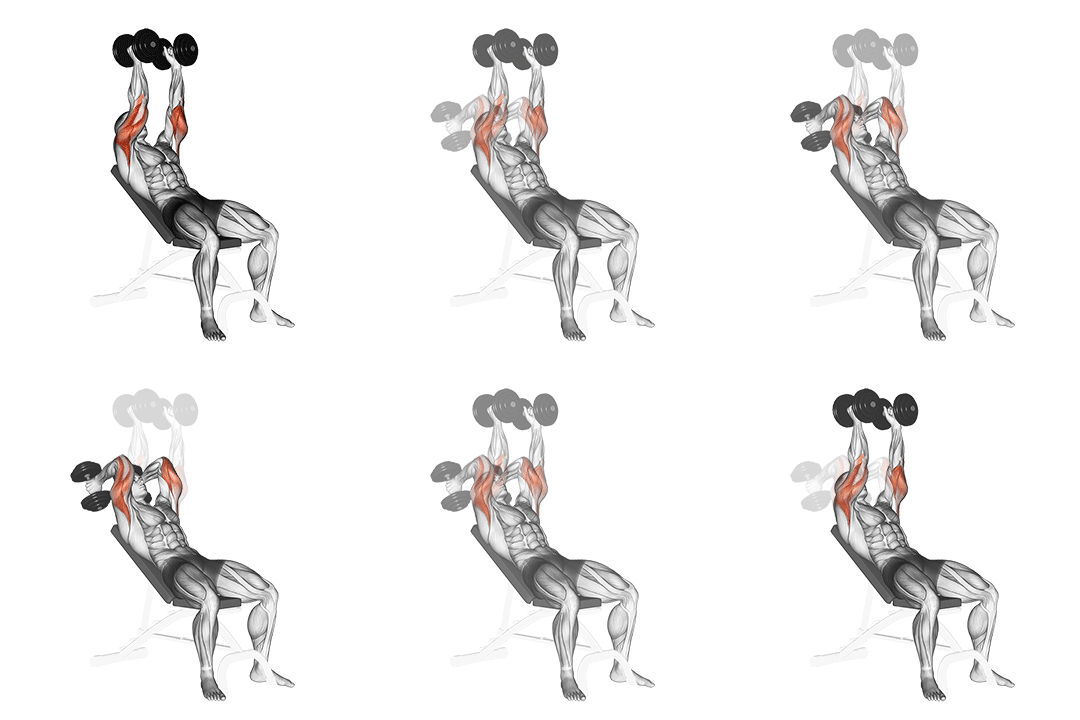
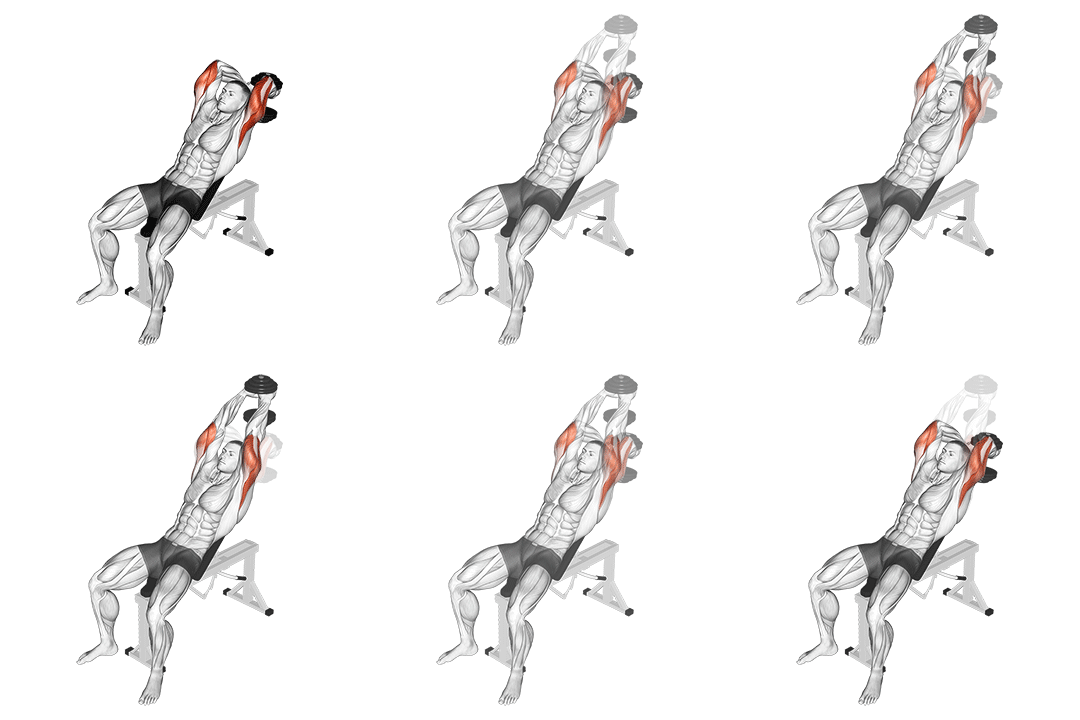
Dumbbell Incline Triceps Extension
Head-to-Head Comparison
| Attribute | Dumbbell Floor Press | Dumbbell Incline Triceps Extension |
|---|---|---|
| Target Muscle |
Triceps
|
Triceps
|
| Body Part |
Upper-arms
|
Upper-arms
|
| Equipment |
Dumbbell
|
Dumbbell
|
| Difficulty |
Intermediate
|
Intermediate
|
| Movement Type |
Compound
|
Isolation
|
| Secondary Muscles |
2
|
1
|
Secondary Muscles Activated
Dumbbell Floor Press
Dumbbell Incline Triceps Extension
Visual Comparison
Overview
Dumbbell Floor Press vs Dumbbell Incline Triceps Extension—two solid triceps moves that produce different mechanical demands. You’ll get a direct comparison of primary muscle emphasis, secondary recruitment (chest and shoulder contribution), required equipment, learning curve, and injury risk. I’ll show you technique cues, recommended rep ranges (strength vs hypertrophy), and clear scenarios where one exercise beats the other so you can pick the right tool for your training plan.
Key Differences
- Dumbbell Floor Press is a compound movement, while Dumbbell Incline Triceps Extension is an isolation exercise.
- Both exercises target the Triceps using Dumbbell. The main differences are in their movement patterns and muscle activation angles.
Pros & Cons
Dumbbell Floor Press
+ Pros
- Compound movement that allows heavier loads for greater overall overload
- Minimal equipment—only dumbbells and floor space required
- Reduced shoulder shear because the floor limits end-range extension
- Recruits chest and anterior deltoid for added training stimulus
− Cons
- Shorter elbow range of motion limits long-head stretch
- Less peak contraction on the triceps compared to isolation moves
- Requires good scapular control and core stiffness to stabilize the load
Dumbbell Incline Triceps Extension
+ Pros
- Isolates triceps, especially the long head, via shoulder flexion
- Greater time under tension and peak contraction for hypertrophy
- Easy to manipulate tempo and angle (30–45°) to target the long head
- Lower chest involvement lets you focus strictly on elbow extension
− Cons
- Requires an adjustable bench and slightly more setup
- Higher shoulder and elbow stress if overloaded or performed with poor control
- Absolute load capacity is lower than compound presses, limiting maximal strength carryover
When Each Exercise Wins
Incline Triceps Extension stretches the long head via ~30–45° shoulder flexion and emphasizes peak contraction and time under tension—ideal for 8–12 rep ranges and 3–4 sets focused on hypertrophy.
Floor Press is a compound press that lets you handle heavier loads and overload the triceps in mid-range. Use 3–6 reps and progressive loading to build raw pressing strength and transfer to heavier compound lifts.
The floor provides a natural depth stop and reduces shoulder mobility demands, making setup and motor control simpler. It teaches pressing mechanics while allowing safe load increases.
Needing only dumbbells and floor space, the Floor Press is far easier to implement at home compared with an incline bench-dependent triceps extension.
Frequently Asked Questions
Can I do both Dumbbell Floor Press and Dumbbell Incline Triceps Extension in the same workout?
Yes. Pairing them is effective: start with the Floor Press as your heavy compound movement (3–6 or 6–8 reps), then finish with Incline Triceps Extensions for 8–12 reps to fatigue the long head and increase time under tension.
Which exercise is better for beginners?
Dumbbell Floor Press is generally better for beginners because the floor limits range of motion and reduces shoulder mobility demands, making it easier to learn pressing mechanics and safely increase load.
How do the muscle activation patterns differ?
Floor Press activation peaks in the mid-range with notable chest and anterior deltoid recruitment due to a horizontal force vector, while Incline Triceps Extension biases the triceps long head by lengthening the muscle via shoulder flexion, increasing peak contraction near end-range elbow extension.
Can Dumbbell Incline Triceps Extension replace Dumbbell Floor Press?
Not completely. If your goal is triceps isolation and long-head hypertrophy, yes. But for overall pressing strength and heavier loading with chest involvement, the Floor Press is irreplaceable. Use the incline extension as a complement, not a full substitute.
Expert Verdict
Use the Dumbbell Floor Press when you want to build pressing strength, handle heavier loads, or train in minimal-equipment settings. Its truncated ROM reduces shoulder stress and recruits chest and front delts for more total-system load—aim 3–6 reps for strength or 6–12 for mixed hypertrophy. Use the Dumbbell Incline Triceps Extension when your goal is targeted triceps hypertrophy, especially long-head development; set the bench to 30–45°, work in 8–12 reps with slow eccentrics, and emphasize full-range control. For balanced programming, pair a compound press (floor press) with an isolation extension to get both heavy mid-range overload and long-head stretch.
Also Compare
More comparisons with Dumbbell Floor Press
More comparisons with Dumbbell Incline Triceps Extension
Compare More Exercises
Use our free comparison tool to analyze any two exercises head-to-head.
Compare Exercises