

Dumbbell Decline Triceps Extension vs Dumbbell Floor Press: Complete Comparison Guide
Dumbbell Decline Triceps Extension vs Dumbbell Floor Press — both hammer the triceps, but they do it with different mechanics. You’ll get a clear read on which exercise isolates the triceps, which one recruits the chest and shoulders, how range of motion and joint angles change muscle length-tension, and which suits hypertrophy, strength, or home training. I’ll walk you through technique cues, injury risk, equipment needs, and practical programming tips (rep ranges, angles, and progressions) so you can pick the move that fits your goals and current setup.
Exercise Comparison
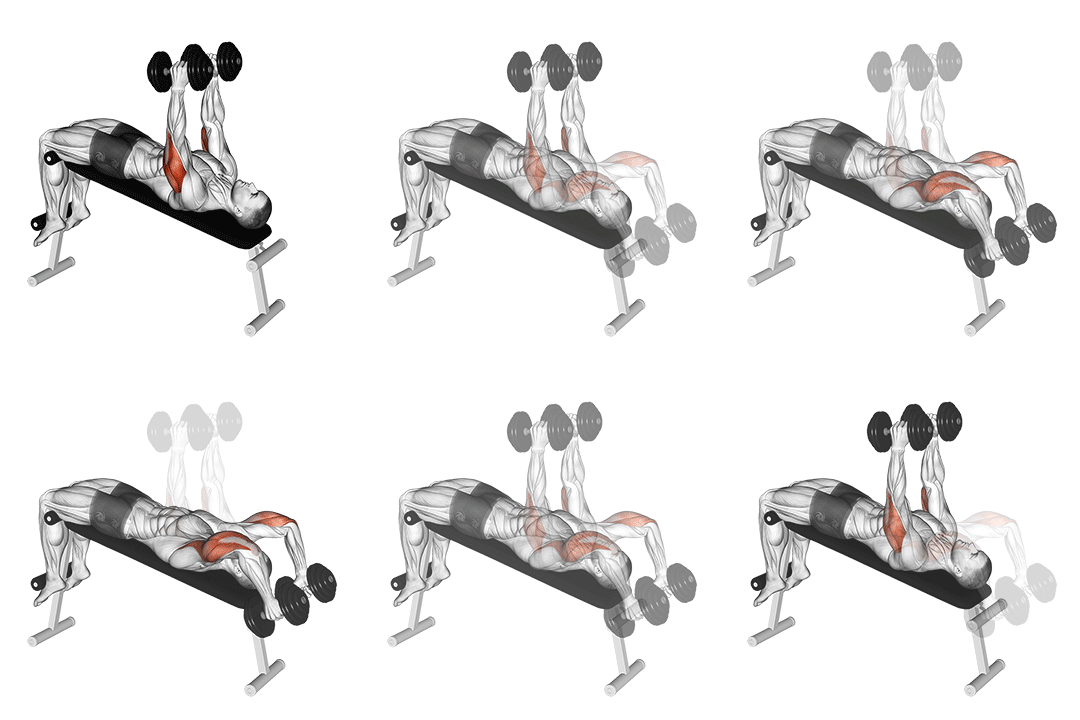
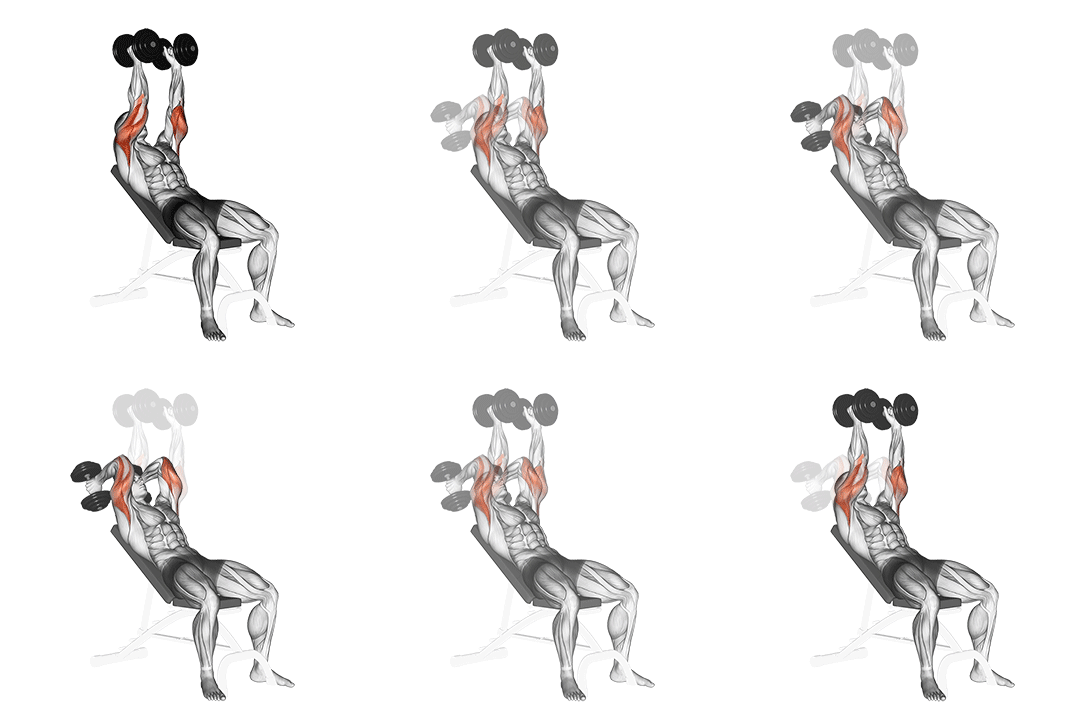
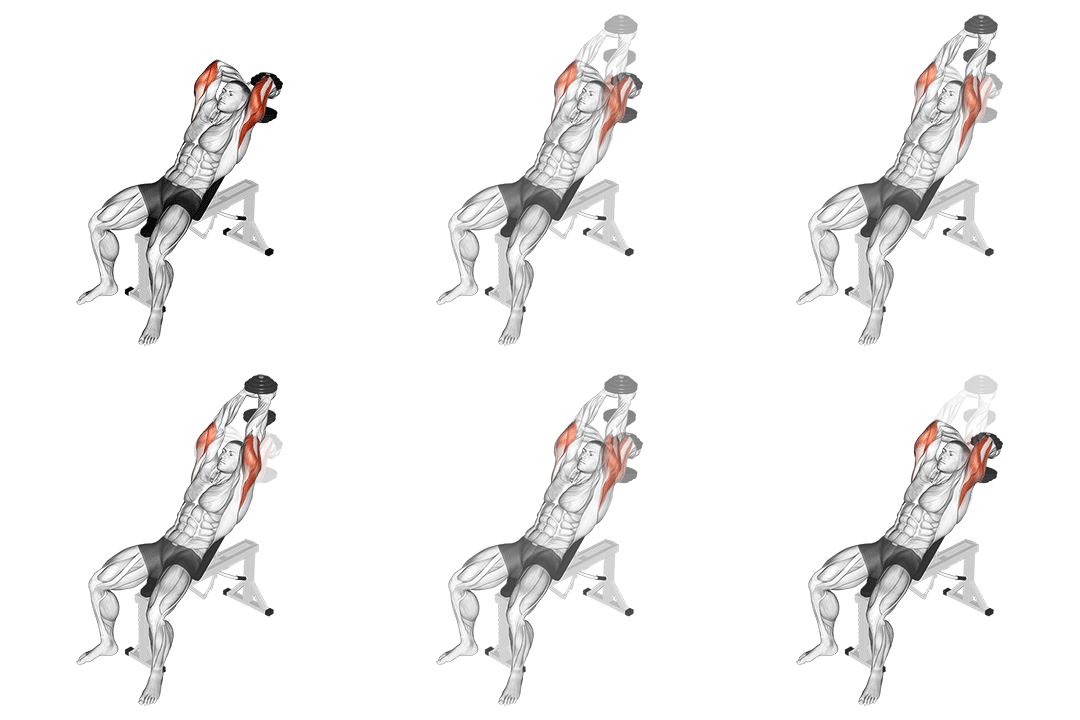
Dumbbell Decline Triceps Extension
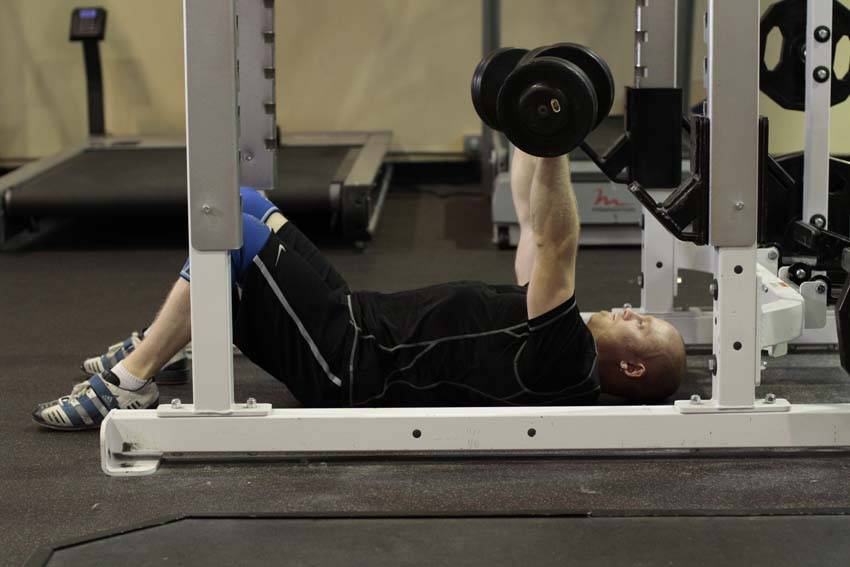
Dumbbell Floor Press
Head-to-Head Comparison
| Attribute | Dumbbell Decline Triceps Extension | Dumbbell Floor Press |
|---|---|---|
| Target Muscle |
Triceps
|
Triceps
|
| Body Part |
Upper-arms
|
Upper-arms
|
| Equipment |
Dumbbell
|
Dumbbell
|
| Difficulty |
Intermediate
|
Intermediate
|
| Movement Type |
Isolation
|
Compound
|
| Secondary Muscles |
1
|
2
|
Secondary Muscles Activated
Dumbbell Decline Triceps Extension
Dumbbell Floor Press
Visual Comparison
Overview
Dumbbell Decline Triceps Extension vs Dumbbell Floor Press — both hammer the triceps, but they do it with different mechanics. You’ll get a clear read on which exercise isolates the triceps, which one recruits the chest and shoulders, how range of motion and joint angles change muscle length-tension, and which suits hypertrophy, strength, or home training. I’ll walk you through technique cues, injury risk, equipment needs, and practical programming tips (rep ranges, angles, and progressions) so you can pick the move that fits your goals and current setup.
Key Differences
- Dumbbell Decline Triceps Extension is an isolation exercise, while Dumbbell Floor Press is a compound movement.
- Both exercises target the Triceps using Dumbbell. The main differences are in their movement patterns and muscle activation angles.
Pros & Cons
Dumbbell Decline Triceps Extension
+ Pros
- High triceps isolation and long-head stretch for targeted hypertrophy
- Strong length-tension loading throughout the ROM
- Easy to manipulate tempo and partials for muscle growth
- Good accessory for finishing sets after compound presses
− Cons
- Requires a decline bench or setup
- Higher elbow/shoulder stress at end-range under heavy load
- Harder to safely handle very heavy loads compared to presses
Dumbbell Floor Press
+ Pros
- Very accessible — only dumbbells and a floor
- Lower shoulder strain due to ROM stop at the floor
- Allows heavier loading for strength carryover
- Recruits chest and shoulders for compound strength work
− Cons
- Reduced triceps stretch compared with overhead/decline extensions
- Less isolation for targeting the long head specifically
- Lower peak pec activation than full bench press (floor limits ROM)
When Each Exercise Wins
Decline extensions provide a fuller length-tension stimulus, especially to the long head, and allow precise tempo and partial-rep work in the 8–20 rep range, which targets sarcoplasmic and myofibrillar hypertrophy.
Floor press lets you handle heavier loads and strengthens the lockout, a key strength transfer for pressing movements. Use 3–6 rep ranges and progressively increase load to build maximal pressing strength.
Floor press has a simpler setup and safer ROM (floor limits shoulder depth), making it easier to learn pressing mechanics and build baseline triceps and chest strength.
You only need dumbbells and a floor, no bench or decline equipment. It’s space-efficient and effective for both strength and muscle maintenance in minimal setups.
Frequently Asked Questions
Can I do both Dumbbell Decline Triceps Extension and Dumbbell Floor Press in the same workout?
Yes. Sequence matters: do Floor Presses first if you want maximal strength and heavier loading, then finish with Decline Triceps Extensions as an isolation finisher (2–4 sets of 8–15 reps) to increase time under tension without compromising heavy pressing performance.
Which exercise is better for beginners?
Dumbbell Floor Press is better for beginners because it has a simpler setup, limited shoulder ROM, and allows safer progression with heavier dumbbells, making it easier to learn pressing mechanics and build initial strength.
How do the muscle activation patterns differ?
Decline extensions activate the triceps across a longer length with peak tension through mid-to-top range due to greater long-head stretch. Floor press shows lower activation at bottom (floor stops ROM) and higher relative triceps activation near lockout, with more chest and anterior deltoid involvement during the press vector.
Can Dumbbell Floor Press replace Dumbbell Decline Triceps Extension?
Floor Press can replace decline extensions if your goal is strength and convenience, but it won’t fully substitute for the long-head stretch and isolation stimulus offered by decline extensions when your goal is targeted hypertrophy.
Expert Verdict
Use the Dumbbell Decline Triceps Extension when your goal is targeted triceps hypertrophy and you can control load and technique. Set the bench around 15–30° decline, keep upper arms fixed (elbows pointing toward the ceiling relative to your torso), and use 8–20 reps with slow eccentrics to exploit the long-head stretch and length-tension relationship. Choose the Dumbbell Floor Press when you want compound strength, heavier loading, or a safer shoulder-friendly press; perform 3–6 reps for strength or 6–12 for mixed strength/hypertrophy. For most trainees, pair both across cycles: prioritize floor presses for strength phases and decline extensions during high-volume hypertrophy blocks.
Also Compare
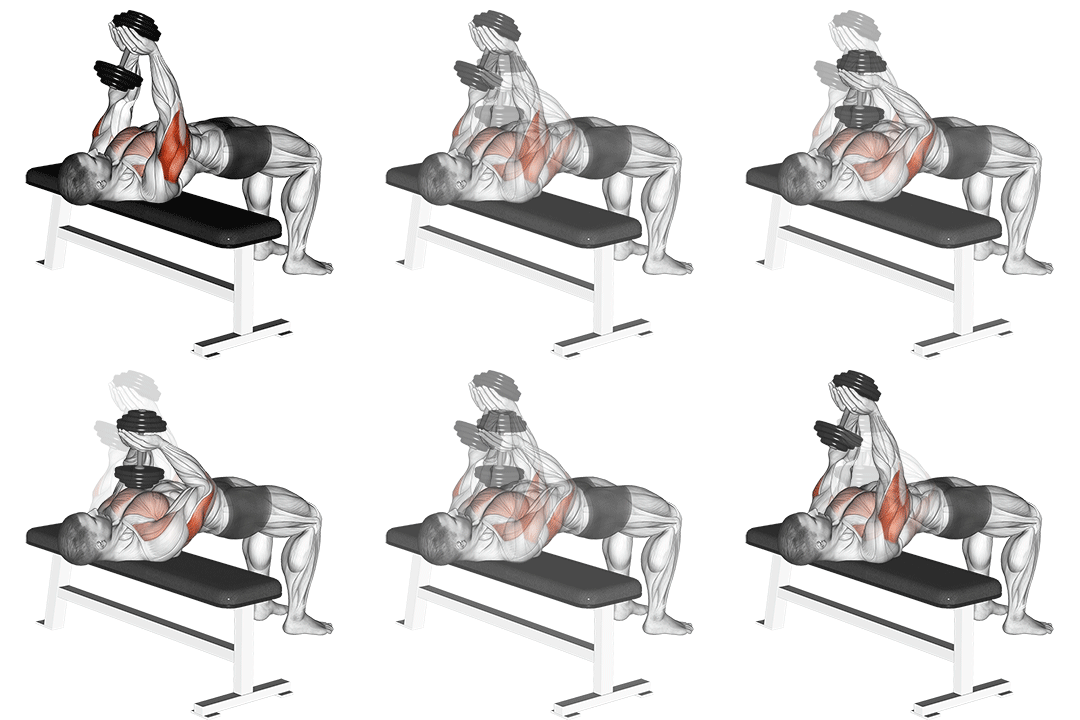
More comparisons with Dumbbell Decline Triceps Extension
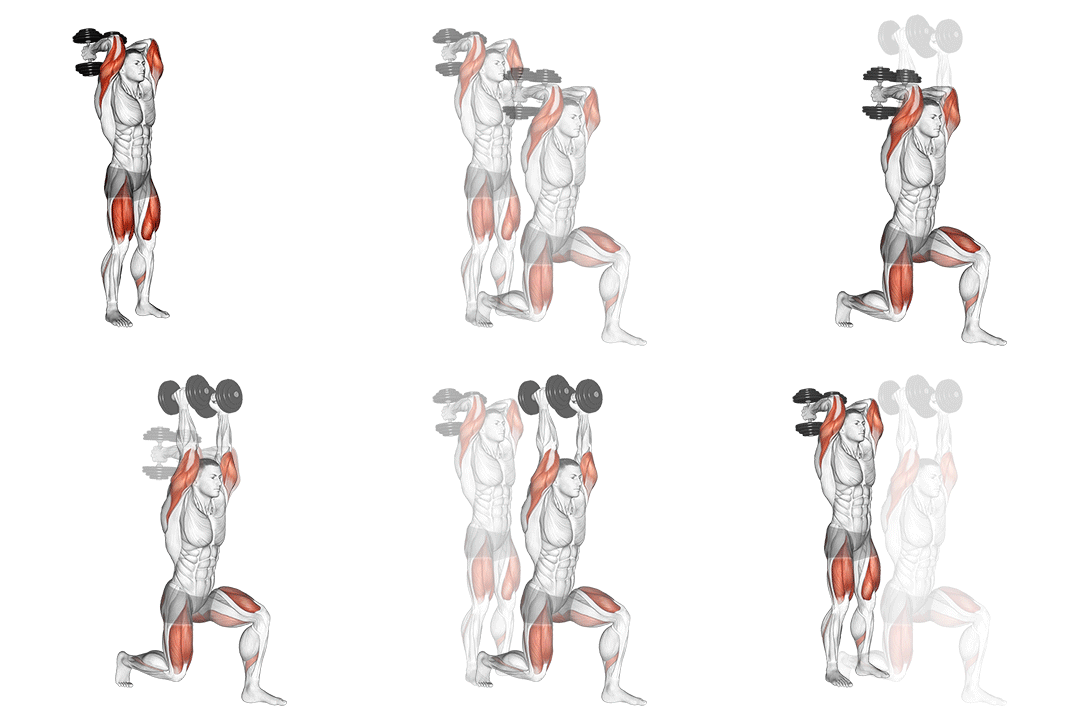
More comparisons with Dumbbell Floor Press
Compare More Exercises
Use our free comparison tool to analyze any two exercises head-to-head.
Compare Exercises