

Dumbbell Incline Triceps Extension vs Dumbbell Incline Two Arm Extension: Complete Comparison Guide
Dumbbell Incline Triceps Extension vs Dumbbell Incline Two Arm Extension — you’re comparing two solid isolation moves that bias the triceps while the shoulder sits in slight flexion. I’ll walk you through mechanics, muscle activation, exact technique cues, and when to pick one over the other for hypertrophy, strength, or convenience. Read on to get clear recommendations, suggested rep ranges (4–6 for strength, 6–12 for hypertrophy, 8–15 for endurance), progression tips, and simple coaching cues you can apply on your next workout.
Exercise Comparison
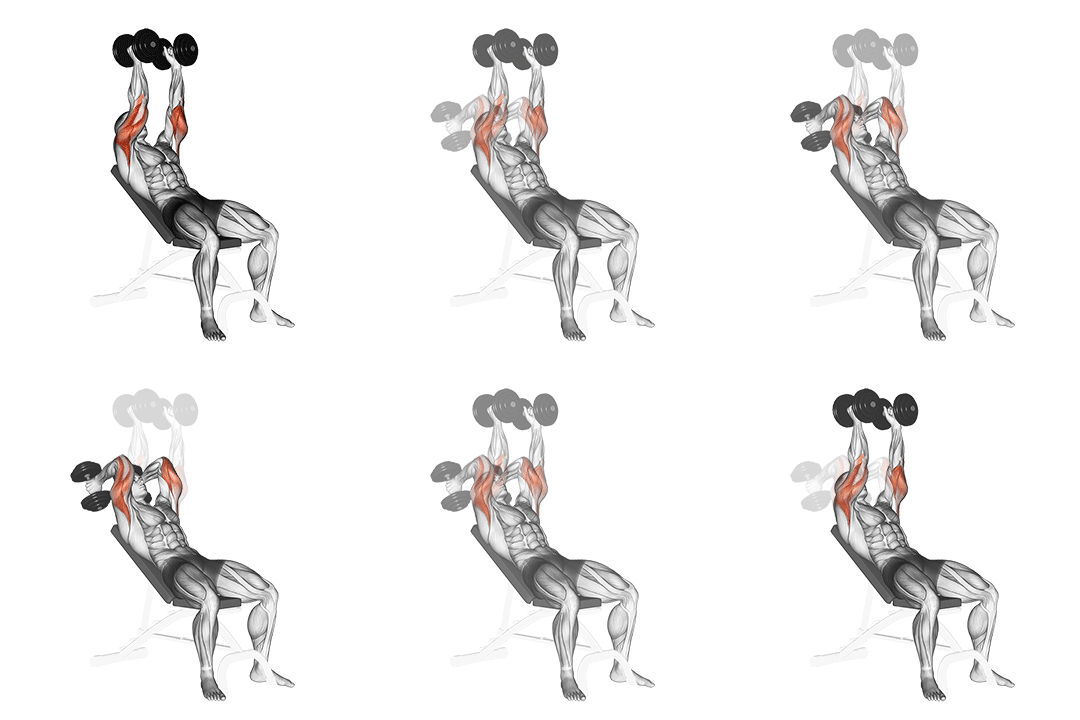
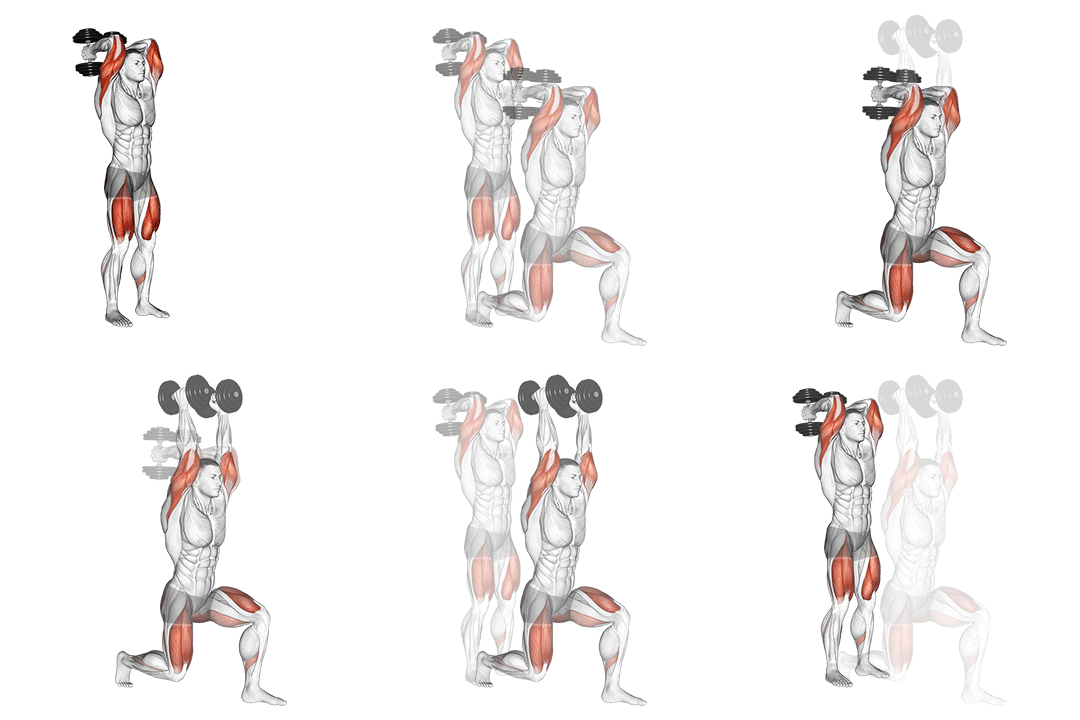
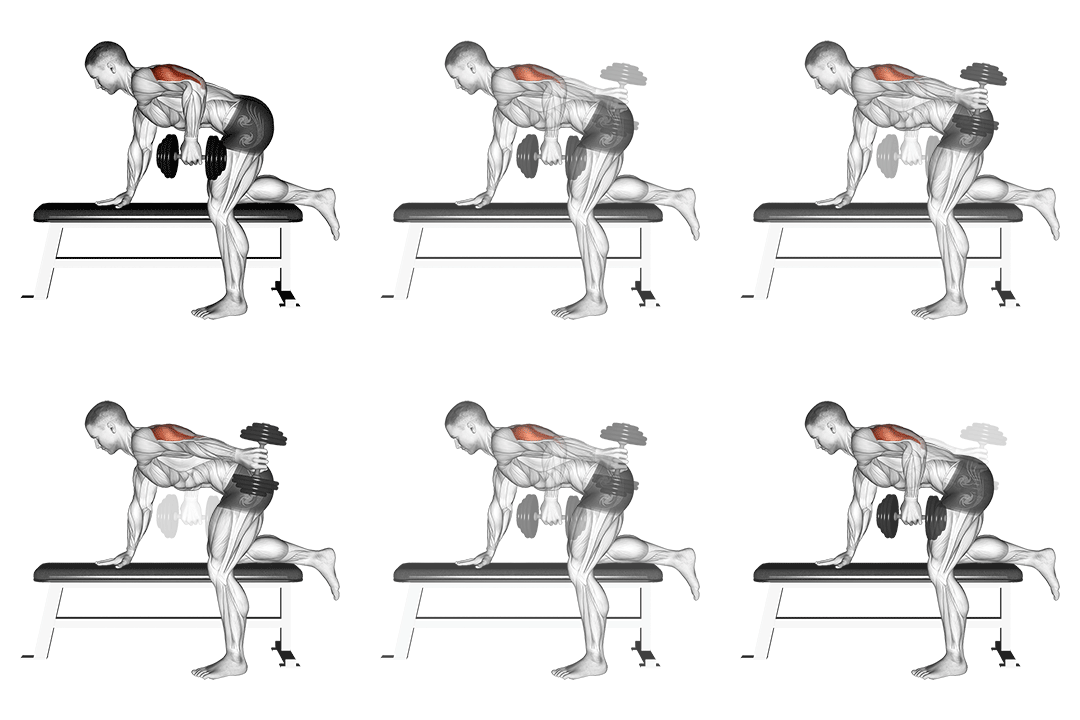
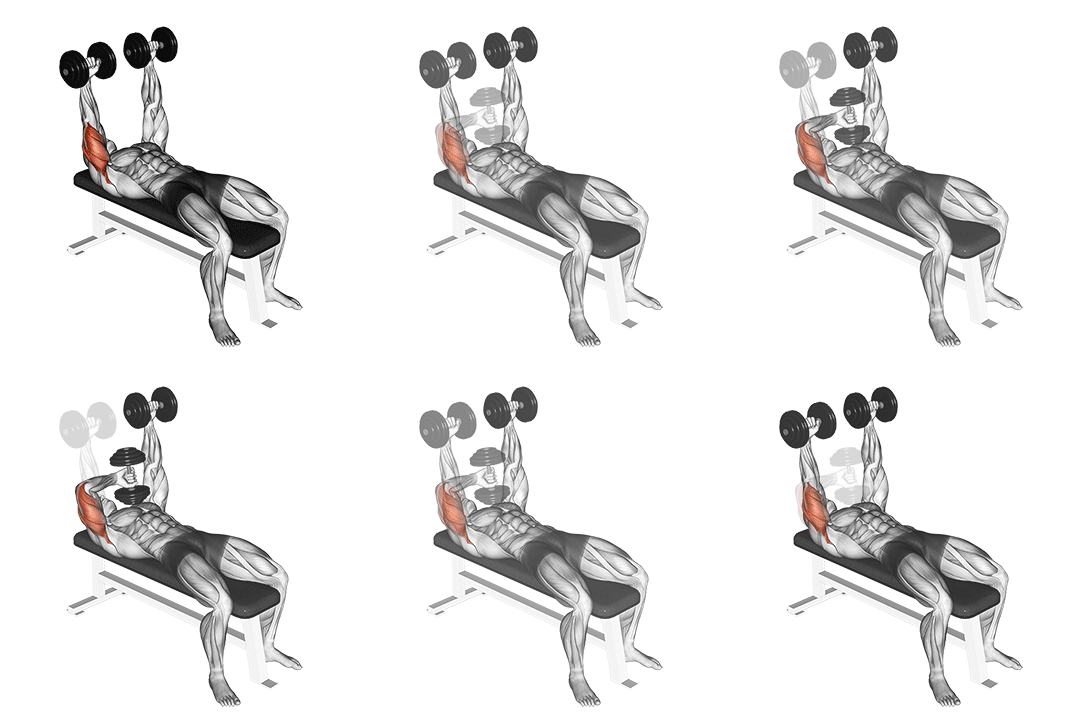
Dumbbell Incline Triceps Extension
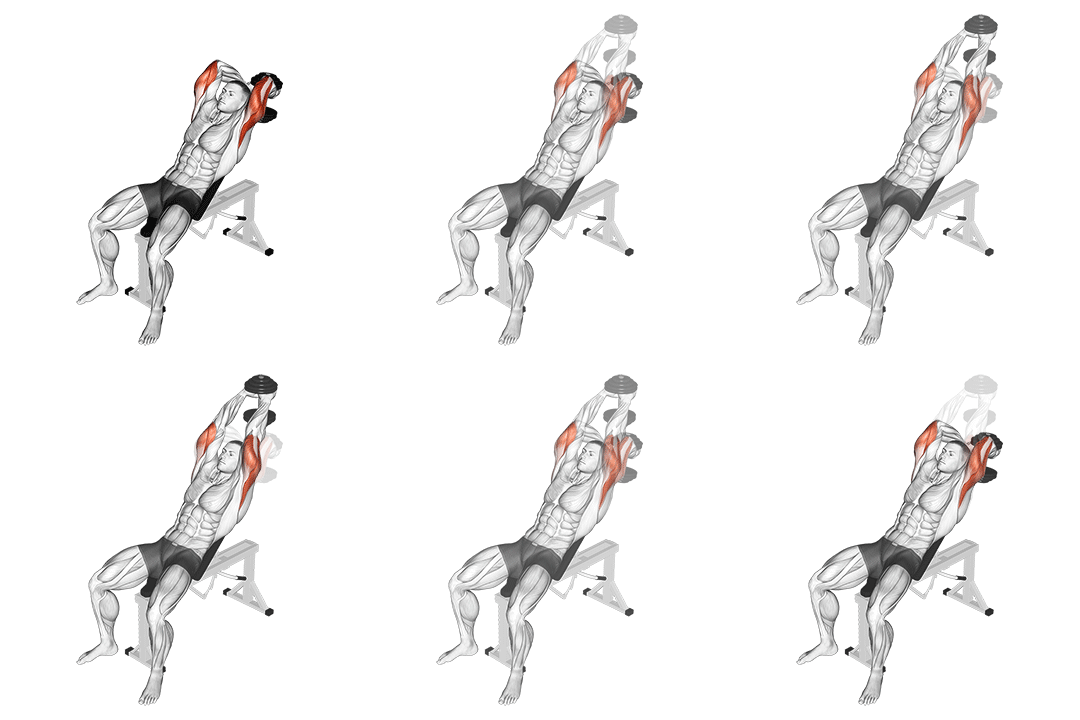
Dumbbell Incline Two Arm Extension
Head-to-Head Comparison
| Attribute | Dumbbell Incline Triceps Extension | Dumbbell Incline Two Arm Extension |
|---|---|---|
| Target Muscle |
Triceps
|
Triceps
|
| Body Part |
Upper-arms
|
Upper-arms
|
| Equipment |
Dumbbell
|
Dumbbell
|
| Difficulty |
Intermediate
|
Intermediate
|
| Movement Type |
Isolation
|
Isolation
|
| Secondary Muscles |
1
|
1
|
Secondary Muscles Activated
Dumbbell Incline Triceps Extension
Dumbbell Incline Two Arm Extension
Visual Comparison
Overview
Dumbbell Incline Triceps Extension vs Dumbbell Incline Two Arm Extension — you’re comparing two solid isolation moves that bias the triceps while the shoulder sits in slight flexion. I’ll walk you through mechanics, muscle activation, exact technique cues, and when to pick one over the other for hypertrophy, strength, or convenience. Read on to get clear recommendations, suggested rep ranges (4–6 for strength, 6–12 for hypertrophy, 8–15 for endurance), progression tips, and simple coaching cues you can apply on your next workout.
Key Differences
- Both exercises target the Triceps using Dumbbell. The main differences are in their movement patterns and muscle activation angles.
Pros & Cons
Dumbbell Incline Triceps Extension
+ Pros
- Allows unilateral work to correct strength imbalances and address side-to-side differences
- Easier to manipulate tempo and perform strict negatives for hypertrophy
- Accessible for home use with a single dumbbell
- Greater demand on scapular stabilizers, improving shoulder control
− Cons
- Increased rotational and stabilizer demand can expose technique flaws
- Harder to load very heavily compared to a two-arm hold
- Slightly higher risk of shoulder strain if elbow path and bench angle aren’t controlled
Dumbbell Incline Two Arm Extension
+ Pros
- Center-loaded position allows higher absolute loads for strength and progressive overload
- Simpler motor pattern, easier to teach and learn
- More stable for hitting consistent reps and tempo
- Lower rotational stress on the shoulder and torso
− Cons
- Requires a heavier dumbbell to match bilateral loading, which may be limiting for some home gyms
- Less direct work for unilateral imbalances
- Can reduce scapular stabilizer engagement compared with single-arm variations
When Each Exercise Wins
Two-arm holds let you load heavier and maintain consistent tension through the 6–12 rep range. Heavier absolute load plus strict tempo (2–3s eccentric) produces reliable mechanical tension for growth.
Strength work benefits from higher absolute loads; the centered grip reduces rotational loss and lets you progressively add weight for 4–6 rep sets while maintaining safe joint alignment.
Its symmetric pattern is easier to learn and coach. Beginners can focus on elbow hinge, elbow tuck, and full range without managing anti-rotation demands.
Single-arm variants let you get productive sets with one moderate dumbbell, and you can scale reps and tempo for hypertrophy without needing a very heavy implement.
Frequently Asked Questions
Can I do both Dumbbell Incline Triceps Extension and Dumbbell Incline Two Arm Extension in the same workout?
Yes. Pair them by doing the two-arm version first for heavy sets (3–4 sets of 4–6 or 6–8), then finish with single-arm extensions as a higher-rep finisher (2–3 sets of 10–15) to address imbalances and extend time under tension.
Which exercise is better for beginners?
The Dumbbell Incline Two Arm Extension is better for most beginners because it’s more stable and easier to coach. Learn a strict elbow-hinge pattern there before progressing to unilateral variations.
How do the muscle activation patterns differ?
On the incline both exercises bias the long head by placing the shoulder in flexion and increasing length-tension at the bottom. The two-arm pattern produces more symmetric peak activation timing, while single-arm variations add stabilizer recruitment and minor shifts in the moment arm that alter activation sequencing.
Can Dumbbell Incline Two Arm Extension replace Dumbbell Incline Triceps Extension?
Yes for pure strength or hypertrophy because it allows heavier loading and simpler progression. No if your goal is to correct unilateral imbalances or improve scapular/rotational control—single-arm work provides unique benefits for those goals.
Expert Verdict
Both moves are excellent triceps isolations with slightly different strengths. Choose the Dumbbell Incline Two Arm Extension when you want heavier loading, efficient progressive overload, and an easier coaching pattern—best for strength and hypertrophy when you have heavier dumbbells. Choose the Dumbbell Incline Triceps Extension for unilateral work, home training, and targeting stabilizers or fixing imbalances. Use a 30°–45° bench incline, keep elbows tracking 1–2 inches inside shoulder width, and avoid excessive shoulder extension. Typical programming: 4–6 reps for strength, 6–12 for hypertrophy, and 8–15 for endurance and corrective work.
Also Compare
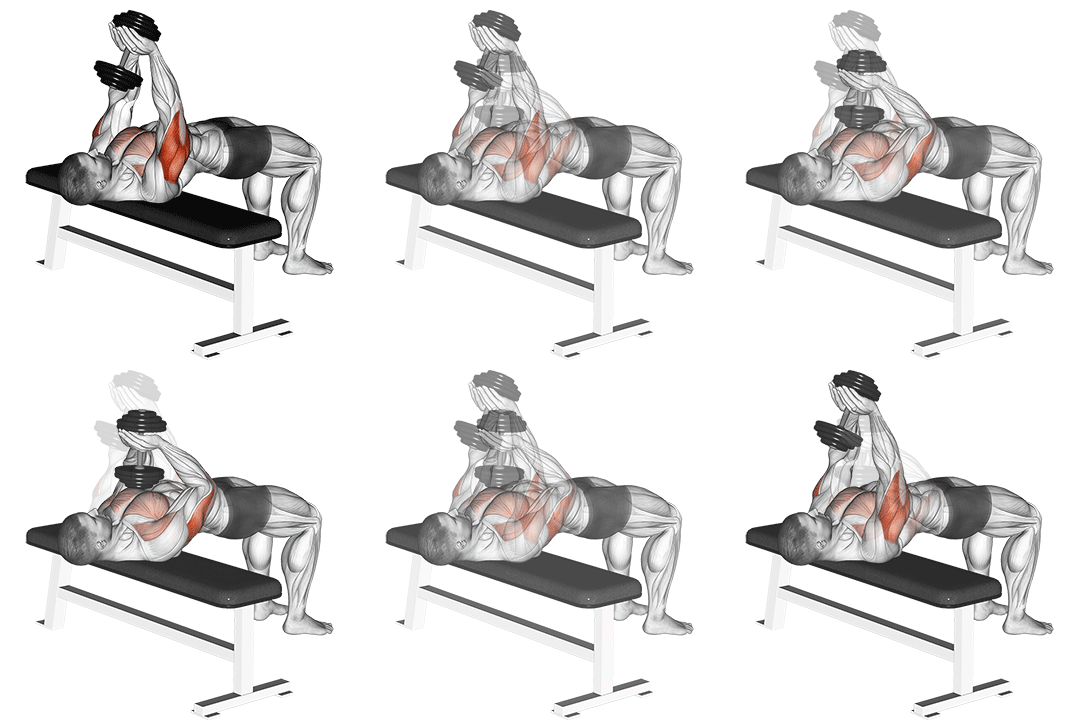
More comparisons with Dumbbell Incline Triceps Extension
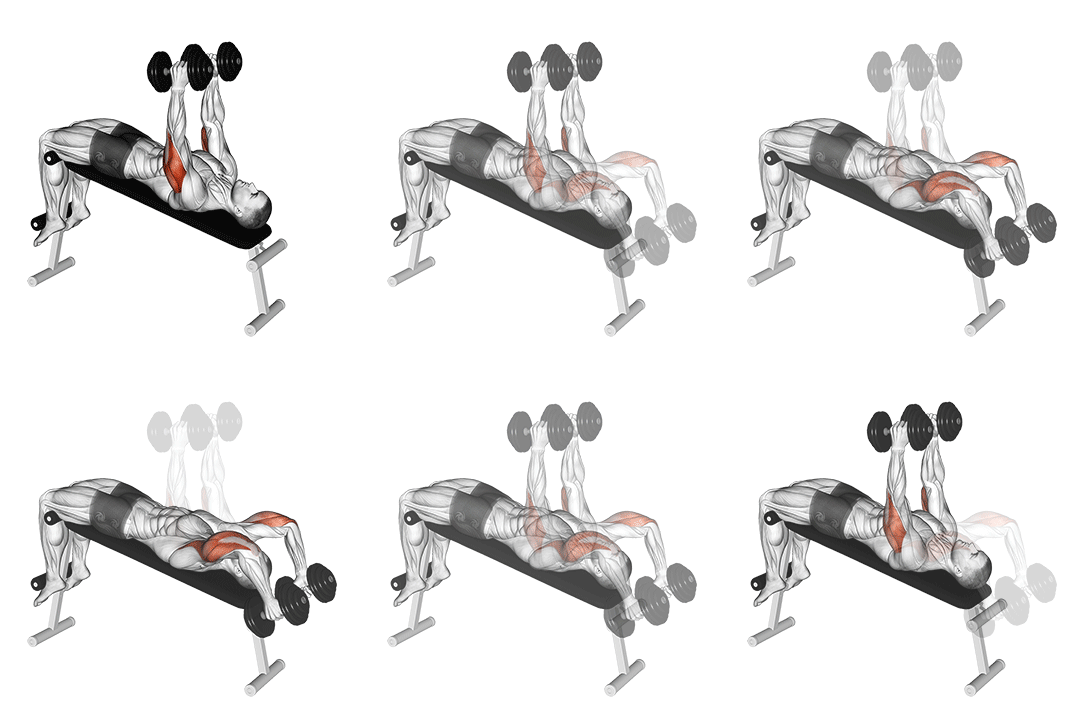
More comparisons with Dumbbell Incline Two Arm Extension
Compare More Exercises
Use our free comparison tool to analyze any two exercises head-to-head.
Compare Exercises