

Dumbbell Lunge vs Dumbbell Plyo Squat: Complete Comparison Guide
Dumbbell Lunge vs Dumbbell Plyo Squat — you’re comparing two loaded lower-body moves that both chase bigger glutes and stronger legs. I’ll walk you through muscle activation, equipment needs, injury risk, and clear winners for hypertrophy, strength, beginners, and home workouts. Expect practical technique cues (hip hinge, knee tracking, landing mechanics), rep ranges (6–12 for muscle growth, 3–6 for strength, 3–8 explosive reps for plyo), and biomechanics like force vectors and the stretch-shortening cycle so you can pick the best move for your goal.
Exercise Comparison
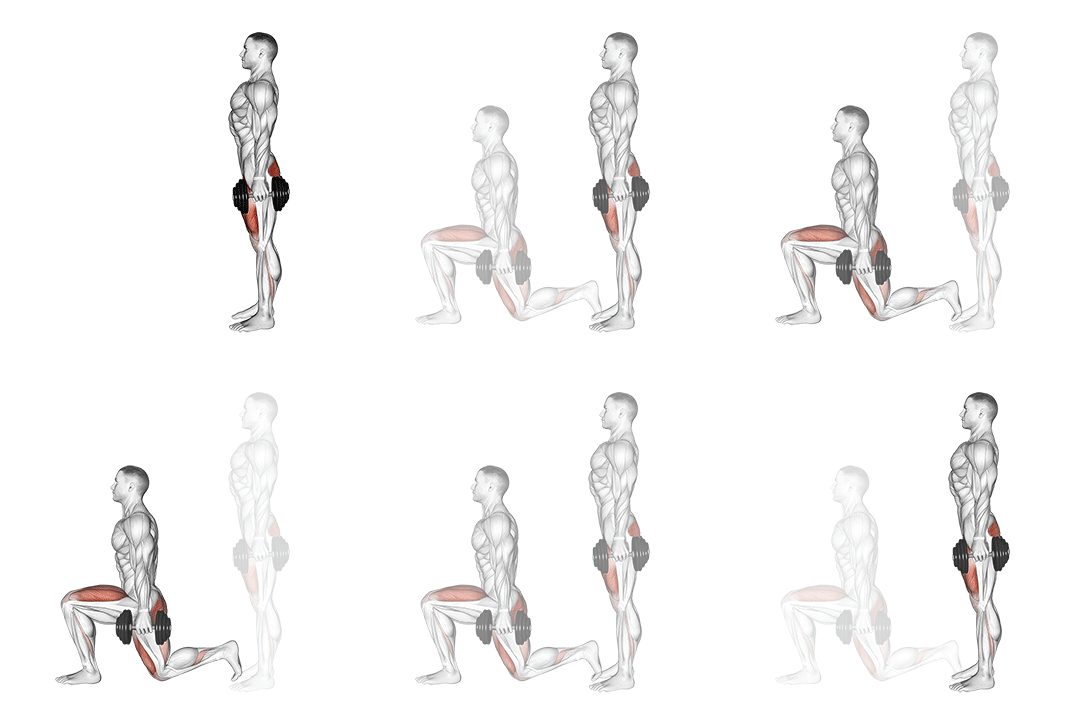
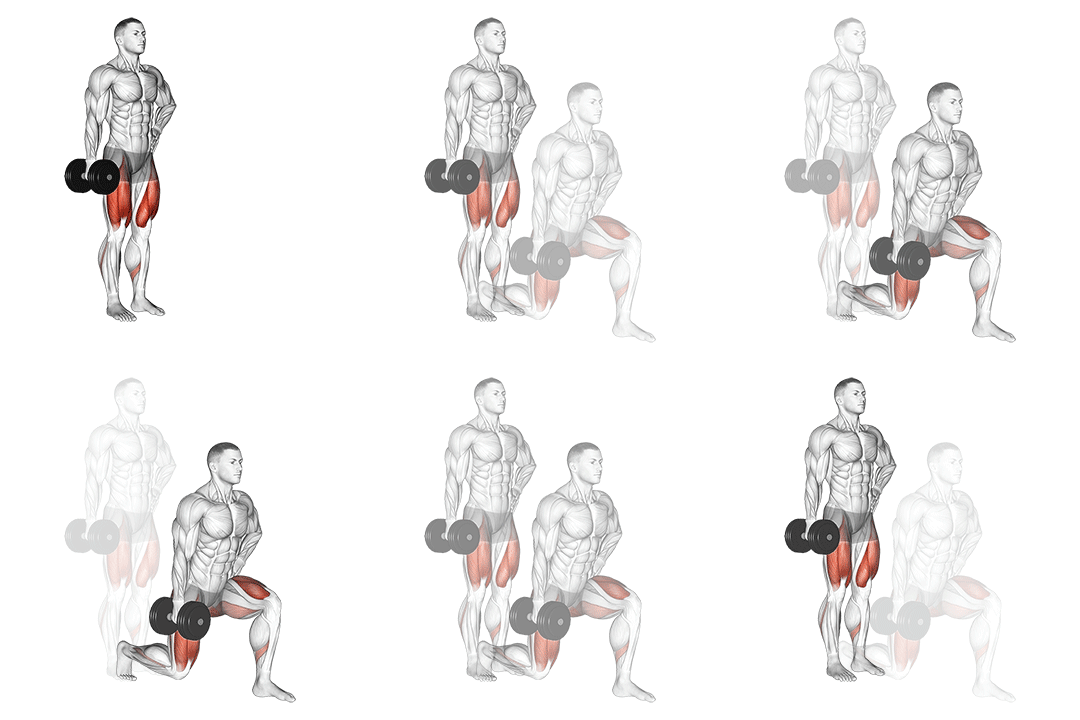
Dumbbell Lunge
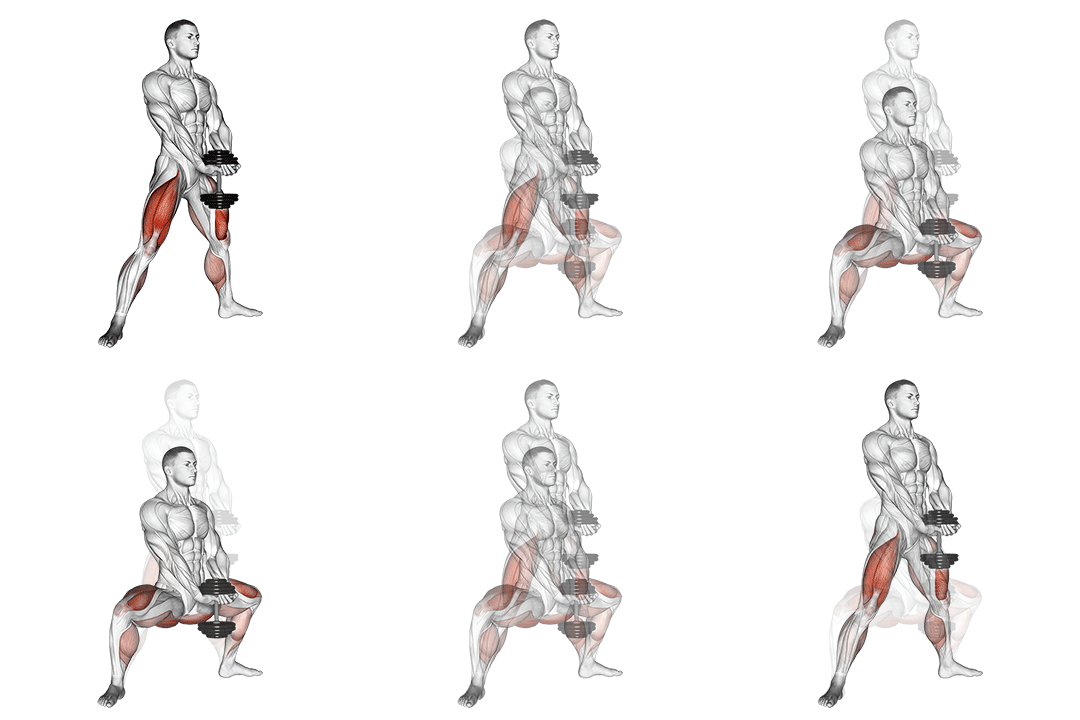
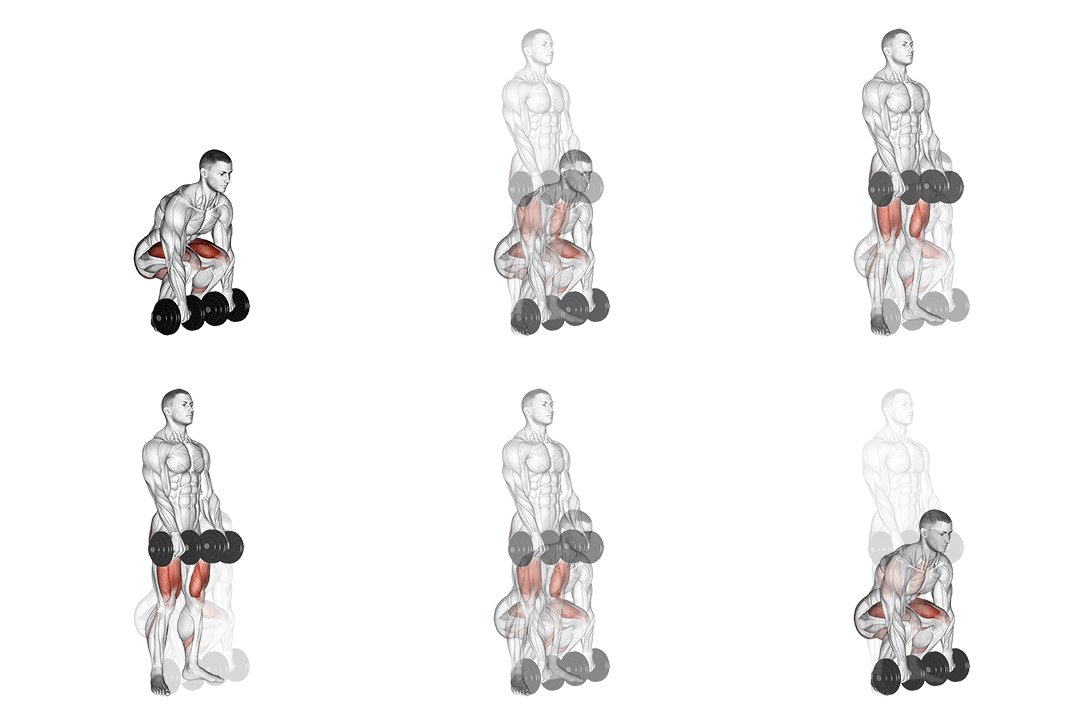
Dumbbell Plyo Squat
Head-to-Head Comparison
| Attribute | Dumbbell Lunge | Dumbbell Plyo Squat |
|---|---|---|
| Target Muscle |
Glutes
|
Glutes
|
| Body Part |
Upper-legs
|
Upper-legs
|
| Equipment |
Dumbbell
|
Dumbbell
|
| Difficulty |
Intermediate
|
Advanced
|
| Movement Type |
Compound
|
Compound
|
| Secondary Muscles |
3
|
3
|
Secondary Muscles Activated
Dumbbell Lunge
Dumbbell Plyo Squat
Visual Comparison
Overview
Dumbbell Lunge vs Dumbbell Plyo Squat — you’re comparing two loaded lower-body moves that both chase bigger glutes and stronger legs. I’ll walk you through muscle activation, equipment needs, injury risk, and clear winners for hypertrophy, strength, beginners, and home workouts. Expect practical technique cues (hip hinge, knee tracking, landing mechanics), rep ranges (6–12 for muscle growth, 3–6 for strength, 3–8 explosive reps for plyo), and biomechanics like force vectors and the stretch-shortening cycle so you can pick the best move for your goal.
Key Differences
- Difficulty levels differ: Dumbbell Lunge is intermediate, while Dumbbell Plyo Squat is advanced.
- Both exercises target the Glutes using Dumbbell. The main differences are in their movement patterns and muscle activation angles.
Pros & Cons
Dumbbell Lunge
+ Pros
- Strong unilateral loading that corrects left-right imbalances and improves single-leg strength
- Easy to scale with weight, tempo, or range — ideal for 6–12 rep hypertrophy sets
- Lower-impact movement with predictable ground contact and controlled eccentric phase
- Better for beginners and rehabilitation when progressed cautiously
− Cons
- Requires good balance and hip control; poor form increases knee shear
- Less emphasis on explosive power and RFD compared with plyometrics
- Can be limited by grip strength if using heavy dumbbells
Dumbbell Plyo Squat
+ Pros
- High rate of force development and fast-twitch fiber recruitment for power
- Uses the stretch-shortening cycle to increase concentric force with elastic energy
- Greater posterior-chain and calf engagement on landing and rebound
- Efficient calorie burner due to high metabolic and neuromuscular demand
− Cons
- Higher impact and greater injury risk without sound landing mechanics
- Requires more space, a forgiving surface, and advanced motor control
- Harder to perform for hypertrophy because reps must be low and explosive
When Each Exercise Wins
Lunges allow longer time under tension (2–3s eccentrics), easier progressive overload with heavier dumbbells, and safer higher rep ranges (8–12 reps, 3–4 sets) that maximize muscle fiber recruitment and metabolic stress for muscle growth.
Lunges let you systematically increase absolute load and focus on heavy, controlled reps (4–6 reps), improving maximal force production across hip and knee joints better than low-rep explosive plyos.
Lunges are easier to teach and scale: shorten step length, drop load, and cue 2–3s descents to build hip control and knee tracking before adding complexity or speed.
Lunges require minimal space and equipment, are low-impact, and can be varied for strength or hypertrophy without needing high ceilings or padded landing zones.
Frequently Asked Questions
Can I do both Dumbbell Lunge and Dumbbell Plyo Squat in the same workout?
Yes — pair them smartly. Do heavy or high-volume lunges earlier for strength and hypertrophy, then add 2–4 sets of low-rep plyo squats (3–6 reps) at the end to train power without fatiguing form for heavy loading.
Which exercise is better for beginners?
Dumbbell Lunges are better for beginners because they allow controlled tempo and easier load progression. Start with bodyweight or light dumbbells, focus on 80–90° hip and knee alignment, and build balance before adding plyometrics.
How do the muscle activation patterns differ?
Lunges create longer eccentric time under tension and steady concentric effort, favoring hypertrophy and sustained glute/quadriceps activation. Plyo squats produce brief high-impact eccentrics and rapid concentric RFD that preferentially recruit fast-twitch fibers and increase posterior-chain and calf involvement.
Can Dumbbell Plyo Squat replace Dumbbell Lunge?
Not completely — plyo squats build power and RFD but don’t provide the same controlled overload, time under tension, or unilateral strengthening lunges offer. Use plyos to complement lunges when you need explosive capacity, not as a one-to-one replacement for hypertrophy or imbalance correction.
Expert Verdict
Choose Dumbbell Lunges when your priority is muscle growth, unilateral strength, and accessibility. Use slow eccentrics (2–3s), 6–12 reps, and 3–4 sets to maximize hypertrophy while keeping knee tracking and a 90° front knee angle at the bottom. Pick Dumbbell Plyo Squats when you need power and RFD—perform 3–8 explosive reps for 3–5 sets, focus on soft, midfoot landings, and keep contact time under 0.4s. If you only have to pick one for most trainee goals, lunges are the safer, more versatile pick; add plyo squats selectively to develop speed and explosive coordination.
Also Compare
More comparisons with Dumbbell Lunge
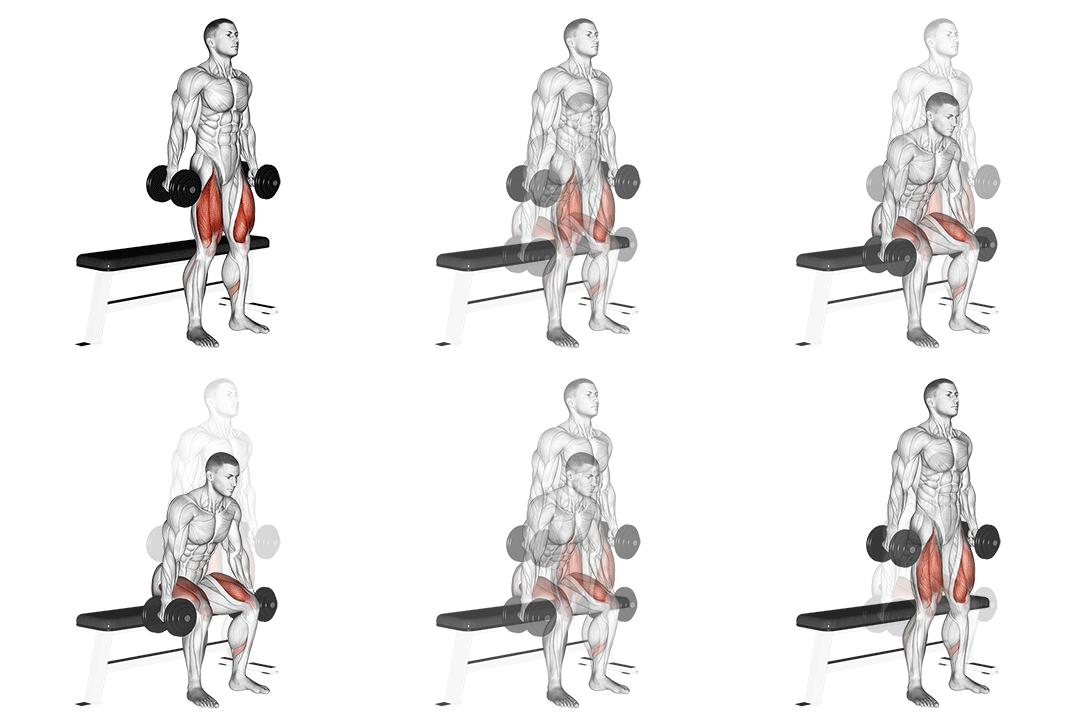
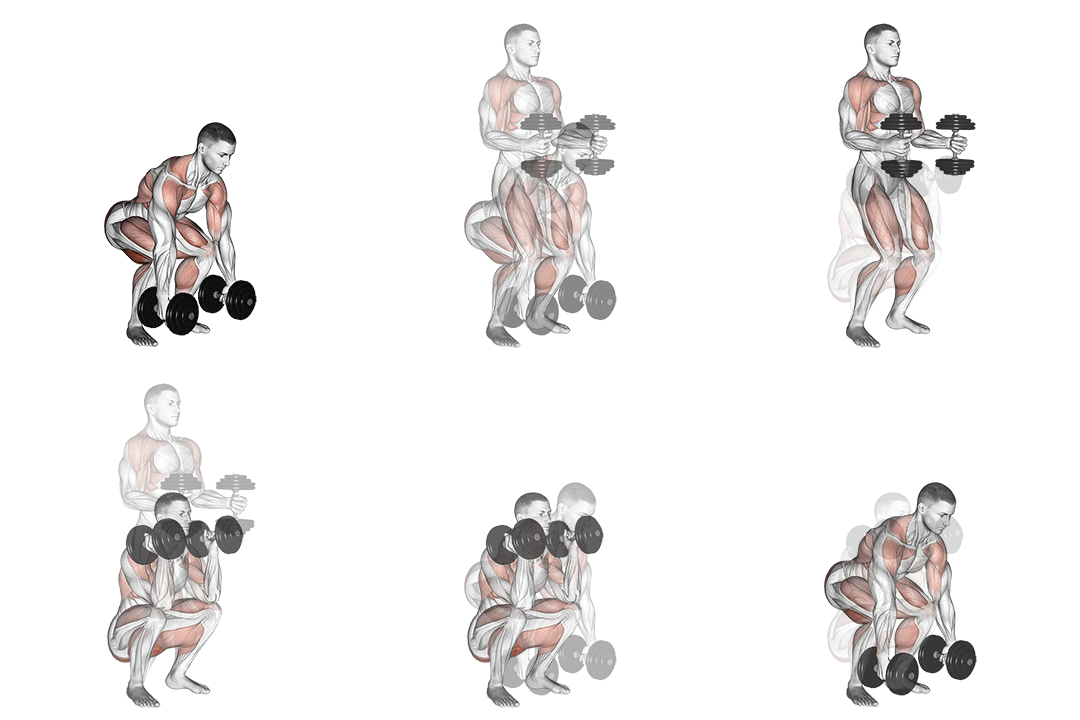
Compare More Exercises
Use our free comparison tool to analyze any two exercises head-to-head.
Compare Exercises