

Dumbbell Lunge vs Dumbbell Rear Lunge: Complete Comparison Guide
Dumbbell Lunge vs Dumbbell Rear Lunge — if you want clearer choices for glute and upper-leg development, this guide has your back. You’ll get crisp technique cues, biomechanical differences, rep ranges, and when to pick each exercise. I’ll cover primary and secondary muscle recruitment, step length and joint angles to use, common programming options (sets/reps), and injury considerations so you can choose the best lunge for your goals.
Exercise Comparison
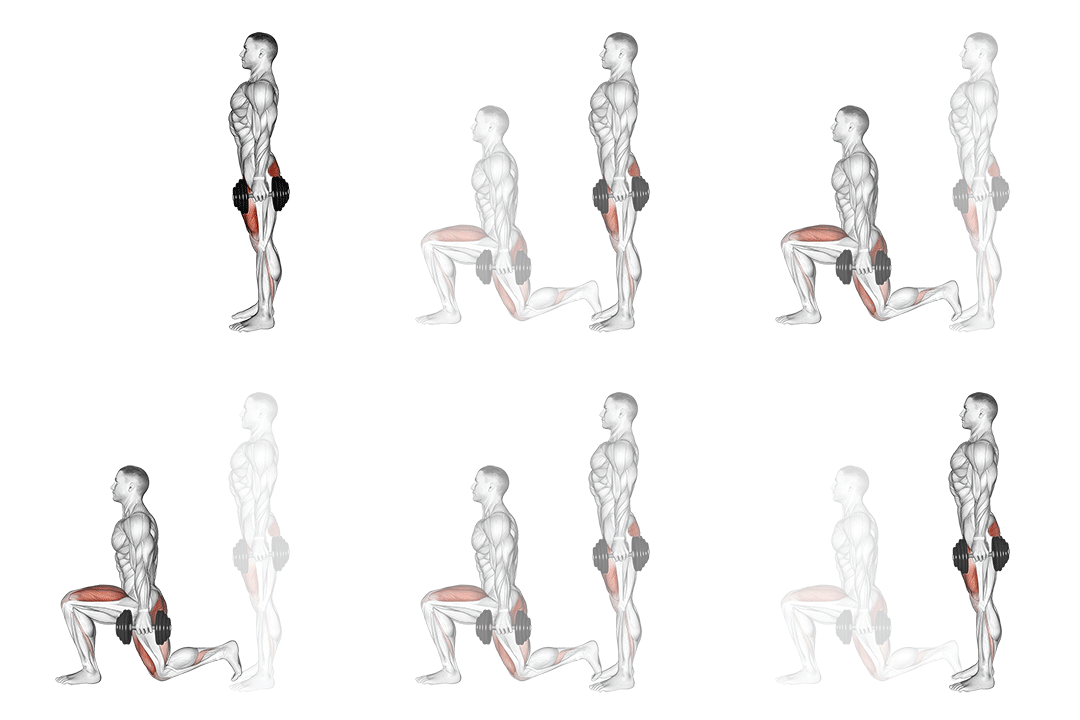
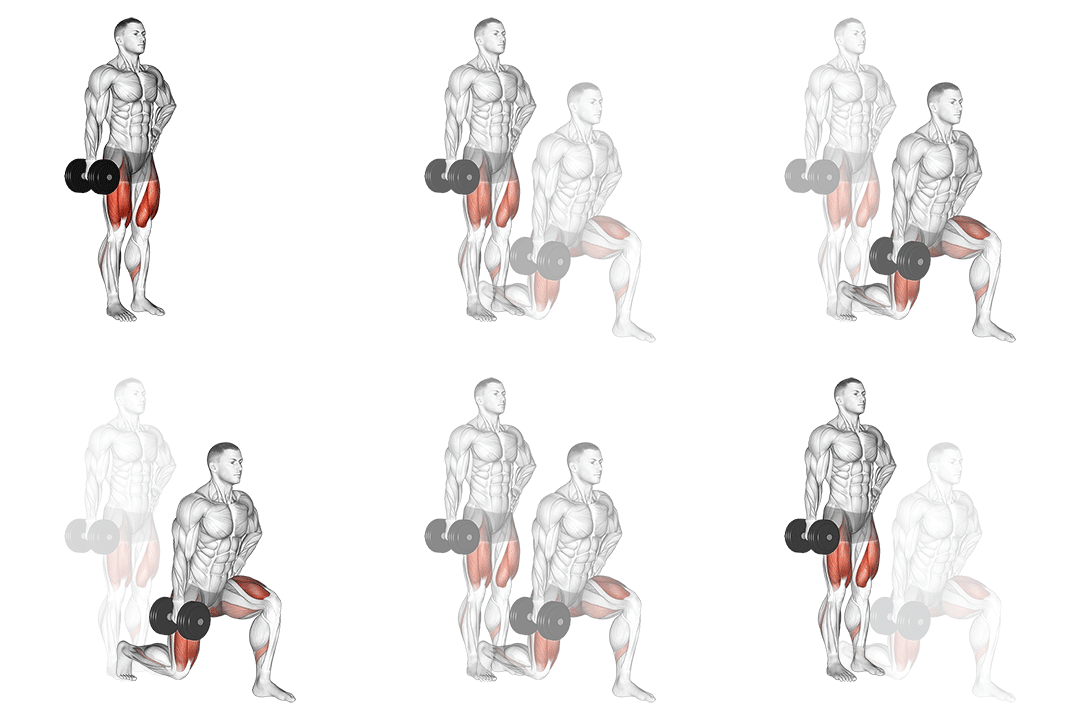
Dumbbell Lunge
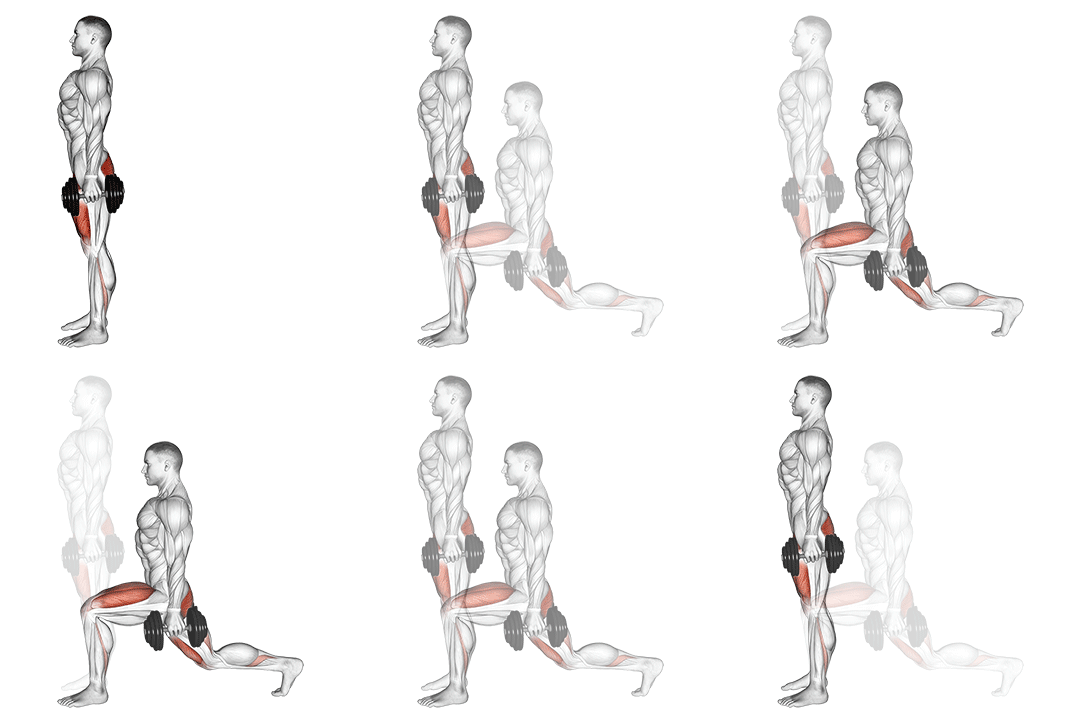
Dumbbell Rear Lunge
Head-to-Head Comparison
| Attribute | Dumbbell Lunge | Dumbbell Rear Lunge |
|---|---|---|
| Target Muscle |
Glutes
|
Glutes
|
| Body Part |
Upper-legs
|
Upper-legs
|
| Equipment |
Dumbbell
|
Dumbbell
|
| Difficulty |
Intermediate
|
Intermediate
|
| Movement Type |
Compound
|
Compound
|
| Secondary Muscles |
3
|
3
|
Secondary Muscles Activated
Dumbbell Lunge
Dumbbell Rear Lunge
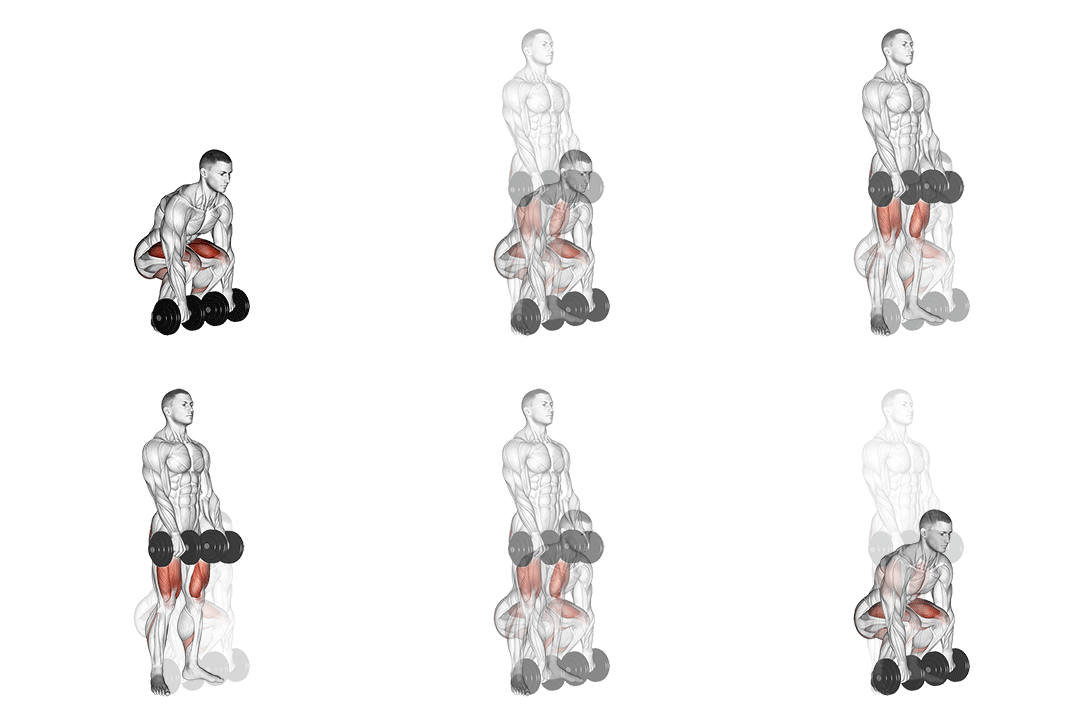
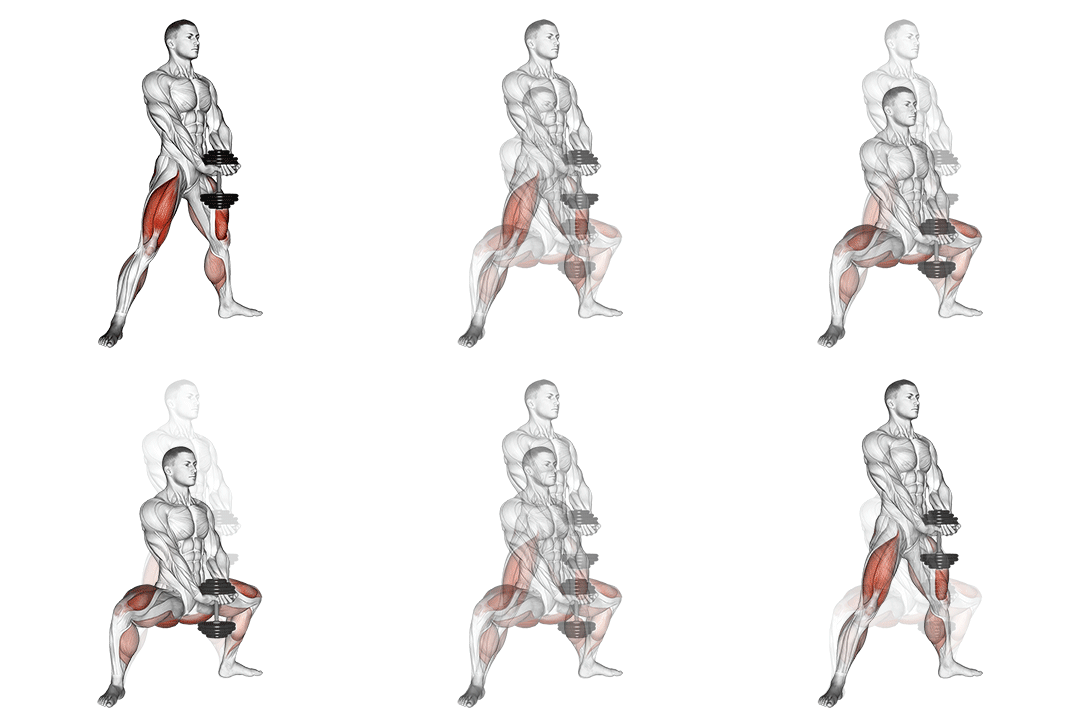
Visual Comparison
Overview
Dumbbell Lunge vs Dumbbell Rear Lunge — if you want clearer choices for glute and upper-leg development, this guide has your back. You’ll get crisp technique cues, biomechanical differences, rep ranges, and when to pick each exercise. I’ll cover primary and secondary muscle recruitment, step length and joint angles to use, common programming options (sets/reps), and injury considerations so you can choose the best lunge for your goals.
Key Differences
- Both exercises target the Glutes using Dumbbell. The main differences are in their movement patterns and muscle activation angles.
Pros & Cons
Dumbbell Lunge
+ Pros
- Stronger quad emphasis—good for knee-extension strength and athletic push-off.
- Plenty of dynamic progressions (walking, jumping) to train power.
- Challenges balance and core stability, improving unilateral control.
- Works well for quad-dominant physique goals alongside glute work.
− Cons
- Higher balance demand can limit load and reps for some lifters.
- Greater anterior knee shear if stride or alignment are incorrect.
- Requires more forward space and may be harder for those with poor ankle mobility.
Dumbbell Rear Lunge
+ Pros
- Increases hip-extension torque, favoring glute and hamstring development.
- Easier to load progressively and maintain upright torso under heavy weight.
- Lower anterior knee stress and more user-friendly for beginners.
- Needs less forward space—good for small home setups.
− Cons
- Less dynamic—fewer plyometric progression options.
- Can under-emphasize quad strength compared to forward lunges.
- Requires good hip mobility to reach full depth comfortably.
When Each Exercise Wins
The rear lunge produces a larger hip-extension moment and places the glute in a stronger length-tension position through deeper hip flexion, which supports glute hypertrophy. Use 6–12 reps, 3–4 sets, and controlled 2–3s eccentrics to maximize time under tension.
Because it’s easier to keep an upright torso and load safely, the rear lunge allows heavier, more consistent loading for low-rep strength work. Program 3–6 reps per side with longer rests (90–180s) and progressive overload.
Stepping back reduces forward momentum and balance demands, making technique easier to learn and safer for the knees. Start with bodyweight then add light dumbbells once you can hit stable 90° front-knee depth.
Rear lunges require slightly less forward space and let you load with one set of dumbbells safely, so they fit smaller areas and modest home equipment. Use 8–15 reps per side for conditioning if you have limited weight.
Frequently Asked Questions
Can I do both Dumbbell Lunge and Dumbbell Rear Lunge in the same workout?
Yes. Pairing them back-to-back can target quads and glutes differently—do 3 sets of rear lunges for glute focus (6–10 reps) then 2 sets of forward lunges for quad and stability (8–12 reps). Watch total volume and rest so you don’t compromise form.
Which exercise is better for beginners?
Dumbbell Rear Lunge is better for most beginners because stepping back is more stable and reduces anterior knee load. Start with bodyweight rear lunges until you can consistently reach ~90° front-knee depth with an upright torso.
How do the muscle activation patterns differ?
Mechanically, the forward lunge increases knee-extension torque and recruits more quadriceps due to an anterior force vector, while the rear lunge increases hip-extension torque, recruiting glutes and hamstrings more. Keep front-knee near 90° and torso lean 10–20° to hit the intended patterns.
Can Dumbbell Rear Lunge replace Dumbbell Lunge?
Yes for many goals—if your priority is glute hypertrophy, strength, or space efficiency, the rear lunge can replace the forward lunge. If you need extra quad development or power training, keep the forward lunge in rotation.
Expert Verdict
Both lunges are valuable tools, but for most lifters focused on glute development and safe progressive loading the Dumbbell Rear Lunge is the clearer first choice. It creates a larger hip-extension demand, is kinder to the front knee, and fits tighter spaces. Use the Dumbbell Lunge when you want extra quad emphasis, greater balance challenge, or dynamic progressions like walking or jumping lunges. Program rear lunges for hypertrophy with 6–12 reps and 3–4 sets, and use forward lunges for quad strength or power work with lower reps, explosive variants, and emphasis on stride mechanics.
Also Compare
More comparisons with Dumbbell Lunge
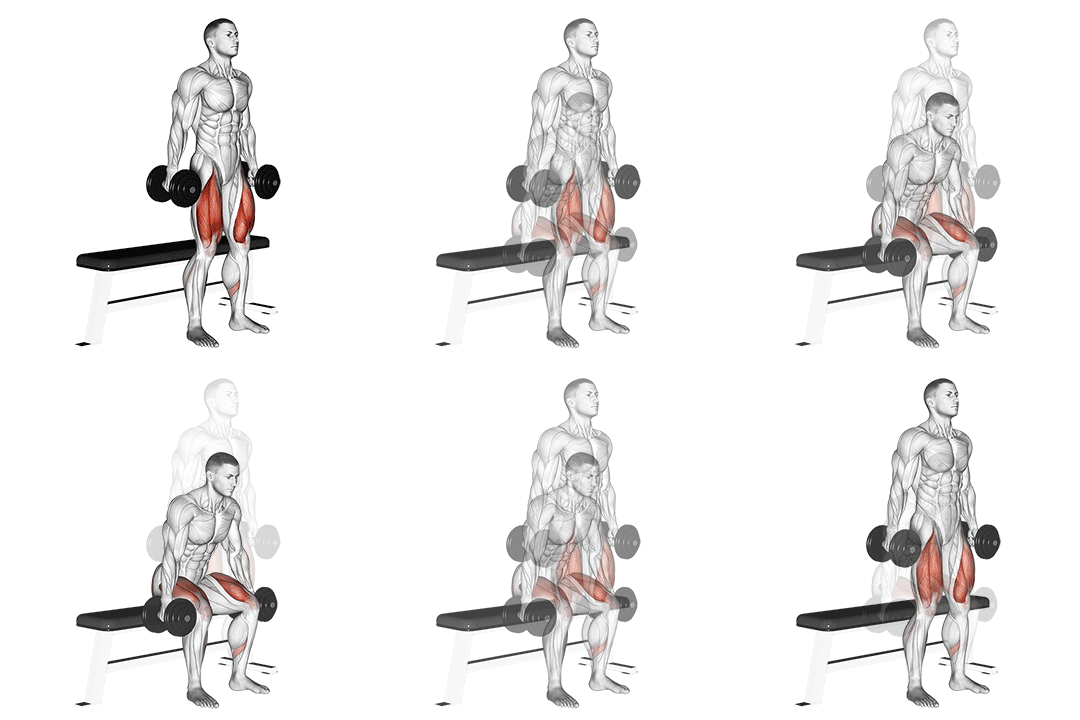
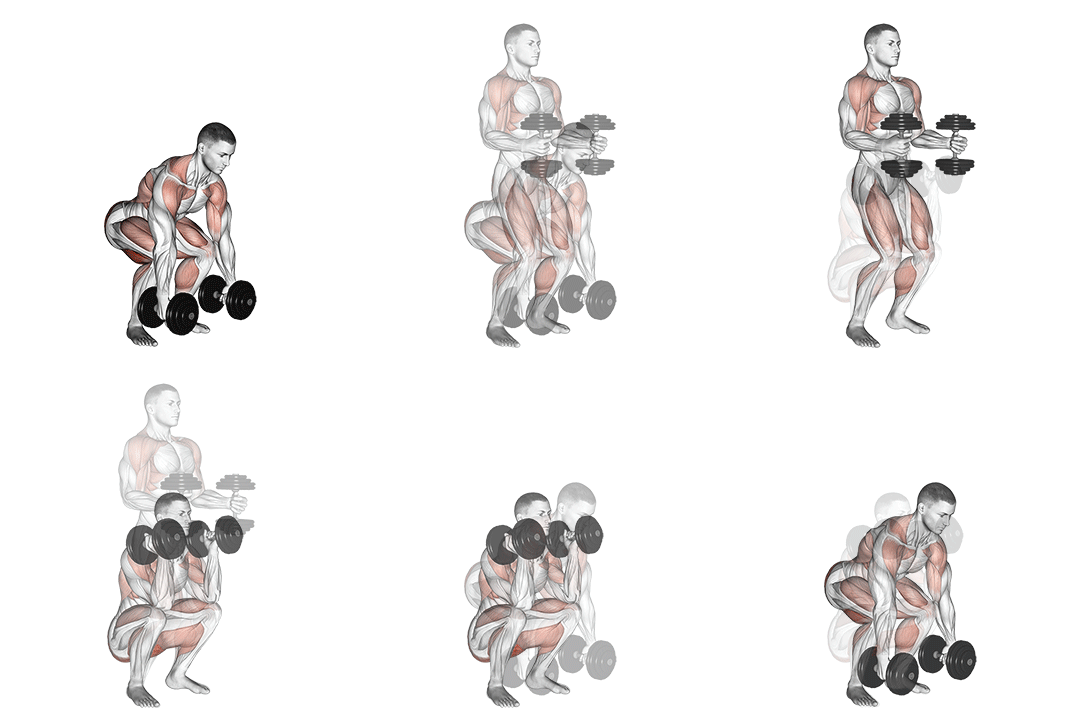
Compare More Exercises
Use our free comparison tool to analyze any two exercises head-to-head.
Compare Exercises