

Dumbbell One Arm Bent-over Row vs One-Arm Dumbbell Row: Complete Comparison Guide
Dumbbell One Arm Bent-over Row vs One-Arm Dumbbell Row — which one should you use in your back day? You get two compound, unilateral rows that emphasize the lats but load your body differently. I’ll walk you through muscle activation, biomechanics (torso angle, force vectors, length-tension), equipment needs, difficulty, and practical programming cues so you can choose the right row for hypertrophy, strength, or home workouts.
Exercise Comparison
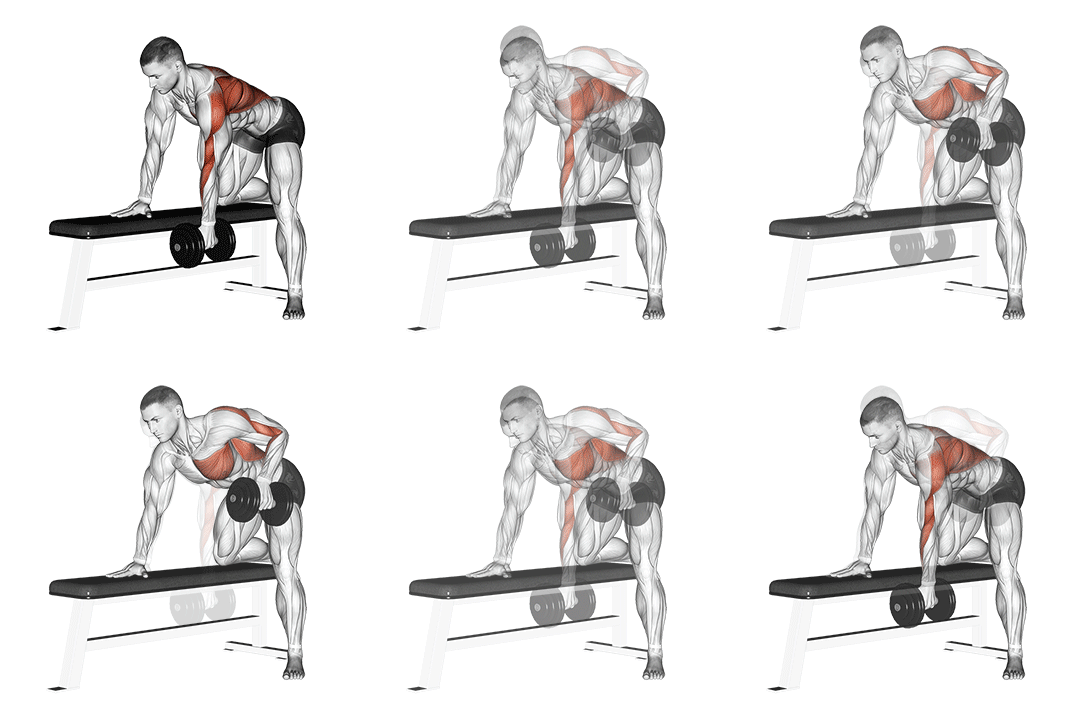
Dumbbell One Arm Bent-over Row
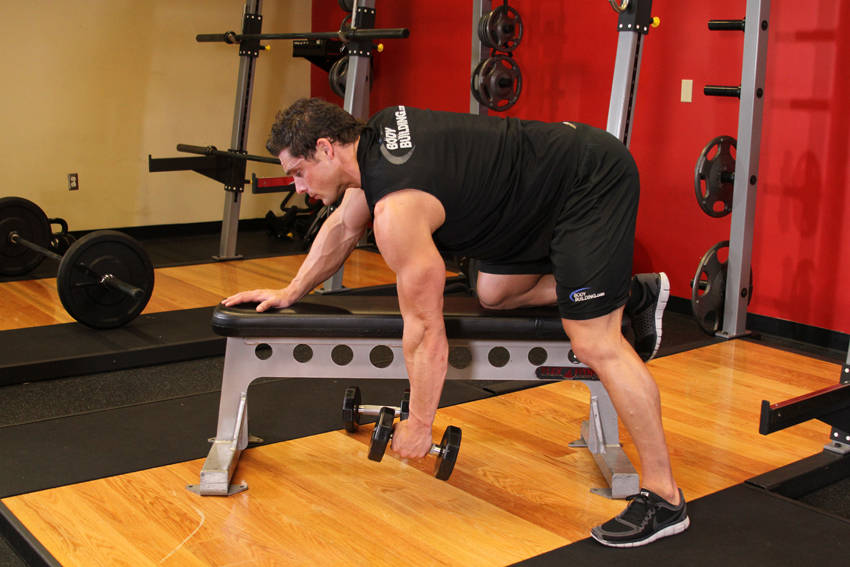
One-arm Dumbbell Row
Head-to-Head Comparison
| Attribute | Dumbbell One Arm Bent-over Row | One-arm Dumbbell Row |
|---|---|---|
| Target Muscle |
Lats
|
Lats
|
| Body Part |
Back
|
Back
|
| Equipment |
Dumbbell
|
Dumbbell
|
| Difficulty |
Intermediate
|
Intermediate
|
| Movement Type |
Compound
|
Compound
|
| Secondary Muscles |
2
|
3
|
Secondary Muscles Activated
Dumbbell One Arm Bent-over Row
One-arm Dumbbell Row
Visual Comparison
Overview
Dumbbell One Arm Bent-over Row vs One-Arm Dumbbell Row — which one should you use in your back day? You get two compound, unilateral rows that emphasize the lats but load your body differently. I’ll walk you through muscle activation, biomechanics (torso angle, force vectors, length-tension), equipment needs, difficulty, and practical programming cues so you can choose the right row for hypertrophy, strength, or home workouts.
Key Differences
- Both exercises target the Lats using Dumbbell. The main differences are in their movement patterns and muscle activation angles.
Pros & Cons
Dumbbell One Arm Bent-over Row
+ Pros
- Requires only a dumbbell and space
- Trains core bracing and posterior chain along with lats
- Allows heavier, more functional loading patterns
- Improves hip-hinge mechanics and anti-rotation strength
− Cons
- Greater lumbar stress if you lose posture
- Harder to isolate the lats due to torso movement
- Requires solid hip-hinge and breathing/bracing technique
One-arm Dumbbell Row
+ Pros
- Better lat isolation and cleaner scapular retraction
- Lower spinal loading—safer for athletes with back issues
- Easier to learn and cue for strict reps
- Allows controlled time under tension for hypertrophy
− Cons
- Requires a bench or support
- Less core and posterior chain carryover
- Can encourage short-range, elbow-dominant pulls if form is poor
When Each Exercise Wins
One-Arm Dumbbell Row lets you fix the torso and load the lat through a cleaner path, increasing lat-specific time under tension. Controlled eccentrics (3–4 seconds) and peak contractions at the top produce better hypertrophic stimulus.
Bent-over rows integrate core bracing and posterior chain strength, giving a more transferable stimulus for heavier, compound strength work. The increased demand on spinal erectors and glutes supports overall posterior chain loading.
The bench-supported row reduces skill requirements—less need for hip-hinge mastery and spinal bracing—so beginners can stress the lats safely while learning tension and pull mechanics.
You only need a dumbbell and a little floor space, making the bent-over variation more practical at home. No bench means fewer barriers to consistent training.
Frequently Asked Questions
Can I do both Dumbbell One Arm Bent-over Row and One-Arm Dumbbell Row in the same workout?
Yes. Pairing them works well: start with the bent-over row for compound strength and core work, then finish with bench-supported rows for lat isolation and extra volume. Keep total weekly volume appropriate—8–20 hard sets per muscle group depending on your level.
Which exercise is better for beginners?
One-Arm Dumbbell Row is better for beginners because the bench stabilizes the torso and reduces technical load on the hip hinge and lower back. It lets you learn pulling mechanics and progressive overload with less injury risk.
How do the muscle activation patterns differ?
Bent-over rows increase spinal erector and posterior chain activation due to a more horizontal torso and longer lever arm, while bench-supported rows increase isolated lat activation and scapular control by eliminating trunk motion. Expect ~15–30% more erector activity in bent-over work and a modest increase in lat isolation with bench support.
Can One-Arm Dumbbell Row replace Dumbbell One Arm Bent-over Row?
Yes for lat hypertrophy and lower-back protection, but not entirely if you want posterior chain strength and core overload. Replace bent-over rows when back recovery is a priority, but cycle bent-over variations back in to maintain full-body strength adaptations.
Expert Verdict
If your primary goal is strict lat development and you want to minimize lower-back stress, prioritize the One-Arm Dumbbell Row with slow eccentrics, full scapular retraction, and 8–12 rep ranges. If you want transferable posterior chain strength, core resilience, and have the technical competency for a solid hip hinge, choose the Dumbbell One Arm Bent-over Row and work heavier sets of 4–8 or build longer tempo sets for stability. Use both across a training cycle: bench-supported rows for focused hypertrophy blocks and bent-over rows when you need integrated strength and anti-rotation training.
Also Compare
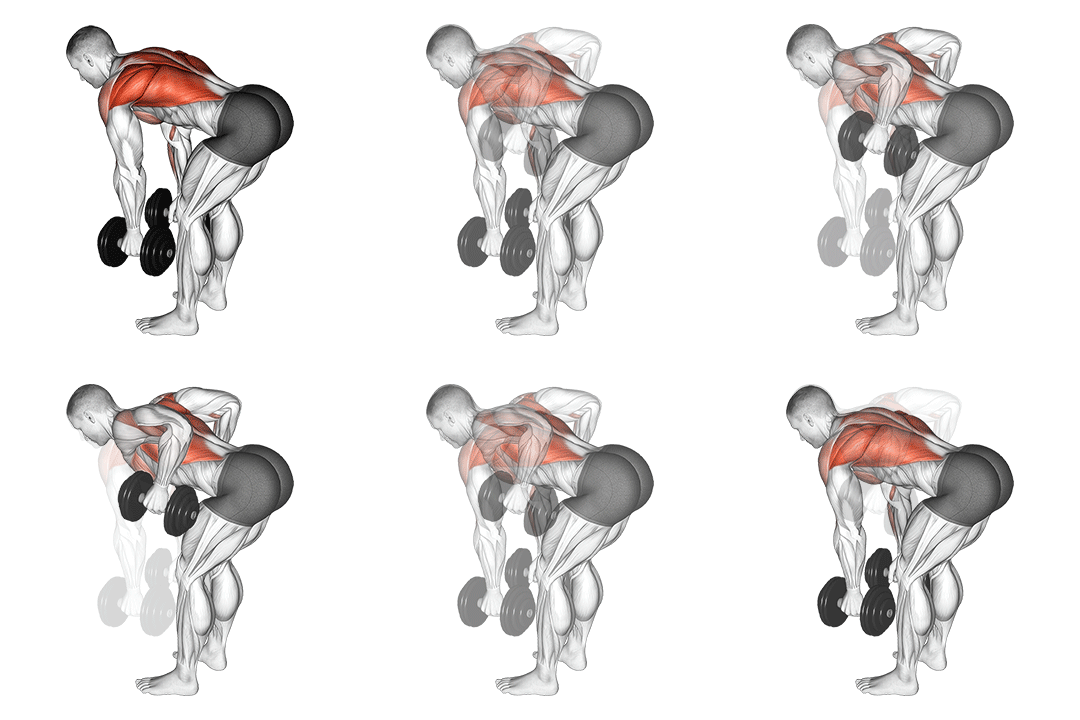
More comparisons with Dumbbell One Arm Bent-over Row
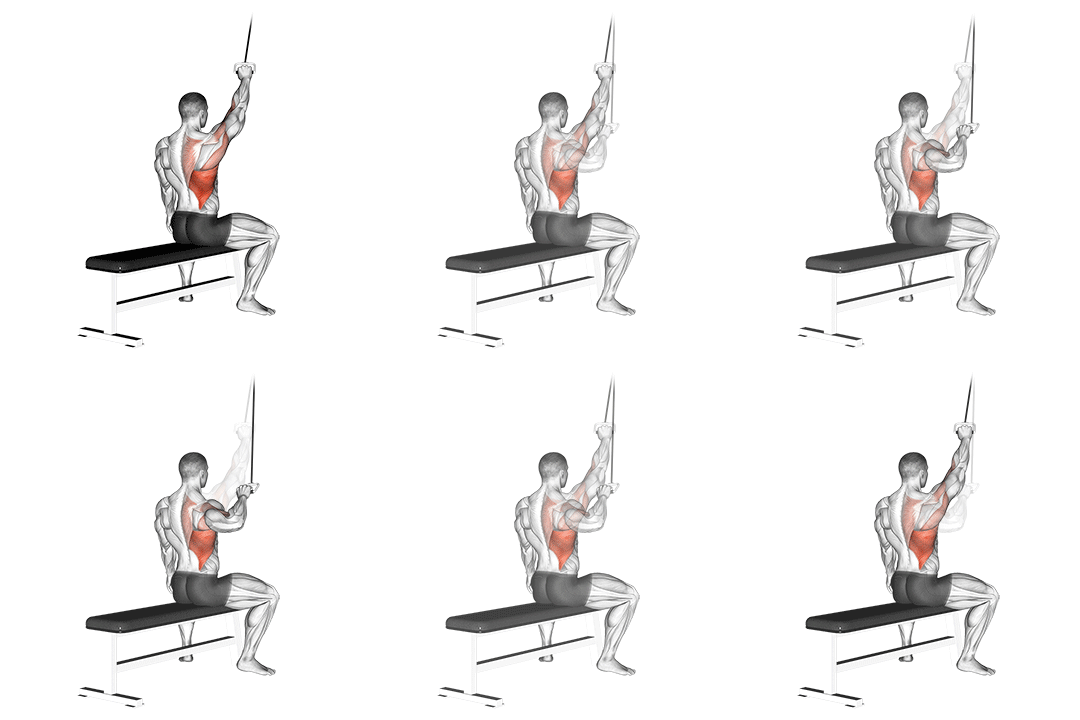
More comparisons with One-arm Dumbbell Row
Compare More Exercises
Use our free comparison tool to analyze any two exercises head-to-head.
Compare Exercises