

Dumbbell One Arm Chest Fly On Exercise Ball vs Incline Cable Flye: Complete Comparison Guide
Dumbbell One Arm Chest Fly On Exercise Ball vs Incline Cable Flye — two isolation moves that both target the pectorals but do it very differently. If you want clear guidance on which to pick, you’re in the right place. I’ll break down primary muscle activation, secondary recruitment, equipment needs, difficulty and injury risk, plus when to use each exercise for hypertrophy, stability, or rehab. You’ll get specific technique cues, rep ranges (6–12 and 8–15 recommendations), and biomechanics explanations so you can choose the exercise that fits your goals and setup.
Exercise Comparison
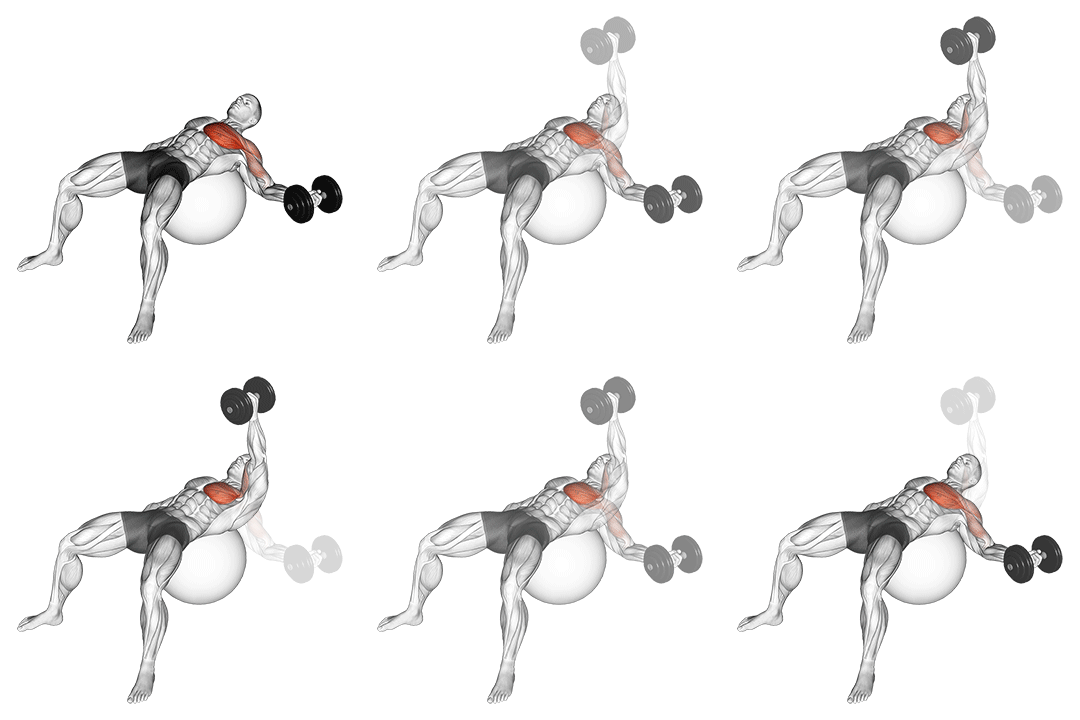
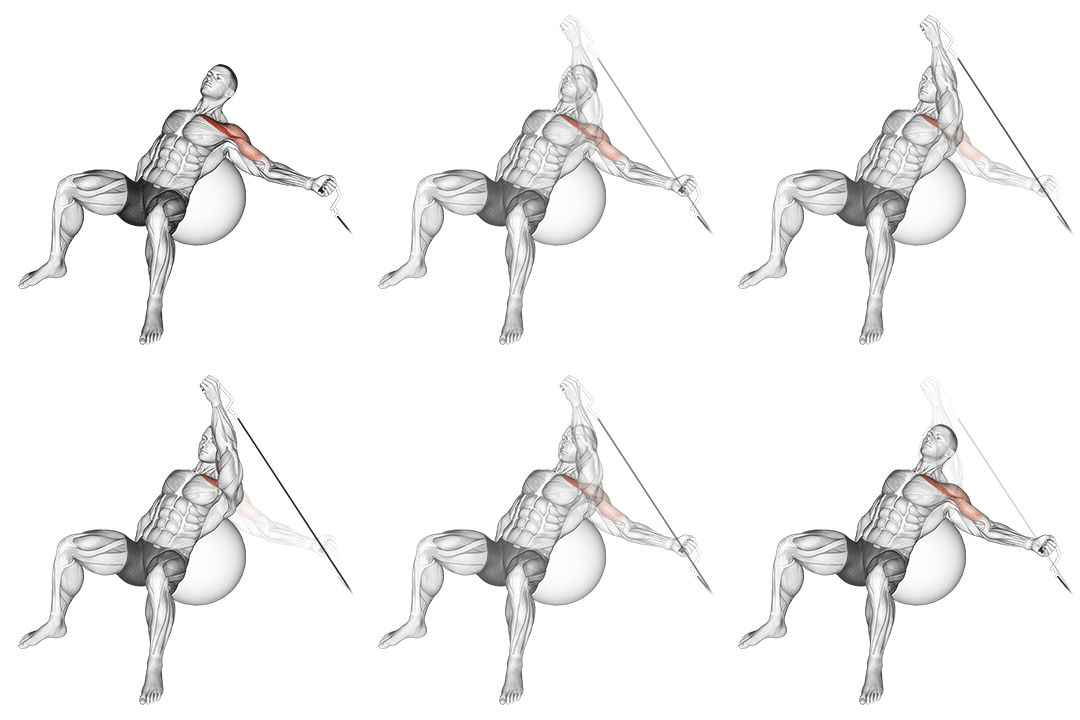
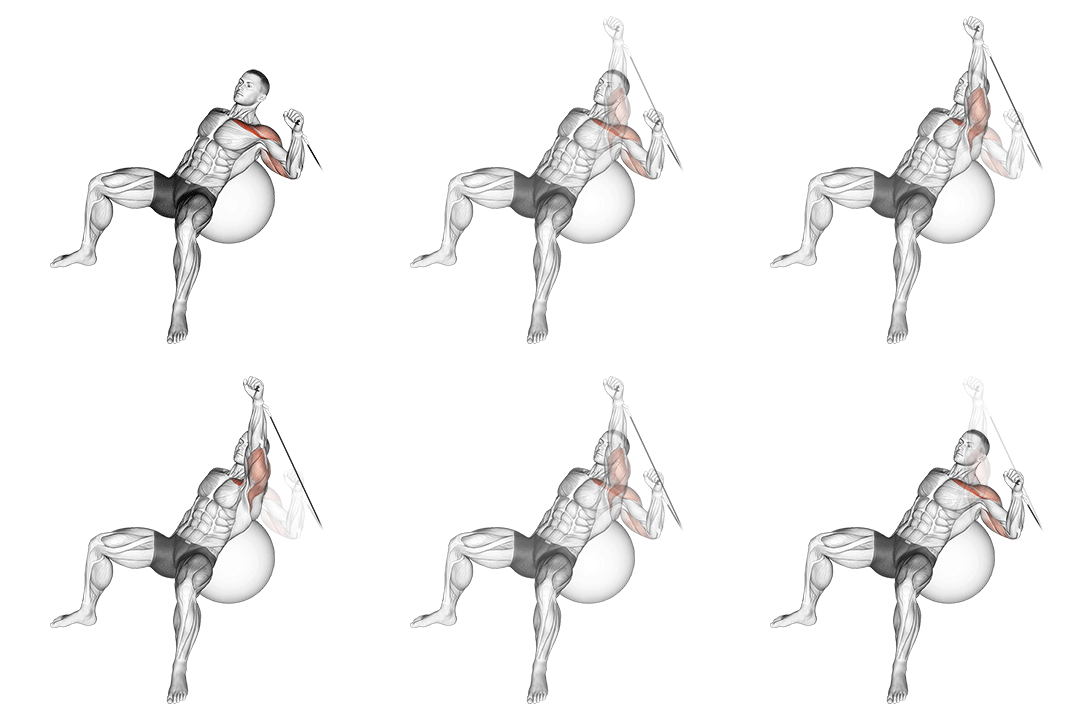
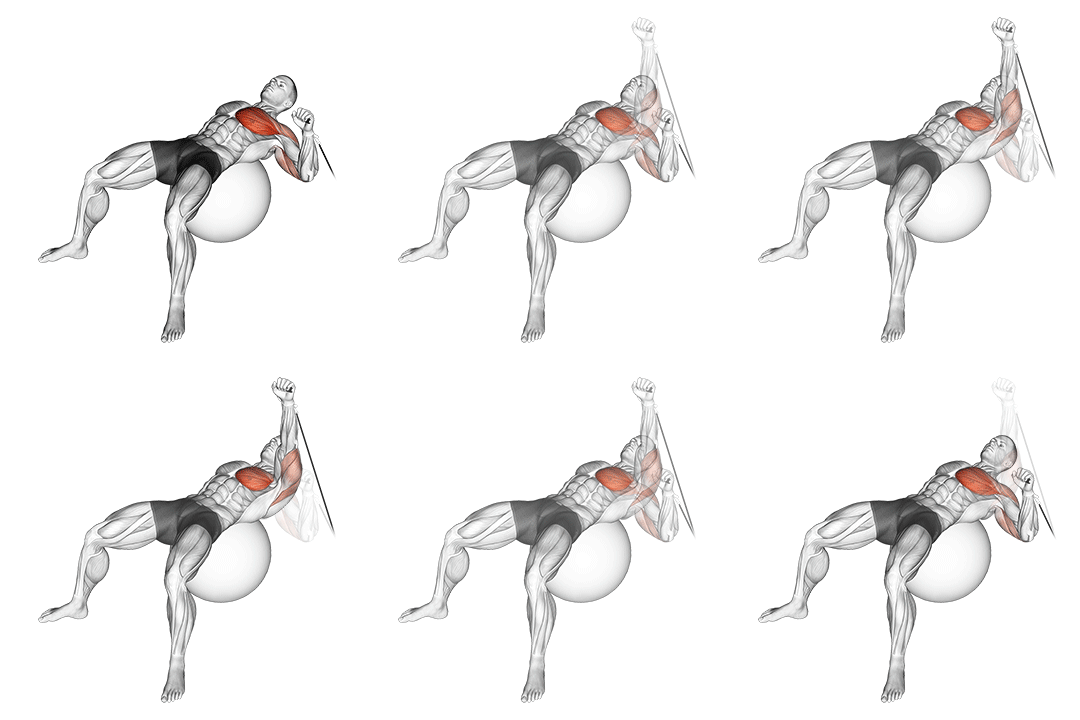
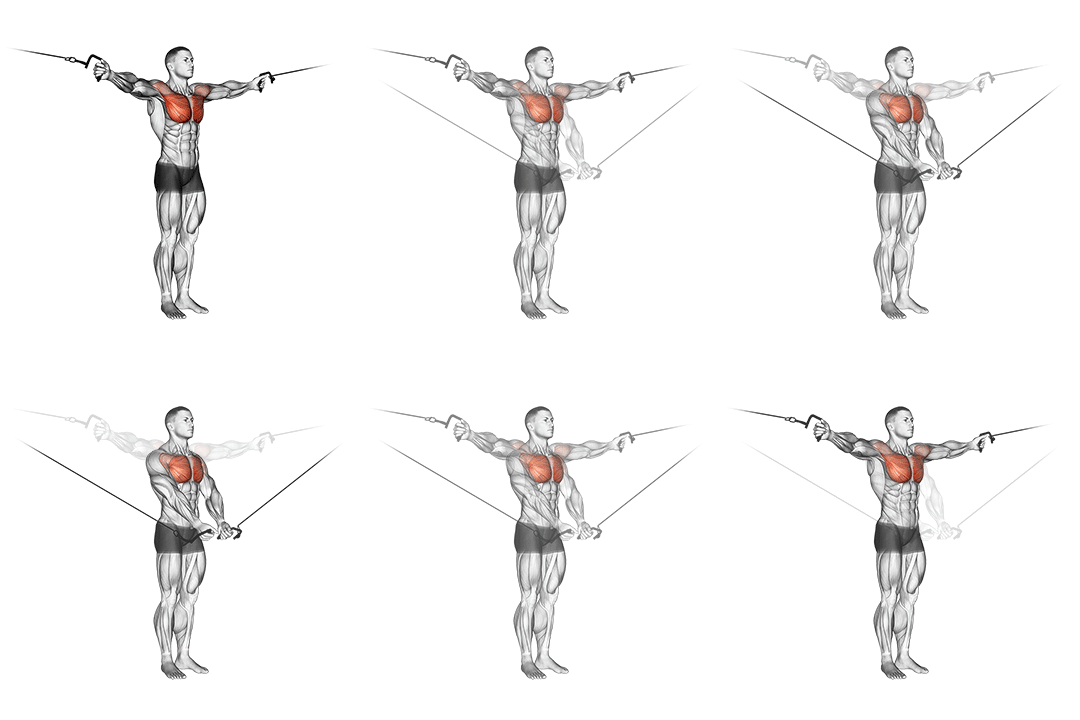
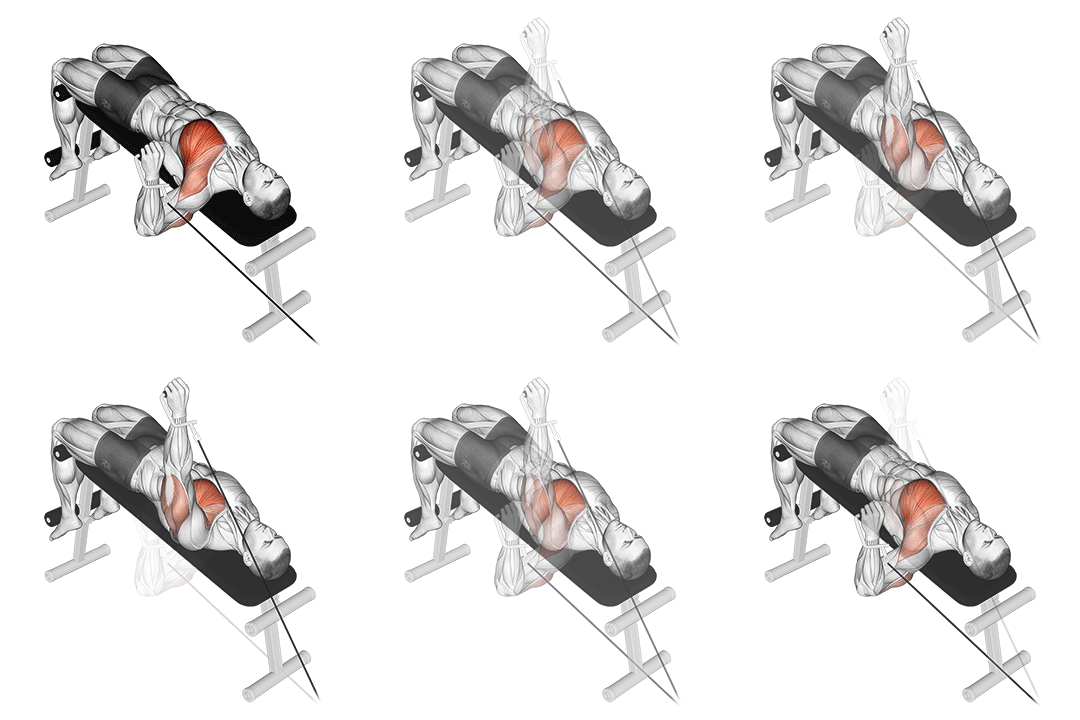
Dumbbell One Arm Chest Fly On Exercise Ball
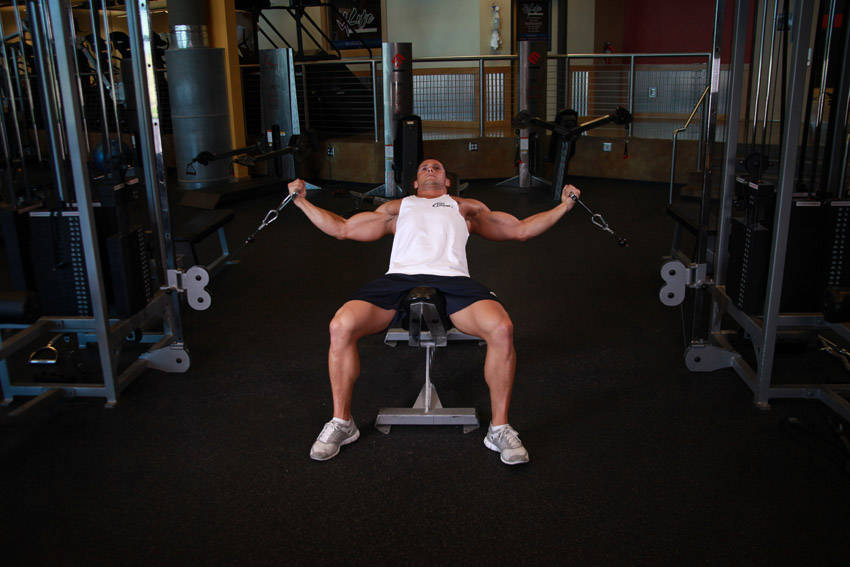
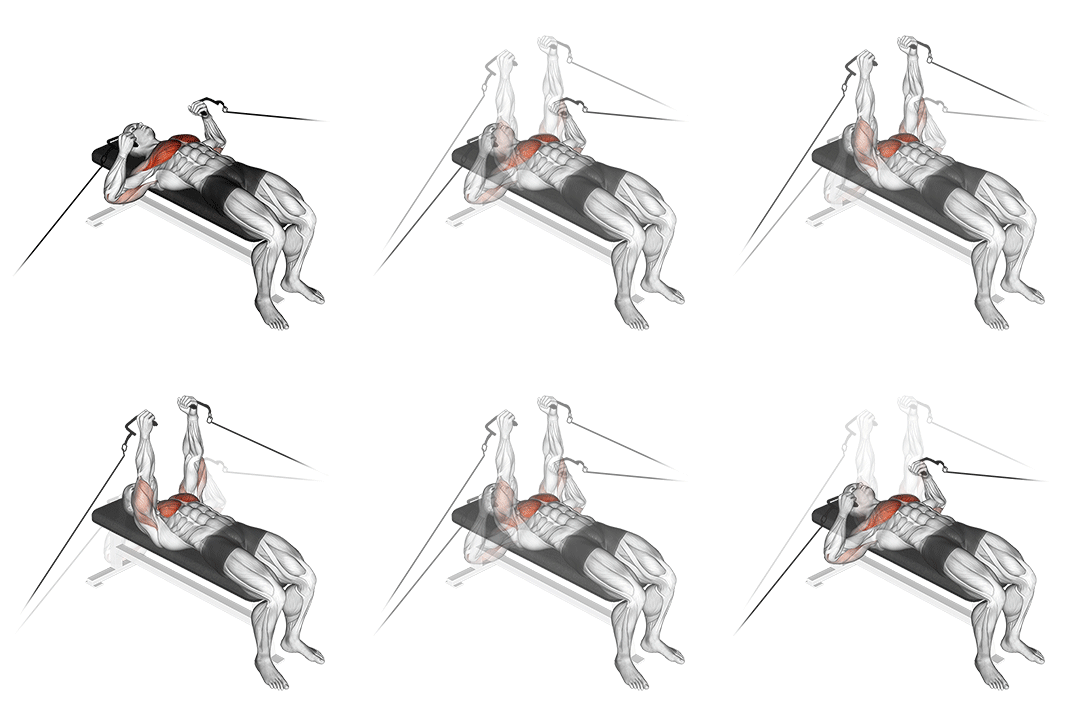
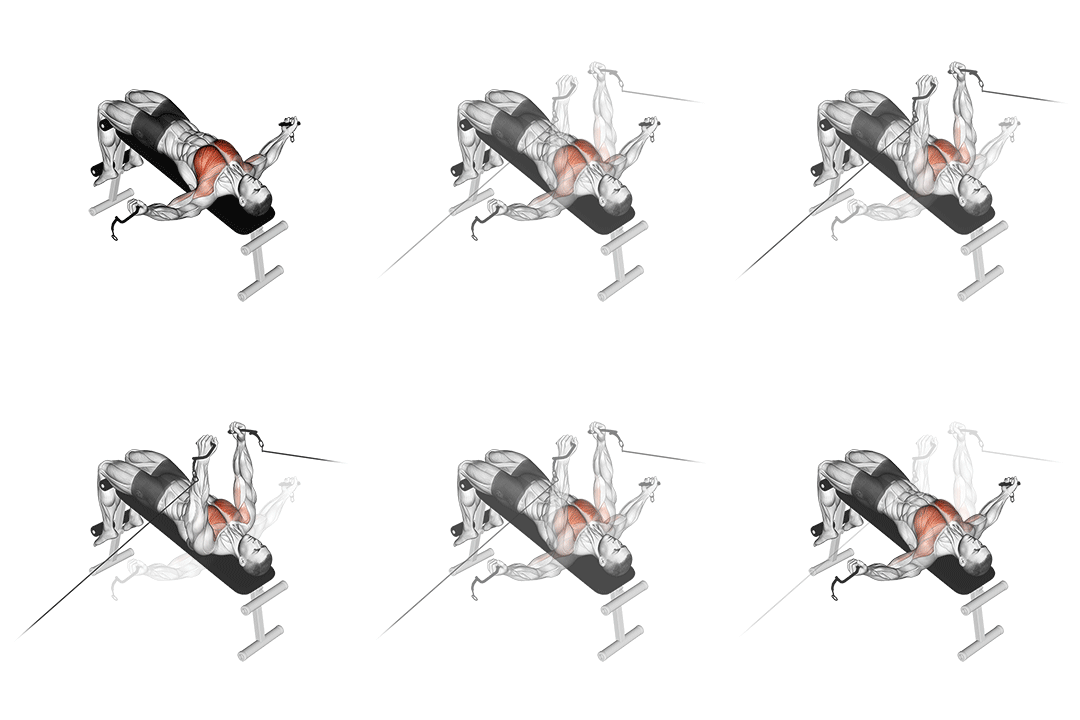
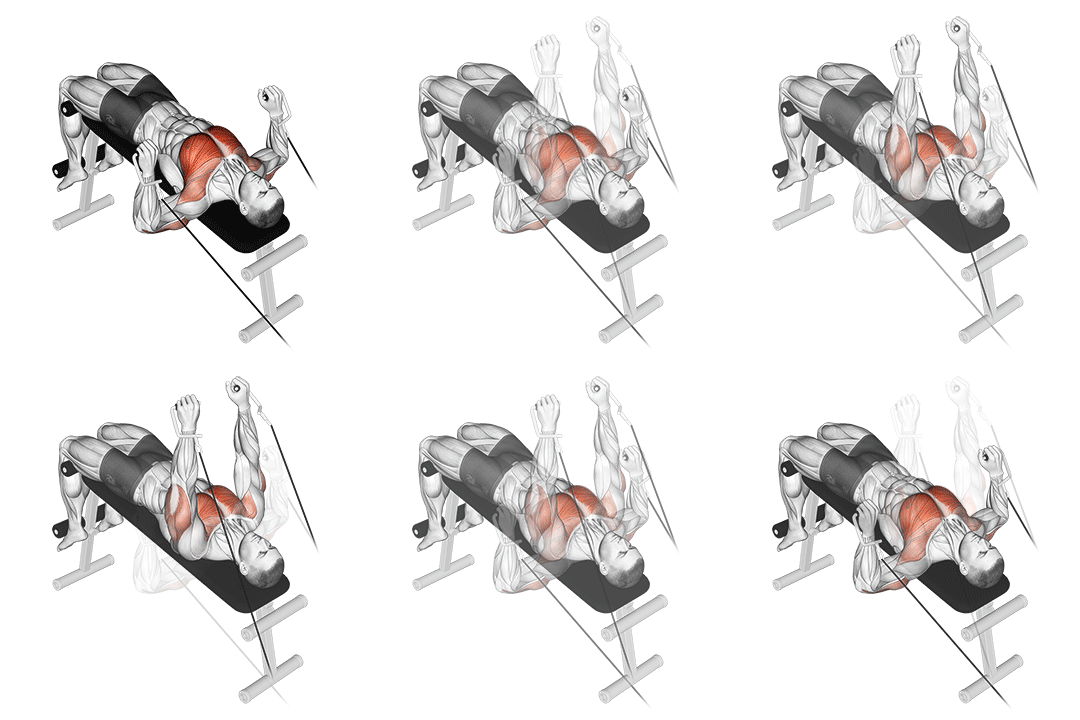
Incline Cable Flye
Head-to-Head Comparison
| Attribute | Dumbbell One Arm Chest Fly On Exercise Ball | Incline Cable Flye |
|---|---|---|
| Target Muscle |
Pectorals
|
Pectorals
|
| Body Part |
Chest
|
Chest
|
| Equipment |
Stability-ball
|
Cable
|
| Difficulty |
Advanced
|
Beginner
|
| Movement Type |
Isolation
|
Isolation
|
| Secondary Muscles |
2
|
1
|
Secondary Muscles Activated
Dumbbell One Arm Chest Fly On Exercise Ball
Incline Cable Flye
Visual Comparison
Overview
Dumbbell One Arm Chest Fly On Exercise Ball vs Incline Cable Flye — two isolation moves that both target the pectorals but do it very differently. If you want clear guidance on which to pick, you’re in the right place. I’ll break down primary muscle activation, secondary recruitment, equipment needs, difficulty and injury risk, plus when to use each exercise for hypertrophy, stability, or rehab. You’ll get specific technique cues, rep ranges (6–12 and 8–15 recommendations), and biomechanics explanations so you can choose the exercise that fits your goals and setup.
Key Differences
- Equipment differs: Dumbbell One Arm Chest Fly On Exercise Ball uses Stability-ball, while Incline Cable Flye requires Cable.
- Difficulty levels differ: Dumbbell One Arm Chest Fly On Exercise Ball is advanced, while Incline Cable Flye is beginner.
Pros & Cons
Dumbbell One Arm Chest Fly On Exercise Ball
+ Pros
- High unilateral core and rotator-cuff demand for stability and symmetry
- Deeper eccentric stretch that leverages length–tension for hypertrophy
- Minimal equipment: one dumbbell and stability ball
- Improves balance and anti-rotation strength alongside chest work
− Cons
- Advanced skill; balance limits load more than chest strength
- Higher risk of losing position and straining the anterior shoulder
- Harder to progressively overload precisely compared with cables
Incline Cable Flye
+ Pros
- Constant tension through full ROM promotes steady time under tension
- Easy to fine-tune angle (30–45°) to emphasize upper pec fibers
- Simple progression with small weight increments on cables
- Beginner-friendly setup with minimal balance requirement
− Cons
- Lower core and unilateral stability demand
- Slightly greater anterior deltoid assistance at common inclines
- Requires access to a cable machine and adjustable bench
When Each Exercise Wins
The cable’s constant tension and easy progressive overload make it superior for accumulating total time under tension and reps (8–15). The adjustable incline lets you bias the clavicular head for targeted upper-pec development more safely.
While both are isolation moves, cables allow consistent loading and microloading which supports incremental strength and capacity increases; dumbbell one-arm fly is limited by balance and is less effective for pure load progression.
Cable flyes require less core stability and are easier to cue: set bench to 30–45°, pinch scapulae, keep 10–20° elbow bend. That simplicity reduces technique errors and lowers injury risk for novices.
If you lack a cable station, a dumbbell and stability ball let you train the chest effectively and add core work. The exercise also improves unilateral control and can be modified for difficulty by changing ball stability or load.
Frequently Asked Questions
Can I do both Dumbbell One Arm Chest Fly On Exercise Ball and Incline Cable Flye in the same workout?
Yes — pair them strategically. Start with Incline Cable Flye for heavy, controlled sets (8–12 reps) to prioritize hypertrophy, then use the dumbbell one-arm fly as a unilateral finisher for 10–15 controlled reps to tax stability and correct asymmetries.
Which exercise is better for beginners?
Incline Cable Flye is better for beginners because it removes the balance component and lets you focus on scapular control and even loading. Keep the bench at 30–45°, retract the scapula, and maintain a 10–20° elbow bend to protect the shoulder.
How do the muscle activation patterns differ?
Cables maintain a near-constant lateral force vector, producing steady activation across concentric and eccentric phases; the ball fly introduces shifts in torso position and an extended eccentric stretch that increases passive tension and core recruitment. Expect higher core and rotator-cuff activation with the stability-ball version.
Can Incline Cable Flye replace Dumbbell One Arm Chest Fly On Exercise Ball?
Yes for most hypertrophy and strength-focused plans since cable flyes are easier to overload and control. However, if your goal includes unilateral stability, core integration, or correcting side-to-side imbalances, keep the dumbbell ball fly in rotation.
Expert Verdict
If your goal is repeatable hypertrophy and precise progressive overload, the Incline Cable Flye wins: it provides constant tension, easy angle adjustments (30–45°) to target the upper pec, and microloading for steady progress. Choose the Dumbbell One Arm Chest Fly On Exercise Ball when you want unilateral corrective work, added core and rotator-cuff challenge, or a home-friendly option — but accept the trade-off that balance limits maximal loading. Use the cable fly for volume-heavy cycles (8–15 reps, 3–5 sets) and the dumbbell ball fly as an accessory for stability, symmetry work, or metabolic finishers (10–20 reps, controlled tempo).
Also Compare
More comparisons with Dumbbell One Arm Chest Fly On Exercise Ball
Compare More Exercises
Use our free comparison tool to analyze any two exercises head-to-head.
Compare Exercises