

Elliptical Trainer vs Recumbent Bike: Complete Comparison Guide
Elliptical Trainer vs Recumbent Bike — if you want efficient, low-impact cardio that targets the quads, these two machines are top choices. I’ll walk you through how each loads the quads, how the hips and knees share the work, equipment and space needs, progression paths, and injury considerations. You’ll get clear technique cues, biomechanical reasons for differences (force vectors, length–tension and joint angles), and practical recommendations so you can pick the right machine for muscle development, endurance, or rehab.
Exercise Comparison
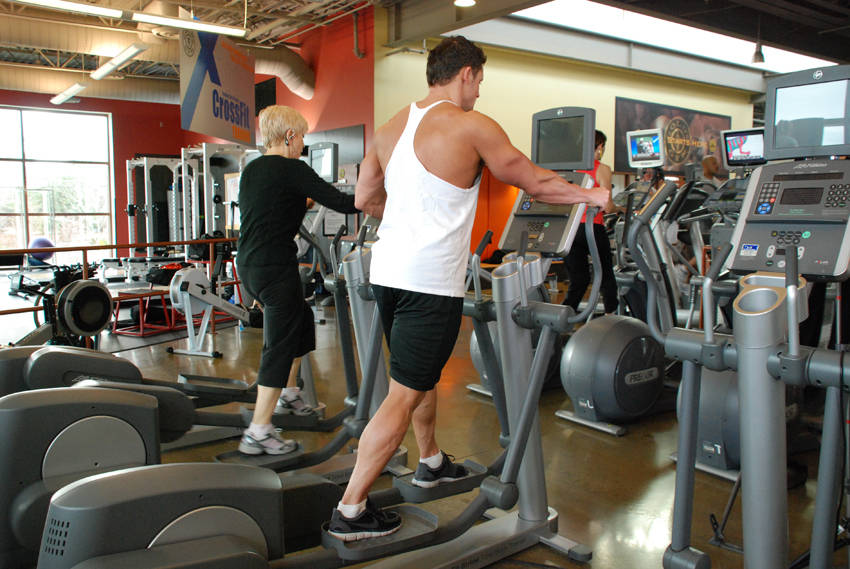
Elliptical Trainer
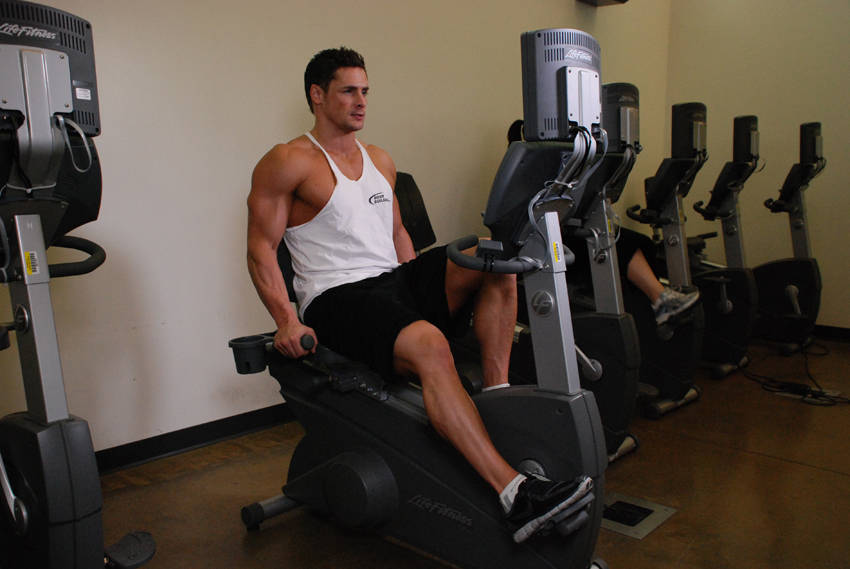
Recumbent Bike
Head-to-Head Comparison
| Attribute | Elliptical Trainer | Recumbent Bike |
|---|---|---|
| Target Muscle |
Quads
|
Quads
|
| Body Part |
Cardio
|
Cardio
|
| Equipment |
Machine
|
Machine
|
| Difficulty |
Beginner
|
Beginner
|
| Movement Type |
Compound
|
Compound
|
| Secondary Muscles |
3
|
3
|
Secondary Muscles Activated
Elliptical Trainer
Recumbent Bike
Visual Comparison
Overview
Elliptical Trainer vs Recumbent Bike — if you want efficient, low-impact cardio that targets the quads, these two machines are top choices. I’ll walk you through how each loads the quads, how the hips and knees share the work, equipment and space needs, progression paths, and injury considerations. You’ll get clear technique cues, biomechanical reasons for differences (force vectors, length–tension and joint angles), and practical recommendations so you can pick the right machine for muscle development, endurance, or rehab.
Key Differences
- Both exercises target the Quads using Machine. The main differences are in their movement patterns and muscle activation angles.
Pros & Cons
Elliptical Trainer
+ Pros
- Higher glute and hamstring recruitment thanks to hip-extension demands
- More progression options: incline, stride variability, forward/backward pedaling
- Full-body option if using moving handles — adds upper-body engagement
- Low-impact, weight-bearing pattern that trains balance and coordination
− Cons
- Larger footprint and often higher cost
- Requires more coordination; steeper learning curve for some users
- Can load knees or hips if resistance and posture are poorly managed
Recumbent Bike
+ Pros
- Very accessible for beginners and rehab clients due to back support
- Compact footprint and generally lower cost
- Low perceived exertion for steady-state work; easy to control intensity
- Minimal balance requirement reduces fall risk
− Cons
- Less hip-extension and posterior chain stimulus
- Fewer progression options beyond resistance and cadence
- Seated position reduces core and balance challenge
When Each Exercise Wins
Elliptical engages quads plus more glute and hamstring work due to combined knee and hip extension, creating higher overall leg workload. Use intervals with high resistance and 30–90 second efforts to elevate time under tension and metabolic stress for muscle growth.
The elliptical allows greater hip-extension torque and loading patterns closer to standing strength movements, so you can progressively increase resistance and emphasize force vectors that transfer to lifts. Focus on short high-resistance intervals and single-leg emphasis to increase force output.
Seated support and simplified motion make the recumbent bike easier to start with, especially for those with back pain or limited balance. You can build cardio base and quad endurance safely before advancing to more complex machines.
Smaller footprint, lower noise and easier entry make recumbent bikes a better fit for many homes. They still provide effective quad-focused cardio with simple maintenance and lower upfront technique coaching.
Frequently Asked Questions
Can I do both Elliptical Trainer and Recumbent Bike in the same workout?
Yes. Pairing them is a smart strategy: use the recumbent bike for a 10–20 minute steady warm-up to prime the quads, then move to the elliptical for 15–25 minutes of higher-resistance intervals to load the hips and glutes. Keep total session time and perceived effort within your plan to avoid overuse.
Which exercise is better for beginners?
Recumbent Bike is better for most beginners because the seated, back-supported position reduces balance and lower-back demands. It lets you safely build cadence, quad endurance and cardiovascular fitness before advancing to the coordination and hip-loading of an elliptical.
How do the muscle activation patterns differ?
Elliptical movement produces a combined knee- and hip-extension pattern that spreads work across quads, glutes and hamstrings with a ~45–60° stride arc, increasing posterior chain EMG. Recumbent cycling creates a shorter crank power phase focused on knee extension, concentrating load on the quadriceps with less hip extensor torque.
Can Recumbent Bike replace Elliptical Trainer?
Recumbent bikes can replace ellipticals if your primary aim is safe, low-impact cardiovascular work or quad endurance. If you need greater posterior chain stimulus, higher force production or standing-style conditioning, the elliptical is the better choice; the recumbent will not fully replicate hip-extension loading.
Expert Verdict
Pick the elliptical if your goal is to maximize leg workload and recruit the posterior chain alongside the quads. Its mixed hip-and-knee torque, ability to change stride mechanics, and upper-body handles let you progress with higher resistance, incline-like patterns and interval work for muscle growth and strength-oriented conditioning. Choose the recumbent bike if you need the safest, most accessible option for beginners, rehab or low-back concerns — it isolates quad work, conserves energy for longer steady states, and fits smaller spaces. For balanced programming, start on a recumbent to build capacity, then introduce the elliptical for higher-demand sessions.
Also Compare
More comparisons with Elliptical Trainer

Compare More Exercises
Use our free comparison tool to analyze any two exercises head-to-head.
Compare Exercises