

Elliptical Trainer vs Running, Treadmill: Complete Comparison Guide
Elliptical Trainer vs Running, Treadmill — you probably want the fastest way to build quad strength, burn calories, or protect your joints. I’ll break down how each machine loads your quads, calves, glutes, and hamstrings, the biomechanics behind movement patterns, equipment needs, injury risk, and clear scenarios for choosing one over the other. Read on for practical technique cues, specific progression tips (intervals, incline, resistance ranges), and a decisive verdict so you can pick the tool that fits your goals and schedule.
Exercise Comparison
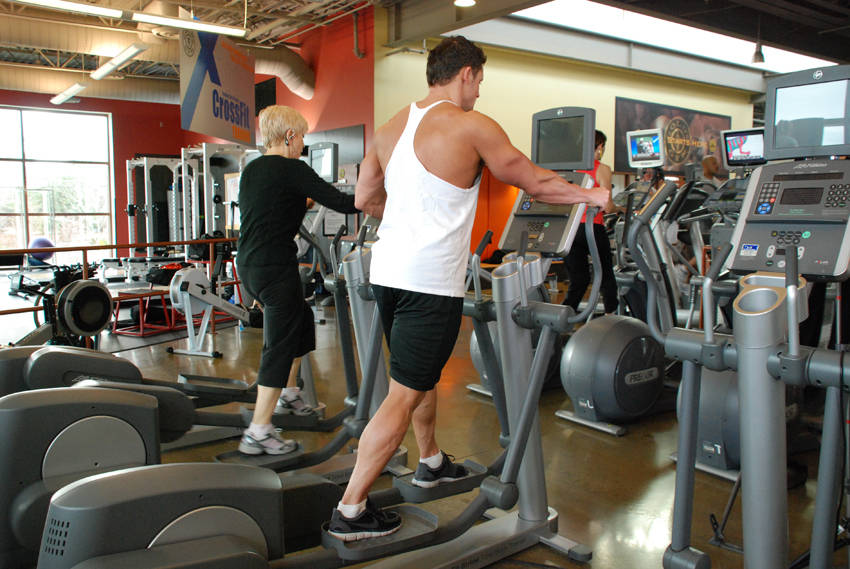
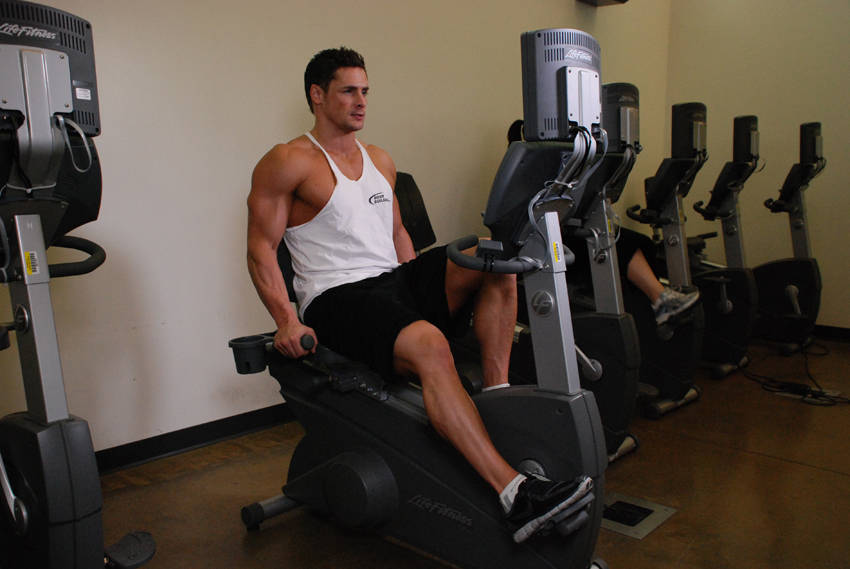
Elliptical Trainer
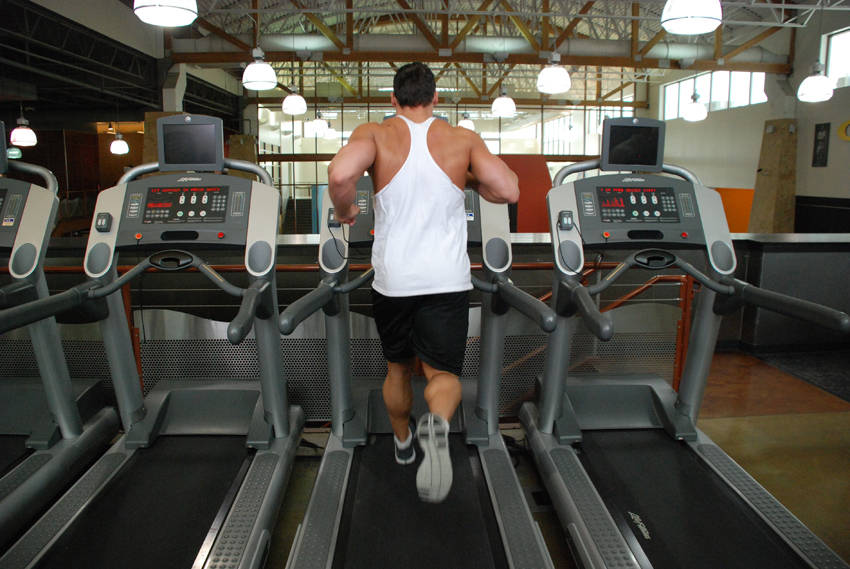
Running, Treadmill
Head-to-Head Comparison
| Attribute | Elliptical Trainer | Running, Treadmill |
|---|---|---|
| Target Muscle |
Quads
|
Quads
|
| Body Part |
Cardio
|
Cardio
|
| Equipment |
Machine
|
Machine
|
| Difficulty |
Beginner
|
Beginner
|
| Movement Type |
Compound
|
Compound
|
| Secondary Muscles |
3
|
3
|
Secondary Muscles Activated
Elliptical Trainer
Running, Treadmill
Visual Comparison
Overview
Elliptical Trainer vs Running, Treadmill — you probably want the fastest way to build quad strength, burn calories, or protect your joints. I’ll break down how each machine loads your quads, calves, glutes, and hamstrings, the biomechanics behind movement patterns, equipment needs, injury risk, and clear scenarios for choosing one over the other. Read on for practical technique cues, specific progression tips (intervals, incline, resistance ranges), and a decisive verdict so you can pick the tool that fits your goals and schedule.
Key Differences
- Both exercises target the Quads using Machine. The main differences are in their movement patterns and muscle activation angles.
Pros & Cons
Elliptical Trainer
+ Pros
- Low-impact cardio that reduces peak ground reaction forces by up to 50% compared with running
- Smooth concentric loading ideal for joint rehab and controlled quad work
- Easy to scale intensity using resistance or cadence without changing joint loading patterns
- Reverse stride option targets hamstrings and glutes more directly
− Cons
- Lower peak power output limits maximal sprint-style conditioning
- Some models have fixed stride lengths that may not suit taller users
- Reduced eccentric stimulus can limit transfer to activities that require rapid deceleration
Running, Treadmill
+ Pros
- High peak forces and stretch-shortening cycles that improve power and running economy
- Versatile progression via speed, incline (1–15%), and sprint intervals
- Direct transfer to outdoor running and sport-specific movement
- Simple setup for varied conditioning: tempo runs, hill repeats, and fartlek sessions
− Cons
- Higher impact and injury risk from repeated ground contact
- Requires greater motor control and balance at high speeds
- Harder on joints for those with knee, hip, or lower-back issues
When Each Exercise Wins
Treadmill intervals, incline work, and loaded sprinting create higher peak forces and eccentric stress, which drive greater mechanical tension and muscle remodeling. Use hill repeats and controlled downhill or eccentric-favoring sessions to stimulate quad and hamstring hypertrophy.
Strength progress requires high force and rate of force development; sprinting and incline sprints on a treadmill produce greater ground reaction forces and neuromuscular recruitment than typical elliptical resistance levels.
The elliptical guides movement, lowers balance demands, and eliminates impact, making it safer for untrained users to build duration and intensity without acute joint stress. Start with 20–30 minute sessions at moderate resistance (RPE 5–6) to build a base.
Compact ellipticals fit smaller spaces, reduce noise, and minimize joint stress at home; if space and budget allow, a treadmill with incline is versatile, but ellipticals are generally more practical for low-impact daily training.
Frequently Asked Questions
Can I do both Elliptical Trainer and Running, Treadmill in the same workout?
Yes — combine them strategically: use 15–20 minutes on the elliptical for a low-impact warm-up, then 15–20 minutes of treadmill intervals for high-quality force work. That sequence preserves neuromuscular freshness for sprints while limiting total impact.
Which exercise is better for beginners?
Elliptical Trainer is generally better for beginners because it reduces balance demands and impact, letting you build aerobic base and consistent quad activation with less injury risk. Progress cadence and resistance before adding high-speed treadmill sessions.
How do the muscle activation patterns differ?
Treadmill running has pronounced eccentric then concentric phases with high peak knee and hip torques, engaging stretch-shortening reflexes. The elliptical provides smoother, lower-rate-of-force development concentric work, keeping muscle fibers at more constant lengths and reducing eccentric peaks.
Can Running, Treadmill replace Elliptical Trainer?
Yes, but only if you can tolerate the impact and want higher force exposure; a treadmill can replace an elliptical for conditioning and strength if you manage load with proper footwear, form, and progressive volume. If you need low-impact training, the elliptical remains the better choice.
Expert Verdict
Choose the treadmill if your priority is maximal muscle stimulus, strength, and sport transfer: speed, incline, and sprint intervals provide higher peak forces and eccentric loading that stimulate muscle remodeling. Choose the elliptical if you need low-impact conditioning, are rehabbing an injury, or want consistent concentric quad work with less joint stress. For balanced progress, alternate: use the elliptical for base aerobic blocks and recovery sessions, and use the treadmill for high-intensity intervals and incline efforts 1–2 times weekly to drive force and power adaptations.
Also Compare
More comparisons with Elliptical Trainer
Compare More Exercises
Use our free comparison tool to analyze any two exercises head-to-head.
Compare Exercises