

Elliptical Trainer vs Semi Squat Jump (male): Complete Comparison Guide
Elliptical Trainer vs Semi Squat Jump (male) — you’re comparing two quad-focused cardio options that load your legs very differently. I’ll walk you through muscle activation, biomechanics, equipment needs, difficulty, injury risk, and which to pick for hypertrophy, strength, or convenience. Expect specific technique cues (knee angles, cadence, landing mechanics), measurable progression strategies (resistance, reps, sets, intervals), and clear winners for common goals so you can choose the best option for your training plan.
Exercise Comparison
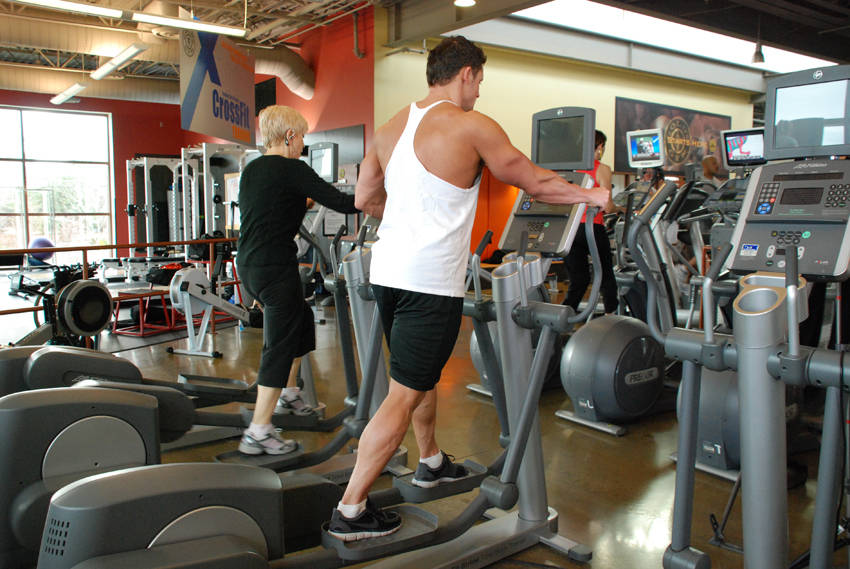
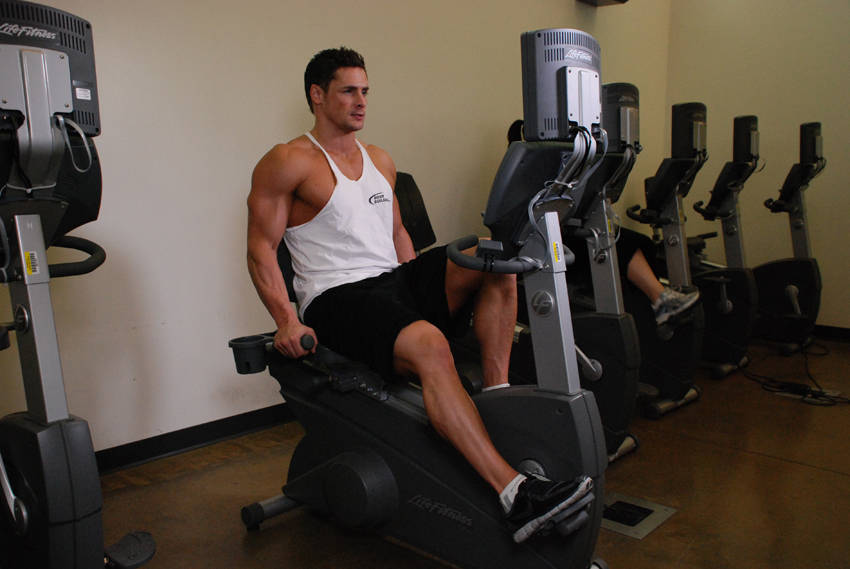
Elliptical Trainer
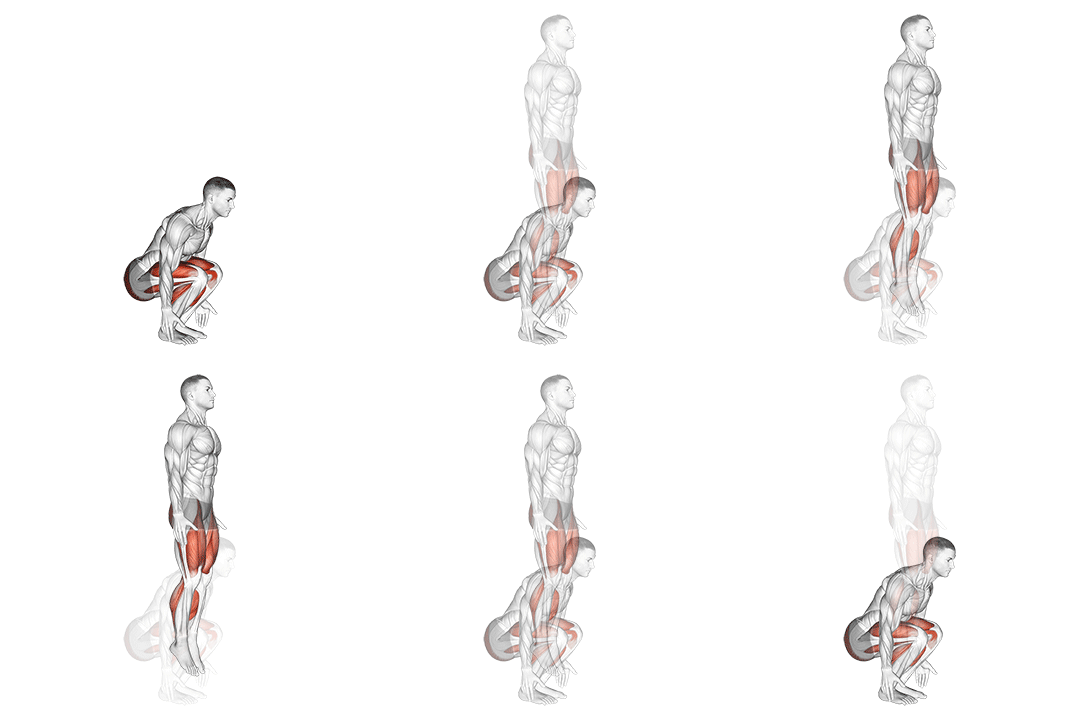
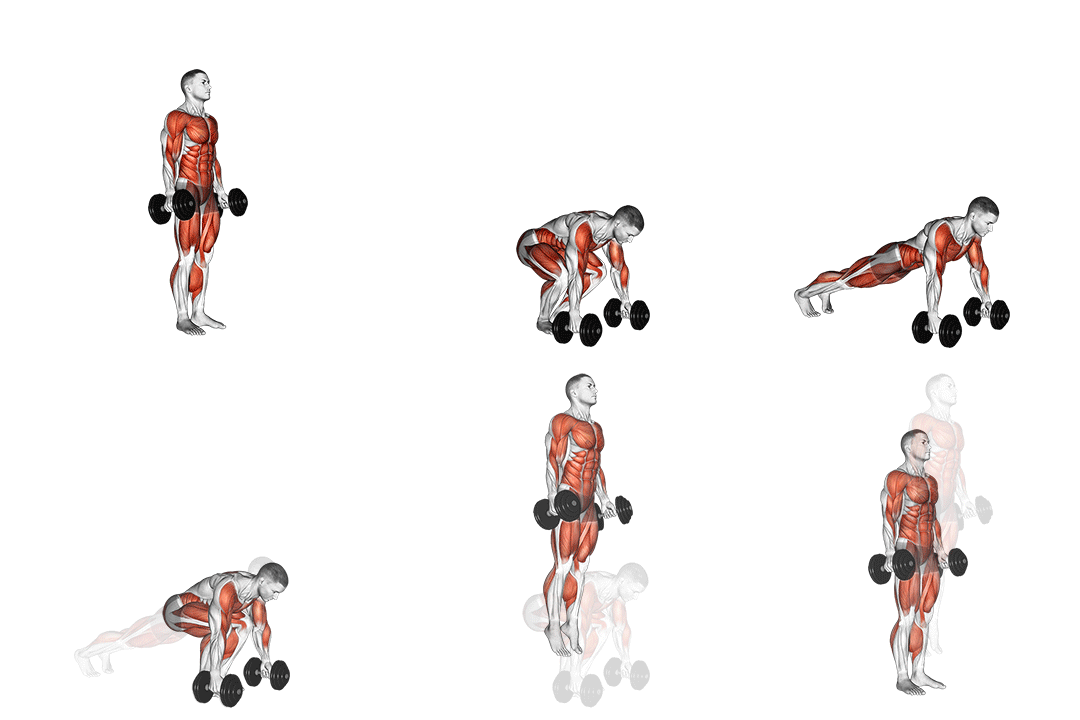
Semi Squat Jump (male)
Head-to-Head Comparison
| Attribute | Elliptical Trainer | Semi Squat Jump (male) |
|---|---|---|
| Target Muscle |
Quads
|
Quads
|
| Body Part |
Cardio
|
Cardio
|
| Equipment |
Machine
|
Body-weight
|
| Difficulty |
Beginner
|
Intermediate
|
| Movement Type |
Compound
|
Compound
|
| Secondary Muscles |
3
|
3
|
Secondary Muscles Activated
Elliptical Trainer
Semi Squat Jump (male)
Visual Comparison
Overview
Elliptical Trainer vs Semi Squat Jump (male) — you’re comparing two quad-focused cardio options that load your legs very differently. I’ll walk you through muscle activation, biomechanics, equipment needs, difficulty, injury risk, and which to pick for hypertrophy, strength, or convenience. Expect specific technique cues (knee angles, cadence, landing mechanics), measurable progression strategies (resistance, reps, sets, intervals), and clear winners for common goals so you can choose the best option for your training plan.
Key Differences
- Equipment differs: Elliptical Trainer uses Machine, while Semi Squat Jump (male) requires Body-weight.
- Difficulty levels differ: Elliptical Trainer is beginner, while Semi Squat Jump (male) is intermediate.
Pros & Cons
Elliptical Trainer
+ Pros
- Low-impact cardio that protects joints
- Adjustable resistance and stride for progressive overload
- Sustained quad loading for metabolic stress and time-under-tension
- Beginner-friendly with minimal technical demand
− Cons
- Lower peak quad activation and less eccentric overload than plyos
- Requires access to a machine and space
- Limited ability to train maximal power or RFD
Semi Squat Jump (male)
+ Pros
- High peak quad activation and powerful concentric outputs
- Improves rate of force development and explosive strength
- No equipment required — great for home or travel
- Easy to scale intensity via jump height, reps, or added load
− Cons
- Greater landing impact increases joint and tendon stress
- Requires solid technique to avoid knee valgus and poor landing mechanics
- Less total time-under-tension per rep for classic hypertrophy stimuli
When Each Exercise Wins
Use higher resistance and longer sets (3–5 sets of 8–20 minutes intervals or 12–20 RPE-controlled minutes) to create steady mechanical tension and metabolic stress across 30°–90° of knee flexion; this sustained load better supports quad hypertrophy with lower injury risk.
Explosive concentric forces and high ground reaction peaks increase neural drive and RFD, which transfer to strength and power; progress by adding load (vest) or depth and keeping sets low (3–6 sets of 4–8 reps) to emphasize force production.
Its guided, low-impact motion lets you control cadence and resistance while building cardiovascular capacity and quad endurance without complex landing mechanics or high impact.
No equipment needed and you can manipulate intensity via rep cadence, rest, and jump depth — perfect when you don’t have access to a machine.
Frequently Asked Questions
Can I do both Elliptical Trainer and Semi Squat Jump (male) in the same workout?
Yes — sequence matters. Do semi squat jumps early in the session to prioritize power (3–6 sets of 4–8 reps), then finish with 15–30 minutes on the elliptical at moderate resistance for quad endurance and metabolic conditioning.
Which exercise is better for beginners?
Elliptical Trainer is better for most beginners because it offers guided motion, adjustable resistance, and low impact; start with 20–30 minutes at a cadence that keeps knee flexion in the 30°–90° range and gradually increase resistance.
How do the muscle activation patterns differ?
The elliptical produces continuous concentric-driven activation with modest eccentric demand, favoring time-under-tension. Semi squat jumps use an eccentric braking phase followed by a high-power concentric push, creating short high-amplitude activation bursts and greater RFD.
Can Semi Squat Jump (male) replace Elliptical Trainer?
Only if your goals are power and short-duration conditioning; jumps won’t match the elliptical for long-duration metabolic work, controlled hypertrophy sets, or low-impact training. Combine both if you need cardio endurance and explosive strength.
Expert Verdict
Choose the elliptical when you want low-impact, controllable quad loading, steady-state metabolic work, or when you’re new to training or rehabbing an injury. Use resistance and interval structure to drive hypertrophy with lower joint stress. Choose semi squat jumps when your goal is strength, power, or time-efficient home training: the stretch-shortening cycle produces higher peak quad activation and RFD, which builds explosive strength. If you want both, alternate: use the elliptical for volume and recovery days and add 1–2 weekly plyometric sessions (3–6 sets of 4–8 jumps) for power — that balances safety, progression, and muscle adaptation.
Also Compare
More comparisons with Elliptical Trainer
Compare More Exercises
Use our free comparison tool to analyze any two exercises head-to-head.
Compare Exercises