Ez-bar Skullcrusher vs Triceps Overhead Extension With Rope

Compare target muscles, equipment, difficulty, movement type, and secondary muscles for Ez-bar Skullcrusher and Triceps Overhead Extension With Rope.

Change comparison Share

Get comparison link

Select the link and use your device's Copy command.

Comparison overview

AI-generated
EZ-Bar Skullcrusher vs Triceps Overhead Extension With Rope — if you're deciding which isolation move to add to your arm day, this guide has your back. You'll get clear, practical comparisons of mechanics, which triceps head each emphasizes, step-by-step technique cues (elbow tracking, wrist position, and ideal shoulder angle), recommended rep ranges (6–12 for heavier overload, 8–15 for hypertrophy, 12–20 for metabolic work), and how equipment and force vectors change muscle stress. Read on and I'll help you pick the exercise that matches your goals, equipment, and injury history.
Exercise Comparison

Exercise A
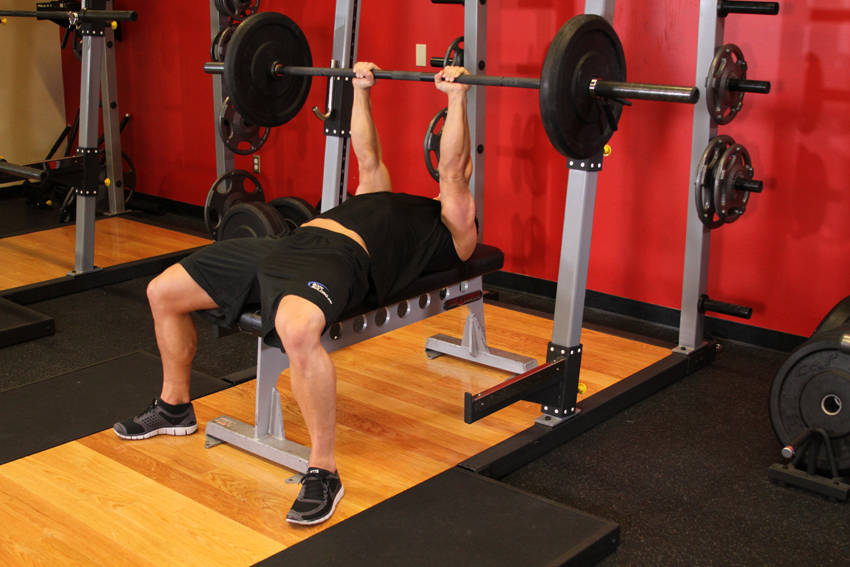
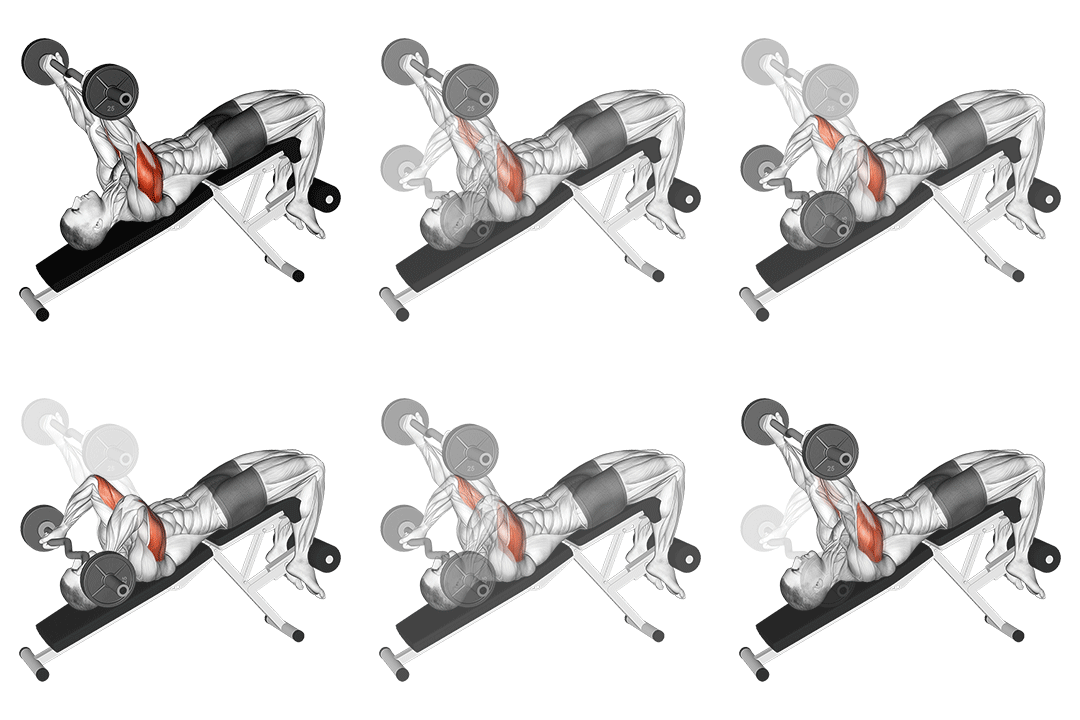
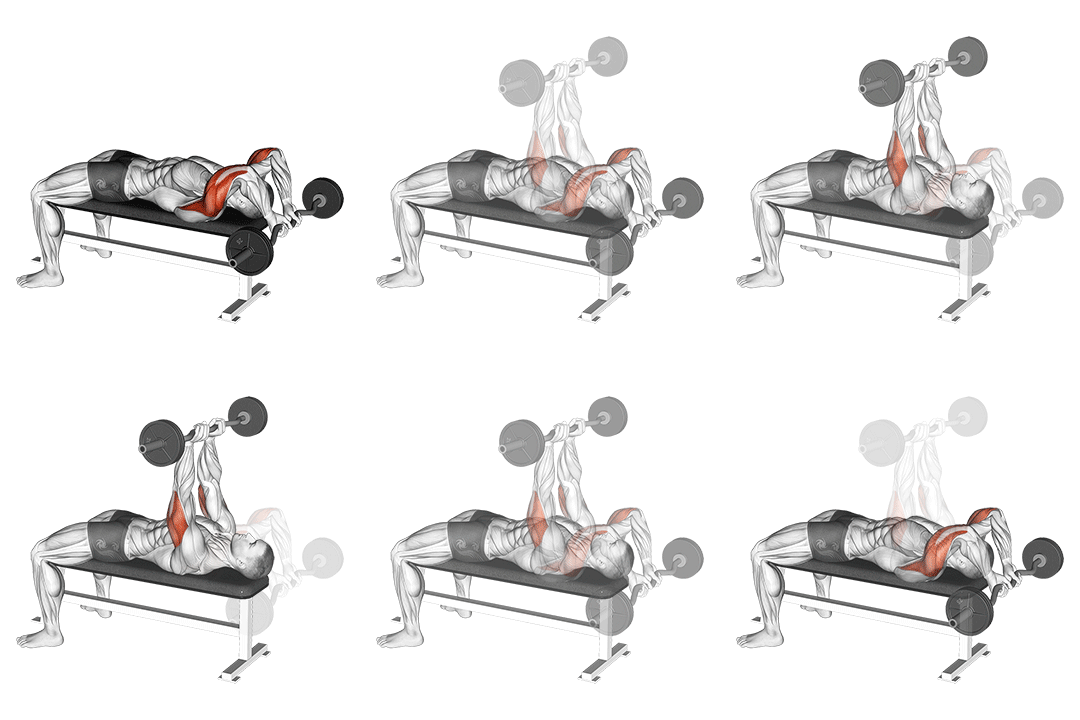
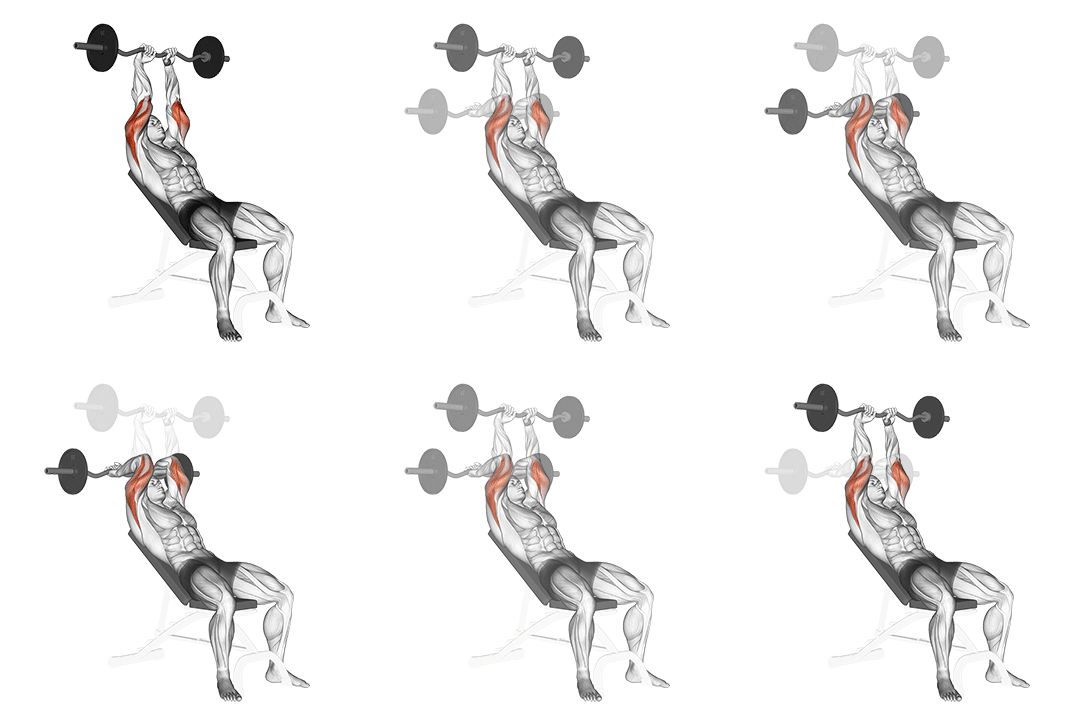
Ez-bar Skullcrusher demonstration

Ez-bar Skullcrusher

Target Triceps
Equipment Ez-barbell
Body Part Upper-arms
Difficulty Intermediate
Movement Isolation
Secondary Muscles
Forearms
VS
Exercise B
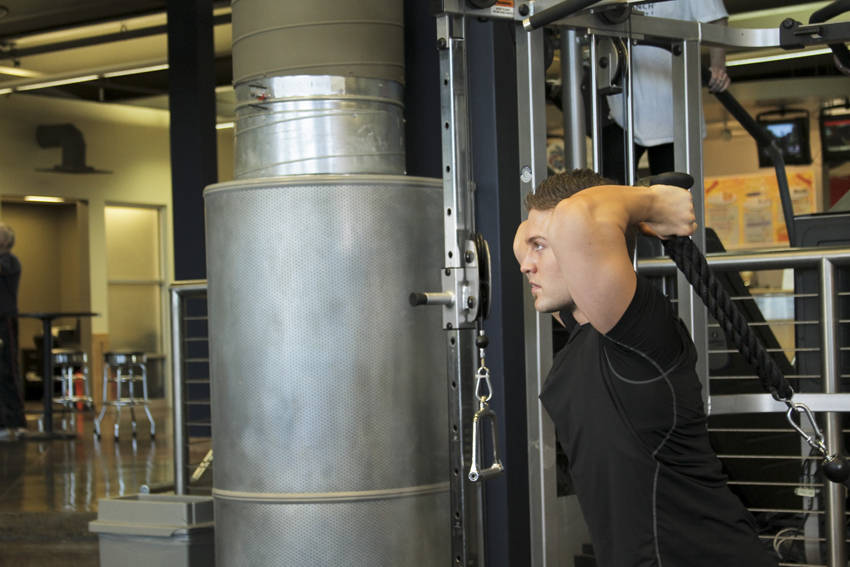
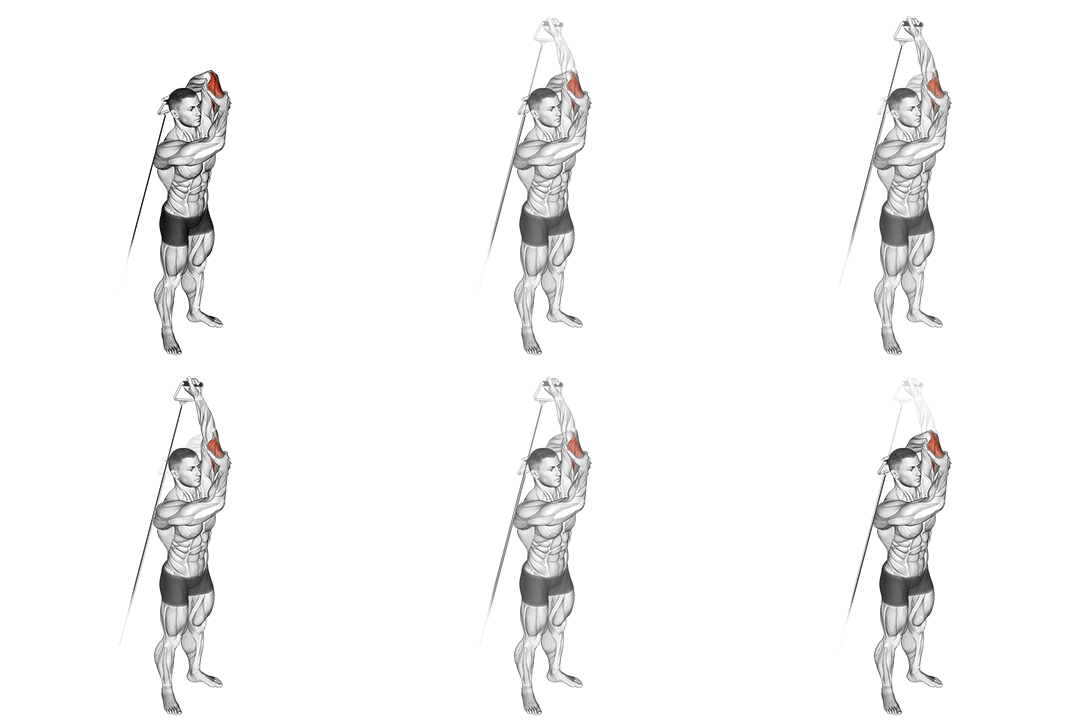
Triceps Overhead Extension With Rope demonstration

Triceps Overhead Extension With Rope

Target Triceps
Equipment Cable
Body Part Upper-arms
Difficulty Intermediate
Movement Isolation

Head-to-Head Comparison

Different values are marked. These are catalogue attributes, not performance scores.

Muscles used

Listed target and secondary muscles, shown on the body. Locations, not activation or strength scores.

  • Target
  • Secondary
  • Not highlighted

Ez-bar Skullcrusher

Front
Ez-bar Skullcrusher: front muscle locationsSolid: listed target. Striped: listed secondary. Grey: not highlighted. Locations, not activation or strength scores. See the muscle names below.
Back
Ez-bar Skullcrusher: back muscle locationsSolid: listed target. Striped: listed secondary. Grey: not highlighted. Locations, not activation or strength scores. See the muscle names below.
Target
Triceps
Secondary
Forearms

Triceps Overhead Extension With Rope

Front
Triceps Overhead Extension With Rope: front muscle locationsSolid: listed target. Striped: listed secondary. Grey: not highlighted. Locations, not activation or strength scores. See the muscle names below.
Back
Triceps Overhead Extension With Rope: back muscle locationsSolid: listed target. Striped: listed secondary. Grey: not highlighted. Locations, not activation or strength scores. See the muscle names below.
Target
Triceps
Secondary
None listed

Grey does not mean a muscle is unused. The diagrams show only the mapped catalogue labels.

Attribute Ez-bar Skullcrusher Triceps Overhead Extension With Rope
Target Muscle
Triceps
Triceps
Body Part
Upper-arms
Upper-arms
Equipment Different
Ez-barbell
Cable
Difficulty
Intermediate
Intermediate
Movement Type
Isolation
Isolation
Secondary Muscles Different
Forearms
None listed

Visual Comparison

An illustrative 1–10 profile derived from catalog difficulty, equipment, and listed-muscle fields—not measured performance or muscle activation.

Key Differences

  • Equipment differs: Ez-bar Skullcrusher uses Ez-barbell, while Triceps Overhead Extension With Rope requires Cable.

Muscle comparison

Shared target muscles

Both exercises primarily target the triceps brachii and drive elbow extension torque. Overall triceps activation is similar across both, but the long head sees relatively greater recruitment when the shoulder is flexed overhead. Expect roughly a 10–20% increase in long-head emphasis with the overhead rope because it places the long head under greater stretch compared with a lying skullcrusher where the shoulder stays more neutral.

Secondary muscle differences

EZ-Bar Skullcrusher recruits forearm muscles (wrist flexors/pronators) and requires strong elbow stabilization, so forearm load is higher. The Triceps Overhead Extension With Rope recruits more scapular stabilizers and anterior deltoid activity to maintain shoulder position; it also engages core and thoracic control more than the skullcrusher because you must resist forward shoulder collapse.

Muscle involvement analysis

Biomechanically, the skullcrusher is a horizontal-plane movement with the moment arm centered at the elbow; it produces peak torque near 30–60° of elbow flexion depending on grip. The overhead rope shifts the force vector so the long head is on a longer length-tension curve (greater passive stretch) when the shoulder is flexed ~120–180°, increasing strain and potential hypertrophic stimulus in the long head. Cable tension is constant through the ROM, whereas a free-weight EZ-bar changes the load vector with gravity and bench angle.

Equipment and setup

Ez-bar Skullcrusher: setup

EZ-Bar Skullcrusher requires an EZ-bar (or straight bar), weight plates, and a flat bench or the floor for lying variations.

Triceps Overhead Extension With Rope: setup

Triceps Overhead Extension With Rope requires a cable machine with a high pulley and a rope attachment; you can also use a resistance band anchored overhead as a substitute.

Access and practicality

EZ-Bar Skullcrusher — most commercial gyms and many home setups have a bar and bench or a floor option, while a high-pulley cable is less common in minimalist home gyms. That makes skullcrushers more accessible overall.

Learning and progression

Learning the movements

EZ-Bar Skullcrusher is straightforward to learn: lie back, keep upper arms vertical, hinge at the elbow. However, it requires precise elbow tracking to avoid tipping into wrist or shoulder drift. The Triceps Overhead Extension With Rope is slightly harder to master because it needs good shoulder mobility and scapular stability to maintain an upright torso and correct cable line.

Progression considerations

Rope overhead extensions offer more progression versatility (tempo changes, constant-tension sets, unilateral work, drop sets) and safer incremental loading. Skullcrushers allow greater absolute loading for raw strength because you can stack more plates on the bar, making them better for progressive overload with heavier weights.

Limitations and precautions

EZ-Bar Skullcrusher carries a higher elbow joint stress risk when using heavy loads or poor form—peak shear at the olecranon increases near end-range extension. Overhead rope has higher shoulder demand and risk of impingement if you lack scapular control, but overall it typically produces lower peak elbow shear and is easier to modulate tension with light plate increments or cable settings.

Pros & Cons

Ez-bar Skullcrusher

+ Pros

  • Allows heavier absolute loading for strength development
  • Clear elbow-extension focus with strong mechanical advantage
  • EZ-bar grip reduces wrist strain vs straight bar
  • Can be done on bench or floor for variety

− Cons

  • Higher peak elbow stress at end-range extension
  • Less long-head stretch compared with overhead work
  • Requires careful elbow tracking to avoid wrist drift

Triceps Overhead Extension With Rope

+ Pros

  • Places long head in greater stretch for hypertrophy
  • Constant tension through ROM from cable
  • Easier to perform drop sets and tempo manipulations
  • Safer to modulate intensity with small weight increments

− Cons

  • Requires a cable machine or band anchor
  • Higher shoulder and scapular stability demand
  • Less ability to move maximal absolute load compared with a barbell

When Each Exercise Wins

1
For muscle hypertrophy: Triceps Overhead Extension With Rope

The overhead rope puts the long head on a more advantageous length-tension curve and provides constant tension, which increases time under tension and muscle fiber recruitment—ideal for 8–15 rep hypertrophy work.

2
For strength gains: EZ-Bar Skullcrusher

You can load the EZ-bar with heavier absolute weight to overload the elbow extensors and train lower rep ranges (4–8) with strict form, which is better for increasing maximal triceps strength.

3
For beginners: Triceps Overhead Extension With Rope

Cable resistance is easy to control and maintains tension throughout the set, making it simpler for a beginner to learn elbow extension patterns while minimizing dangerous peak shear at the elbow.

4
For home workouts: EZ-Bar Skullcrusher

Most home setups that include free weights can accommodate an EZ-bar or dumbbell skullcrusher, and floor skullcrushers remove the need for a bench—whereas a high pulley cable is rarely available at home.

Frequently Asked Questions

Can I do both EZ-Bar Skullcrusher and Triceps Overhead Extension With Rope in the same workout?

Yes. Use one as the primary heavy movement and the other as a higher‑rep finisher. For example, perform heavy skullcrushers for 4–8 reps, then 2–3 sets of overhead rope extensions for 10–15 reps to maximize both strength and long‑head hypertrophy.

Which exercise is better for beginners?

The overhead rope extension is generally better for beginners because cable resistance is easier to control and keeps constant tension. It reduces peak elbow shear and allows you to focus on shoulder and scapular stability before adding heavy barbell load.

How do the muscle activation patterns differ?

Skullcrushers concentrate force through the elbow with a horizontal force vector, producing peak torque early in the extension. Overhead rope shifts the long head onto a longer length and vertical force vector, increasing long‑head recruitment and time under tension—this changes regional activation and the ROM where peak tension occurs.

Can Triceps Overhead Extension With Rope replace EZ-Bar Skullcrusher?

It can replace skullcrushers for hypertrophy-focused blocks because it emphasizes the long head and constant tension. If your priority is maximal strength or progressive overload with heavy absolute loads, keep skullcrushers (or other heavy elbow‑extension lifts) in your program.

Comparison Summary

Use the Triceps Overhead Extension With Rope when your goal is targeted long‑head hypertrophy, higher time-under-tension work, or when you want safer, adjustable tension for higher reps and drop sets. Prioritize strict shoulder position (scapula packed, chest tall) and 8–15 reps for size. Choose the EZ-Bar Skullcrusher when you need to load the elbow extensors heavier for strength or want a simple bench/floor variation; keep elbows tucked ~10–15° from vertical, avoid locking aggressively at end range, and use 4–8 reps for strength or 6–12 for heavier hypertrophy sets. Rotate both across cycles: overhead rope for block hypertrophy, skullcrusher for strength and overload phases.

Exercise instructions

Steps from the exercise catalogue. Read the full sequence before starting.

Ez-bar Skullcrusher

  1. Using a close grip, lift the EZ bar and hold it with your elbows in as you lie on the bench. Your arms should be perpendicular to the floor. This will be your starting position.
  2. Keeping the upper arms stationary, lower the bar by allowing the elbows to flex. Inhale as you perform this portion of the movement. Pause once the bar is directly above the forehead.
  3. Lift the bar back to the starting position by extending the elbow and exhaling.
Read remaining steps for Ez-bar Skullcrusher
  1. Repeat.

Triceps Overhead Extension With Rope

  1. Attach a rope to a low pulley. After selecting an appropriate weight, grasp the rope with both hands and face away from the cable.
  2. Position your hands behind your head with your elbows point straight up. Your elbows should start out flexed, and you can stagger your stance and lean gently away from the machine to create greater stability. This will be your starting position.
  3. To perform the movement, extend through the elbow while keeping the upper arm in position, raising your hands above your head.
Read remaining steps for Triceps Overhead Extension With Rope
  1. Squeeze your triceps at the top of the movement, and slowly lower the weight back to the start position.

Also Compare

Compare another pair

Choose two exercises to see their differences side by side.

Compare Exercises