

Handstand Push-up vs Handstand Push-Ups: Complete Comparison Guide
Handstand Push-up vs Handstand Push-Ups — the names look identical, but small technique and muscle recruitment differences change how you train. You and I will break down how each movement loads the delts, how much the chest, triceps, and core get involved, and which pattern is better for muscle growth, strength, or home training. I’ll show you concrete cues, common progressions (pike presses, wall-assisted reps), and rep ranges so you can choose the version that matches your goals and current skill level.
Exercise Comparison
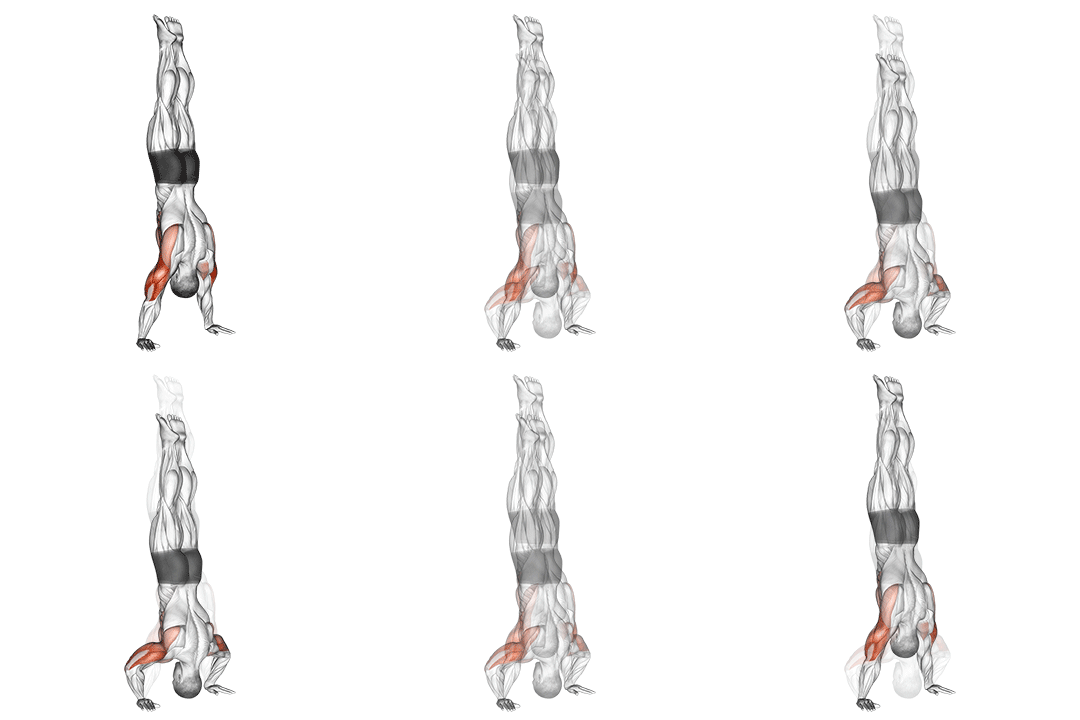
Handstand Push-up
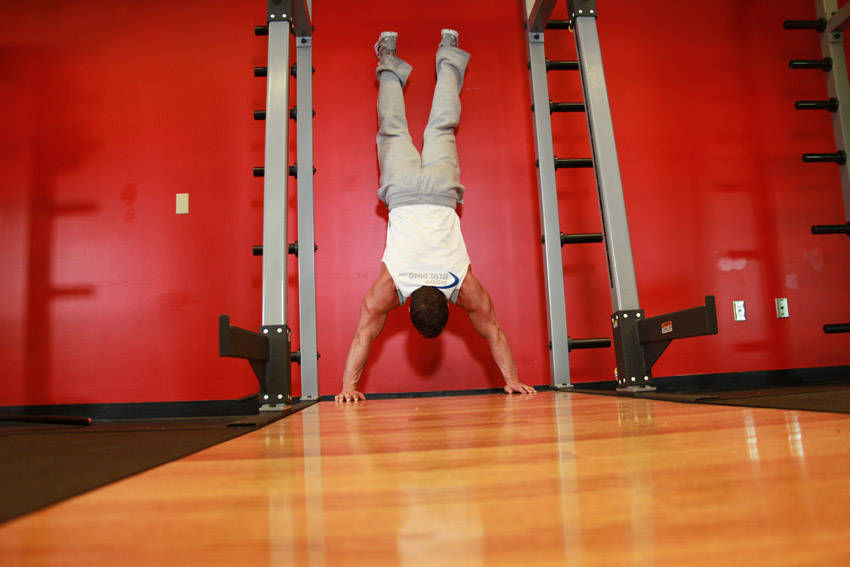
Handstand Push-ups
Head-to-Head Comparison
| Attribute | Handstand Push-up | Handstand Push-ups |
|---|---|---|
| Target Muscle |
Delts
|
Delts
|
| Body Part |
Shoulders
|
Shoulders
|
| Equipment |
Body-weight
|
Body-weight
|
| Difficulty |
Advanced
|
Advanced
|
| Movement Type |
Compound
|
Compound
|
| Secondary Muscles |
3
|
1
|
Secondary Muscles Activated
Handstand Push-up
Handstand Push-ups
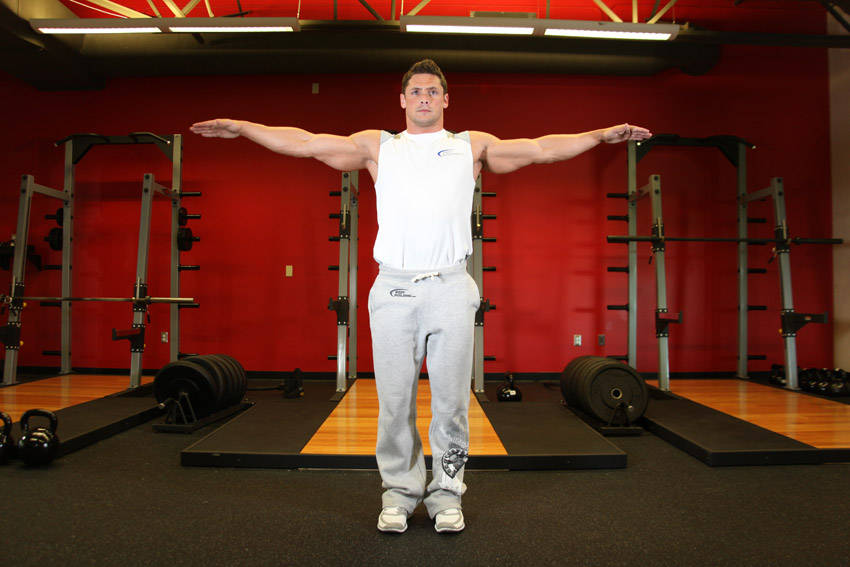
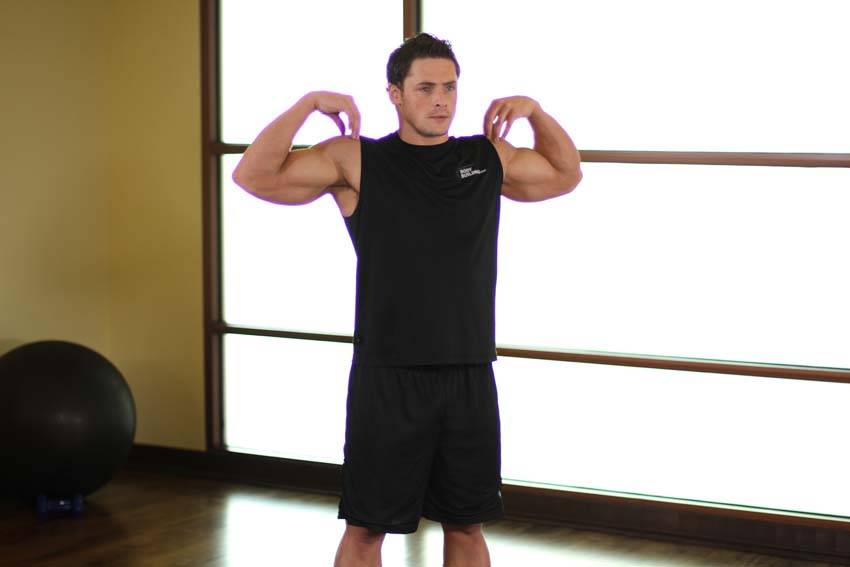
Visual Comparison
Overview
Handstand Push-up vs Handstand Push-Ups — the names look identical, but small technique and muscle recruitment differences change how you train. You and I will break down how each movement loads the delts, how much the chest, triceps, and core get involved, and which pattern is better for muscle growth, strength, or home training. I’ll show you concrete cues, common progressions (pike presses, wall-assisted reps), and rep ranges so you can choose the version that matches your goals and current skill level.
Key Differences
- Both exercises target the Delts using Body-weight. The main differences are in their movement patterns and muscle activation angles.
Pros & Cons
Handstand Push-up
+ Pros
- Greater chest and core engagement when you adopt a forward lean or deficit
- Allows deeper range of motion with deficits for added overload
- Develops shoulder stability under combined sagittal plane torque
- Excellent carryover to gymnastic pressing and athletic transfers
− Cons
- Requires more shoulder mobility and core control
- Harder to scale progressively for complete beginners
- Higher technical demand on balance and scapular control
Handstand Push-ups
+ Pros
- Clean vertical line increases triceps recruitment and safer elbow mechanics
- Easier to scale with pike and wall-assisted progressions
- Lower technical barrier for building basic overhead pressing strength
- Simple to program into rep ranges for hypertrophy (6–12) or strength (3–6)
− Cons
- Less chest activation if you want pectoral stimulus
- Freestanding version still requires significant balance work
- May hit a plateau without added ROM or tempo variations
When Each Exercise Wins
Handstand Push-up allows slight forward lean and deficit ROM that recruit the clavicular head of the pecs and increase time-under-tension. Using 6–12 rep ranges with deficits or slow negatives maximizes deltoid and chest hypertrophy.
The strict vertical press stacks force directly through the delts and triceps, making 3–6 heavy reps more effective for raw pressing strength. Progressive overload with weighted vests or deficit reductions is easier to implement on the strict version.
Wall-assisted Handstand Push-Ups scale cleanly from pike presses and box progressions, letting you build shoulder pressing strength without the added complexity of forward-lean balance and deep deficits. This creates safer, measurable steps.
You only need a wall and a mat to progress safely through pike and wall-assisted variations. Limited equipment makes the strict wall-assisted Handstand Push-Ups more practical for consistent at-home programming.
Frequently Asked Questions
Can I do both Handstand Push-up and Handstand Push-Ups in the same workout?
Yes. Program the strict Handstand Push-Ups early in the session for heavy 3–6 rep sets, then use Handstand Push-up variations (deficits or forward lean) for 6–12 rep accessory work or slow negatives to increase time under tension and hypertrophy stimulus.
Which exercise is better for beginners?
Handstand Push-Ups with wall assistance are better for beginners because they provide clear regressions (pike, box, wall negatives) and reduce balance demands while you build shoulder and triceps strength.
How do the muscle activation patterns differ?
With a forward-leaning Handstand Push-up you increase anterior deltoid and pectoralis major activation due to a longer pectoral moment arm; a strict vertical Handstand Push-Ups shifts torque to the elbow, increasing triceps contribution and keeping the deltoid working in a more pure vertical vector.
Can Handstand Push-Ups replace Handstand Push-up?
They can replace it for strength and general overhead development, but if your goal is added chest stimulus or deeper ROM for hypertrophy, include the forward-lean/deficit Handstand Push-up as an accessory to cover that range of motion and muscle recruitment.
Expert Verdict
Choose Handstand Push-Ups (the strict, vertical version) if you prioritize scalable progressions, triceps-driven lockout strength, and easier at-home programming; it’s the better pick for strength phases (3–6 reps) and building a solid overhead press pattern. Pick Handstand Push-up (the variation that leverages forward lean or deficits) when you want extra chest involvement, deeper ROM, and hypertrophy-focused cycles (6–12 reps) or gymnastic transfer. Train both across phases: use strict vertical sets for strength blocks and deficit/forward-lean sets for hypertrophy and transfer work, while keeping scapular mechanics and shoulder mobility above 90° of comfortable overhead motion.
Also Compare
More comparisons with Handstand Push-up
Compare More Exercises
Use our free comparison tool to analyze any two exercises head-to-head.
Compare Exercises