

Incline Bench Pull vs Lying Cambered Barbell Row: Complete Comparison Guide
Incline Bench Pull vs Lying Cambered Barbell Row — two chest-supported barbell rows that both hammer the middle-back but do so with different angles, grips, and force vectors. If you want to pick the right row for muscle growth, strength, or a lower-back-friendly routine, this guide walks you through biomechanics, exact technique cues, equipment needs, and progression options. Read on and you’ll learn how each exercise loads the rhomboids, traps, and lats, which muscles act as prime movers vs stabilizers, and practical rep ranges and tempo choices so you can choose the row that fits your goals.
Exercise Comparison
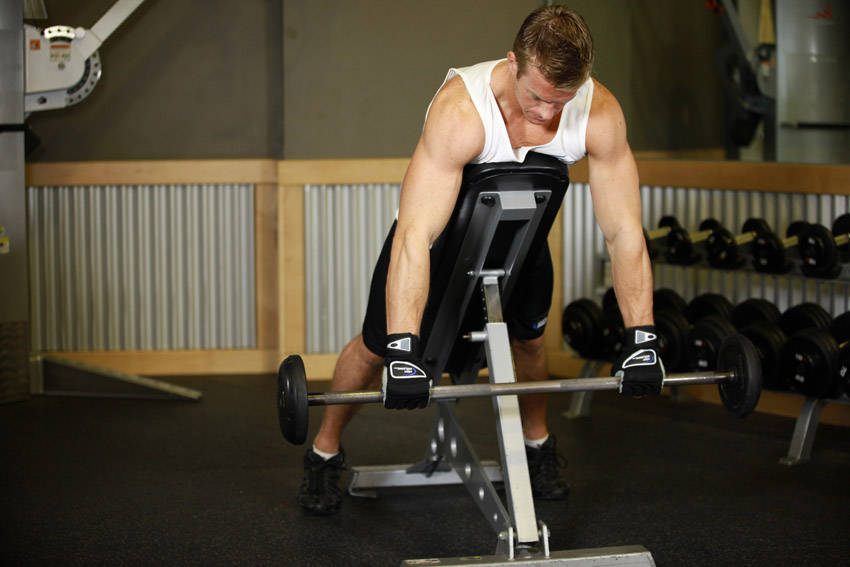
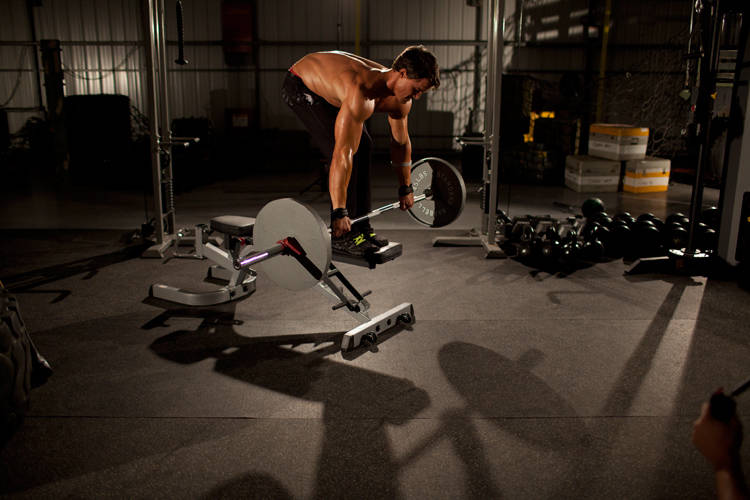
Incline Bench Pull
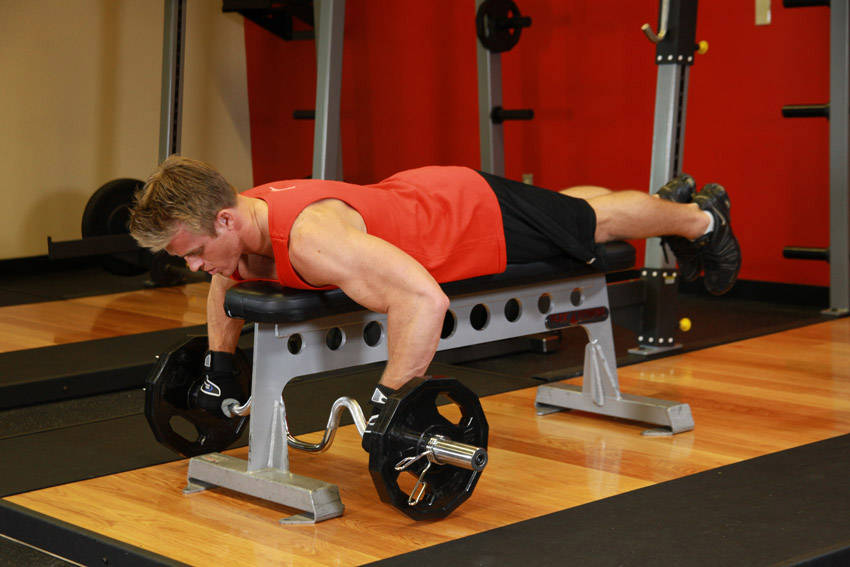
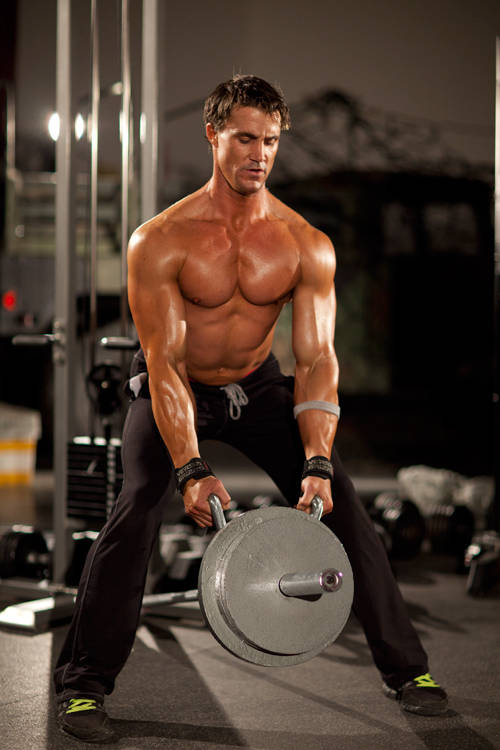
Lying Cambered Barbell Row
Head-to-Head Comparison
| Attribute | Incline Bench Pull | Lying Cambered Barbell Row |
|---|---|---|
| Target Muscle |
Middle-back
|
Middle-back
|
| Body Part |
Back
|
Back
|
| Equipment |
Barbell
|
Barbell
|
| Difficulty |
Intermediate
|
Intermediate
|
| Movement Type |
Compound
|
Compound
|
| Secondary Muscles |
2
|
3
|
Secondary Muscles Activated
Incline Bench Pull
Lying Cambered Barbell Row
Visual Comparison
Overview
Incline Bench Pull vs Lying Cambered Barbell Row — two chest-supported barbell rows that both hammer the middle-back but do so with different angles, grips, and force vectors. If you want to pick the right row for muscle growth, strength, or a lower-back-friendly routine, this guide walks you through biomechanics, exact technique cues, equipment needs, and progression options. Read on and you’ll learn how each exercise loads the rhomboids, traps, and lats, which muscles act as prime movers vs stabilizers, and practical rep ranges and tempo choices so you can choose the row that fits your goals.
Key Differences
- Both exercises target the Middle-back using Barbell. The main differences are in their movement patterns and muscle activation angles.
Pros & Cons
Incline Bench Pull
+ Pros
- Reduces lumbar stress due to chest support at 30°–45° incline
- Better lower-trap and posterior-delt emphasis from steeper pull line
- Uses common equipment (straight bar and adjustable bench)
- Easier to maintain scapular retraction and consistent path
− Cons
- Slightly shorter range of motion compared with cambered bar
- Less biceps stimulus if you want elbow-flexor involvement
- May underload lats at full stretch compared to flat cambered rows
Lying Cambered Barbell Row
+ Pros
- Longer range of motion increases stretch on lats and rhomboids
- Greater biceps and upper-trap recruitment due to elbow flexion
- Excellent for time under tension and hypertrophy with pauses
- Straight horizontal force vector closely mimics standard barbell row mechanics
− Cons
- Requires a cambered bar, which may not be available
- Greater shoulder and biceps strain at end-range if mobility or control is lacking
- Requires precise setup to keep the chest fully supported and avoid shoulder compensation
When Each Exercise Wins
The cambered bar increases ROM and stretch under load, raising time under tension—ideal for hypertrophy. The extra biceps and trap stimulus also allows you to target multiple secondary muscles in the 6–12 rep range.
Its horizontal force vector and longer ROM let you progressively overload with heavier sets and lower reps (4–6), and the cambered bar clears the chest for a solid lockout, making it better for raw pulling strength.
The steeper bench angle helps beginners lock the torso and maintain scapular control, reducing technical demand. It uses common equipment and teaches retraction without heavy shoulder strain.
Most home gyms have an adjustable bench and straight bar; cambered bars are specialty items. The incline version requires less gear while still protecting the lower back.
Frequently Asked Questions
Can I do both Incline Bench Pull and Lying Cambered Barbell Row in the same workout?
Yes — pair them strategically by making the cambered row a heavier, lower-rep compound for strength and the incline pull a higher-rep accessory for volume. Sequence the heavier cambered sets first when fresh, then use the incline pull for controlled hypertrophy sets with 8–15 reps.
Which exercise is better for beginners?
Incline Bench Pull is better for beginners because bench angle enforces torso position and easier scapular retraction, lowering technical demand. Start with lighter loads, focus on full scapular retraction, and use 8–12 rep sets to build motor control.
How do the muscle activation patterns differ?
The incline pull creates a steeper pull vector that increases mid- and lower-trap activation via greater vertical force components, while the cambered row produces a more horizontal vector and larger elbow flexion, increasing biceps and upper-trap share. ROM and length-tension differences also mean the cambered row stretches lats more at the bottom.
Can Lying Cambered Barbell Row replace Incline Bench Pull?
Yes, if your goal is maximal ROM and you have the cambered bar and shoulder mobility, the cambered row can replace the incline pull for hypertrophy and strength. If you need joint-friendly options or limited equipment, stick with the Incline Bench Pull instead.
Expert Verdict
Use the Incline Bench Pull when you need a lower-back-safe, easy-to-teach row that emphasizes mid-trap and posterior-delt control—set the bench at 30°–45°, pull to mid-chest with elbows ~45° from the torso, and train in 8–12 reps for hypertrophy or 4–6 for strength. Pick the Lying Cambered Barbell Row when you want maximum ROM, increased lat stretch, and extra biceps/trap recruitment; perform on a flat bench with controlled 2–3s eccentrics and higher time under tension for 6–12 reps. Be decisive: choose incline for accessibility and joint safety, cambered for maximal stretch and progressive overload.
Also Compare
More comparisons with Incline Bench Pull
More comparisons with Lying Cambered Barbell Row
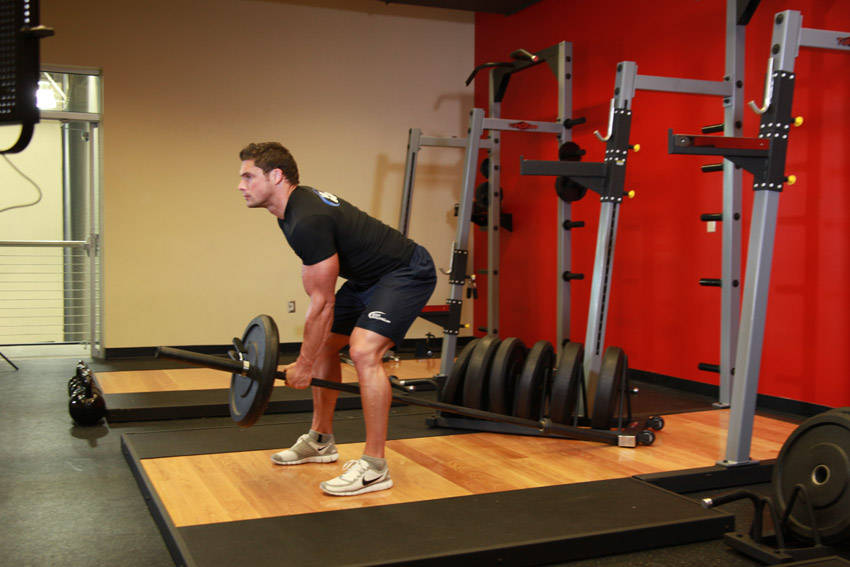
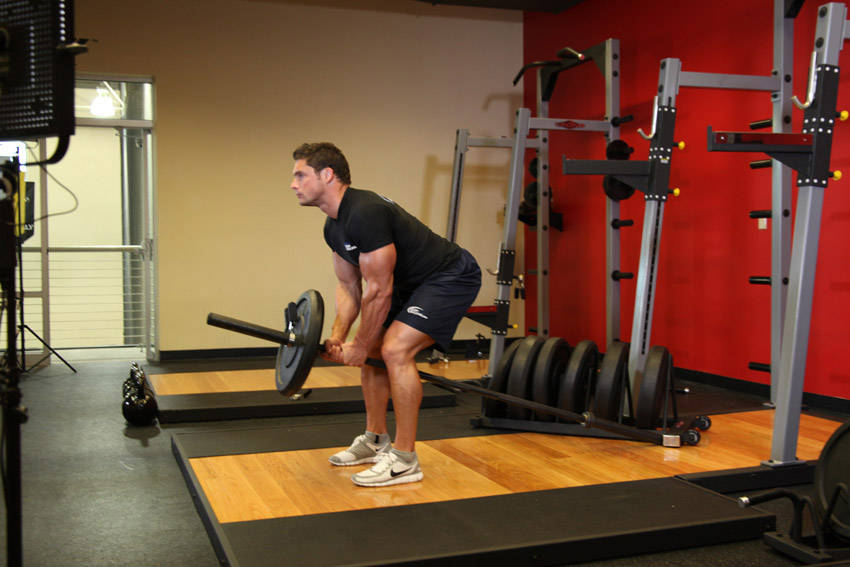
Compare More Exercises
Use our free comparison tool to analyze any two exercises head-to-head.
Compare Exercises