

Incline Bench Pull vs Straight Bar Bench Mid Rows: Complete Comparison Guide
Incline Bench Pull vs Straight Bar Bench Mid Rows — if you want a thicker middle-back, this head-to-head will help you pick the right move. You’ll get clear technique cues, a breakdown of which muscles each exercise emphasizes, and practical programming advice (sets, reps, progressions). I’ll explain the biomechanics — bench angle, force vectors, and scapular mechanics — and give decisive recommendations for hypertrophy, strength, beginners, and home workouts so you can choose the exercise that fits your goals and equipment.
Exercise Comparison
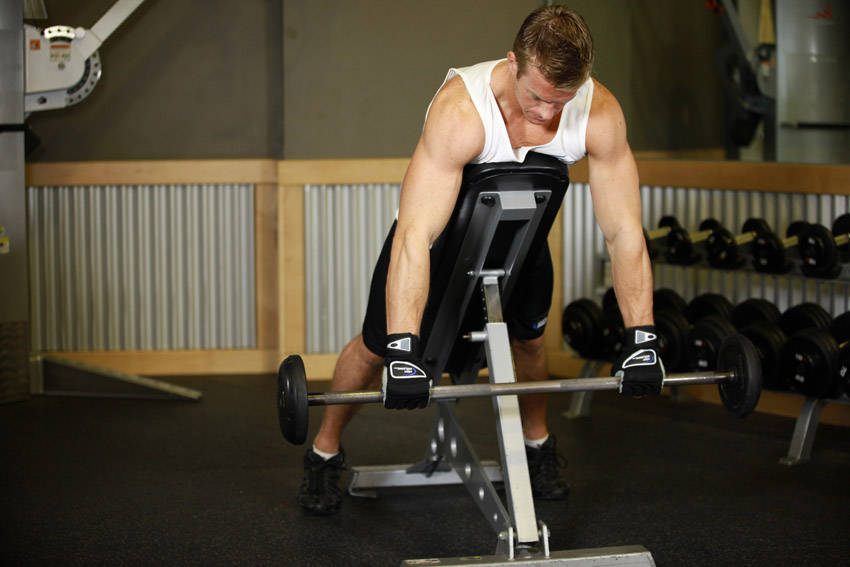
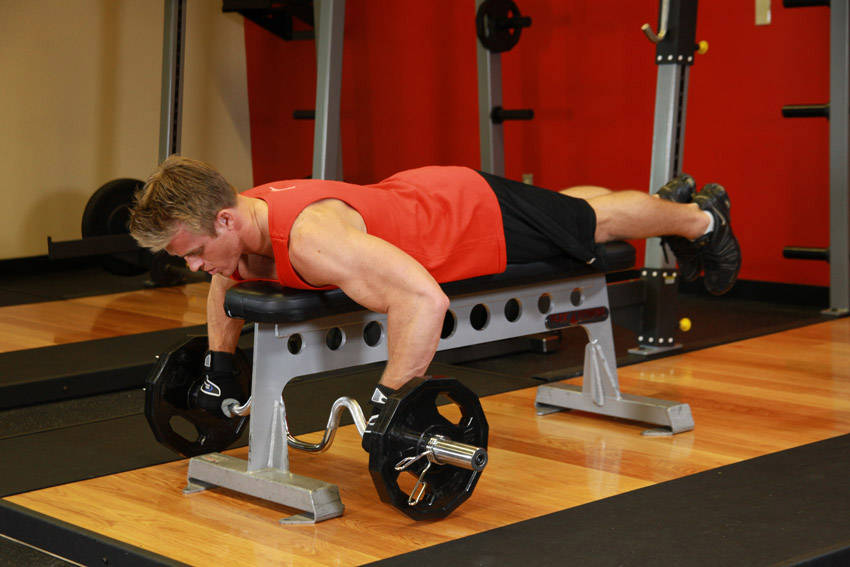
Incline Bench Pull
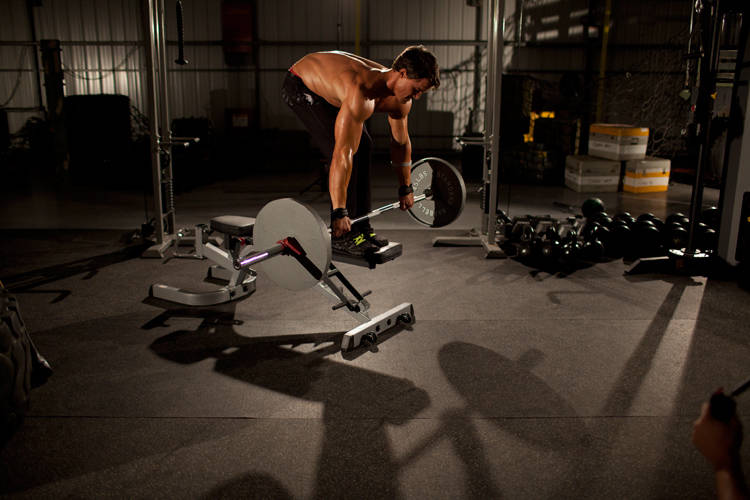
Straight Bar Bench Mid Rows
Head-to-Head Comparison
| Attribute | Incline Bench Pull | Straight Bar Bench Mid Rows |
|---|---|---|
| Target Muscle |
Middle-back
|
Middle-back
|
| Body Part |
Back
|
Back
|
| Equipment |
Barbell
|
Barbell
|
| Difficulty |
Intermediate
|
Intermediate
|
| Movement Type |
Compound
|
Compound
|
| Secondary Muscles |
2
|
2
|
Secondary Muscles Activated
Incline Bench Pull
Straight Bar Bench Mid Rows
Visual Comparison
Overview
Incline Bench Pull vs Straight Bar Bench Mid Rows — if you want a thicker middle-back, this head-to-head will help you pick the right move. You’ll get clear technique cues, a breakdown of which muscles each exercise emphasizes, and practical programming advice (sets, reps, progressions). I’ll explain the biomechanics — bench angle, force vectors, and scapular mechanics — and give decisive recommendations for hypertrophy, strength, beginners, and home workouts so you can choose the exercise that fits your goals and equipment.
Key Differences
- Both exercises target the Middle-back using Barbell. The main differences are in their movement patterns and muscle activation angles.
Pros & Cons
Incline Bench Pull
+ Pros
- Greater upper-mid trap and posterior deltoid emphasis due to 30–45° torso angle
- Torso support reduces lumbar loading and allows focused scapular retraction
- Easy to cue chest-to-bench contact for consistent bar path and depth
- Angle variation lets you shift emphasis without changing grip
− Cons
- Requires an adjustable bench set to the right incline
- Slightly less biceps isolation compared to the straight-bar row
- Less absolute load potential because of braced body position
Straight Bar Bench Mid Rows
+ Pros
- Strong lat and biceps recruitment through a longer humeral extension range
- Common equipment (flat bench + straight bar) makes it gym-friendly
- Allows heavier loading for progressive overload
- Simple setup — easy to pair with compound lower-back or leg work
− Cons
- Higher demand on elbow flexors can limit back loading for some lifters
- If torso not supported, increased lumbar stress and momentum risk
- Requires precise horizontal pulling path to target middle-back effectively
When Each Exercise Wins
They allow a longer range of motion and greater continuous tension on the lats and middle-back, and you can typically use heavier loads for 6–12 reps, which supports hypertrophy. If you want extra mid-trap focus, add an incline variation as an accessory.
The straight-bar row supports higher absolute loads and straightforward progressive overload protocols (3–6 reps). The flatter torso position produces a force vector that better transfers to other horizontal-pull strength adaptations.
Torso support on the incline reduces lower-back strain and simplifies the movement pattern, letting you focus on scapular retraction and proper muscle engagement for 8–12 reps. It’s easier to control tempo and learn the pull without compensatory momentum.
A flat bench and straight bar or even a barbell substitute are more likely available at home; you can use minimal equipment and still perform an effective row. If you have an adjustable bench, the incline is great but less common in home setups.
Frequently Asked Questions
Can I do both Incline Bench Pull and Straight Bar Bench Mid Rows in the same workout?
Yes — pair them by priority: do the heavier, more demanding straight-bar rows first for strength (3–6 reps), then use incline pulls as a controlled accessory for hypertrophy (8–12 reps). Watch total volume to avoid overworking the elbow flexors.
Which exercise is better for beginners?
Incline Bench Pull is better for most beginners because the bench supports your torso, lowers lumbar stress, and helps you learn scapular retraction. Start with 2–3 sets of 8–12 reps, focusing on slow eccentrics and full retraction.
How do the muscle activation patterns differ?
Incline pulls bias mid-trap and posterior deltoid activation via a steeper pulling angle and shorter lat length at the top, while straight-bar mid rows keep the lats under tension through a longer humeral extension and increase biceps involvement. The difference stems from torque on the shoulder and elbow joints and the resulting force vectors.
Can Straight Bar Bench Mid Rows replace Incline Bench Pull?
They can replace it if your goal is overall middle-back and lat thickness, but you’ll lose some of the supported setup benefits that reduce lumbar stress and isolate the mid-traps. For balanced development, rotate both through your program.
Expert Verdict
Use Incline Bench Pull when you need a safer option for learning scapular retraction, want to bias the mid-traps and posterior delts, or need to protect the lower back — set the bench to 30–45° and aim for controlled 6–12 rep sets with a 2–3 second eccentric. Choose Straight Bar Bench Mid Rows when your goal is maximum middle-back and lat thickness or strength; prioritize a solid horizontal bar path, keep the torso stable, and push progressive overload in the 3–12 rep range depending on strength vs hypertrophy focus. Both are valuable; pick the one that matches your equipment and programming goals, and rotate them across training cycles for balanced development.
Also Compare
More comparisons with Incline Bench Pull
More comparisons with Straight Bar Bench Mid Rows

Compare More Exercises
Use our free comparison tool to analyze any two exercises head-to-head.
Compare Exercises