

Jack Jump (male) vs Jump Rope: Complete Comparison Guide
Jack Jump (male) vs Jump Rope — two fast, calorie-burning moves that look similar on the clock but load your body differently. If you want clear advice on which to pick, you’re in the right place. I’ll compare primary and secondary muscle activation, equipment needs, learning curves, injury risk, and practical progressions. You’ll get specific technique cues (knee angles, landing mechanics, rope length), rep/interval recommendations (30–60 seconds, 3–6 rounds), and decisive winners for common goals so you can choose the right cardio tool for your program.
Exercise Comparison
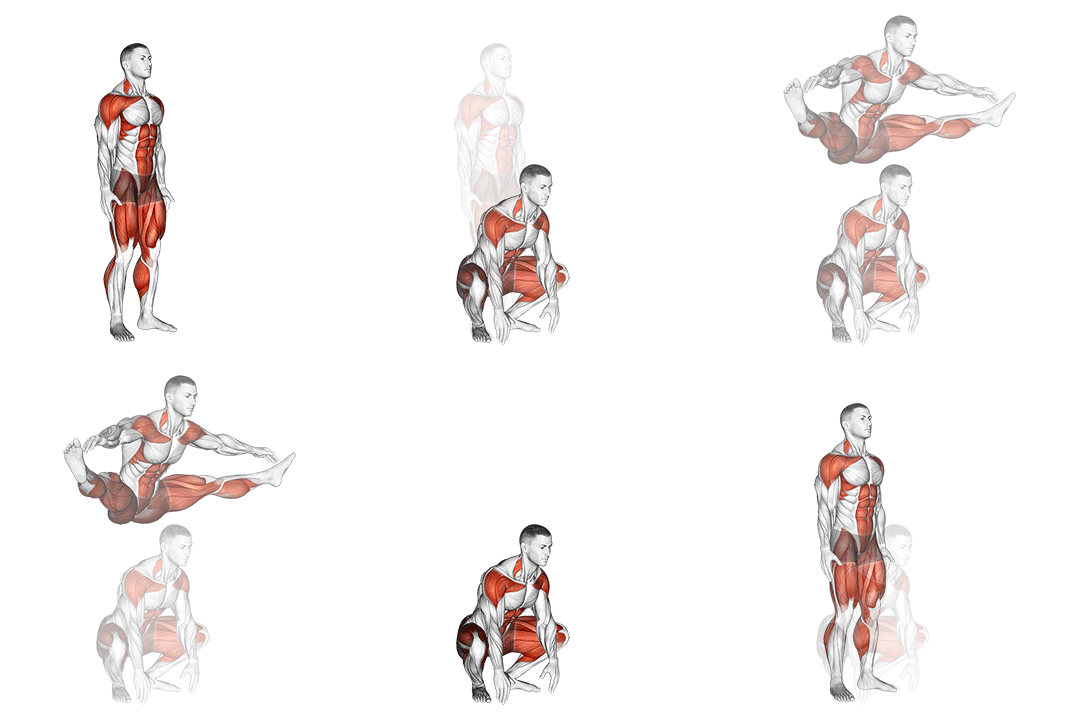
Jack Jump (male)
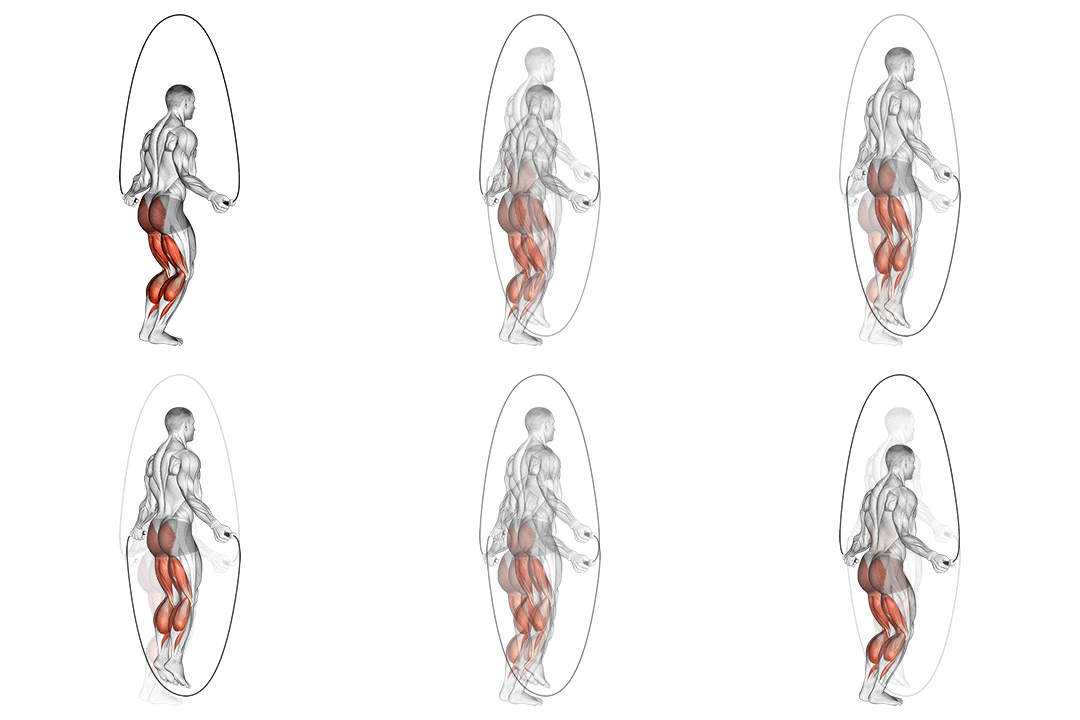
Jump Rope
Head-to-Head Comparison
| Attribute | Jack Jump (male) | Jump Rope |
|---|---|---|
| Target Muscle |
Cardiovascular
|
Cardiovascular
|
| Body Part |
Cardio
|
Cardio
|
| Equipment |
Body-weight
|
Rope
|
| Difficulty |
Beginner
|
Intermediate
|
| Movement Type |
Compound
|
Compound
|
| Secondary Muscles |
2
|
4
|
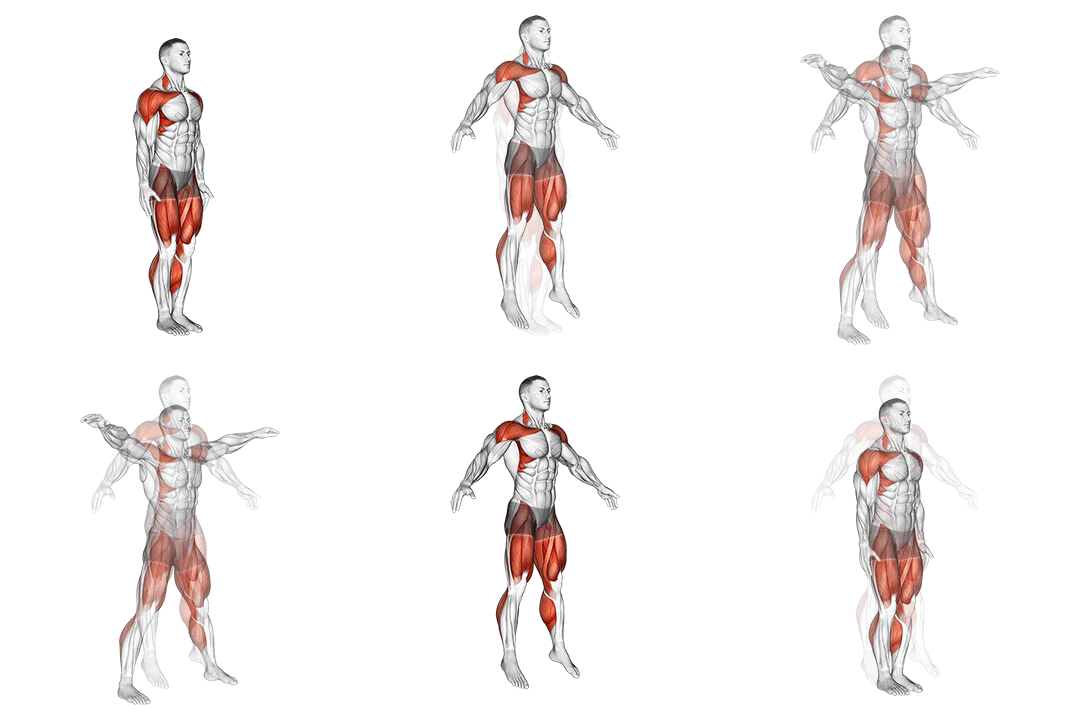
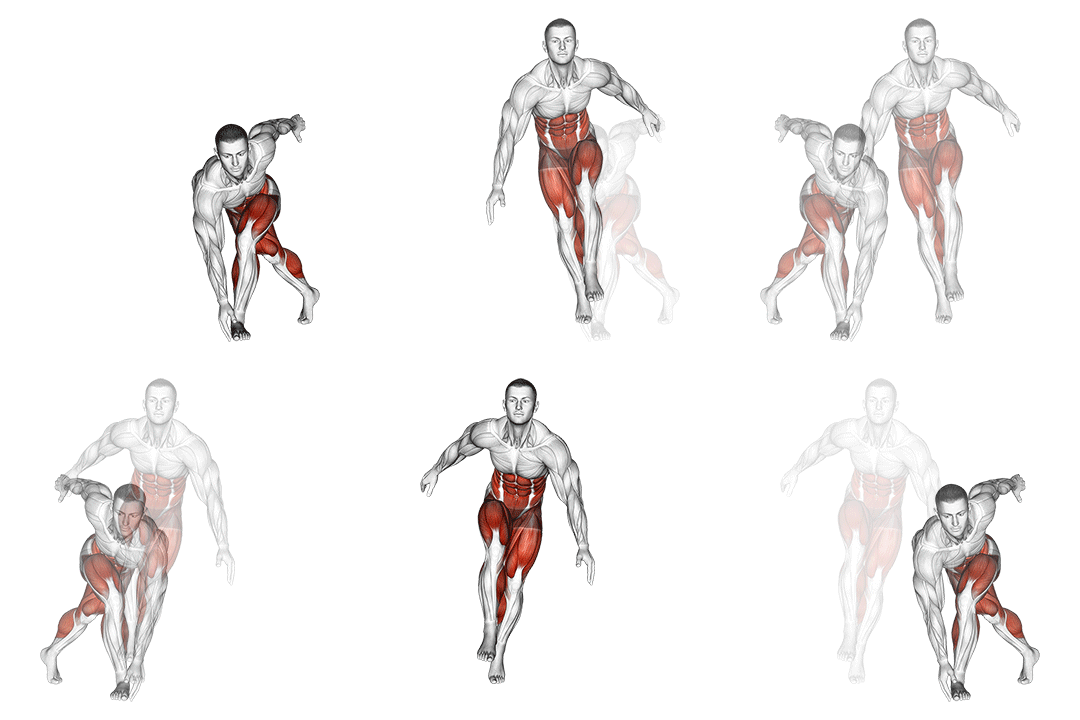
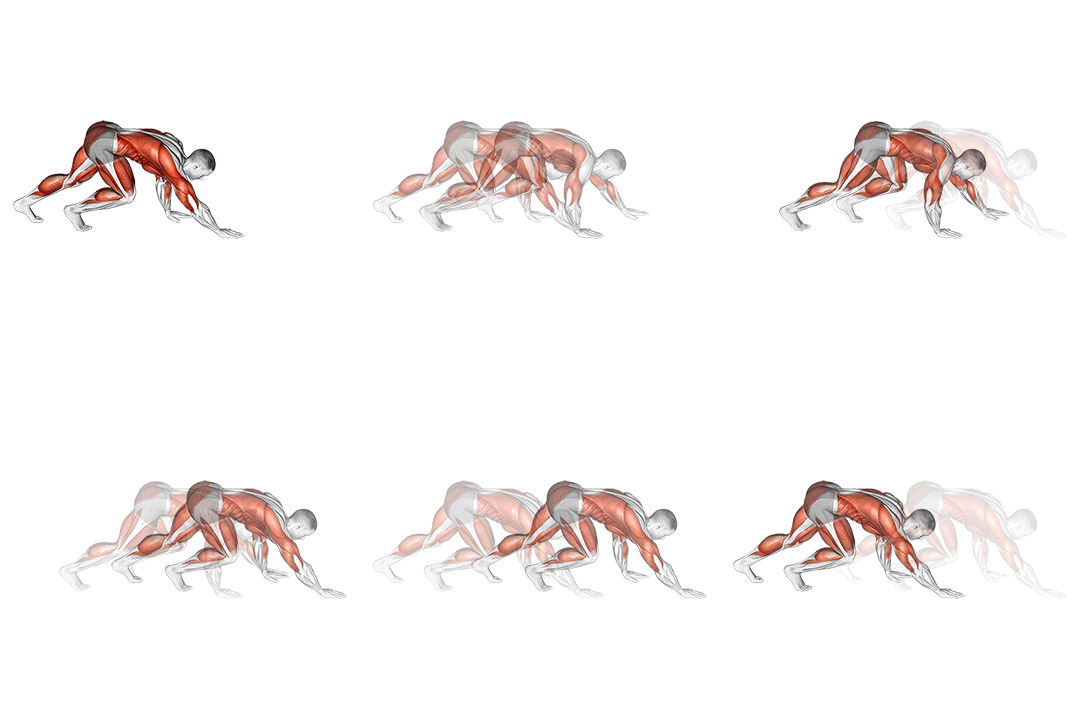
Secondary Muscles Activated
Jack Jump (male)
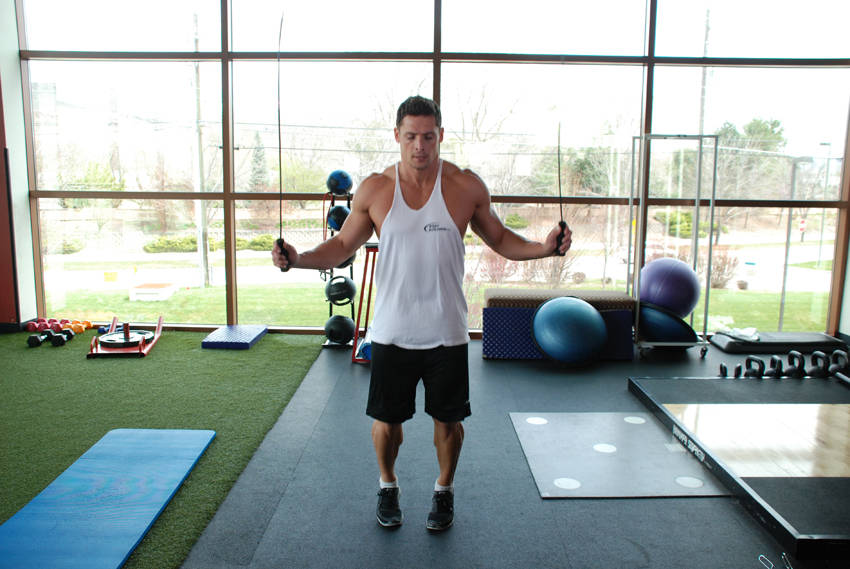
Jump Rope
Visual Comparison
Overview
Jack Jump (male) vs Jump Rope — two fast, calorie-burning moves that look similar on the clock but load your body differently. If you want clear advice on which to pick, you’re in the right place. I’ll compare primary and secondary muscle activation, equipment needs, learning curves, injury risk, and practical progressions. You’ll get specific technique cues (knee angles, landing mechanics, rope length), rep/interval recommendations (30–60 seconds, 3–6 rounds), and decisive winners for common goals so you can choose the right cardio tool for your program.
Key Differences
- Equipment differs: Jack Jump (male) uses Body-weight, while Jump Rope requires Rope.
- Difficulty levels differ: Jack Jump (male) is beginner, while Jump Rope is intermediate.
Pros & Cons
Jack Jump (male)
+ Pros
- No equipment—do it anywhere with minimal space
- Simple motor pattern—easy to teach and scale
- Stronger quadriceps loading per rep for force development
- Better choice for short-burst plyo intervals (30–45 s)
− Cons
- Higher per-rep impact on knees if you land stiffly
- Less calf-focused elastic rebound than rope work
- Fewer advanced progression variations compared with rope drills
Jump Rope
+ Pros
- High cadence cardio with excellent calf and Achilles conditioning
- Huge progression ceiling (speed, double-unders, complex footwork)
- Lower vertical displacement per rep reduces peak knee torque
- Efficient calorie burn per minute when performed at tempo
− Cons
- Requires correct rope length, space, and coordination
- Higher repetitive load on Achilles and ankle structures
- Surface or rope quality can limit use (carpet, low ceilings)
When Each Exercise Wins
Jack Jump places larger demand on knee extensors with bigger concentric contractions, which increases quadriceps mechanical stress per rep. For muscle growth pair 6–8 sets of 30–60 seconds with resistance work to supply sufficient volume and metabolic stimulus.
Because Jack Jump produces higher peak knee-extension torque and allows added load (vest or sandbag), it transfers better to lower-body force development. Use slow-tempo loaded jumps and 3–5 sets of 4–8 reps to target strength.
Jack Jump has a simpler rhythm and lower coordination demand, so beginners can maintain safe mechanics quickly. Start with 20–30 second intervals and focus on soft landings (20–30° knee flexion) to build tolerance.
No rope, no precise space, and minimal setup make Jack Jump ideal for cramped home environments. It still elevates heart rate effectively and pairs well with bodyweight circuits.
Frequently Asked Questions
Can I do both Jack Jump (male) and Jump Rope in the same workout?
Yes. Pairing them works well: start with Jump Rope for 2–4 minutes to prime the calves and rhythm, then do Jack Jumps for 30–60 second power intervals. Monitor total impact volume to avoid overloading ankles and knees.
Which exercise is better for beginners?
Jack Jump (male) is better for most beginners because the movement is easier to coordinate and requires no equipment. Focus on soft landings and short intervals (20–30 seconds) to build capacity.
How do the muscle activation patterns differ?
Jump Rope emphasizes ankle plantarflexion and elastic recoil of the gastrocnemius–Achilles unit with very short contact times. Jack Jump shifts more work to knee extensors and larger hip/knee ranges, producing bigger concentric knee-extension bursts and higher peak forces.
Can Jump Rope replace Jack Jump (male)?
Jump Rope can substitute for general cardio but won’t replicate the same quadriceps torque per rep that Jack Jumps provide. If your goal is force development or quad-focused conditioning, keep Jack Jumps; for cadence and calf endurance, prioritize rope.
Expert Verdict
Use Jack Jump (male) when you need a low-tech, beginner-friendly plyo that stresses the quads and allows quick circuit insertion. It’s the safe default for home workouts, hypertrophy-focused intervals, and athletes needing higher knee-extension torque. Choose Jump Rope when you want high-frequency ankle-driven work, superior cardio economy, and a wide progression ladder (speed, double-unders). If your priority is calf conditioning, cadence, and metabolic efficiency, rope wins. Train both across a week: prioritize Jack Jumps for force and quadriceps load, and rope sessions for elastic conditioning and high-tempo conditioning.
Also Compare
More comparisons with Jack Jump (male)
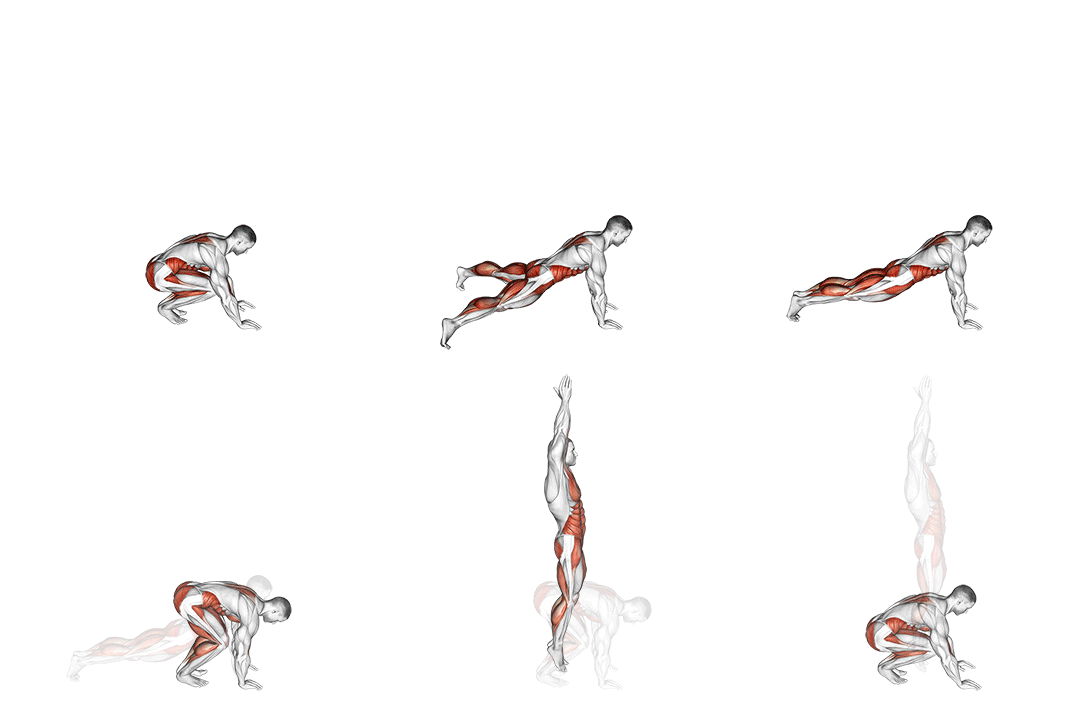
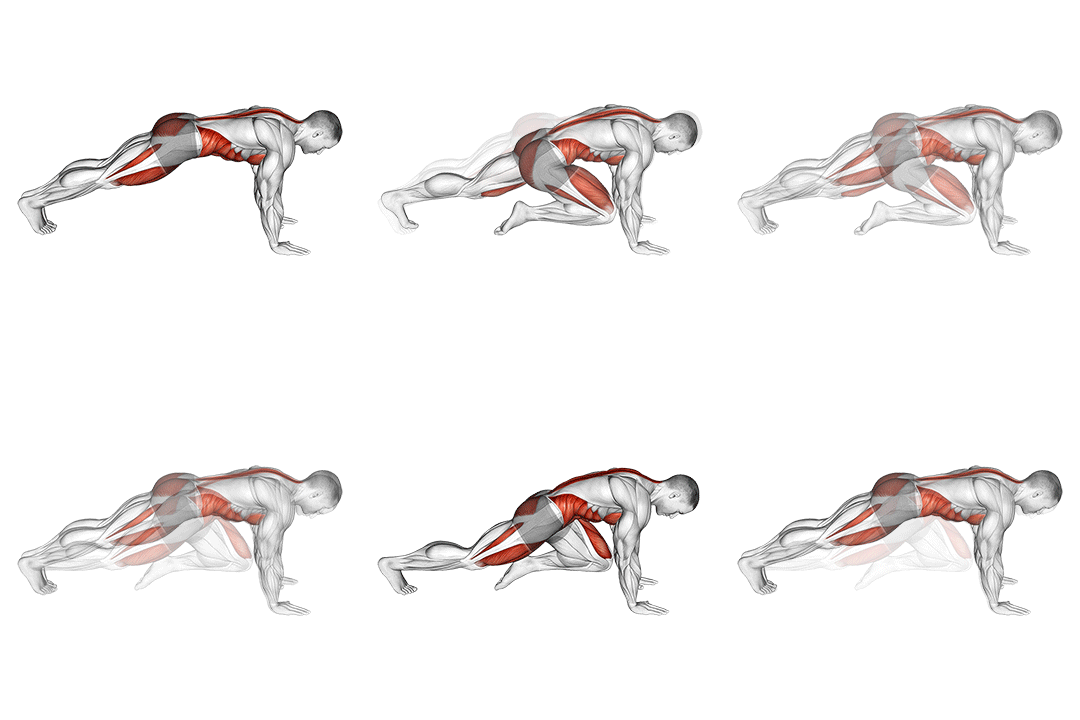
Compare More Exercises
Use our free comparison tool to analyze any two exercises head-to-head.
Compare Exercises