

Jogging, Treadmill vs Recumbent Bike: Complete Comparison Guide
Jogging, Treadmill vs Recumbent Bike — you’re weighing low-impact control against natural gait and impact. This {Exercise1} vs {Exercise2} breakdown helps you pick the right cardio tool for quad development, joint load, and training goals. I’ll compare primary and secondary muscle activation, equipment needs, learning curve, injury risk, and clear winner scenarios so you can choose based on progression or rehab needs. Expect actionable cues, simple biomechanics (force vectors and length-tension), and specific progression options like interval sets and resistance ranges.
Exercise Comparison
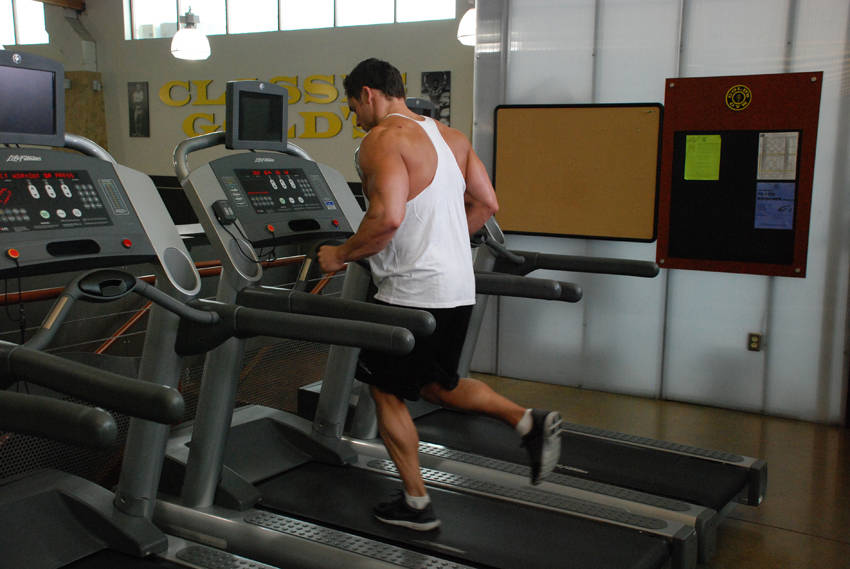
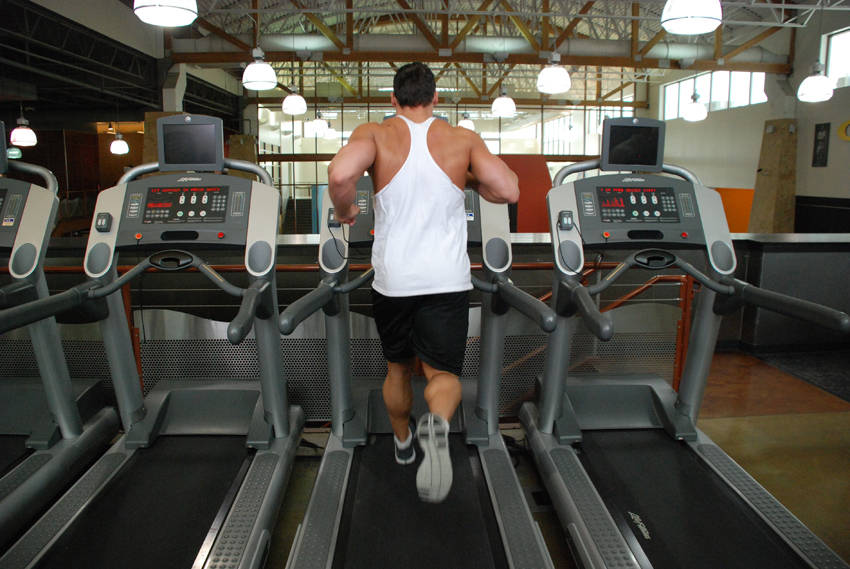
Jogging, Treadmill
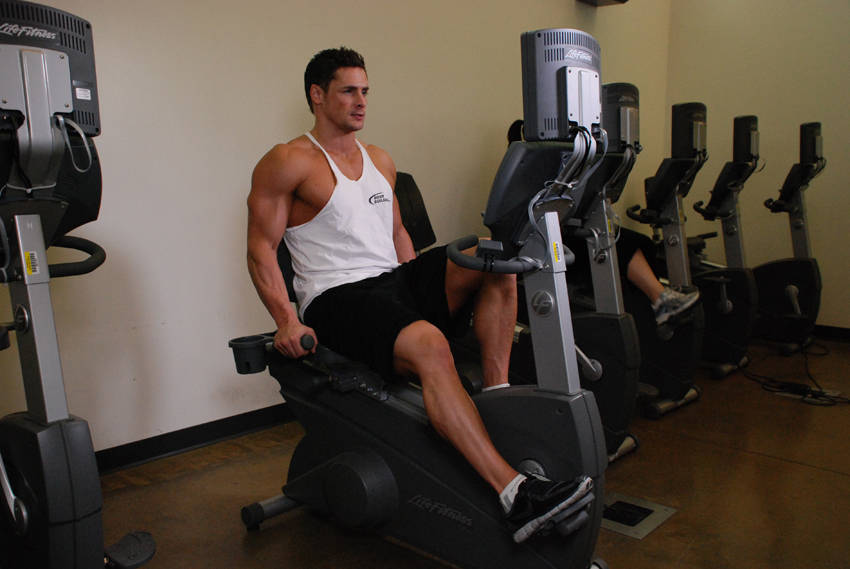
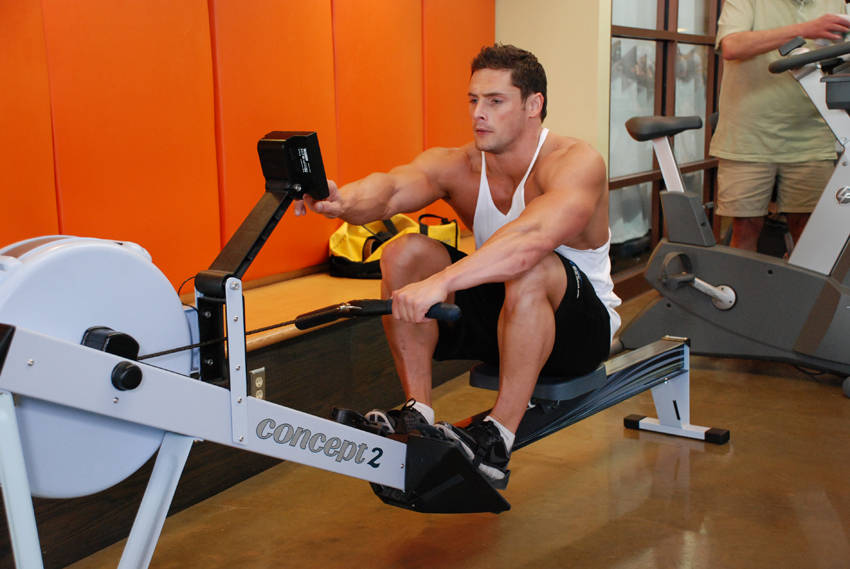
Recumbent Bike
Head-to-Head Comparison
| Attribute | Jogging, Treadmill | Recumbent Bike |
|---|---|---|
| Target Muscle |
Quads
|
Quads
|
| Body Part |
Cardio
|
Cardio
|
| Equipment |
Machine
|
Machine
|
| Difficulty |
Beginner
|
Beginner
|
| Movement Type |
Compound
|
Compound
|
| Secondary Muscles |
2
|
3
|
Secondary Muscles Activated
Jogging, Treadmill
Recumbent Bike
Visual Comparison
Overview
Jogging, Treadmill vs Recumbent Bike — you’re weighing low-impact control against natural gait and impact. This {Exercise1} vs {Exercise2} breakdown helps you pick the right cardio tool for quad development, joint load, and training goals. I’ll compare primary and secondary muscle activation, equipment needs, learning curve, injury risk, and clear winner scenarios so you can choose based on progression or rehab needs. Expect actionable cues, simple biomechanics (force vectors and length-tension), and specific progression options like interval sets and resistance ranges.
Key Differences
- Both exercises target the Quads using Machine. The main differences are in their movement patterns and muscle activation angles.
Pros & Cons
Jogging, Treadmill
+ Pros
- Higher hip extensor and posterior chain recruitment during stance
- Develops running-specific mechanics and bone loading (2–3x bodyweight peaks)
- Easily varied with incline and interval speed work
- Improves balance and stride rhythm
− Cons
- Higher impact and greater joint loading
- Requires good coordination and pacing to avoid injury
- Less continuous quad time-under-tension compared with cycling
Recumbent Bike
+ Pros
- Low-impact, knee-friendly design reduces joint stress by ~40–60%
- Consistent quad-focused concentric loading for time-under-tension
- Easy to control workload by watts or resistance and cadence
- Safer for rehab, older adults, and true beginners
− Cons
- Limited posterior chain and hip extension compared with running
- Lower peak force production — less carryover to sprint/power performance
- Less bone-loading stimulus than impact exercise
When Each Exercise Wins
Recumbent bikes let you sustain quad tension for longer durations at controlled resistance, producing greater time under tension (TUT) for muscle growth. Use 3–5 sets of 8–20 minutes at moderate resistance or intervals of 4×6 minutes at high resistance to maximize hypertrophic stimulus.
Treadmill jogging—especially with incline or resisted sprints—creates higher peak forces and eccentric loading that enhance tendon stiffness and force production. Short hill repeats or 6–10×30–60 second sprints at high incline produce greater neuromuscular stimulus than steady cycling.
The recumbent bike’s seated position, low balance demand, and adjustable resistance make it safer and easier to learn. You can target 20–40 minutes at low-to-moderate intensity (50–70% perceived effort) without high injury risk.
Recumbent bikes often require less space and pose lower fall risk at home; you can program structured watt or cadence workouts for consistent progress. If you have limited clearance or joint issues, it’s the more practical option.
Frequently Asked Questions
Can I do both Jogging, Treadmill and Recumbent Bike in the same workout?
Yes — pairing them works well. Start with 10–20 minutes on the recumbent bike at moderate resistance to prime the quads, then do 10–20 minutes of treadmill intervals for force and neuromuscular stimulus; monitor fatigue to avoid form breakdown.
Which exercise is better for beginners?
Recumbent Bike is better for most beginners because it reduces balance demands and impact. It lets you build cardiovascular fitness and leg strength safely while you learn pacing and cadence.
How do the muscle activation patterns differ?
Jogging produces phasic eccentric-concentric cycles with high peak forces during stance and greater hip extensor activation. Recumbent cycling creates continuous concentric knee extension torque and steadier quad activation with less eccentric load and lower peak joint forces.
Can Recumbent Bike replace Jogging, Treadmill?
It can replace jogging for cardio, rehab, and hypertrophy-focused quad work, but not for running-specific power, bone-loading, or gait training. If you need sport-specific running adaptations, keep treadmill sessions in your plan.
Expert Verdict
Choose Jogging, Treadmill when you want to train force, running economy, and posterior-chain recruitment: use intervals, incline, and short sprints to develop strength and power. Pick Recumbent Bike when your priority is low-impact quad overload, controlled progression, or rehabilitation—its steady concentric torque and adjustable resistance promote muscle growth with lower joint stress. If you want both, alternate modalities across the week: use 2–3 treadmill sessions for power and 2 recumbent sessions for volume-driven quad work. Structure workouts with clear intensity targets (RPE, watts, or incline) and watch movement quality first.
Also Compare
More comparisons with Jogging, Treadmill
Compare More Exercises
Use our free comparison tool to analyze any two exercises head-to-head.
Compare Exercises