

Jogging, Treadmill vs Rowing, Stationary: Complete Comparison Guide
Jogging, Treadmill vs Rowing, Stationary is a common choice when you want efficient cardio and leg development. You’ll read a clear, practical comparison that covers primary and secondary muscle activation, equipment needs, learning curve, injury risk, and how each fits your goals. I’ll give specific technique cues (cadence, incline, stroke rate), biomechanics explanations (force vectors, length‑tension), and decisive recommendations so you can pick the better option for endurance, muscle growth, or low‑impact training.
Exercise Comparison
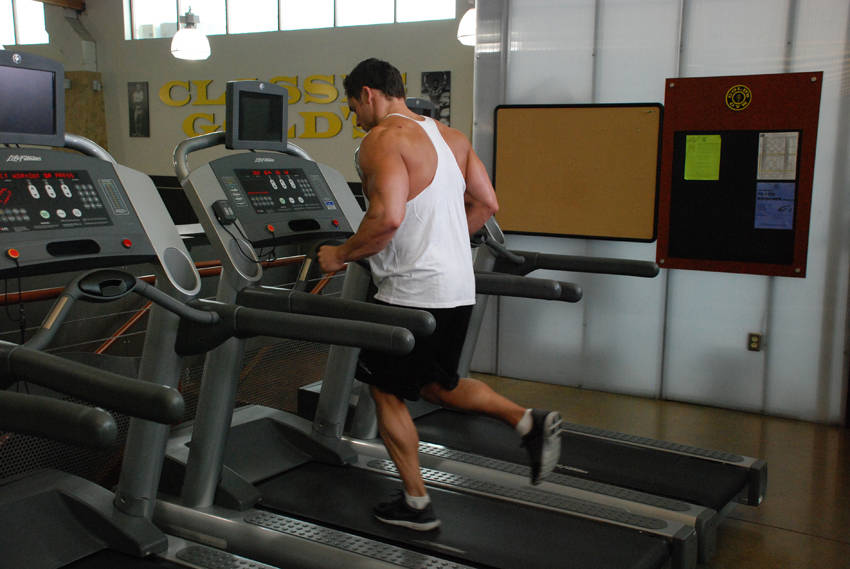
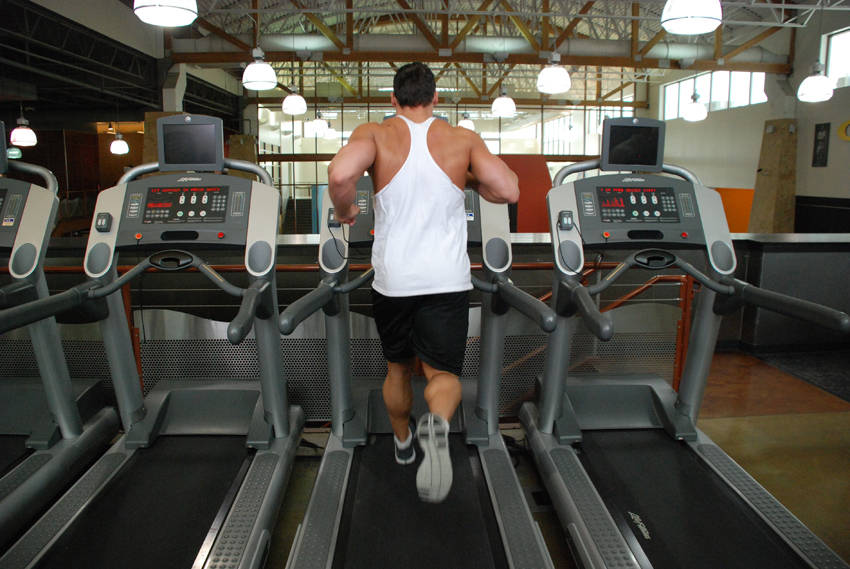
Jogging, Treadmill
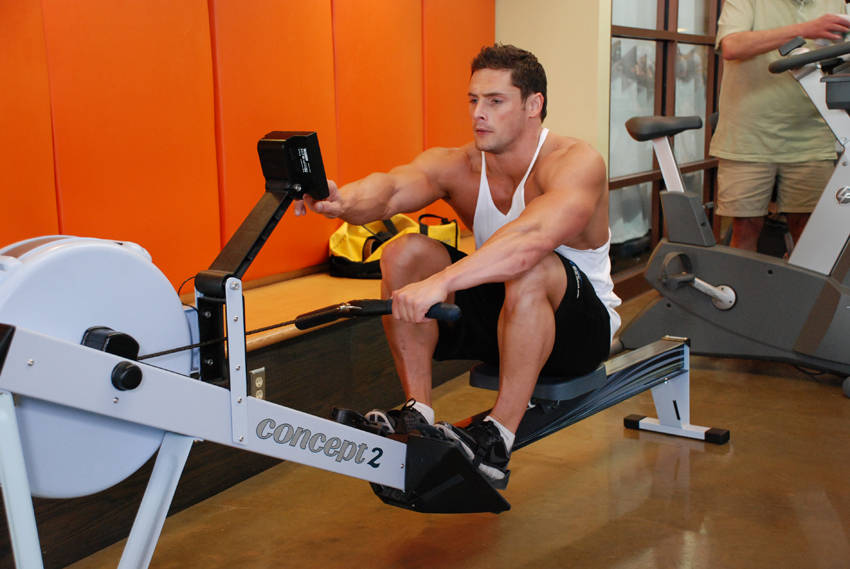
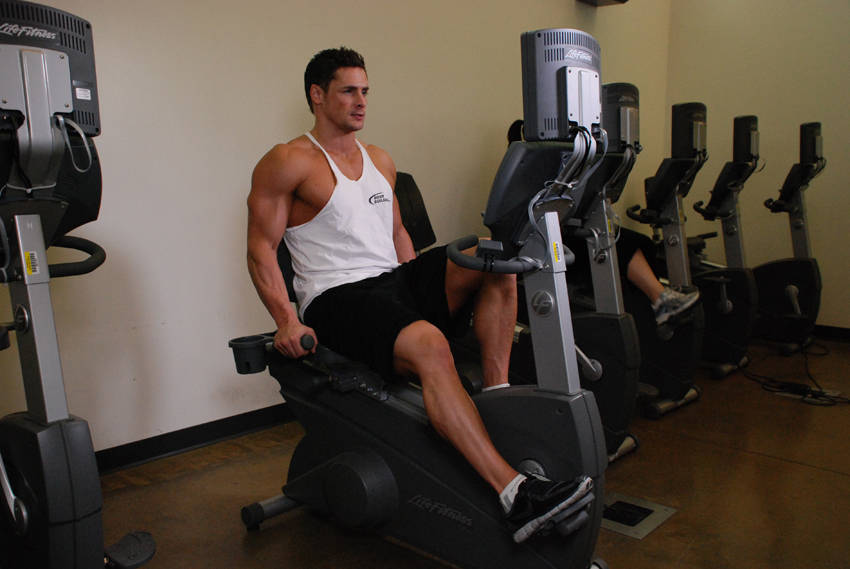
Rowing, Stationary
Head-to-Head Comparison
| Attribute | Jogging, Treadmill | Rowing, Stationary |
|---|---|---|
| Target Muscle |
Quads
|
Quads
|
| Body Part |
Cardio
|
Cardio
|
| Equipment |
Machine
|
Machine
|
| Difficulty |
Beginner
|
Intermediate
|
| Movement Type |
Compound
|
Compound
|
| Secondary Muscles |
2
|
6
|
Secondary Muscles Activated
Jogging, Treadmill
Rowing, Stationary
Visual Comparison
Overview
Jogging, Treadmill vs Rowing, Stationary is a common choice when you want efficient cardio and leg development. You’ll read a clear, practical comparison that covers primary and secondary muscle activation, equipment needs, learning curve, injury risk, and how each fits your goals. I’ll give specific technique cues (cadence, incline, stroke rate), biomechanics explanations (force vectors, length‑tension), and decisive recommendations so you can pick the better option for endurance, muscle growth, or low‑impact training.
Key Differences
- Difficulty levels differ: Jogging, Treadmill is beginner, while Rowing, Stationary is intermediate.
- Both exercises target the Quads using Machine. The main differences are in their movement patterns and muscle activation angles.
Pros & Cons
Jogging, Treadmill
+ Pros
- Simple to learn and widely available in gyms and homes
- Effective steady‑state and interval cardio for conditioning
- Directly trains running mechanics and calf/hip stabilizers
- Easy to program with speed and incline (0–6% for hill simulation)
− Cons
- Higher impact forces increase joint stress (2–3x bodyweight at peak)
- Limited upper‑body and mid‑back engagement
- Less precise power/output feedback compared to rowers
Rowing, Stationary
+ Pros
- Full‑body, low‑impact cardio that trains quads plus back and arms
- Clear power metrics (watts) and stroke rate for progression
- Greater overall muscle recruitment per minute than steady running
- Lower joint impact, suitable for many rehab and fat‑loss plans
− Cons
- Steeper technical learning curve; poor form stresses lower back
- Higher cost for quality machines and takes more floor space
- Less carryover to running economy and sprint mechanics
When Each Exercise Wins
Rowing hits quads, glutes, hamstrings, lower and middle back, and biceps in each stroke, providing a larger total‑body stimulus. Use 10–20 minute high‑intensity intervals or 4×8 minute power pieces at 70–85% of max watts to stimulate muscle growth and metabolic stress.
Rowing allows measurable power output and heavy, forceful leg drives that train triple extension under load. Paired with resistance training, repeated high‑force strokes (short sprints, low stroke rate) translate better to strength adaptations than steady jogging.
Treadmill jogging has a shorter learning curve and you can safely start with slow 10–20 minute sessions and a cadence target of ~150–170 steps per minute. It’s easier to self‑pace and less likely to produce technique‑related back strain.
Affordable foldable treadmills and minimal setup make treadmill jogging the more practical home option for most people. If space and budget allow, a rower is excellent, but treadmill wins on convenience and availability.
Frequently Asked Questions
Can I do both Jogging, Treadmill and Rowing, Stationary in the same workout?
Yes. Use rowing as a low‑impact warmup (5–10 minutes at a light stroke rate) before treadmill intervals, or alternate modalities in a circuit. Keep total hard effort limited — for example, 10 minutes intense rowing plus 20 minutes moderate treadmill — to avoid cumulative fatigue.
Which exercise is better for beginners?
Jogging on a treadmill is generally better for beginners due to simpler mechanics and easier self‑pacing. Start with short sessions and gradual progression; learn rowing technique separately before adding long or intense rowing intervals.
How do the muscle activation patterns differ?
Treadmill jogging centers on cyclic knee extension and ankle plantarflexion with quads and calves peaking during push‑off, while rowing sequences leg drive → hip hinge → arm pull so quads spike early, then glutes/hamstrings and back contribute. The force vector shifts from vertical impact in running to horizontal drive in rowing, changing length‑tension demands.
Can Rowing, Stationary replace Jogging, Treadmill?
Rowing can replace jogging for cardio and general leg conditioning, especially if you need low impact or want full‑body work. However, rowing won’t match running‑specific adaptations like bone loading, sprint mechanics, or running economy if those are your goals.
Expert Verdict
Choose treadmill jogging when you want an easy‑to‑learn, accessible cardio tool that improves running economy and allows simple speed or incline progressions. Aim for 20–40 minute sessions, or interval sets like 8×1 minute hard with 1 minute recovery, keeping cadence around 150–170 spm. Pick stationary rowing when you need low‑impact, full‑body conditioning that also taxes your posterior chain and upper body; program intervals by wattage or stroke rate (18–30 spm) and focus on leg drive → hip extension → arm pull sequencing. If your priority is muscle development and measurable power, row. If you need simplicity and running‑specific carryover, jog.
Also Compare
More comparisons with Jogging, Treadmill
Compare More Exercises
Use our free comparison tool to analyze any two exercises head-to-head.
Compare Exercises