

Jogging, Treadmill vs Running, Treadmill: Complete Comparison Guide
Jogging, Treadmill vs Running, Treadmill — both are staples for cardio work and quad development on a machine. If you want clear guidance, this guide breaks down how each movement loads the quads, which secondary muscles get worked, the equipment and safety cues you need, and how to progress without injury. You’ll get technique tips (cadence, footstrike, posture), numbers (pace ranges, impact multipliers, incline suggestions), and decisive recommendations for beginners, strength-focused athletes, and people training at home.
Exercise Comparison
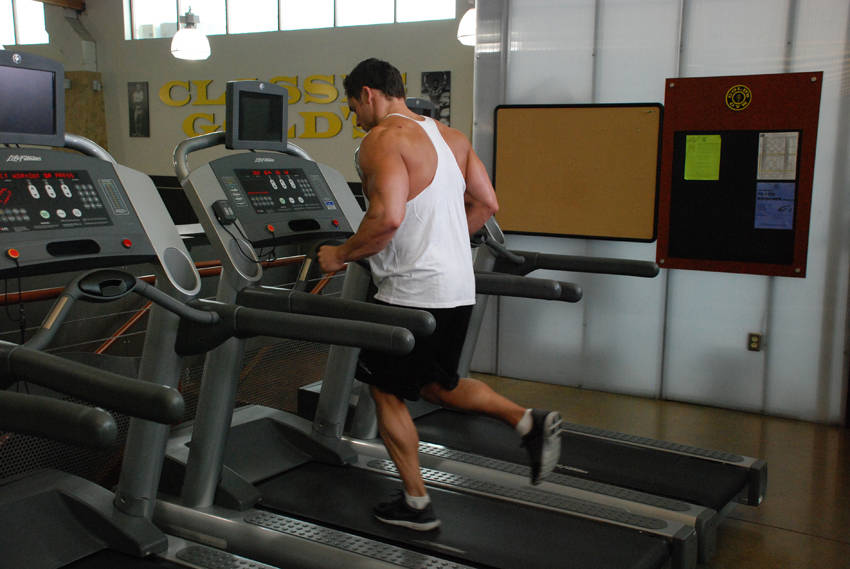
Jogging, Treadmill
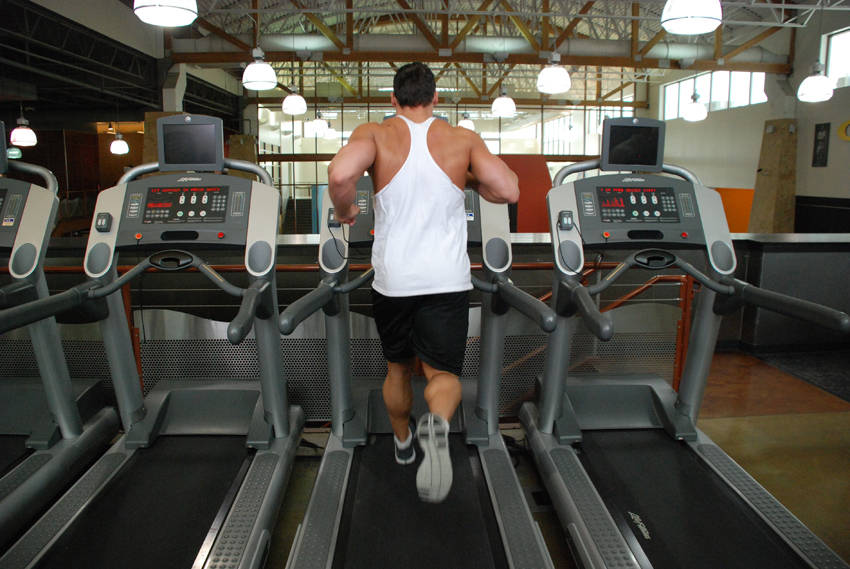
Running, Treadmill
Head-to-Head Comparison
| Attribute | Jogging, Treadmill | Running, Treadmill |
|---|---|---|
| Target Muscle |
Quads
|
Quads
|
| Body Part |
Cardio
|
Cardio
|
| Equipment |
Machine
|
Machine
|
| Difficulty |
Beginner
|
Beginner
|
| Movement Type |
Compound
|
Compound
|
| Secondary Muscles |
2
|
3
|
Secondary Muscles Activated
Jogging, Treadmill
Running, Treadmill
Visual Comparison
Overview
Jogging, Treadmill vs Running, Treadmill — both are staples for cardio work and quad development on a machine. If you want clear guidance, this guide breaks down how each movement loads the quads, which secondary muscles get worked, the equipment and safety cues you need, and how to progress without injury. You’ll get technique tips (cadence, footstrike, posture), numbers (pace ranges, impact multipliers, incline suggestions), and decisive recommendations for beginners, strength-focused athletes, and people training at home.
Key Differences
- Both exercises target the Quads using Machine. The main differences are in their movement patterns and muscle activation angles.
Pros & Cons
Jogging, Treadmill
+ Pros
- Lower impact and reduced peak ground reaction forces
- Easier to maintain steady-state cardio for longer durations (30–90 min)
- Suitable for recovery days and fat-loss aerobic zones (60–75% HRmax)
- Accessible on most home treadmills and for all fitness levels
− Cons
- Less stimulus for fast-twitch fiber recruitment and high power development
- Smaller increases in calf activation compared with running
- Limited overload options without adding incline or speed
Running, Treadmill
+ Pros
- Higher mechanical loading on quads and calves for muscle growth and power
- Greater progression options via speed, hill sprints, and intervals
- Improves rate of force development and running economy
- Better transfer to sports that require sprinting or fast-paced movement
− Cons
- Higher impact and greater injury risk if progressed too quickly
- Requires better motor control and running mechanics
- May be limited by treadmill top speed or motor quality at home
When Each Exercise Wins
Running generates higher peak forces and faster muscle contractions that produce more mechanical tension on the quads and calves. Use tempo runs, incline repeats, or short sprints (6–12 x 30–60 s) to stimulate type II fiber recruitment and progressive overload.
High-intensity efforts and hill sprints increase rate of force development and eccentric loading, which transfer to strength improvements. Pair sprints with resistance work and keep sets brief (4–8 s max sprints for power focus) to avoid excessive fatigue.
Jogging allows you to build aerobic base, joint tolerance, and cadence control with lower impact and simpler pacing. Start with 20–30 minute sessions at 4–6 mph and progress duration by 10% per week.
Most home treadmills support safe jogging speeds and lower impact sessions without needing high motor power or incline range. Jogging reduces noise and wear, making it more practical for daily home use.
Frequently Asked Questions
Can I do both Jogging, Treadmill and Running, Treadmill in the same workout?
Yes — combine them via warm-up jogs, a running-focused main set (intervals or tempo), and a cooldown jog. For example: 10 min easy jog, 20 min interval running (e.g., 6 x 1 min hard, 2 min easy), 10 min jog cooldown preserves technique and manages fatigue.
Which exercise is better for beginners?
Jogging, Treadmill is better for most beginners because it uses lower speeds and impact, letting you build joint tolerance and aerobic capacity. Start with short sessions and increase duration by about 10% per week.
How do the muscle activation patterns differ?
Jogging produces longer-duration, lower-amplitude muscle activity with longer contact times, favoring oxidative fibers in quads and glutes. Running shortens contact time and raises peak activation and rate of force development, increasing eccentric quad load and calf recruitment.
Can Running, Treadmill replace Jogging, Treadmill?
Running can replace jogging if you adjust volume and recovery to account for higher impact and intensity. For steady aerobic development, alternate running days with lower-intensity jogging or active recovery to avoid overuse injuries.
Expert Verdict
Use Jogging, Treadmill when you need low-impact, high-volume aerobic work to build an aerobic base or recover between hard sessions. It’s the safer, more accessible choice for beginners and long-duration cardio (20–90 minutes at 60–75% HRmax). Choose Running, Treadmill when your goal is power, quad and calf hypertrophy, or sport-specific speed — prioritize intervals, hill repeats, and shorter high-intensity bouts (e.g., 6–12 x 30–60 s with full recovery). Always progress speed and volume by ~10% per week, cue upright posture, midfoot strike, and controlled cadence to reduce injury risk.
Also Compare
More comparisons with Jogging, Treadmill
Compare More Exercises
Use our free comparison tool to analyze any two exercises head-to-head.
Compare Exercises