

Jogging, Treadmill vs Semi Squat Jump (male): Complete Comparison Guide
Jogging, Treadmill vs Semi Squat Jump (male) — you’re choosing between steady-state cardio and explosive plyometrics. In this guide you’ll get clear comparisons of quad activation, secondary muscle work, biomechanics (joint angles, force vectors, stretch-shortening), equipment needs, difficulty, and programming tips. I’ll give technique cues you can use today, numbers for rep ranges and durations, and specific scenarios where one exercise outperforms the other. Use this to pick the right movement for endurance, muscle growth, power, or home training and to combine them effectively in your sessions.
Exercise Comparison
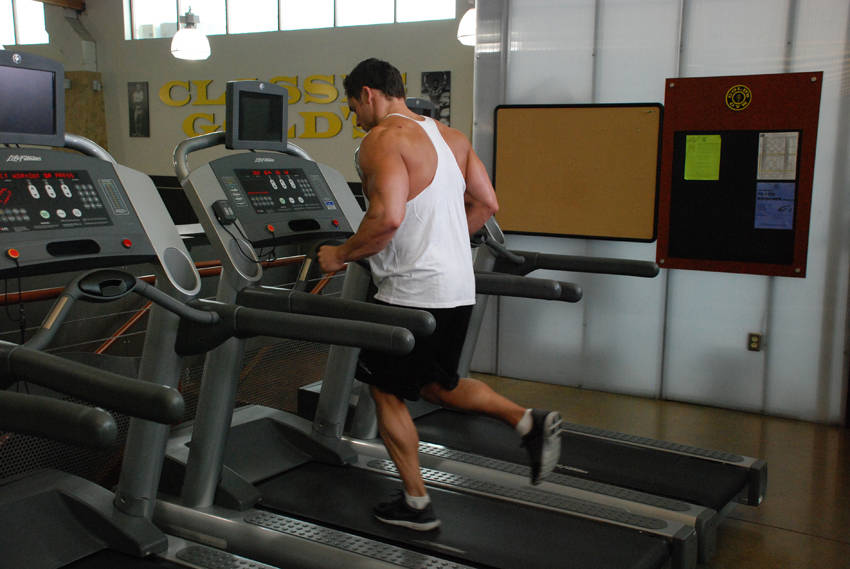
Jogging, Treadmill
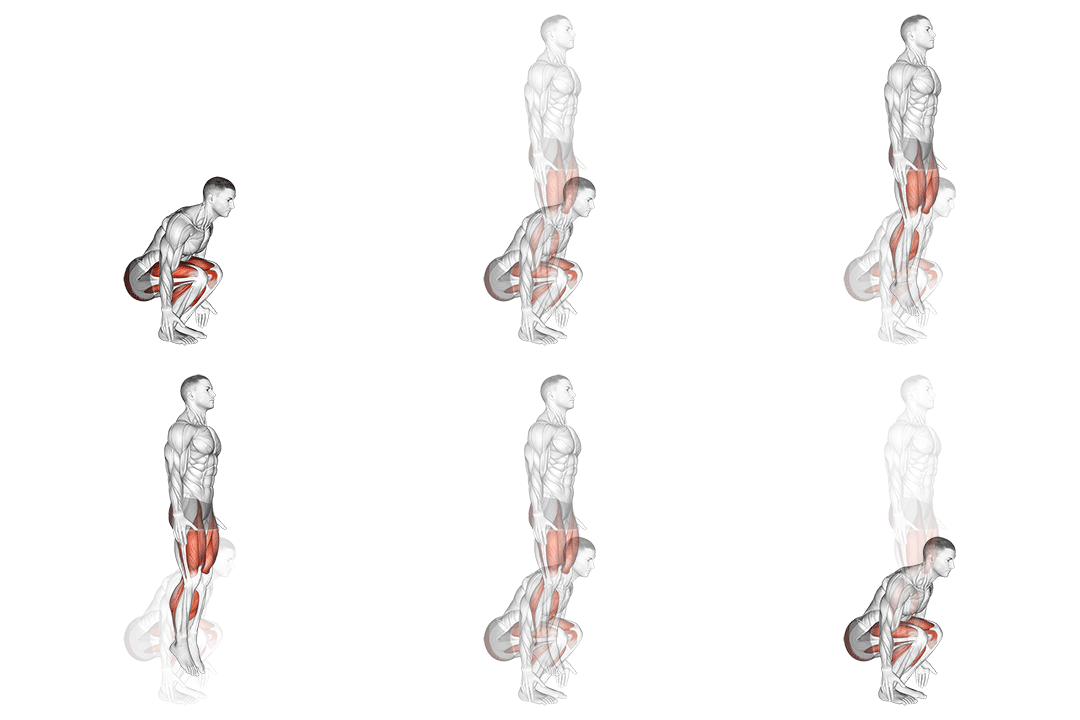
Semi Squat Jump (male)
Head-to-Head Comparison
| Attribute | Jogging, Treadmill | Semi Squat Jump (male) |
|---|---|---|
| Target Muscle |
Quads
|
Quads
|
| Body Part |
Cardio
|
Cardio
|
| Equipment |
Machine
|
Body-weight
|
| Difficulty |
Beginner
|
Intermediate
|
| Movement Type |
Compound
|
Compound
|
| Secondary Muscles |
2
|
3
|
Secondary Muscles Activated
Jogging, Treadmill
Semi Squat Jump (male)
Visual Comparison
Overview
Jogging, Treadmill vs Semi Squat Jump (male) — you’re choosing between steady-state cardio and explosive plyometrics. In this guide you’ll get clear comparisons of quad activation, secondary muscle work, biomechanics (joint angles, force vectors, stretch-shortening), equipment needs, difficulty, and programming tips. I’ll give technique cues you can use today, numbers for rep ranges and durations, and specific scenarios where one exercise outperforms the other. Use this to pick the right movement for endurance, muscle growth, power, or home training and to combine them effectively in your sessions.
Key Differences
- Equipment differs: Jogging, Treadmill uses Machine, while Semi Squat Jump (male) requires Body-weight.
- Difficulty levels differ: Jogging, Treadmill is beginner, while Semi Squat Jump (male) is intermediate.
Pros & Cons
Jogging, Treadmill
+ Pros
- Low technical demand — easy to learn and monitor with pace and heart-rate
- Superior for steady-state cardio and caloric burn across prolonged sessions
- Low acute joint loading per stride compared with jumps, reducing short-term injury risk
- Easily scaled via speed, incline, intervals, and duration for endurance programming
− Cons
- Less peak quad power and type II fiber recruitment than explosive moves
- Limited stimulus for rapid strength or vertical force production
- Requires a treadmill machine or a safe outdoor route for consistent training
Semi Squat Jump (male)
+ Pros
- High peak quadriceps and calf activation—excellent for power and muscle stimulus
- No equipment needed—great for home and minimal-space training
- Short, high-intensity sets produce fast neuromuscular adaptations and improved rate of force development
- Easily progressed with added load, height, or plyometric variations
− Cons
- Higher impact and peak ground reaction forces increase acute joint stress
- Requires good landing mechanics and core stability to be safe
- Harder for true beginners to perform with consistent quality
When Each Exercise Wins
Semi Squat Jumps create higher peak quad loading and faster motor-unit recruitment, making them better for stimulating type II fibers. Use sets of 4–6 reps, 3–5 sets, and add a weighted vest to increase mechanical tension for hypertrophy.
The explosive triple-extension develops rate of force development and transfers to strength; pair jumps with heavier strength work for best results. Focus on 3–6 reps with full recovery to prioritize force output.
Treadmill jogging is easier to coach, monitor, and scale with speed or incline, and it minimizes acute joint stress. Start with 15–30 minute sessions at 60–75% HRmax to build base aerobic fitness.
No machine required and you can get high quad stimulus and cardio effect in short intervals. Pair 6–10 quality jumps with rest or circuit-style conditioning for efficient sessions.
Frequently Asked Questions
Can I do both Jogging, Treadmill and Semi Squat Jump (male) in the same workout?
Yes. Put semi squat jumps early in the workout or on fresh days to prioritize power (3–5 sets of 4–8 reps), then use treadmill jogging for conditioning or cooldown (20–30 minutes easy). Keep total jump volume low to avoid fatigue-related technique breakdown.
Which exercise is better for beginners?
Jogging on a treadmill is better for most beginners because it’s easier to control intensity and has lower acute impact per stride. Teach basic landing mechanics and progression steps for jumps before adding them to a beginner program.
How do the muscle activation patterns differ?
Jogging produces steady, lower-amplitude quad activation with repeated eccentric braking and concentric push-off, while semi squat jumps produce short, high-amplitude concentric bursts using the stretch-shortening cycle and greater fast-twitch recruitment. Jumps yield higher instantaneous power and posterior chain contribution during hip extension.
Can Semi Squat Jump (male) replace Jogging, Treadmill?
Not fully. Semi squat jumps can replace some conditioning and add quad and power stimulus, but they don’t provide the same steady-state aerobic base or low-intensity volume. Use jumps for high-intensity, time-efficient sessions and jogging for aerobic endurance and recovery.
Expert Verdict
Choose Semi Squat Jump (male) when your priority is quad-focused power, short-term muscle stimulus, and minimal equipment—use it for 3–5 sets of 4–8 reps, emphasizing explosive intent and safe landings. Pick Jogging, Treadmill when you need aerobic conditioning, joint-friendly volume, and an easy-to-control progress model—20–60 minutes at 60–75% HRmax or interval work for conditioning. If your goal is endurance or low-impact steady progress, pick the treadmill. If you want rapid strength, hypertrophy, or time-efficient power work at home, prioritize the semi squat jump while managing landing mechanics and volume.
Also Compare
More comparisons with Jogging, Treadmill


Compare More Exercises
Use our free comparison tool to analyze any two exercises head-to-head.
Compare Exercises