

Kettlebell Alternating Press vs Kettlebell Thruster: Complete Comparison Guide
Kettlebell Alternating Press vs Kettlebell Thruster — two compound shoulder moves that look similar but load your body very differently. You’ll learn which one targets the delts more directly, which recruits your legs and hips, and how each affects core stability, metabolic demand, and motor patterns. I’ll cover biomechanics, exact technique cues, rep ranges for hypertrophy and conditioning, progression options, and injury considerations so you can pick the exercise that matches your goals and training environment.
Exercise Comparison
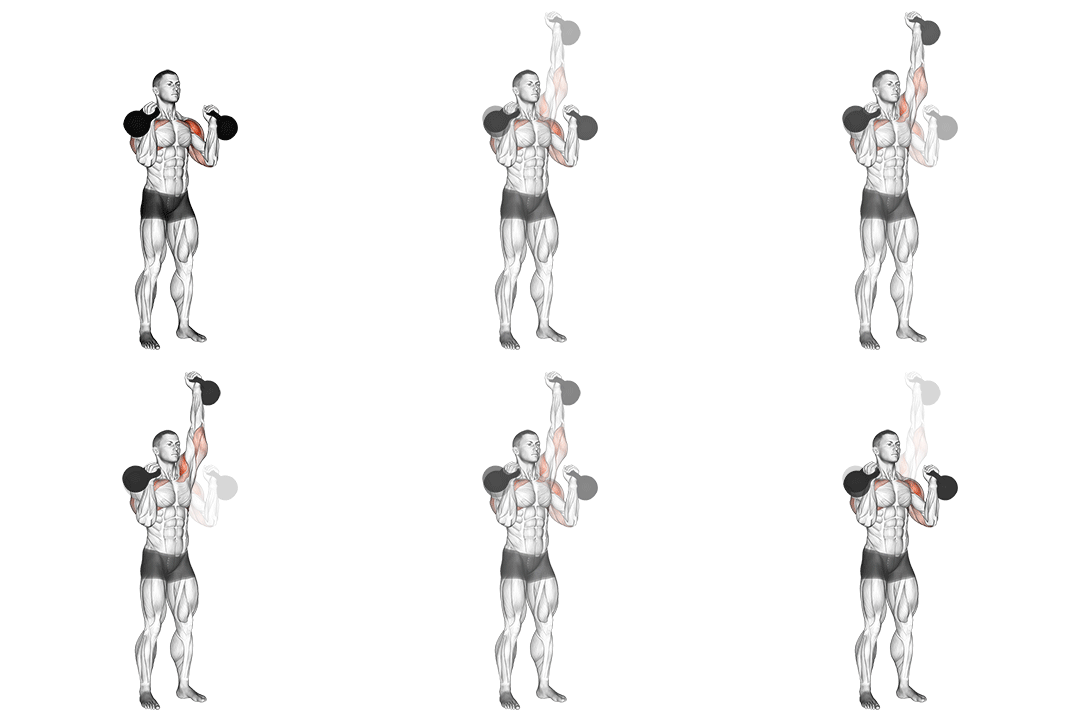
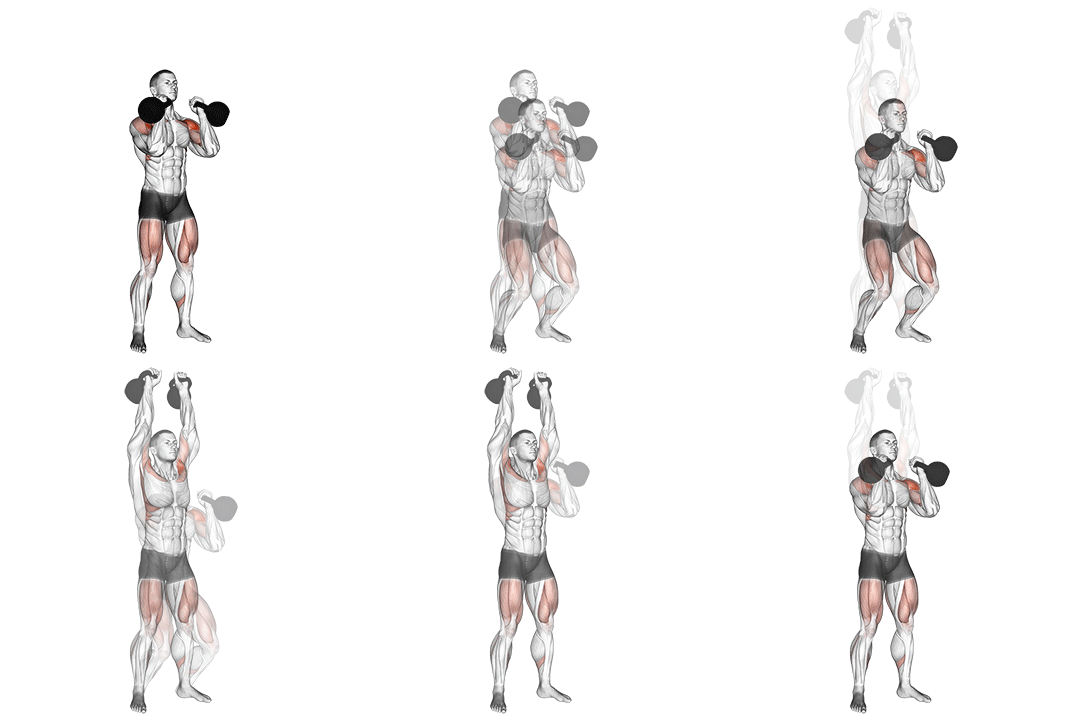
Kettlebell Alternating Press
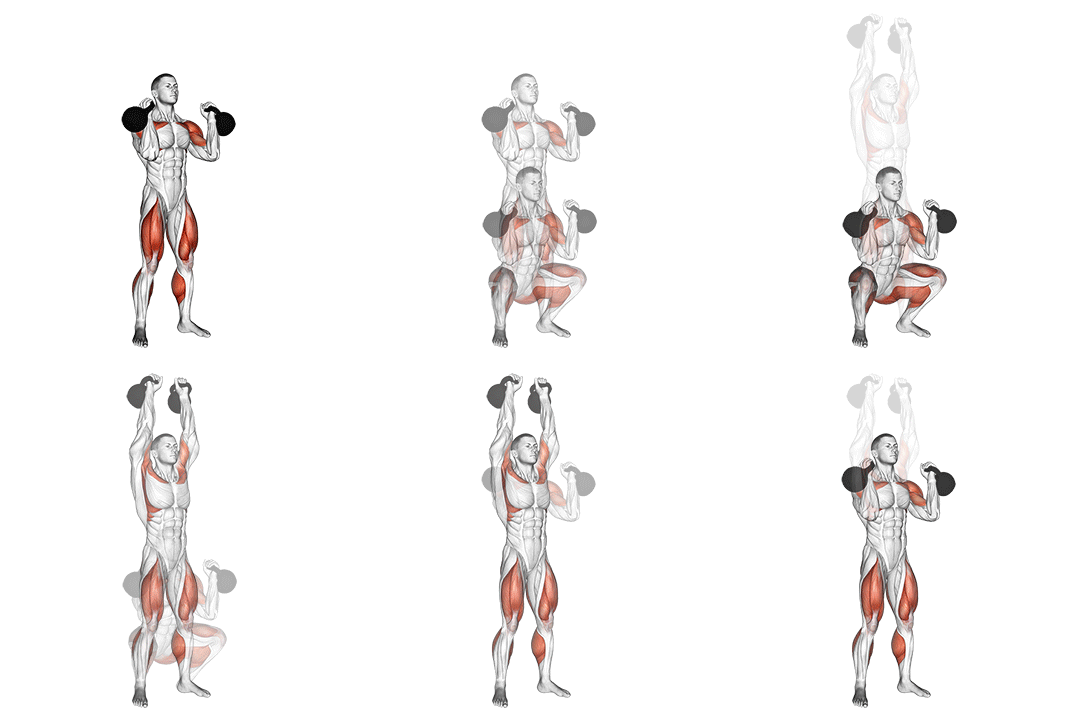
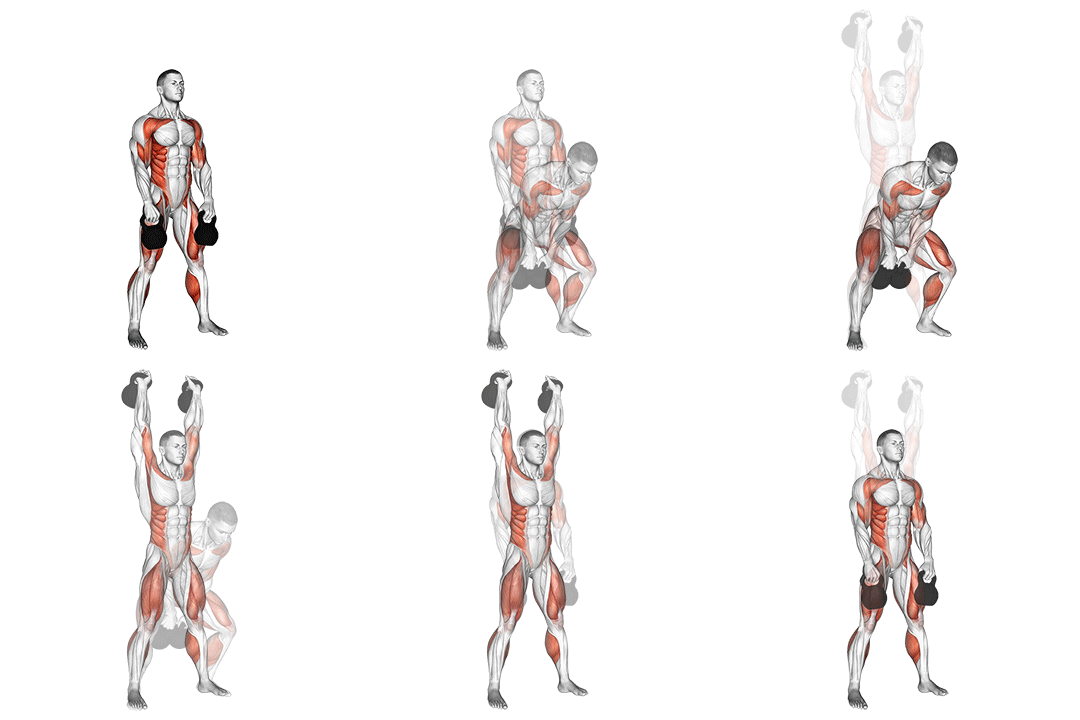
Kettlebell Thruster
Head-to-Head Comparison
| Attribute | Kettlebell Alternating Press | Kettlebell Thruster |
|---|---|---|
| Target Muscle |
Delts
|
Delts
|
| Body Part |
Shoulders
|
Shoulders
|
| Equipment |
Kettlebell
|
Kettlebell
|
| Difficulty |
Intermediate
|
Intermediate
|
| Movement Type |
Compound
|
Compound
|
| Secondary Muscles |
2
|
3
|
Secondary Muscles Activated
Kettlebell Alternating Press
Kettlebell Thruster
Visual Comparison
Overview
Kettlebell Alternating Press vs Kettlebell Thruster — two compound shoulder moves that look similar but load your body very differently. You’ll learn which one targets the delts more directly, which recruits your legs and hips, and how each affects core stability, metabolic demand, and motor patterns. I’ll cover biomechanics, exact technique cues, rep ranges for hypertrophy and conditioning, progression options, and injury considerations so you can pick the exercise that matches your goals and training environment.
Key Differences
- Both exercises target the Delts using Kettlebell. The main differences are in their movement patterns and muscle activation angles.
Pros & Cons
Kettlebell Alternating Press
+ Pros
- Direct, sustained deltoid loading for hypertrophy
- Lower space and mobility requirements
- Greater emphasis on unilateral core anti-rotation stability
- Easier to scale tempo and strict reps (6–12 per arm)
− Cons
- Less metabolic and full-body stimulus
- Limited power development compared to thrusters
- Can fatigue rotator cuff if form/shoulder mobility is poor
Kettlebell Thruster
+ Pros
- Combines squat and press for high metabolic demand
- Builds lower-body power and conditioning
- Efficient full-body movement for time-savings
- Excellent for higher-rep work (8–20) and complexes
− Cons
- Requires good squat and hip drive mechanics
- Less direct isolated deltoid tension per rep
- Higher coordination and lumbar loading risk if done poorly
When Each Exercise Wins
Alternating presses keep the deltoid under longer tension and let you control tempo and eccentric loading, which supports hypertrophy. Use 6–12 reps per arm, 3–5 sets, and 2–4 second eccentrics to maximize muscle time under tension.
For pure shoulder strength and unilateral balance, strict single-arm presses allow heavier focus on shoulder torque and progressive overload. Work down to 4–6 strict reps per arm with heavier kettlebells and longer rests.
It isolates the press pattern and teaches bracing and vertical alignment without the complexity of timing squat drive and press together. Start with light loads and master rack position and controlled presses.
Thrusters give greater conditioning and full-body work with one implement, making them time-efficient for home sessions. Use moderate weights for 8–15 reps or circuits to boost calorie burn and work capacity.
Frequently Asked Questions
Can I do both Kettlebell Alternating Press and Kettlebell Thruster in the same workout?
Yes. Use alternating presses as a primary shoulder strength movement (3–5 sets of 6–12 per arm) and add short thruster sets (3–4 sets of 8–12) for conditioning. Sequence presses first if your goal is maximal shoulder development; put thrusters later if you want metabolic work.
Which exercise is better for beginners?
The Alternating Press is better for beginners because it isolates the pressing pattern and requires less coordination and mobility. Start light to learn rack position, bracing, and strict vertical pressing before adding thruster variations.
How do the muscle activation patterns differ?
Alternating presses keep deltoid torque high across a controlled concentric and eccentric arc, emphasizing shoulder muscle length-tension. Thrusters produce a ballistic pattern where hip and knee extension supply much of the initial force and the deltoid sees peak activation near lockout for a shorter time under tension.
Can Kettlebell Thruster replace Kettlebell Alternating Press?
Thrusters can replace presses if your goal is conditioning and power, but they will not match isolated deltoid tension for hypertrophy or strict shoulder strength. If you need targeted shoulder development, keep the alternating press in your program.
Expert Verdict
Pick the Kettlebell Alternating Press when your priority is shoulder development, unilateral strength, and controlled hypertrophy. Its vertical force vector and longer time under tension target the deltoids and demand core anti-rotation stability without heavy lower-body involvement. Choose the Kettlebell Thruster when you want power, conditioning, and efficient full-body training — the squat-to-press sequence shifts load to quads and glutes and raises metabolic demand. If you train for shoulder size and strict strength, prioritize the alternating press; if you want work capacity, power, or a time-efficient total-body stimulus, favor thrusters.
Also Compare
More comparisons with Kettlebell Alternating Press
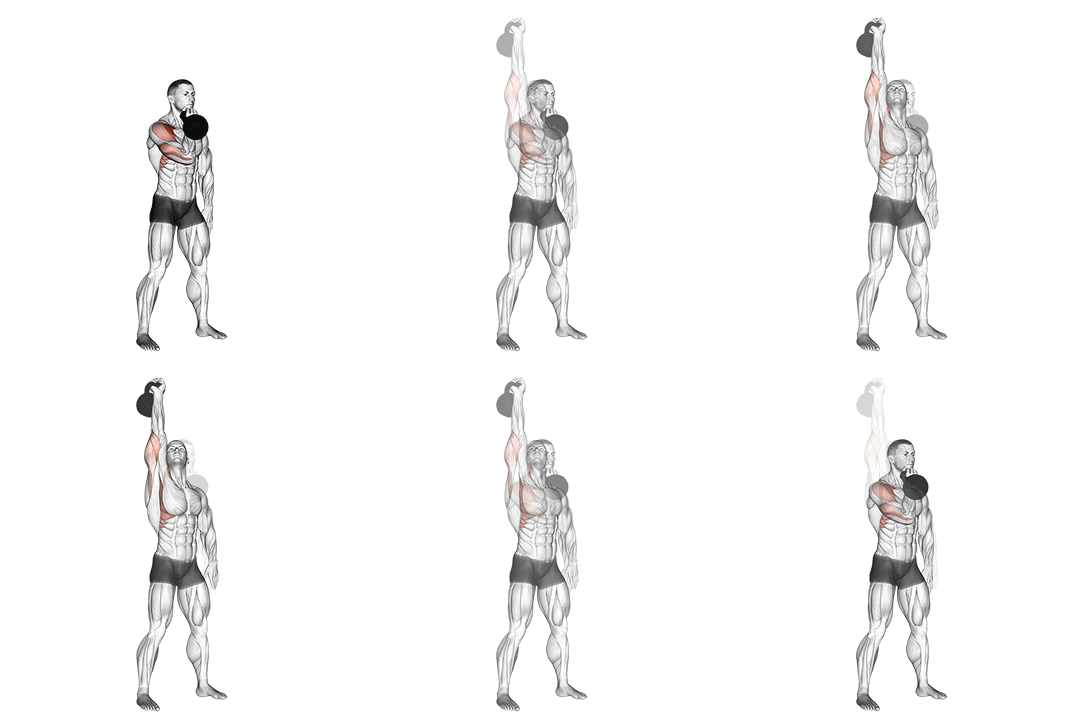
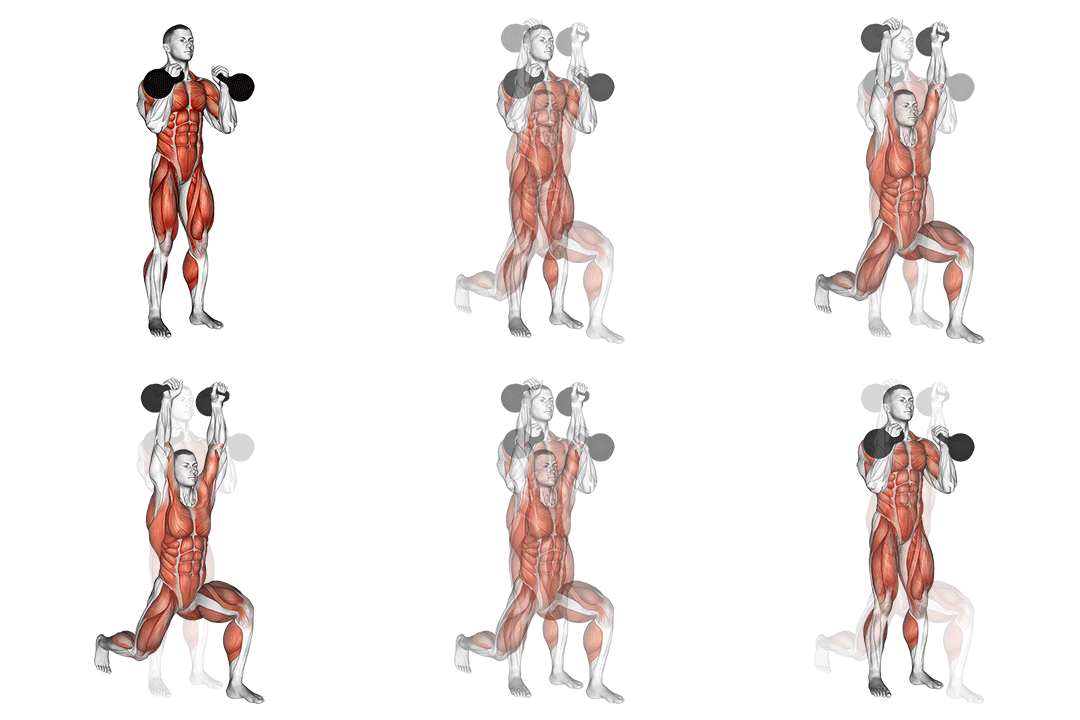
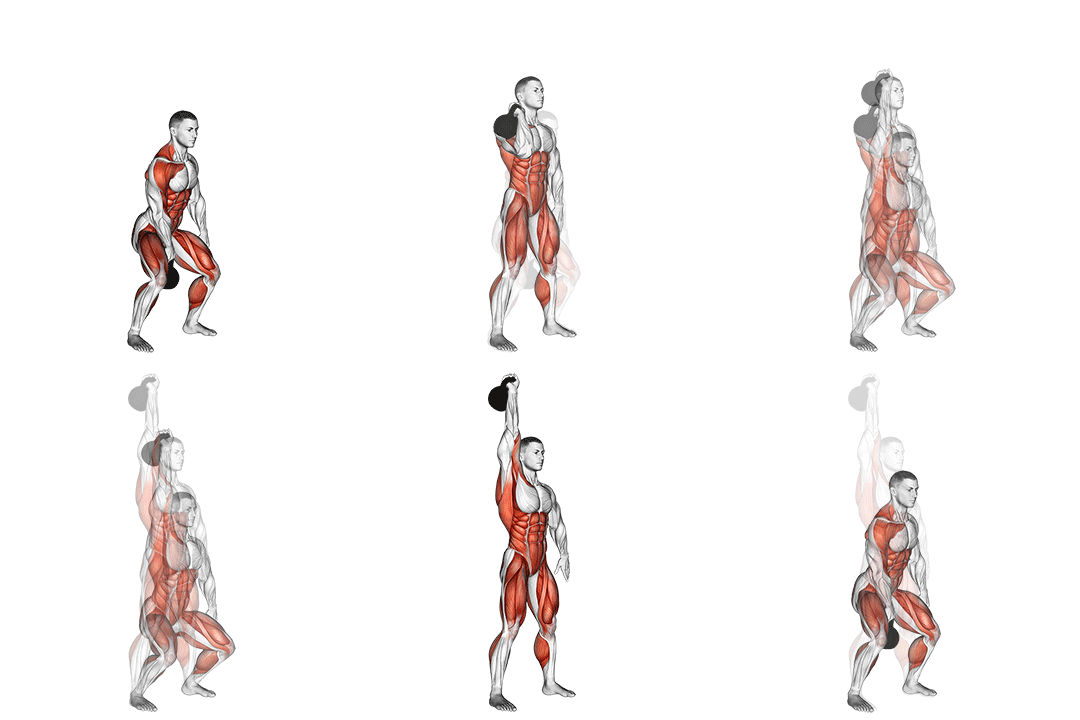
More comparisons with Kettlebell Thruster
Compare More Exercises
Use our free comparison tool to analyze any two exercises head-to-head.
Compare Exercises