

Kettlebell Double Jerk vs Kettlebell Double Snatch: Complete Comparison Guide
Kettlebell Double Jerk vs Kettlebell Double Snatch — both are advanced, compound shoulder builders that test power, timing, and stability. If you want clear guidance on which to program, this guide helps you decide. You’ll get technique cues, biomechanics breakdowns (force vectors, hip-knee-ankle triple extension, scapular upward rotation), rep-range recommendations (1–5 for power, 6–12 for muscle growth, 15–30 for conditioning), and practical progressions so you can pick the move that fits your goal and equipment setup.
Exercise Comparison
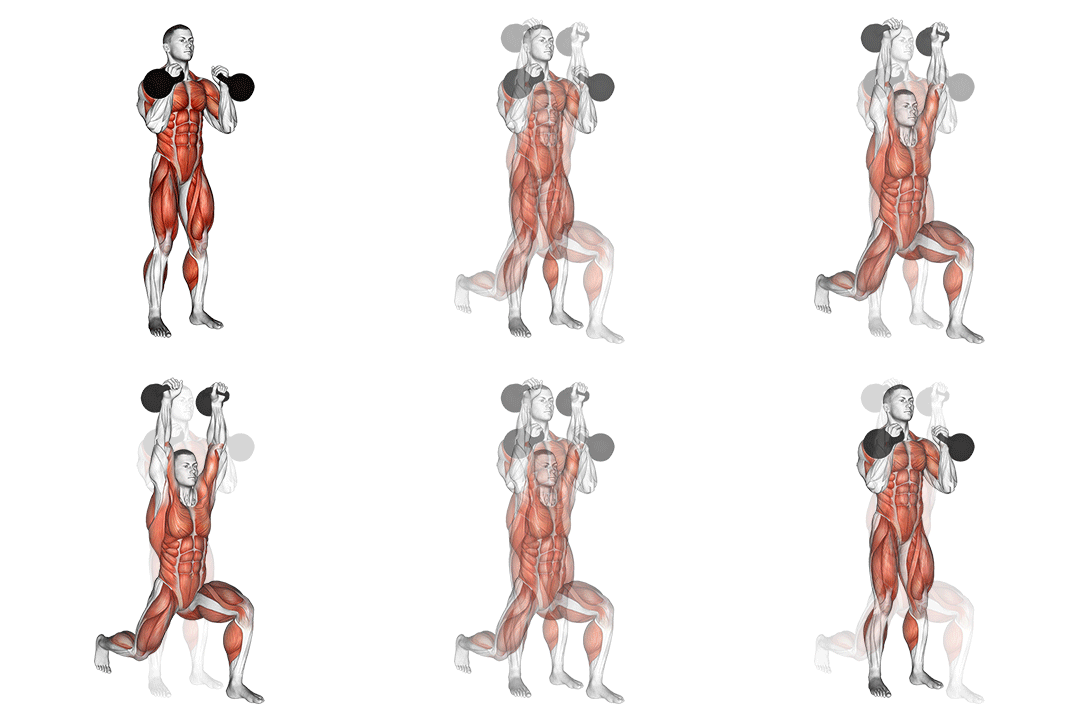
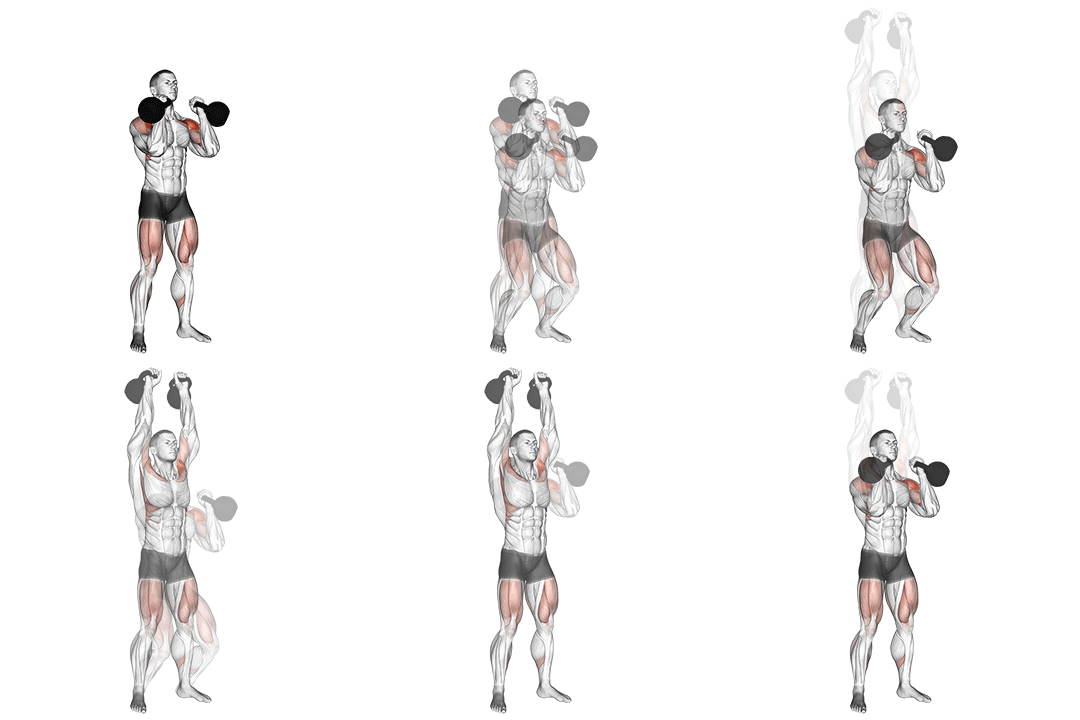
Kettlebell Double Jerk
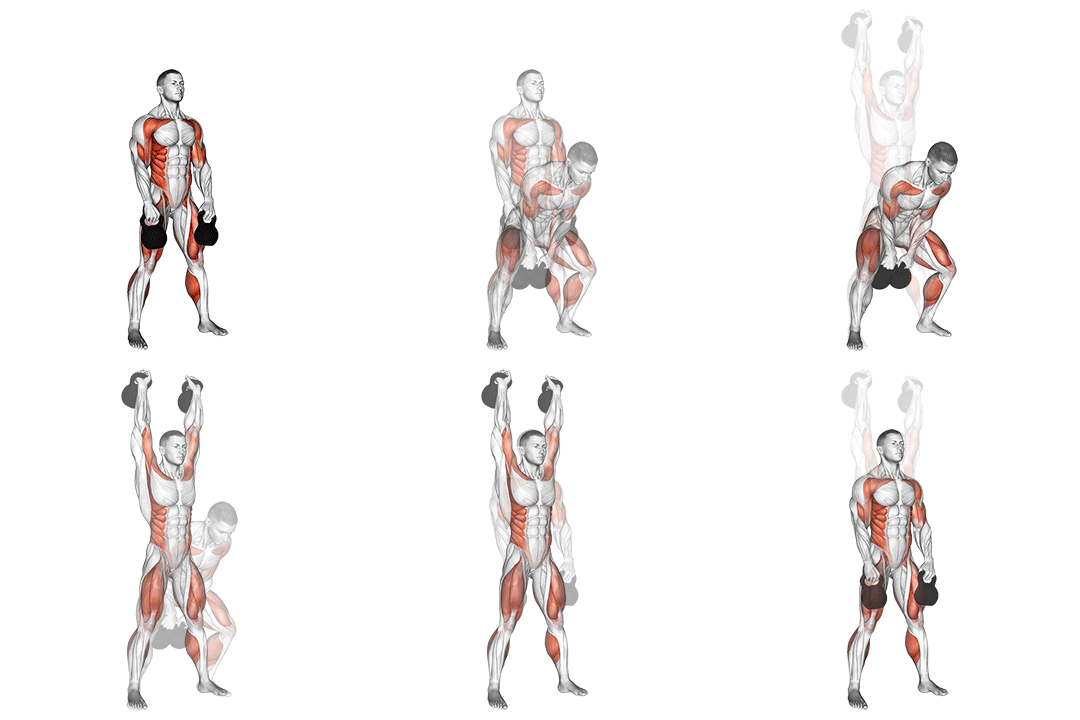
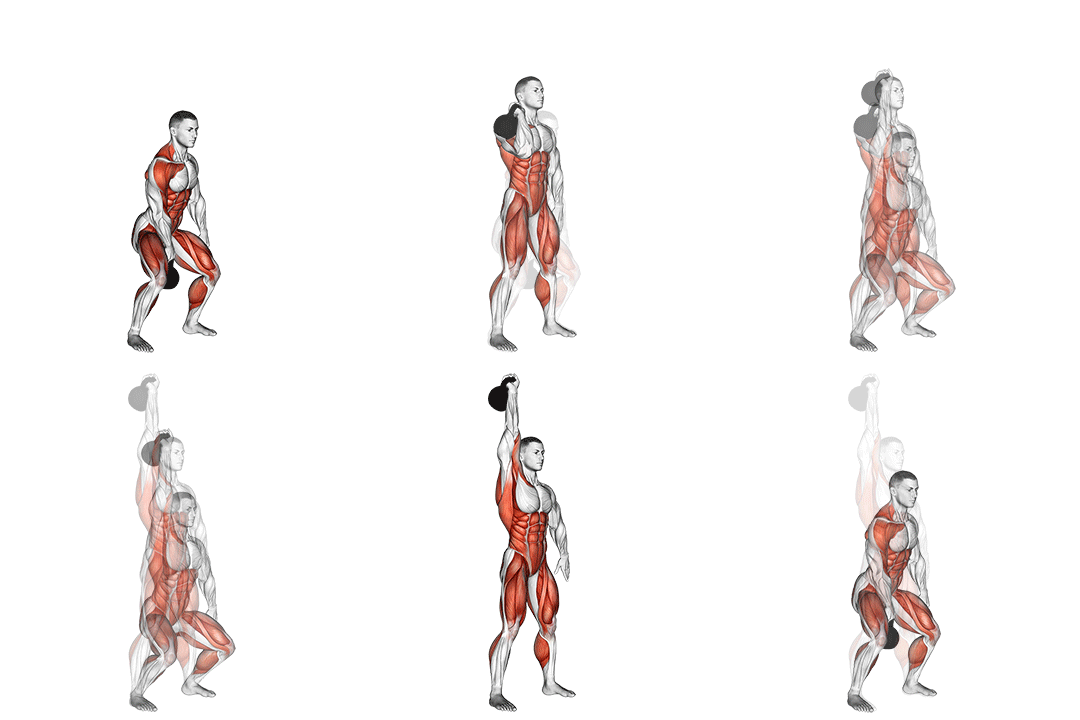
Kettlebell Double Snatch
Head-to-Head Comparison
| Attribute | Kettlebell Double Jerk | Kettlebell Double Snatch |
|---|---|---|
| Target Muscle |
Delts
|
Delts
|
| Body Part |
Shoulders
|
Shoulders
|
| Equipment |
Kettlebell
|
Kettlebell
|
| Difficulty |
Advanced
|
Advanced
|
| Movement Type |
Compound
|
Compound
|
| Secondary Muscles |
2
|
3
|
Secondary Muscles Activated
Kettlebell Double Jerk
Kettlebell Double Snatch
Visual Comparison
Overview
Kettlebell Double Jerk vs Kettlebell Double Snatch — both are advanced, compound shoulder builders that test power, timing, and stability. If you want clear guidance on which to program, this guide helps you decide. You’ll get technique cues, biomechanics breakdowns (force vectors, hip-knee-ankle triple extension, scapular upward rotation), rep-range recommendations (1–5 for power, 6–12 for muscle growth, 15–30 for conditioning), and practical progressions so you can pick the move that fits your goal and equipment setup.
Key Differences
- Both exercises target the Delts using Kettlebell. The main differences are in their movement patterns and muscle activation angles.
Pros & Cons
Kettlebell Double Jerk
+ Pros
- Allows heavier loading for low-rep strength (1–5 reps)
- Better control during lockout—less reliance on grip endurance
- Easier progressive regressions (push press → push jerk)
- Strong triceps and deltoid overload for hypertrophy (6–12 reps)
− Cons
- Requires precise dip-drive timing and core bracing
- Needs good shoulder mobility for safe overhead lockout
- Less metabolic conditioning compared to the snatch
Kettlebell Double Snatch
+ Pros
- Excellent for power development and rate of force production
- Higher trapezius and forearm engagement—good for athletic transfer
- Great conditioning tool in higher-rep formats (15–30 reps)
- Efficient full-body ballistic pattern (hip-driven)
− Cons
- Higher technical demand—harder to learn safely
- Greater grip and wrist fatigue in longer sets
- Higher low-back shear if hip hinge timing is poor
When Each Exercise Wins
The jerk lets you use heavier loads and longer time under tension for the delts and triceps (6–12 rep ranges), producing more mechanical tension and progressive overload for muscle growth.
Jerk variations support heavier top-end loads and specific lockout strength, making it superior for increasing absolute overhead pressing capacity in low-rep sets (1–5 reps).
While both are advanced, the jerk has clearer regressions (push press, single-arm jerk) and is easier to break into phases, so a novice can build the necessary press and dip mechanics safely.
The snatch is ideal for limited-equipment conditioning—you can get power, cardio, and full-body work with higher-rep sets and less need for spotters or racks.
Frequently Asked Questions
Can I do both Kettlebell Double Jerk and Kettlebell Double Snatch in the same workout?
Yes — structure them so the technical or heavier lift is first. For example, perform 3–5 work sets of heavy jerks (1–5 reps) then follow with snatch conditioning (3–6 sets of 10–15 reps) to avoid technique breakdown from fatigue.
Which exercise is better for beginners?
The double jerk is marginally better for beginners because you can break it into regressions (push press, single-arm variations) and slowly increase dip depth and load. Still, both require building hip hinge, core control, and shoulder mobility first.
How do the muscle activation patterns differ?
The jerk uses a dip-drive then a press phase that sustains deltoid and triceps torque, while the snatch uses a rapid hip extension and pull that spikes deltoid, trap, and forearm activation for a brief period—jerk is sustained force, snatch is high-rate force development.
Can Kettlebell Double Snatch replace Kettlebell Double Jerk?
It can replace the jerk for power and conditioning goals, but not for maximal overhead strength or targeted triceps hypertrophy. If your aim is heavier pressing capacity, keep the jerk in the program.
Expert Verdict
Use the kettlebell double jerk when your priority is shoulder strength and targeted deltoid plus triceps overload—program it for 1–5 rep strength blocks or 6–12 rep hypertrophy cycles with progressive load increases. Choose the kettlebell double snatch when you want power, conditioning, and athletic transfer; use 3–6 reps for power or 15–30 for metabolic sessions. If you’re newer to these patterns, build the hinge and press separately ( Romanian deadlift, push press) before combining them. Both moves demand mobility, core bracing, and precise timing—pick the one that matches your immediate goal and regress or progress from there.
Also Compare
More comparisons with Kettlebell Double Jerk
More comparisons with Kettlebell Double Snatch
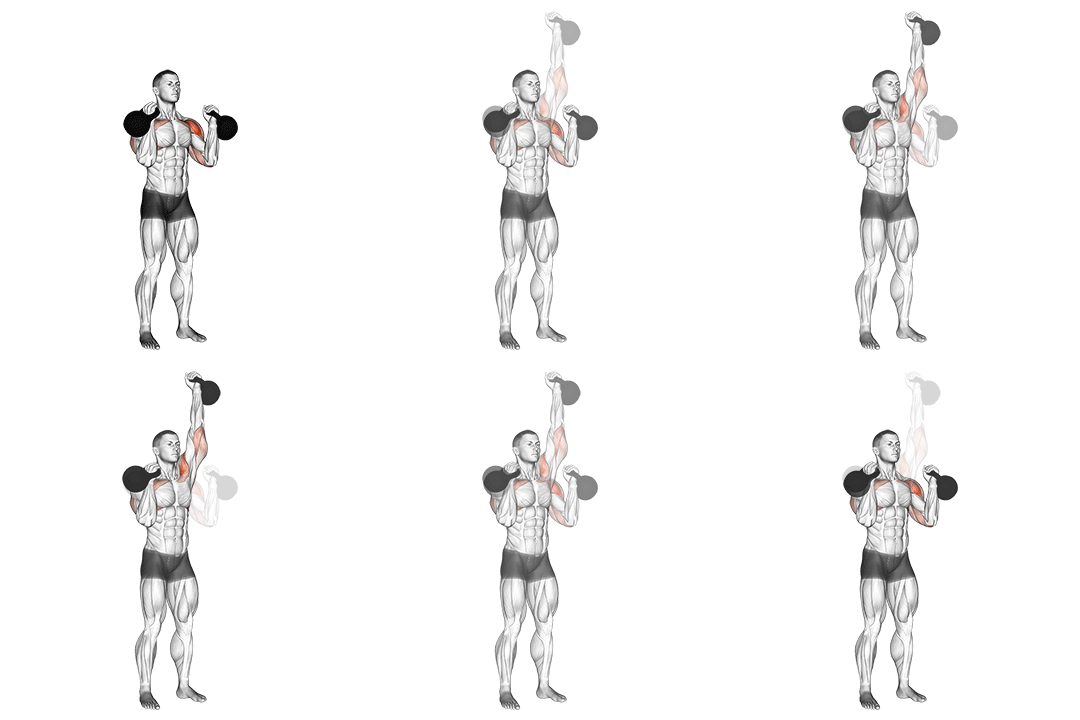
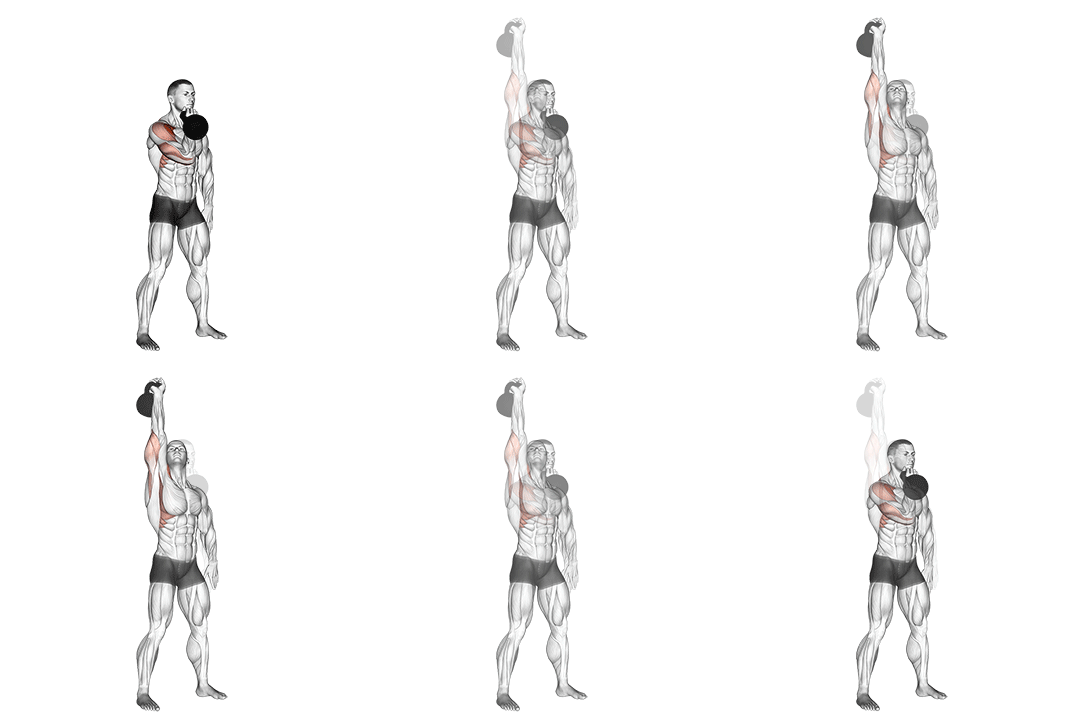
Compare More Exercises
Use our free comparison tool to analyze any two exercises head-to-head.
Compare Exercises