

Kettlebell Double Jerk vs Kettlebell One Arm Clean And Jerk: Complete Comparison Guide
Kettlebell Double Jerk vs Kettlebell One Arm Clean And Jerk pits a bilateral, high-force overhead drive against a unilateral, stability-demanding variation. You’ll get clear guidance on shoulder activation, core demands, practical technique cues, rep ranges (3–6 for strength, 6–12 for hypertrophy), and which exercise suits specific goals. Read on to learn how force vectors, hip drive, and unilateral bracing change muscle recruitment so you can pick the right lift for your programming and progress safely.
Exercise Comparison
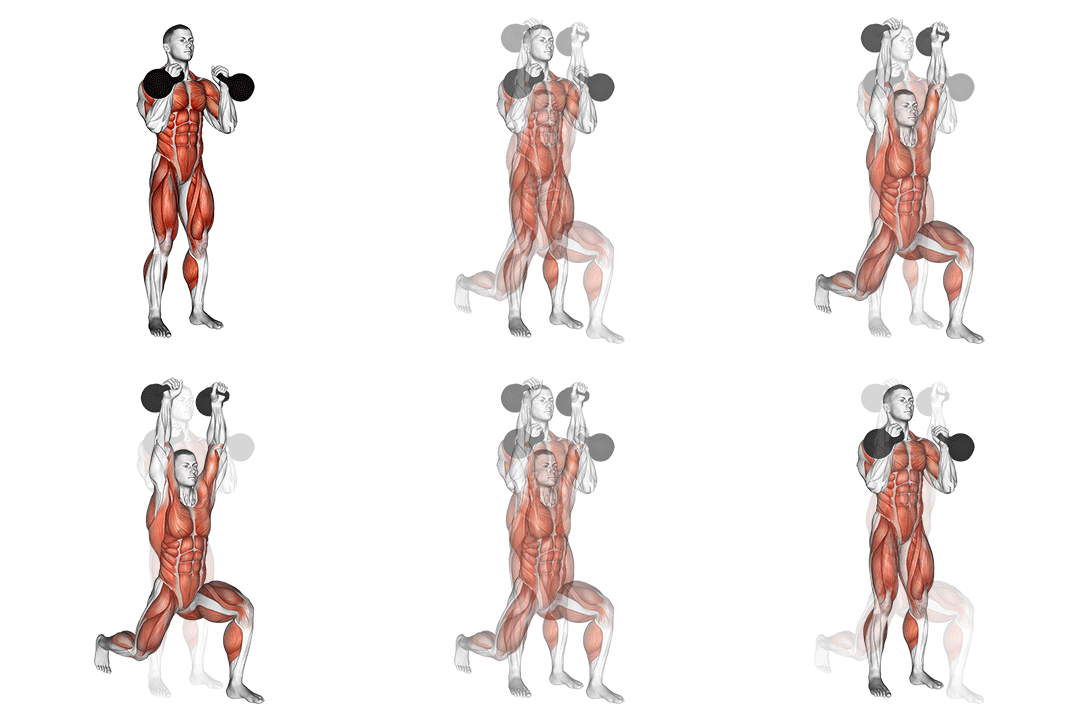
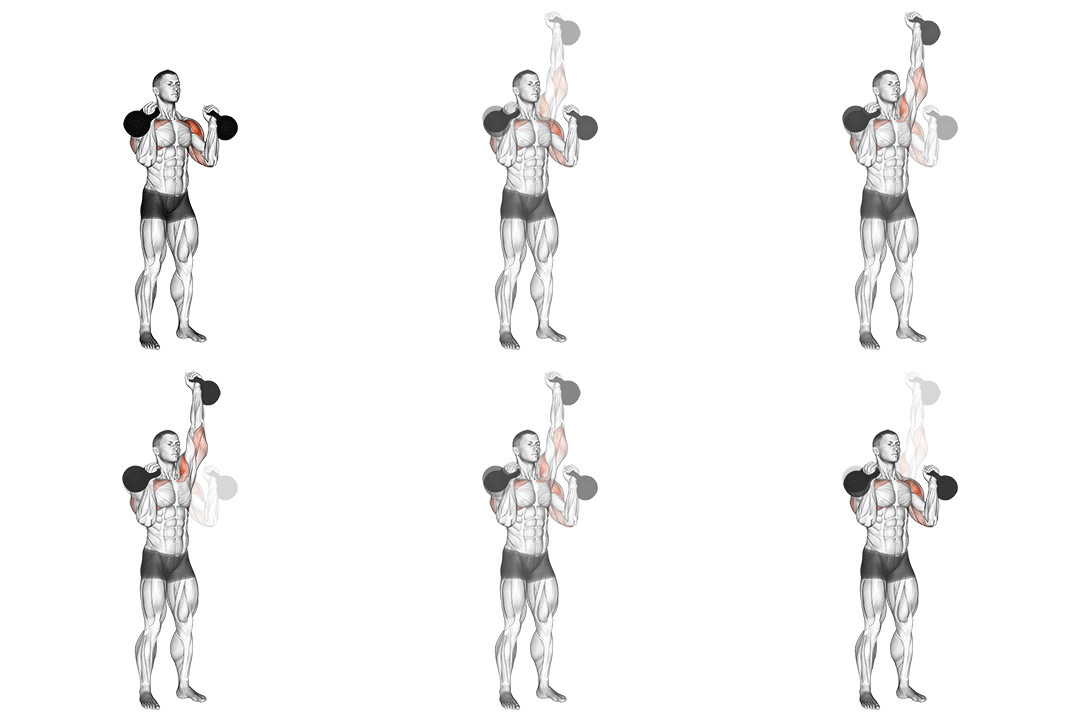
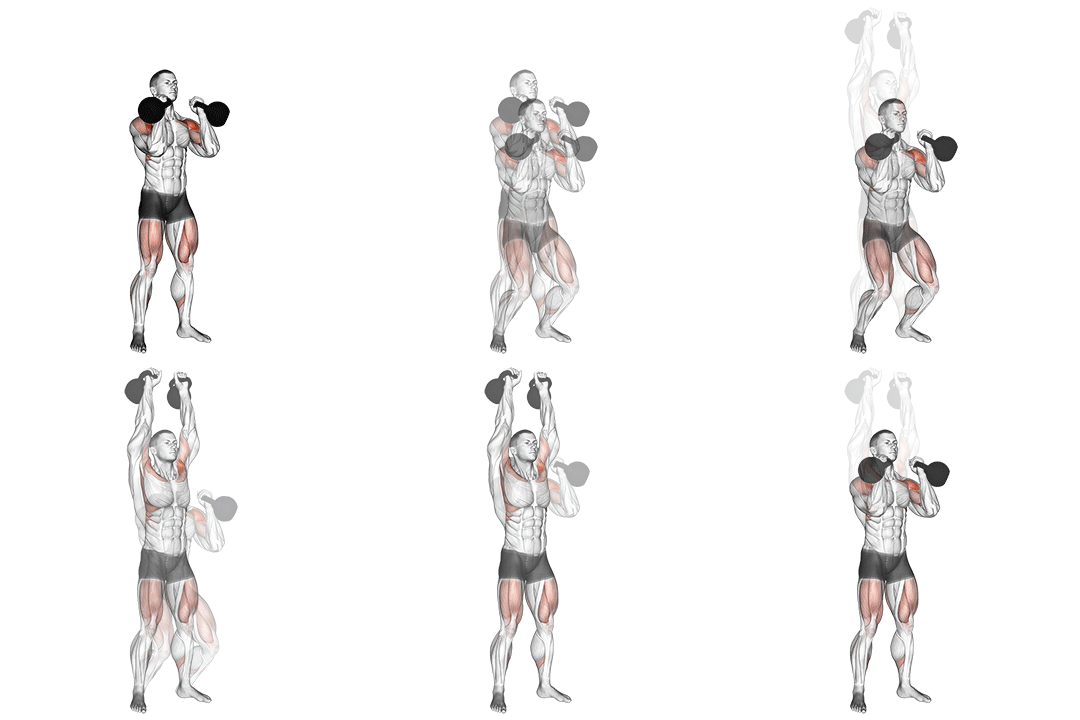
Kettlebell Double Jerk
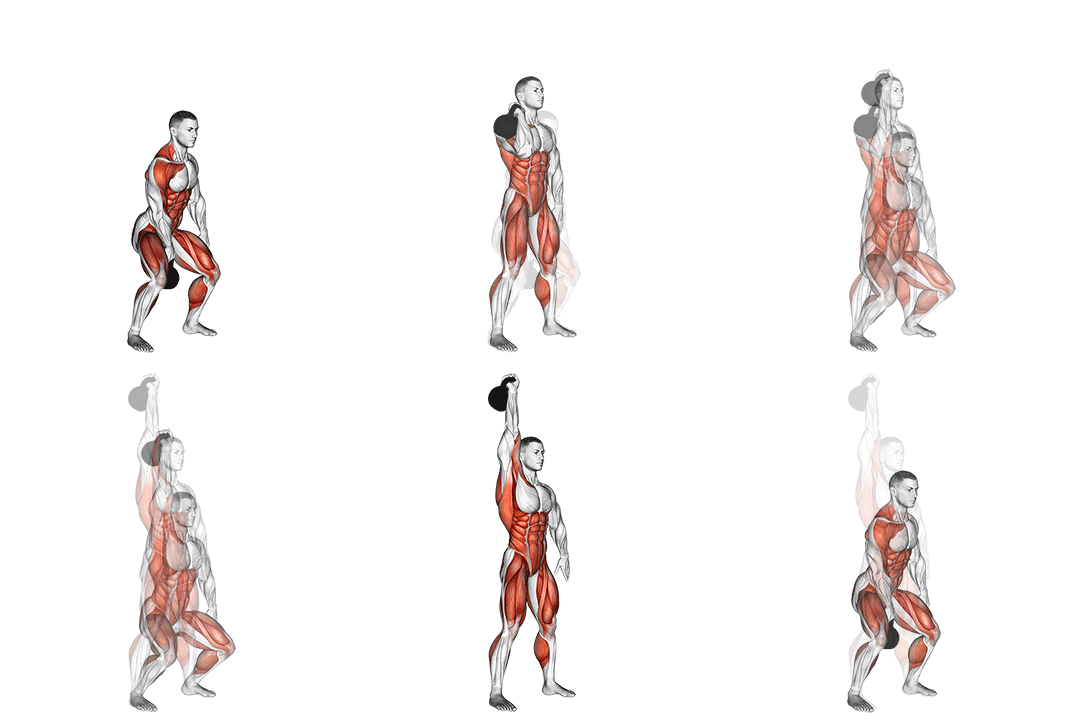
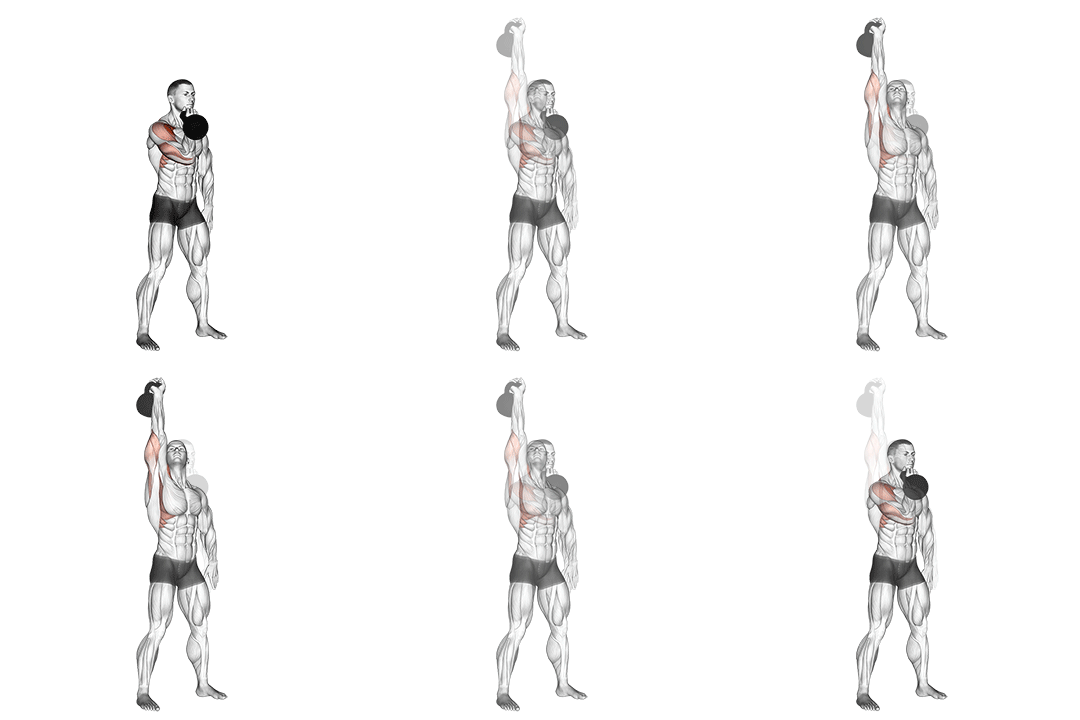
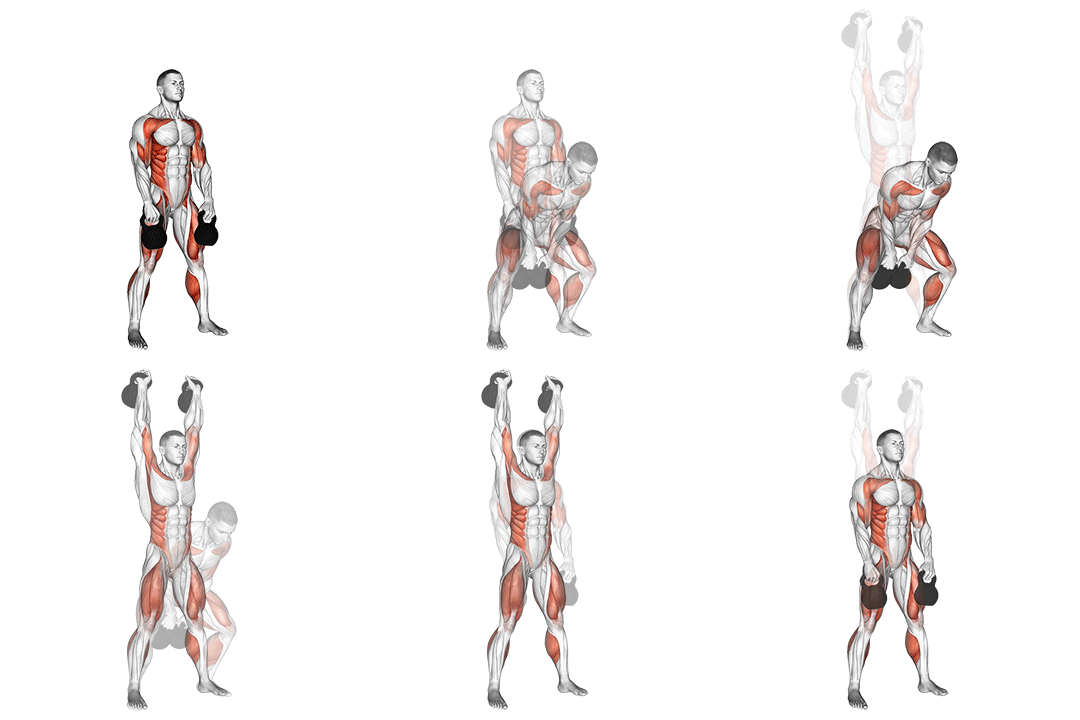
Kettlebell One Arm Clean And Jerk
Head-to-Head Comparison
| Attribute | Kettlebell Double Jerk | Kettlebell One Arm Clean And Jerk |
|---|---|---|
| Target Muscle |
Delts
|
Delts
|
| Body Part |
Shoulders
|
Shoulders
|
| Equipment |
Kettlebell
|
Kettlebell
|
| Difficulty |
Advanced
|
Advanced
|
| Movement Type |
Compound
|
Compound
|
| Secondary Muscles |
2
|
2
|
Secondary Muscles Activated
Kettlebell Double Jerk
Kettlebell One Arm Clean And Jerk
Visual Comparison
Overview
Kettlebell Double Jerk vs Kettlebell One Arm Clean And Jerk pits a bilateral, high-force overhead drive against a unilateral, stability-demanding variation. You’ll get clear guidance on shoulder activation, core demands, practical technique cues, rep ranges (3–6 for strength, 6–12 for hypertrophy), and which exercise suits specific goals. Read on to learn how force vectors, hip drive, and unilateral bracing change muscle recruitment so you can pick the right lift for your programming and progress safely.
Key Differences
- Both exercises target the Delts using Kettlebell. The main differences are in their movement patterns and muscle activation angles.
Pros & Cons
Kettlebell Double Jerk
+ Pros
- Higher absolute load capacity for shoulder strength
- Symmetric training reduces unilateral imbalances when performed well
- Efficient for heavy, compound overhead loading using both sides
- Strong transfer to explosive bilateral power via coordinated triple extension
− Cons
- Requires two matched kettlebells and more space
- Harder to learn timing and synchronization
- Higher compressive shoulder load and mobility demands
Kettlebell One Arm Clean And Jerk
+ Pros
- Needs only one kettlebell—more accessible
- Builds unilateral shoulder strength and anti-rotation core control
- Easier to scale by changing reps, single-side load, or holds
- Exposes and corrects side-to-side imbalances
− Cons
- Lower absolute load per set compared with bilateral work
- Greater demand on shoulder stabilizers and rotator cuff
- Increased lumbar rotational stress if bracing is poor
When Each Exercise Wins
Double jerk allows higher total work and heavier bilateral loading, which promotes progressive overload of the deltoids. Use moderate sets of 6–12 reps or heavy sets of 3–6 with higher frequency to maximize mechanical tension.
Because you can load both sides simultaneously, the double jerk supports higher absolute loads and nervous system adaptation for maximal shoulder pressing strength. Train in low rep ranges (2–5) and focus on tight rack positions and powerful dip–drive.
One-arm work can be decomposed into clean, press, and jerk drills, making technique progressions simpler and safer. Start with light kettlebell cleans and strict presses before adding the jerk dip–drive.
Requiring only a single kettlebell, the one-arm variation fits small spaces and limited equipment while delivering significant shoulder and core stimulus. It scales well by increasing reps, sets, or unilateral holds.
Frequently Asked Questions
Can I do both Kettlebell Double Jerk and Kettlebell One Arm Clean And Jerk in the same workout?
Yes — sequencing matters. Do heavy double jerks earlier in the session when CNS is fresh for low-rep strength work, and use one-arm clean and jerks later for unilateral volume and stability. Keep total shoulder volume reasonable: e.g., 3–6 sets of doubles and 2–3 sets per side of one-arm work.
Which exercise is better for beginners?
Kettlebell One Arm Clean And Jerk is more beginner-friendly because you can isolate and practice the clean, press, and jerk phases separately. Start light, focus on rack position, neutral spine, and hip drive before increasing load.
How do the muscle activation patterns differ?
Double jerk creates simultaneous bilateral deltoid activation with greater absolute load and consistent length-tension across both shoulders. One-arm clean and jerk produces higher unilateral deltoid bursts during the clean and sustained isometric shoulder/bracing demands during the jerk, plus greater oblique and transverse abdominis engagement to resist rotation.
Can Kettlebell One Arm Clean And Jerk replace Kettlebell Double Jerk?
If your priority is unilateral control, core stability, or equipment-limited training, yes — it can substitute effectively. If you need maximal bilateral overload and heavy shoulder strength, the double jerk remains the superior choice.
Expert Verdict
Choose the Kettlebell Double Jerk when your priority is maximal shoulder load and bilateral power: it lets you handle heavier combined weight and drives the delts through high mechanical tension. Pick the Kettlebell One Arm Clean And Jerk if you need unilateral strength, core anti-rotation, and a more accessible option for home training. Program both: use double jerks for heavy strength blocks (2–6 reps, 3–6 sets) and one-arm clean-and-jerks for hypertrophy, stability, and corrective work (6–12 reps per side, 3–4 sets). Progress with strict technique cues and prioritize mobility and bracing to reduce injury risk.
Also Compare
More comparisons with Kettlebell Double Jerk
More comparisons with Kettlebell One Arm Clean And Jerk
Compare More Exercises
Use our free comparison tool to analyze any two exercises head-to-head.
Compare Exercises