

Kettlebell Double Jerk vs Kettlebell Thruster: Complete Comparison Guide
Kettlebell Double Jerk vs Kettlebell Thruster — two compound shoulder builders with different mechanics. You’ll learn how each movement loads the deltoids, which secondary muscles kick in, how technical each lift is, and when to choose one over the other. I’ll cover technique cues (rack position, dip/drive timing, torso angle), rep ranges for strength (1–5) and hypertrophy (6–12), and the biomechanics behind force transfer so you can pick the right exercise for your goals and reduce injury risk.
Exercise Comparison
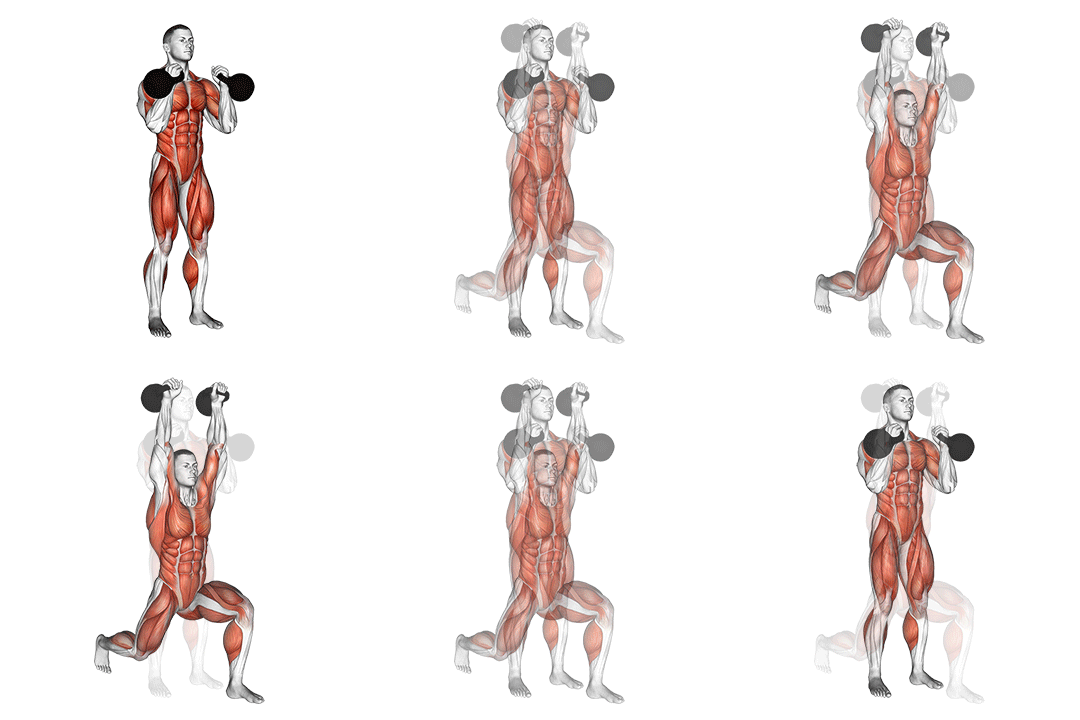
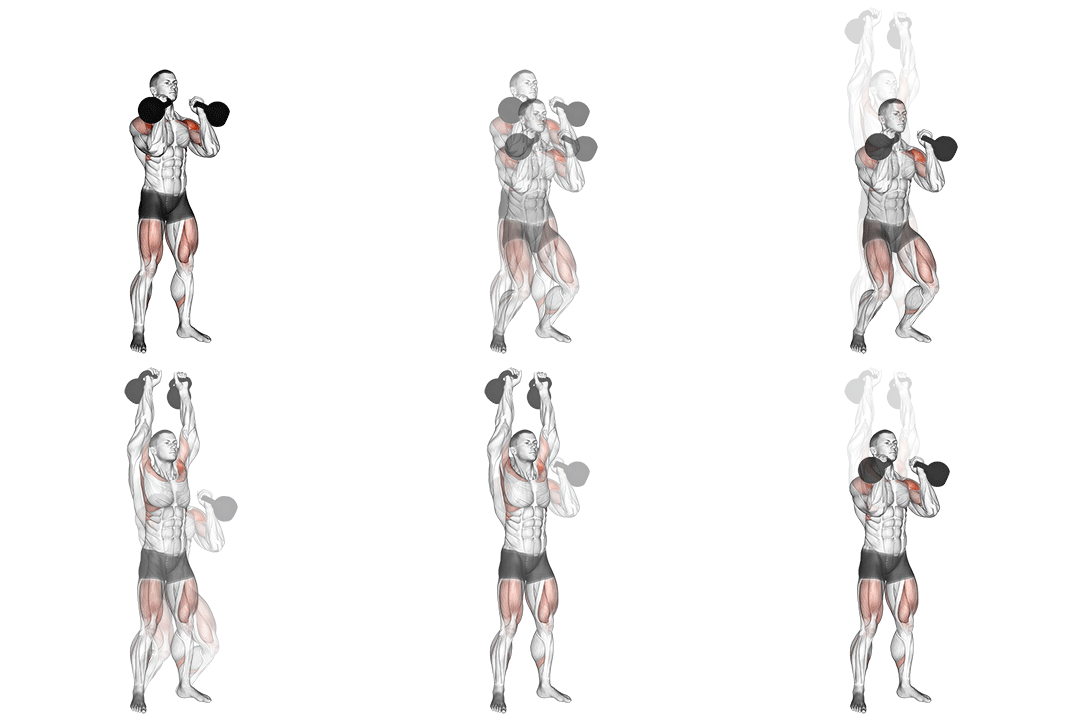
Kettlebell Double Jerk
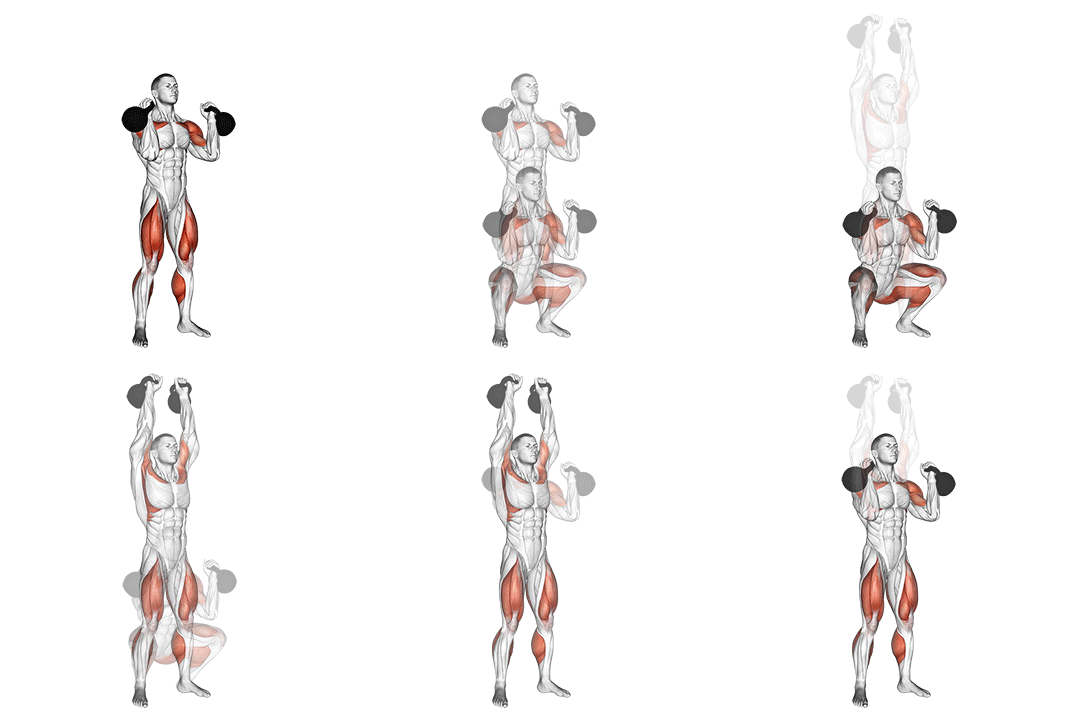
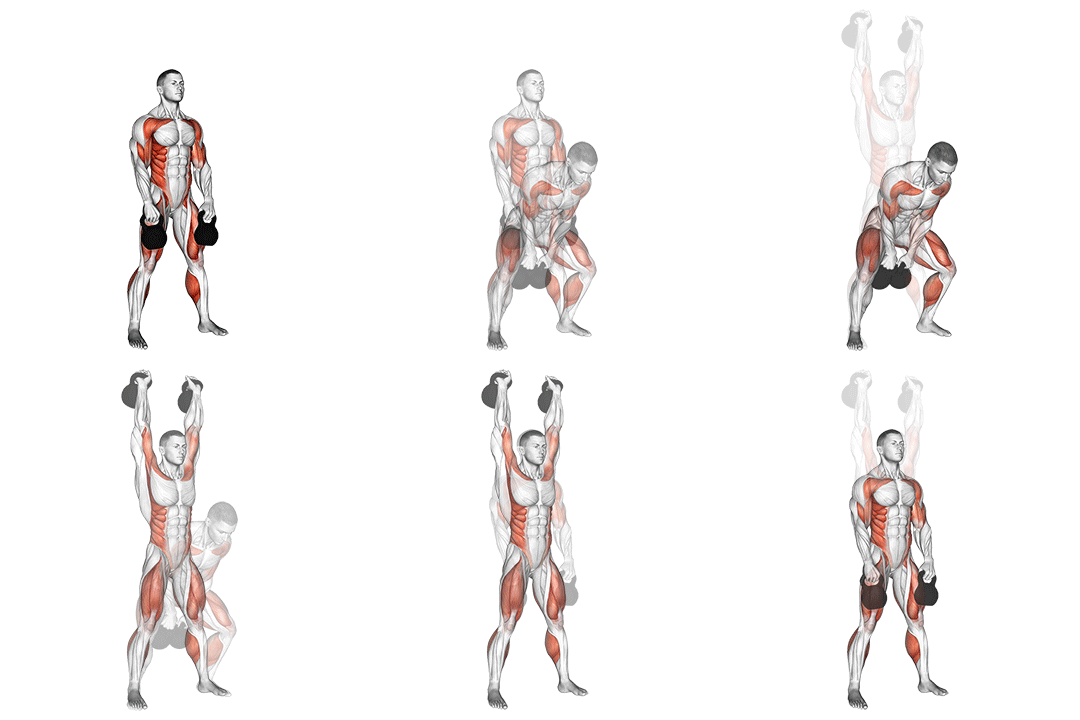
Kettlebell Thruster
Head-to-Head Comparison
| Attribute | Kettlebell Double Jerk | Kettlebell Thruster |
|---|---|---|
| Target Muscle |
Delts
|
Delts
|
| Body Part |
Shoulders
|
Shoulders
|
| Equipment |
Kettlebell
|
Kettlebell
|
| Difficulty |
Advanced
|
Intermediate
|
| Movement Type |
Compound
|
Compound
|
| Secondary Muscles |
2
|
3
|
Secondary Muscles Activated
Kettlebell Double Jerk
Kettlebell Thruster
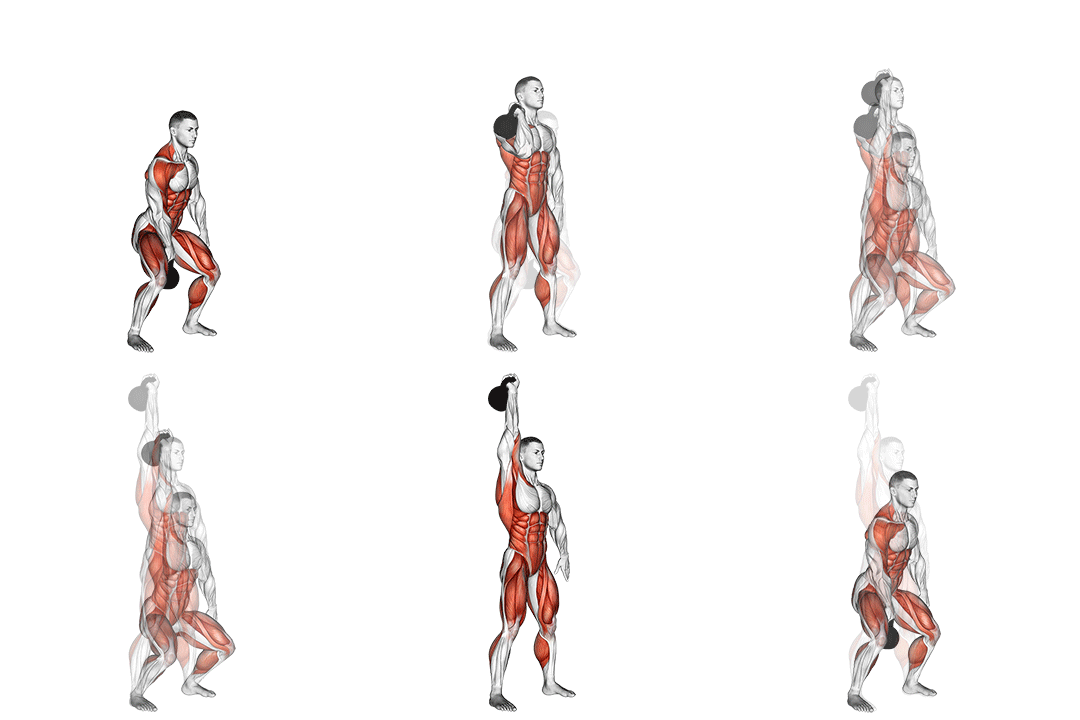
Visual Comparison
Overview
Kettlebell Double Jerk vs Kettlebell Thruster — two compound shoulder builders with different mechanics. You’ll learn how each movement loads the deltoids, which secondary muscles kick in, how technical each lift is, and when to choose one over the other. I’ll cover technique cues (rack position, dip/drive timing, torso angle), rep ranges for strength (1–5) and hypertrophy (6–12), and the biomechanics behind force transfer so you can pick the right exercise for your goals and reduce injury risk.
Key Differences
- Difficulty levels differ: Kettlebell Double Jerk is advanced, while Kettlebell Thruster is intermediate.
- Both exercises target the Delts using Kettlebell. The main differences are in their movement patterns and muscle activation angles.
Pros & Cons
Kettlebell Double Jerk
+ Pros
- Develops explosive overhead power via a rapid dip-drive
- High peak deltoid recruitment for strength and power
- Trains shoulder stability and rapid re-seating under load
- Excellent carryover to Olympic-style lifts and overhead athletics
− Cons
- High technical demand — needs practiced timing
- Greater dynamic shoulder stress and potential impingement risk
- Less lower-body volume compared with the thruster
Kettlebell Thruster
+ Pros
- Simple movement pattern that’s easy to learn
- Combines lower-body and shoulder work for efficient hypertrophy
- Lower technical barrier and safer for higher-rep sets (6–20)
- Great metabolic conditioning tool
− Cons
- Less emphasis on explosive overhead power
- Can overload the lumbar spine if posture and bracing fail
- Press portion may be limited by leg fatigue in long sets
When Each Exercise Wins
Thrusters create more total time under tension for the deltoids and add heavy quadriceps and glute load from the squat, making them superior for overall muscle growth in the 6–12 rep range.
The jerk trains maximal overhead force production and rapid power transfer; use low reps (1–5) and heavier kettlebells to build maximal shoulder and pressing strength.
Thrusters use familiar squat and press patterns with fewer timing demands, so you can safely build load, technique, and conditioning before attempting advanced jerks.
Thrusters require minimal setup, are forgiving on technique, and scale easily with a single kettlebell for effective full-body work in limited space.
Frequently Asked Questions
Can I do both Kettlebell Double Jerk and Kettlebell Thruster in the same workout?
Yes. Place Double Jerks early as a power-focused lift (after warm-up) for 3–6 sets of low reps, then use Thrusters later for hypertrophy or conditioning with higher reps. Ensure adequate rest and monitor shoulder fatigue to avoid form breakdown.
Which exercise is better for beginners?
Kettlebell Thruster is better for beginners because it blends two fundamental patterns (squat and press) with easier timing. It lets you build leg strength, core bracing, and shoulder endurance before introducing the jerk’s dynamic demands.
How do the muscle activation patterns differ?
The Double Jerk produces short, high-peak deltoid activation from a ballistic dip-drive and relies more on triceps and core for stabilization, while the Thruster produces longer concentric deltoid activation as the press follows a squat, adding substantial quadriceps and glute recruitment.
Can Kettlebell Thruster replace Kettlebell Double Jerk?
Thrusters can replace jerks when your goal is hypertrophy or conditioning, but not if you need maximal overhead power or advanced pressing skill. For power or Olympic-style transfer, keep the Double Jerk in your program.
Expert Verdict
Use the Kettlebell Double Jerk when your goal is overhead power, advanced shoulder strength, and sport-specific transfer; program it for low reps (1–5) with full recovery and practice the dip-drive timing. Choose the Kettlebell Thruster when you want efficient hypertrophy, metabolic conditioning, or an accessible full-body option; use 6–12 reps for muscle growth or 12–20 reps for conditioning. If you’re new, prioritize thrusters to build squat depth, core bracing, and press endurance, then add jerks once your overhead stability and timing are solid. Both movements train deltoids — pick the one that matches your training phase and technical ability.
Also Compare
More comparisons with Kettlebell Double Jerk
More comparisons with Kettlebell Thruster
Compare More Exercises
Use our free comparison tool to analyze any two exercises head-to-head.
Compare Exercises